












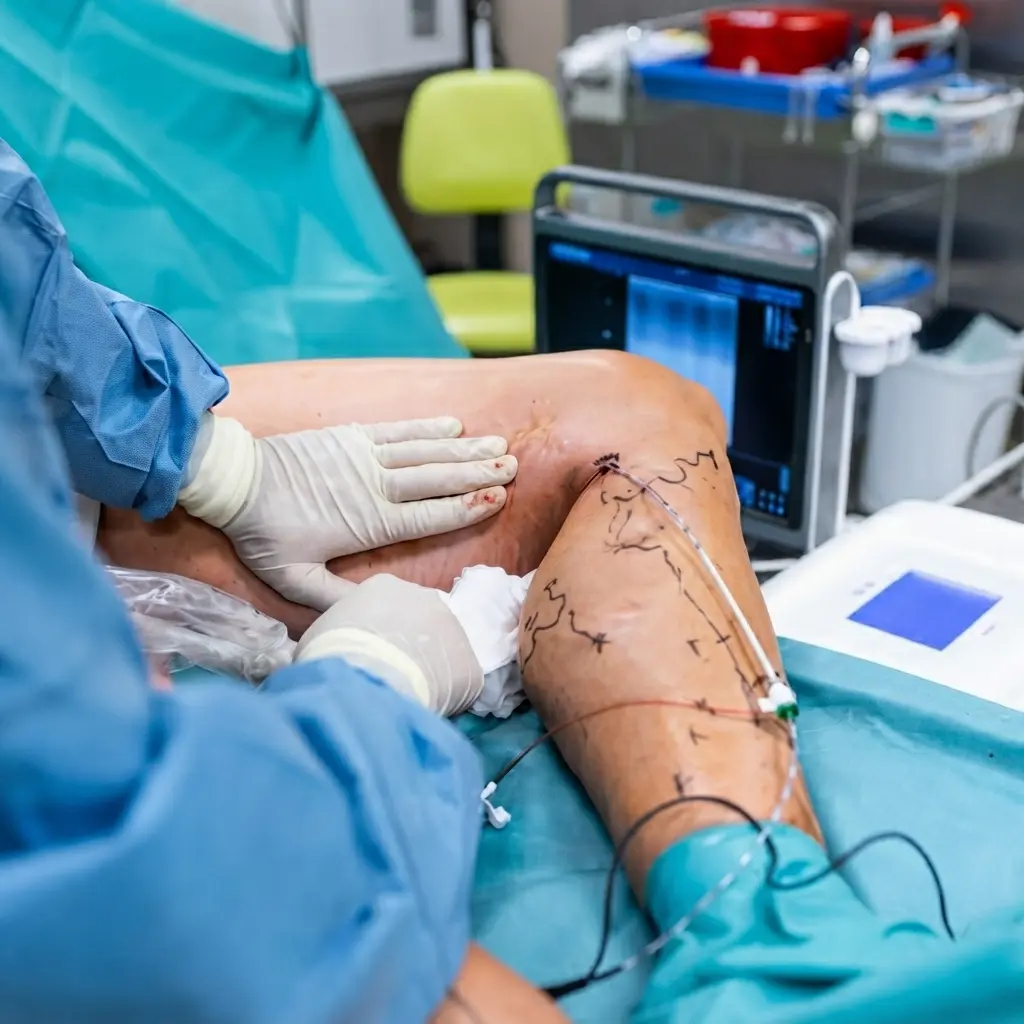
Vascular Surgery at Cleveland Clinic
Vascular Surgery provides specialized surgical treatment for diseases affecting the arteries, veins and blood vessels throughout the body. Vascular surgeons evaluate complex circulation problems, arterial blockages, aneurysms, carotid artery disease, peripheral artery disease and other vascular conditions. Depending on the patient's diagnosis, treatment may involve open vascular surgery, minimally invasive endovascular procedures or a combination of approaches designed to restore or improve blood flow and reduce the risk of complications.
Price
Price on Request
Why Price on Request?
The cost of vascular surgery depends on the type and severity of vascular disease, specialist evaluation, diagnostic imaging, laboratory testing, surgical procedure, anesthesia, hospitalization, intensive care, medications and follow-up treatment required. A personalized estimate is provided according to the patient's treatment plan.
Complete Description
What Is Vascular Surgery?
Vascular Surgery focuses on the surgical treatment of conditions affecting the body's arteries, veins and blood vessels, excluding the heart and brain as primary surgical targets.
Vascular surgeons may treat:
Arterial blockages
Aneurysms
Carotid artery disease
Peripheral artery disease
Aortic disease
Venous disorders
Vascular injuries
Complex circulation problems
Conditions Treated With Vascular Surgery
Vascular surgical care may address:
Peripheral artery disease
Aortic aneurysms
Carotid artery disease
Aortic dissection
Arterial blockages
Chronic limb-threatening ischemia
Certain venous disorders
Vascular complications
Other complex vascular conditions
Vascular Surgery Evaluation
Before surgery, specialists may evaluate:
Medical history
Symptoms
Previous vascular procedures
Cardiovascular health
Blood circulation
Vascular imaging
Surgical risk
Overall health
Vascular Diagnostic Imaging
Imaging may be used to identify the location and severity of vascular disease.
Possible tests include:
Duplex ultrasound
CT angiography
MR angiography
Conventional angiography
Other specialized vascular imaging
Peripheral Artery Surgery
Patients with severe peripheral artery disease may require surgical treatment when blood flow is significantly reduced.
Treatment may include:
Arterial bypass surgery
Surgical reconstruction
Other vascular procedures
Peripheral Artery Bypass Surgery
Bypass surgery creates an alternative pathway for blood to flow around a blocked or severely narrowed artery.
It may be considered for selected patients with:
Severe PAD
Persistent symptoms
Non-healing wounds
Critical limb-threatening ischemia
Carotid Artery Surgery
Vascular surgeons may perform procedures for selected patients with significant carotid artery disease.
One important procedure is:
Carotid endarterectomy
The procedure removes plaque from inside the carotid artery to improve blood flow and reduce stroke risk in appropriately selected patients.
Aortic Surgery
Vascular surgery may address complex diseases of the aorta.
Treatment may include:
Aortic aneurysm repair
Aortic reconstruction
Aortic bypass procedures
Other specialized aortic operations
Aneurysm Surgery
An aneurysm may require surgical treatment when its size, growth, symptoms, location or other characteristics create a significant risk.
Treatment options may include:
Open aneurysm repair
Endovascular aneurysm repair
Other specialized vascular procedures
Abdominal Aortic Aneurysm Surgery
An abdominal aortic aneurysm may be treated with open surgery or an endovascular approach depending on the patient's anatomy and clinical condition.
Thoracic Aortic Surgery
Selected thoracic aortic conditions may require surgical or endovascular treatment.
Treatment planning considers:
Aortic location
Aneurysm characteristics
Patient anatomy
Overall health
Risk of complications
Emergency Vascular Surgery
Some vascular conditions require urgent or emergency treatment.
These may include:
Ruptured aneurysm
Acute limb ischemia
Severe vascular injury
Acute arterial blockage
Certain aortic emergencies
Vascular Trauma Surgery
Vascular surgeons may evaluate and treat blood vessel injuries caused by:
Trauma
Accidents
Penetrating injuries
Surgical complications
Other vascular emergencies
Chronic Limb-Threatening Ischemia
Severe arterial disease can cause inadequate blood flow to the lower limbs.
Symptoms may include:
Pain at rest
Non-healing wounds
Tissue damage
Skin changes
Risk of limb loss
Vascular surgery may be considered when restoration of blood flow is clinically appropriate.
Vascular Reconstruction
Vascular reconstruction aims to restore blood flow through damaged, blocked or diseased blood vessels.
Procedures may involve:
Bypass grafts
Arterial reconstruction
Graft placement
Other specialized surgical techniques
Open Vascular Surgery
Open vascular surgery involves direct surgical access to the affected blood vessel.
It may be appropriate for selected patients with complex anatomy or conditions that cannot be adequately treated using minimally invasive techniques.
Endovascular Vascular Surgery
Endovascular treatment uses catheters inserted through blood vessels to treat vascular disease from within the artery or vein.
Procedures may include:
Angioplasty
Stent placement
Stent graft placement
Endovascular aneurysm repair
Hybrid Vascular Procedures
Some complex vascular conditions may require a combination of open surgery and endovascular treatment.
Hybrid procedures can be considered when disease involves multiple vascular segments or complex anatomy.
Vascular Surgery and Diabetes
Patients with diabetes may develop vascular complications affecting the legs and feet.
Vascular evaluation may be important when patients have:
Poor circulation
Foot wounds
Non-healing ulcers
Reduced pulses
Signs of ischemia
Vascular Surgery and Non-Healing Wounds
Reduced blood flow can interfere with wound healing.
Vascular treatment may focus on:
Improving arterial circulation
Treating blockages
Supporting wound healing
Reducing the risk of tissue loss
Postoperative Vascular Care
After vascular surgery, patients may require monitoring of:
Blood circulation
Surgical sites
Blood pressure
Wound healing
Graft function
Signs of infection
Limb function
Recovery After Vascular Surgery
Recovery depends on:
Type of procedure
Location of vascular disease
Surgical complexity
Overall health
Presence of other medical conditions
Patients may receive individualized activity and rehabilitation guidance.
Long-Term Vascular Follow-Up
Long-term follow-up may include:
Vascular examinations
Ultrasound
CT or MR imaging when appropriate
Medication management
Cardiovascular risk-factor control
Monitoring of surgical grafts or stents
Vascular Surgery Second Opinion
Patients who have received a recommendation for vascular surgery may seek a vascular surgery second opinion.
Specialists may review:
Ultrasound results
CT angiography
MR angiography
Angiography
Previous surgical reports
Medical history
Proposed treatment plan
International Patients
International patients should provide relevant vascular records whenever possible.
Useful documents may include:
Doppler ultrasound
CT angiography
MR angiography
Angiography reports
Previous vascular surgery reports
Wound-care records
Laboratory results
Current medication list
Benefits of Specialized Vascular Surgery
Specialized vascular surgical care may help:
Treat complex arterial disease
Restore blood flow
Repair aneurysms
Treat carotid artery disease
Manage severe peripheral artery disease
Treat vascular emergencies
Address non-healing vascular wounds
Provide open surgical treatment
Provide minimally invasive vascular procedures
Develop individualized treatment plans
Provide vascular surgery second opinions
Why Choose Cleveland Clinic for Vascular Surgery?
Cleveland Clinic provides multidisciplinary vascular care involving vascular surgeons, vascular specialists, cardiovascular specialists, interventional experts, imaging professionals and other healthcare providers.
Depending on the patient's condition, treatment may include open vascular surgery, endovascular procedures, hybrid treatment or comprehensive medical management.
Cost & Price on Request
Price: Price on Request
The total cost of vascular surgery depends on the diagnosis, surgical complexity and level of care required.
Potential costs may include:
Vascular consultation
Diagnostic imaging
Laboratory testing
Anesthesia
Vascular surgery
Endovascular procedures
Hospitalization
Intensive care
Medications
Wound care
Rehabilitation
Follow-up imaging
Follow-up consultations
A personalized cost estimate should be requested according to the patient's individual treatment plan.
Frequently Asked Questions
1. What conditions can vascular surgery treat?
Vascular surgery may treat arterial blockages, aneurysms, carotid artery disease, peripheral artery disease, aortic disease and other complex vascular conditions.
2. Is vascular surgery always performed as open surgery?
No. Selected conditions can be treated with minimally invasive endovascular procedures, while other complex conditions may require open or hybrid surgery.
3. When might peripheral artery bypass surgery be needed?
Bypass surgery may be considered for severe arterial blockage or limb-threatening ischemia when other appropriate treatments are not sufficient or suitable.
4. Can I seek a second opinion before vascular surgery?
Yes. A vascular specialist can review imaging, medical records, previous procedures and the proposed surgical plan.
5. How much does vascular surgery cost?
Price is available on request. The final cost depends on the diagnosis, procedure, hospitalization, anesthesia, medications and follow-up care.
Product Details
Product Name: Vascular Surgery
Hospital: Cleveland Clinic
Brand: Cleveland Clinic
Country: United States
Specialty: Vascular Medicine & Surgery
Service Type: Vascular Surgery
Customer-Facing Price: Price on Request
International Patients: Available
Location: Cleveland, Ohio, USA
Related products
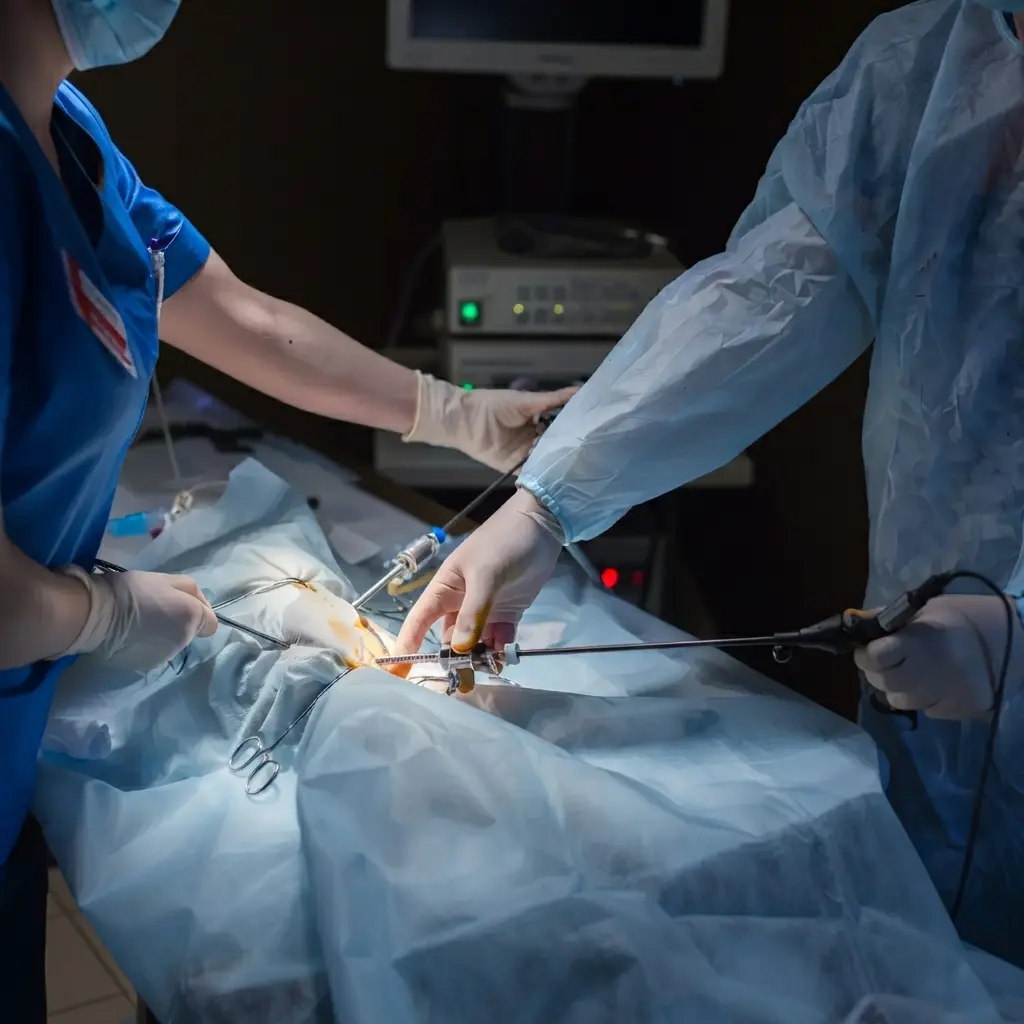

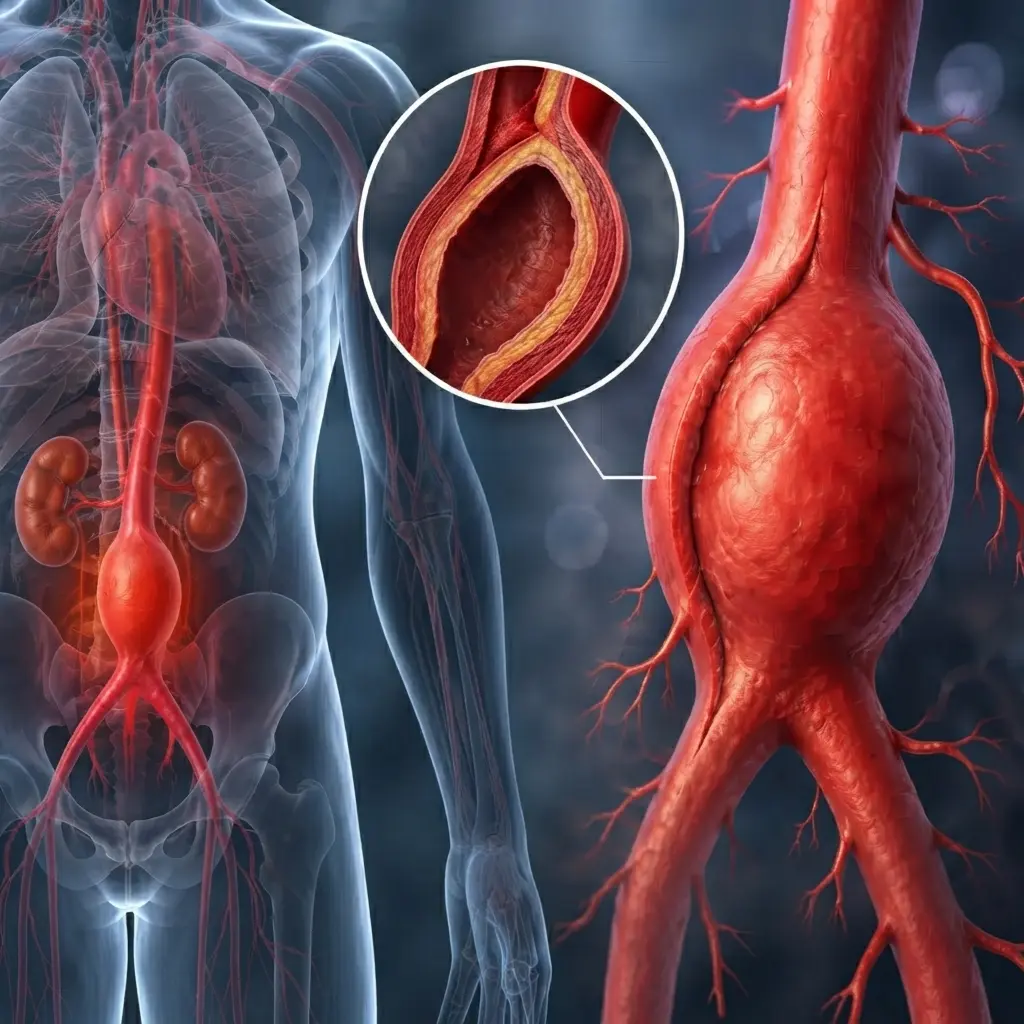
Aortic Disease Treatment
Frequently Bought Together
No frequently bought products found!
Products from this Seller
View All










Chemotherapy at Mayo Clinic

Immunotherapy at Mayo Clinic

Medical Tourism




Share with Friends
Trading is more effective when you share products with friends!Share you link
Share to