













Aortic Disease Treatment at Cleveland Clinic
Aortic Disease Treatment provides specialized evaluation and treatment for conditions affecting the aorta, including aortic aneurysms, aortic dissections, aortic enlargement and other structural abnormalities. Treatment is individualized according to the location and severity of the aortic disease, symptoms, risk of complications, overall health and cardiovascular condition. Depending on the patient's needs, treatment may include medical management, regular imaging surveillance, endovascular procedures or open aortic surgery.
Price
Price on Request
Why Price on Request?
The cost of aortic disease treatment depends on the type and location of the aortic condition, specialist consultation, diagnostic imaging, laboratory testing, medications, endovascular procedures, open surgery, hospitalization, intensive care and follow-up monitoring required. A personalized estimate is provided according to the patient's treatment plan.
Complete Description
What Is Aortic Disease Treatment?
Aortic Disease Treatment focuses on the diagnosis, monitoring and treatment of conditions affecting the aorta, the body's largest artery.
Aortic conditions may include:
Aortic aneurysm
Aortic dissection
Aortic enlargement
Aortic rupture
Aortic arch disease
Aortic root disease
Thoracic aortic disease
Abdominal aortic disease
Aortic Aneurysm Treatment
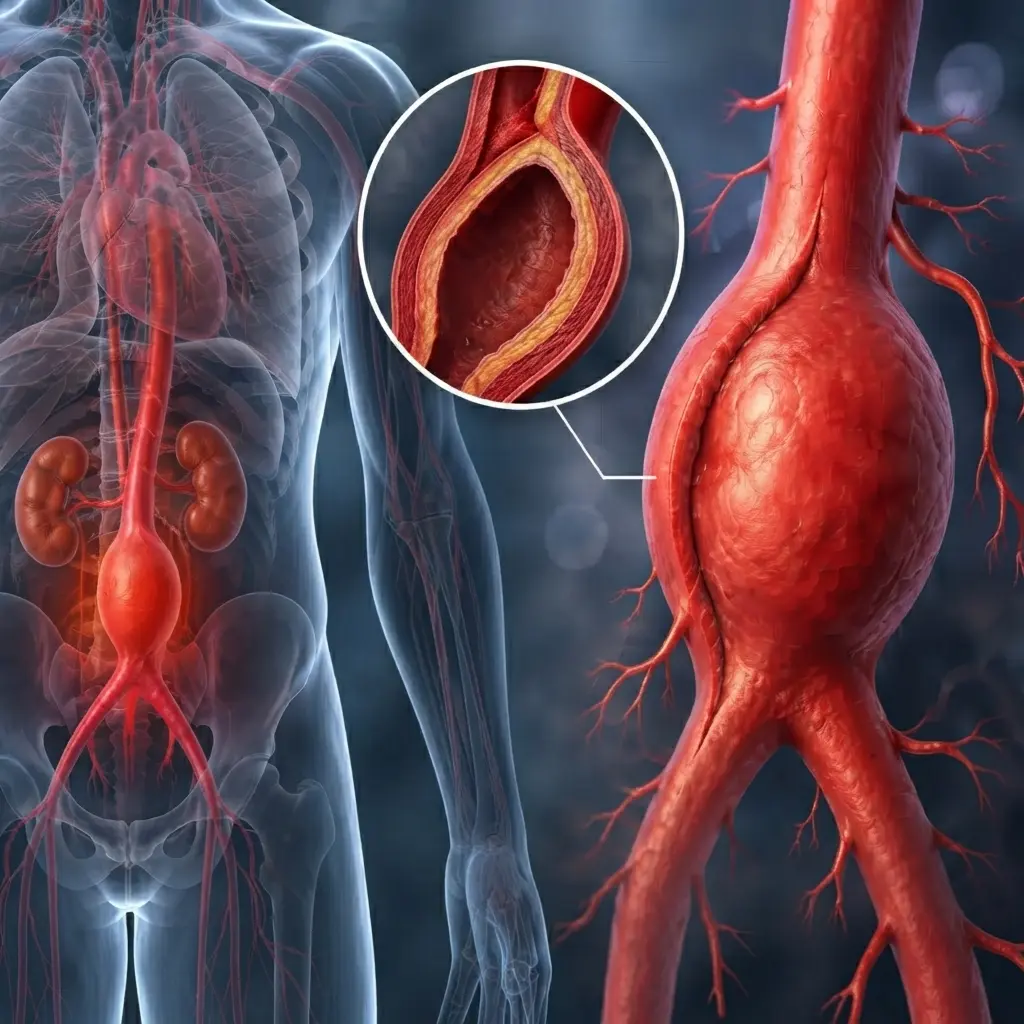
An aortic aneurysm occurs when part of the aorta becomes enlarged or weakened.
Treatment decisions may consider:
Aneurysm size
Location
Growth rate
Symptoms
Overall health
Risk of rupture
Some aneurysms may be monitored, while others may require intervention.
Aortic Dissection Treatment
An aortic dissection occurs when a tear develops within the wall of the aorta.
Treatment depends on:
Location of the dissection
Severity
Symptoms
Blood flow to organs
Risk of rupture
Overall cardiovascular condition
Some cases require emergency treatment.
Thoracic Aortic Disease
Thoracic aortic disease affects the portion of the aorta located in the chest.
Conditions may include:
Thoracic aortic aneurysm
Thoracic aortic dissection
Aortic arch disease
Descending thoracic aortic disease
Treatment may involve surveillance, medication, endovascular repair or surgery.
Abdominal Aortic Disease
Abdominal aortic disease affects the section of the aorta located in the abdomen.
Conditions may include:
Abdominal aortic aneurysm
Aortic enlargement
Other structural abnormalities
Treatment depends on the size, growth and characteristics of the disease.
Aortic Root Disease
Aortic root disease affects the portion of the aorta connected to the heart.
Treatment may be required for selected patients with:
Aortic root aneurysm
Enlargement of the aortic root
Associated aortic valve disease
Certain inherited aortic conditions
Aortic Arch Disease
The aortic arch connects the ascending and descending sections of the aorta and gives rise to major arteries supplying the head and upper body.
Treatment may be considered for selected patients with:
Aortic arch aneurysm
Aortic dissection
Complex aortic disease
Ascending Aortic Disease
The ascending aorta is the section immediately above the heart.
Treatment may be considered for:
Ascending aortic aneurysm
Aortic dissection
Aortic root abnormalities
Associated valve conditions
Descending Aortic Disease
The descending thoracic aorta may develop aneurysms, dissections and other abnormalities.
Treatment options may include:
Medical management
Endovascular repair
Open surgery
Hybrid procedures
Aortic Disease Diagnostic Evaluation
A comprehensive evaluation may include:
Medical history
Physical examination
Blood pressure assessment
Cardiovascular evaluation
Vascular imaging
Laboratory testing
The goal is to determine the location and severity of the aortic condition.
Aortic Imaging
Imaging plays an important role in diagnosing and monitoring aortic disease.
Possible tests include:
CT angiography
MRI
Echocardiography
Transesophageal echocardiography
Other specialized vascular imaging
Aortic Disease Surveillance
Some patients with aortic enlargement or aneurysms may be monitored through regular imaging.
Surveillance may assess:
Aortic size
Growth rate
Structural changes
Development of symptoms
Need for intervention
Medical Management of Aortic Disease
Selected patients may be managed without immediate surgery.
Medical treatment may focus on:
Blood pressure control
Cholesterol management
Smoking cessation
Cardiovascular risk reduction
Regular imaging
Medication management
Endovascular Aortic Treatment
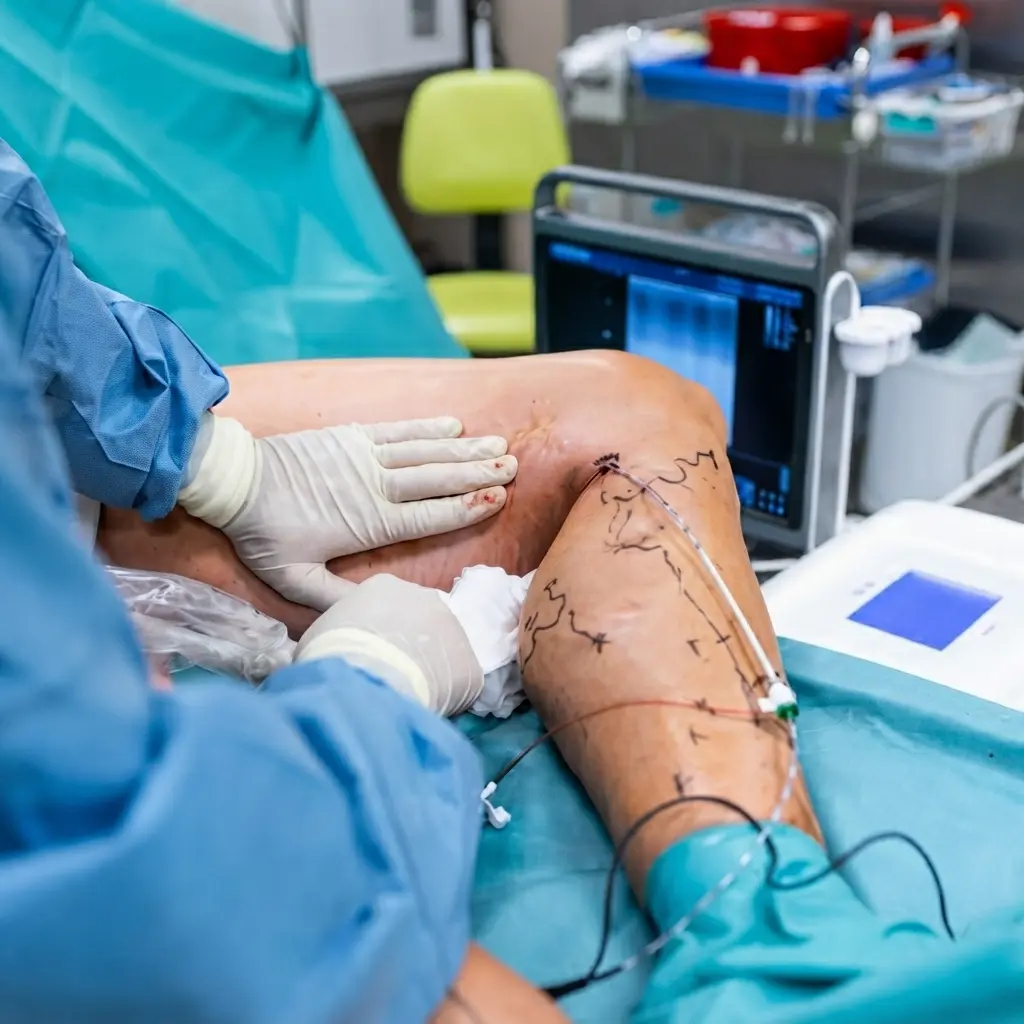
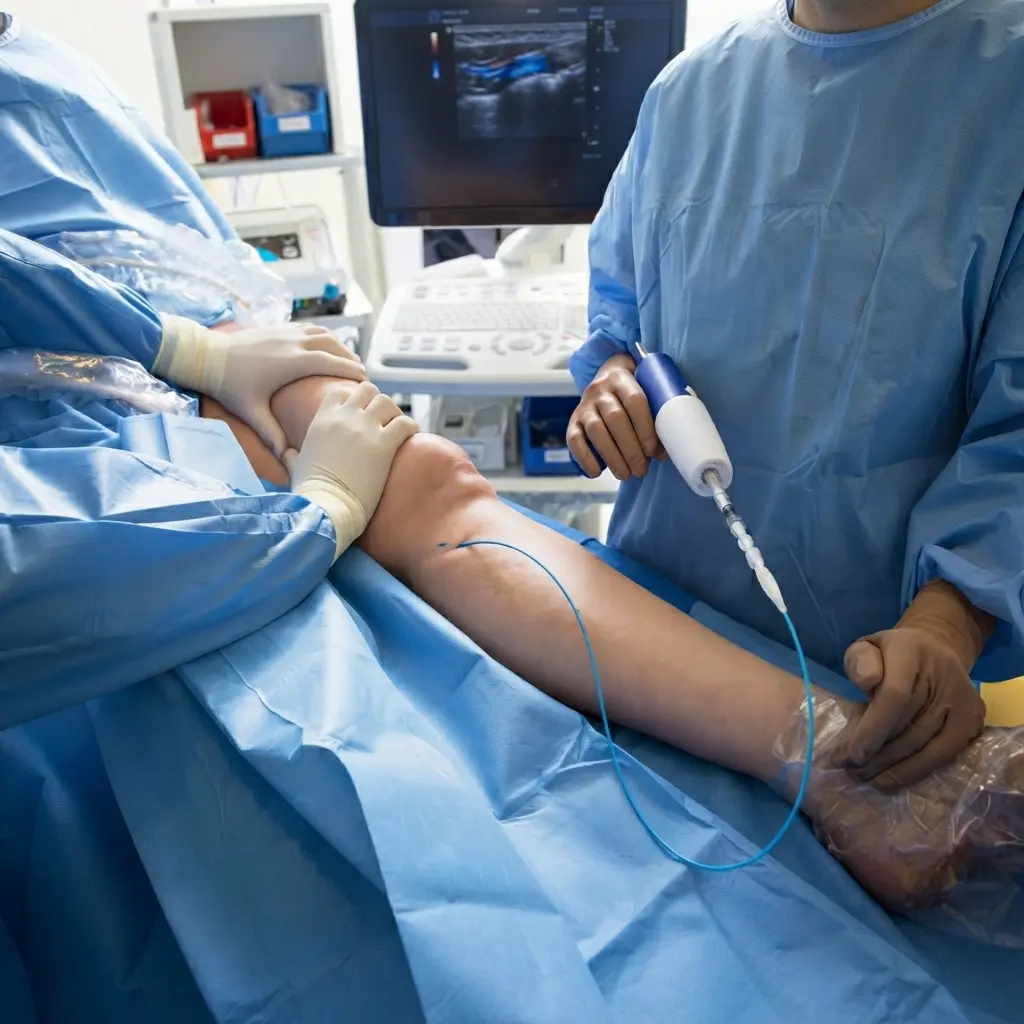
Some aortic conditions can be treated using minimally invasive catheter-based procedures.
Treatment may include:
Endovascular aneurysm repair
Thoracic endovascular aortic repair
Stent graft placement
Other catheter-based techniques
The appropriate approach depends on the patient's anatomy and condition.
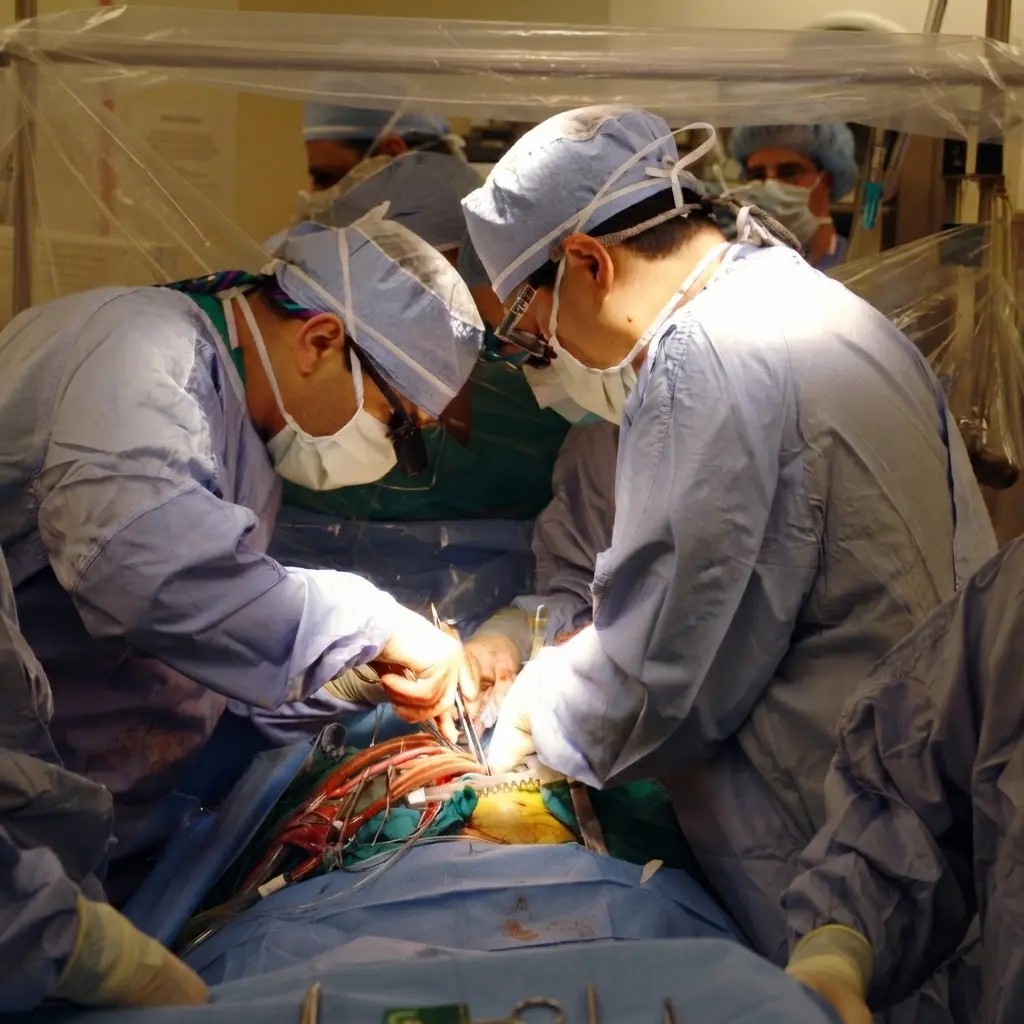
Open Aortic Surgery
Open surgery may be recommended for selected patients with significant or complex aortic disease.
Surgical treatment may involve:
Removal of diseased aortic tissue
Graft replacement
Aortic reconstruction
Treatment of associated cardiovascular conditions
Hybrid Aortic Treatment
Some complex aortic conditions may require a combination of open and endovascular techniques.
Hybrid treatment may be considered when disease involves multiple sections of the aorta or complex vascular anatomy.
Aortic Disease and Heart Valve Conditions
Aortic disease may occur together with aortic valve abnormalities.
Selected patients may require combined treatment involving:
Aortic surgery
Aortic valve repair
Aortic valve replacement
Aortic Disease and Coronary Artery Disease
Patients with aortic disease may also have coronary artery disease.
When clinically appropriate, treatment may involve combined cardiovascular procedures such as:
Coronary artery bypass surgery
Aortic surgery
Other cardiovascular interventions
Inherited Aortic Conditions
Certain inherited conditions can increase the risk of aortic enlargement and dissection.
Patients may require:
Regular imaging
Blood pressure management
Genetic evaluation
Family screening
Preventive treatment planning
Emergency Aortic Disease Treatment
Some aortic conditions require urgent or emergency treatment.
These may include:
Aortic rupture
Acute aortic dissection
Rapidly expanding aneurysm
Other life-threatening aortic complications
Treatment depends on the patient's clinical condition.
Post-Treatment Monitoring
Patients treated for aortic disease may require ongoing monitoring of:
Aortic structure
Blood pressure
Heart function
Symptoms
Remaining portions of the aorta
Graft or stent-graft function when applicable
Recovery After Aortic Treatment
Recovery depends on the treatment performed.
Patients may require:
Medication management
Activity guidance
Blood pressure monitoring
Cardiovascular rehabilitation
Follow-up imaging
Regular specialist appointments
Long-Term Aortic Monitoring
Long-term follow-up may include:
CT angiography
MRI
Echocardiography
Blood pressure monitoring
Cardiovascular examinations
Assessment of the remaining aorta
Regular monitoring helps identify changes that may require additional treatment.
Aortic Disease Second Opinion
Patients who have received a diagnosis or recommendation for aortic surgery may seek an aortic disease second opinion.
Specialists may review:
CT angiography
MRI scans
Echocardiograms
Previous medical records
Aortic measurements
Previous procedures
Proposed treatment plans
International Patients
International patients should provide relevant vascular and cardiovascular records whenever possible.
Useful documents may include:
CT angiography
MRI
Echocardiography
Transesophageal echocardiography
Previous surgical reports
Angiography
Laboratory results
Current medication list
Benefits of Specialized Aortic Disease Treatment
Specialized aortic care may help:
Diagnose aortic disease
Monitor aneurysm growth
Manage aortic dissection
Control cardiovascular risk factors
Treat thoracic aortic disease
Treat abdominal aortic disease
Provide endovascular treatment
Provide open aortic surgery
Manage complex aortic conditions
Support long-term aortic monitoring
Why Choose Cleveland Clinic for Aortic Disease Treatment?
Cleveland Clinic provides multidisciplinary cardiovascular and vascular care involving vascular specialists, vascular surgeons, cardiac surgeons, cardiologists, cardiovascular imaging specialists and other healthcare professionals.
Depending on the patient's condition, treatment may include medical management, surveillance, endovascular procedures, open surgery or complex multidisciplinary aortic care.
Cost & Price on Request
Price: Price on Request
The total cost of aortic disease treatment depends on the type, location and severity of the condition and the treatment required.
Potential costs may include:
Specialist consultation
Vascular examination
CT angiography
MRI
Echocardiography
Laboratory testing
Medication
Endovascular treatment
Open aortic surgery
Anesthesia
Intensive care
Hospitalization
Follow-up imaging
Long-term monitoring
A personalized cost estimate should be requested according to the patient's individual treatment plan.
Frequently Asked Questions
1. What types of aortic disease can be treated?
Aortic care may include treatment for aortic aneurysms, aortic dissections, aortic enlargement, aortic root disease, aortic arch disease and other structural abnormalities.
2. Does every aortic aneurysm require surgery?
No. Some aneurysms can be managed with regular imaging, blood pressure control and medical treatment, while others may require intervention based on their size, growth, location or symptoms.
3. What imaging is used to evaluate aortic disease?
Common imaging methods include CT angiography, MRI and echocardiography, depending on the location and type of aortic condition.
4. Can aortic disease be treated without open surgery?
Yes. Selected patients may be treated with medical management or minimally invasive endovascular procedures, depending on their anatomy and diagnosis.
5. How much does aortic disease treatment cost?
Price is available on request. The final cost depends on evaluation, imaging, medications, endovascular treatment, surgery, hospitalization and follow-up care.
Product Details
Product Name: Aortic Disease Treatment
Hospital: Cleveland Clinic
Brand: Cleveland Clinic
Country: United States
Specialty: Vascular Medicine & Surgery
Service Type: Aortic Disease Treatment
Customer-Facing Price: Price on Request
International Patients: Available
Location: Cleveland, Ohio, USA
Related products


Aortic Disease Treatment
Frequently Bought Together
No frequently bought products found!
Products from this Seller
View All











Chemotherapy at Mayo Clinic

Immunotherapy at Mayo Clinic

Medical Tourism




Share with Friends
Trading is more effective when you share products with friends!Share you link
Share to