













CAR-T Cell Therapy at Mayo Clinic
CAR-T Cell Therapy is an advanced form of personalized cancer immunotherapy that modifies a patient's own T cells so they can recognize and attack specific cancer cells. It is primarily used for selected blood cancers, including certain leukemias and lymphomas, when clinically appropriate.
Price : Price on Request
Why Price on Request?
The cost of CAR-T cell therapy varies significantly depending on the cancer type, eligibility assessment, cell collection and manufacturing, conditioning treatment, hospitalization, monitoring and management of potential treatment-related complications. A personalized cost estimate is therefore required.
Complete Description
CAR-T Cell Therapy at Mayo Clinic
CAR-T Cell Therapy at Mayo Clinic – Rochester is an advanced cellular therapy that uses the patient's own immune cells to target certain types of cancer.
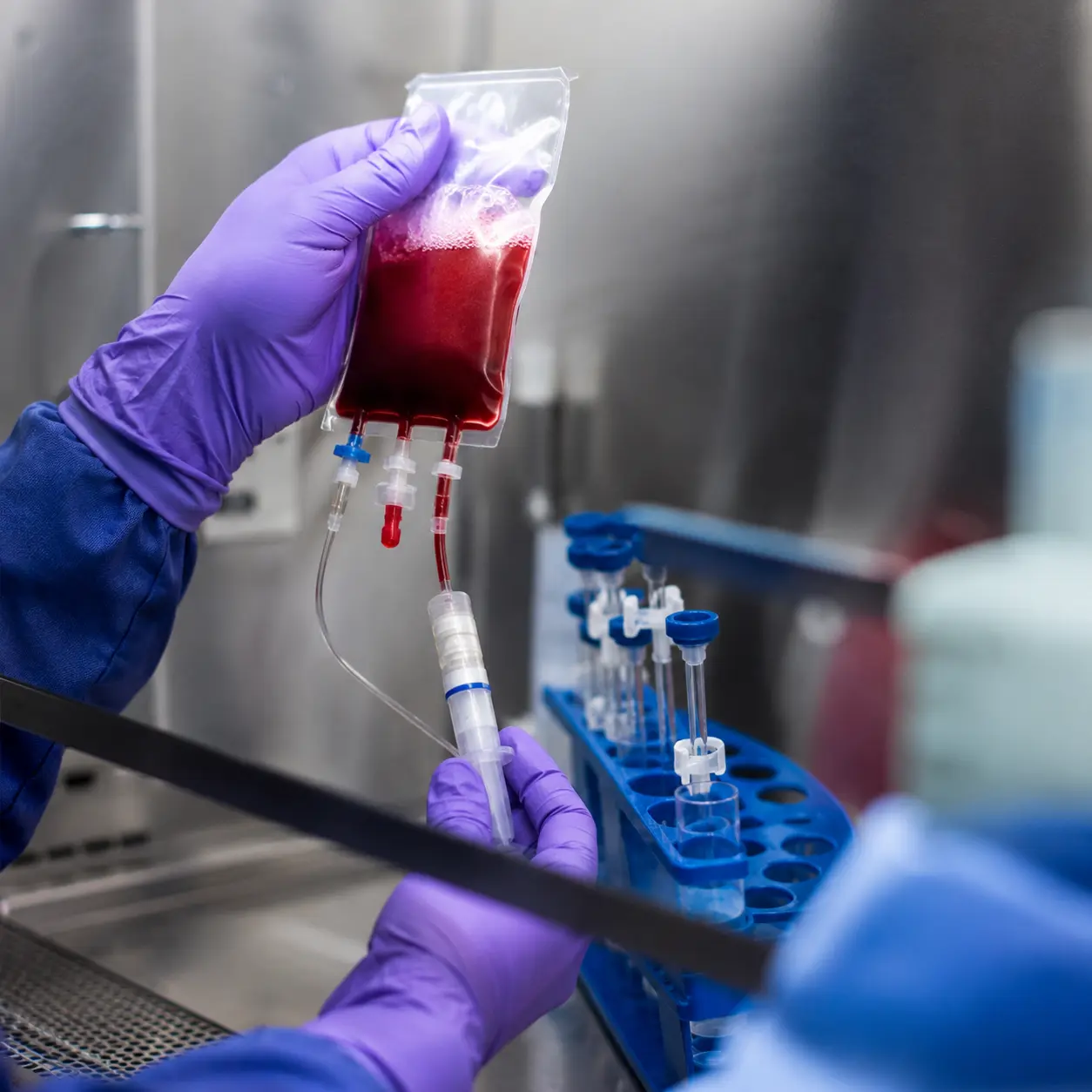
The treatment involves collecting T cells from the patient's blood, modifying them in a specialized laboratory so they can recognize a specific cancer target, and then returning the modified cells to the patient's body.
Once administered, the modified cells can identify and attack cancer cells carrying the targeted marker.
CAR-T therapy is a highly specialized treatment and is considered only for eligible patients with specific types of cancer.
What Is CAR-T Cell Therapy?
CAR-T cell therapy, or chimeric antigen receptor T-cell therapy, is a form of personalized cellular immunotherapy.
The treatment uses the patient's own T cells and genetically modifies them to produce a chimeric antigen receptor (CAR).
This receptor helps the modified T cells recognize specific proteins on cancer cells.
How CAR-T Cell Therapy Works
CAR-T treatment generally involves several important stages:
Patient evaluation
T-cell collection
Cell processing and modification
CAR-T cell manufacturing
Preparation before infusion
CAR-T cell infusion
Close medical monitoring
Long-term follow-up
Each stage is carefully coordinated by a specialized medical team.
Patient Evaluation
Before CAR-T therapy, specialists perform a detailed evaluation to determine whether the treatment is appropriate.
Assessment may include:
Cancer diagnosis confirmation
Disease stage
Previous treatment history
Laboratory testing
Imaging
Organ-function assessment
Infection screening
General health evaluation
Assessment of treatment eligibility
The patient's overall condition and previous therapies are important factors in determining suitability.
T-Cell Collection
If the patient is considered an appropriate candidate, T cells are collected from the patient's blood using a procedure known as leukapheresis.
During leukapheresis, blood is passed through a specialized machine that separates selected blood cells and returns the remaining blood components to the patient.
The collected T cells are then prepared for further processing.
CAR-T Cell Manufacturing
The collected T cells are sent for specialized laboratory processing.
The cells are modified so they can express a chimeric antigen receptor designed to recognize a particular cancer-associated target.
The modified cells are expanded to produce the required number of CAR-T cells for treatment.
This manufacturing process is highly specialized and requires strict quality controls.
Conditioning Treatment
Before the CAR-T cells are infused, patients may receive lymphodepleting chemotherapy.
This preparatory treatment helps create an environment in the body that can support the activity and expansion of the CAR-T cells after infusion.
The specific conditioning regimen depends on the treatment protocol and patient's clinical situation.
CAR-T Cell Infusion
Once the CAR-T cells are ready and the patient has completed the required preparation, the modified cells are administered through an intravenous infusion.
The treatment team carefully monitors the patient during and after the infusion.
Monitoring After CAR-T Therapy
Close monitoring is an important part of CAR-T treatment.
Patients may require observation for potential complications and treatment-related reactions.
Monitoring may include:
Vital signs
Blood tests
Neurological assessments
Blood-cell counts
Organ-function testing
Infection monitoring
Assessment of treatment response
The level and duration of monitoring depend on the patient's condition.
Cancers Treated With CAR-T Therapy
CAR-T therapy is primarily used for selected hematologic cancers.
Depending on the specific therapy and eligibility criteria, it may be considered for certain:
B-cell acute lymphoblastic leukemia (B-ALL)
Diffuse large B-cell lymphoma (DLBCL)
Large B-cell lymphomas
Follicular lymphoma
Mantle cell lymphoma
Multiple myeloma
Other selected blood cancers
Eligibility depends on the specific CAR-T product, cancer type, previous treatments and individual patient factors.
CAR-T Therapy for Relapsed or Refractory Cancer
CAR-T therapy may be considered for selected patients whose cancer has:
Returned after previous treatment
Failed to respond adequately to treatment
Become resistant to standard therapies
These cases are generally referred to as relapsed or refractory cancer.
Treatment eligibility depends on the specific disease and approved or clinically appropriate indications.
CAR-T Therapy and Personalized Medicine
CAR-T therapy is considered a form of personalized cancer treatment because the patient's own immune cells are used to create the therapeutic product.
The treatment is developed specifically from the patient's collected T cells.
Potential Benefits of CAR-T Therapy
For eligible patients, CAR-T therapy may:
Target specific cancer cells
Provide an option after certain previous treatments have failed
Produce significant responses in selected blood cancers
Offer a personalized cellular treatment approach
Provide an additional treatment option for certain relapsed or refractory cancers
Treatment outcomes vary according to the cancer type, patient characteristics and previous treatment history.
Potential Risks and Side Effects
CAR-T therapy can cause significant side effects and requires specialized medical monitoring.
Potential complications may include:
Cytokine release syndrome (CRS)
Neurologic side effects
Fever
Low blood-cell counts
Infections
Fatigue
Low blood pressure
Other treatment-related complications
The medical team monitors patients closely and provides appropriate treatment when complications occur.
Cytokine Release Syndrome
Cytokine release syndrome (CRS) is an immune-related reaction that can occur after CAR-T cell infusion.
Symptoms may include:
Fever
Chills
Low blood pressure
Rapid heartbeat
Breathing difficulties
Other systemic symptoms
The severity can vary, and patients receiving CAR-T therapy are monitored carefully for signs of CRS.
Neurologic Side Effects
Some patients may develop neurological complications after CAR-T therapy.
Possible symptoms may include:
Confusion
Difficulty speaking
Tremors
Headache
Changes in alertness
Seizures in severe cases
Patients are closely monitored for neurological changes following treatment.
CAR-T Therapy Follow-Up
After treatment, patients require ongoing follow-up.
Follow-up may include:
Blood tests
Imaging
Disease monitoring
Assessment of treatment response
Monitoring of blood-cell counts
Infection monitoring
Evaluation for delayed treatment effects
Long-term follow-up is an important part of CAR-T cell therapy.
Multidisciplinary CAR-T Care
CAR-T therapy requires coordination between multiple specialists and healthcare professionals.
The care team may include:
Hematologists
Medical oncologists
Cellular therapy specialists
Laboratory specialists
Oncology nurses
Pharmacists
Intensive-care specialists when required
Neurology specialists when needed
Other healthcare professionals
This coordinated approach helps manage the complex stages of cellular therapy.
International Patients
International patients interested in CAR-T therapy may need to undergo a detailed medical-record review before traveling for treatment.
Important documents may include:
Pathology reports
Bone marrow biopsy results
Imaging reports
Blood test results
Previous chemotherapy records
Immunotherapy records
Stem cell transplant records
Molecular and genetic test results
Current medication list
Previous treatment response information
A detailed review helps specialists determine whether further evaluation for CAR-T therapy may be appropriate.
Cost & Price on Request
Price: Price on Request
CAR-T cell therapy is a complex and highly specialized treatment, so the total cost can vary substantially.
Potential cost components may include:
Specialist consultation
Eligibility evaluation
Laboratory testing
T-cell collection
Cell processing and manufacturing
Conditioning chemotherapy
CAR-T cell infusion
Hospitalization
Medical monitoring
Management of treatment-related complications
Follow-up testing
Additional specialist services
A personalized cost estimate should therefore be requested after specialist evaluation.
Frequently Asked Questions
1. What is CAR-T cell therapy?
CAR-T cell therapy is a personalized cancer treatment that modifies a patient's own T cells so they can recognize and attack specific cancer cells.
2. What cancers can CAR-T therapy treat?
CAR-T therapy is mainly used for selected blood cancers, including certain leukemias, lymphomas and multiple myeloma. Eligibility depends on the specific cancer and treatment criteria.
3. How are CAR-T cells obtained?
The patient's T cells are collected from the blood through leukapheresis and then processed and modified in a specialized laboratory.
4. Is CAR-T cell therapy suitable for every cancer patient?
No. CAR-T therapy is appropriate only for selected patients who meet specific medical and treatment criteria.
5. How much does CAR-T cell therapy cost?
Price is available on request. The cost depends on the patient's evaluation, cell collection and manufacturing, conditioning treatment, hospitalization, monitoring and other required medical services.
Product Details
Product Name: CAR-T Cell Therapy
Hospital: Mayo Clinic – Rochester
Brand: Mayo Clinic
Country: United States
Specialty: Oncology & Cancer Care
Service Type: CAR-T Cell Therapy
Dashboard Price: 0
Customer-Facing Price: Price on Request
International Patients: Available
Location: Rochester, Minnesota, USA
Related products





Chemotherapy at Mayo Clinic

Immunotherapy at Mayo Clinic

Frequently Bought Together
No frequently bought products found!
Products from this Seller
View All






Chemotherapy at Mayo Clinic
Immunotherapy at Mayo Clinic

Medical Tourism





Share with Friends
Trading is more effective when you share products with friends!Share you link
Share to