














Cancer Consultation at Mayo Clinic
Specialized cancer consultation for patients seeking expert evaluation, diagnosis review, treatment planning and personalized guidance for suspected or confirmed cancer.
Price
Price on Request
Why Price on Request?
The cost of a cancer consultation depends on the patient's condition, type of cancer, complexity of the case, specialist evaluation, diagnostic requirements and whether additional testing or consultations are needed. A personalized cost estimate is therefore required.
Complete Description
Cancer Consultation at Mayo Clinic
Cancer Consultation at Mayo Clinic – Rochester provides specialized evaluation and treatment planning for patients with suspected, newly diagnosed or previously treated cancer.
A cancer consultation allows specialists to review the patient's medical history, previous diagnostic results, pathology reports and imaging studies to develop an individualized plan for further evaluation or treatment.
Depending on the patient's condition, consultation may involve specialists from medical oncology, surgical oncology, radiation oncology, hematology, pathology, radiology and other areas of cancer care.
What Is a Cancer Consultation?
A cancer consultation is a specialist medical appointment designed to evaluate a patient's cancer-related condition and determine the most appropriate next steps.
During the consultation, the medical team may review:
Current symptoms
Medical history
Previous cancer diagnoses
Pathology reports
Biopsy results
Blood tests
Imaging studies
Previous treatments
Current medications
Family medical history when relevant
The specialist may then recommend additional testing, treatment or referral to another cancer specialist.
Who May Need a Cancer Consultation?
A cancer consultation may be appropriate for patients with:
A suspected cancer diagnosis
A newly confirmed cancer
A previous cancer diagnosis
Recurrent cancer
Advanced or metastatic cancer
An unclear pathology diagnosis
Abnormal imaging requiring specialist assessment
Abnormal biopsy findings
Concerns about treatment options
A need for a second medical opinion
Types of Cancer Evaluated
Cancer specialists may evaluate a wide range of cancers, including:
Breast cancer
Lung cancer
Prostate cancer
Colorectal cancer
Pancreatic cancer
Liver cancer
Kidney cancer
Bladder cancer
Ovarian cancer
Uterine cancer
Cervical cancer
Head and neck cancers
Brain tumors
Bone and soft-tissue cancers
Blood cancers
Leukemia
Lymphoma
Multiple myeloma
Skin cancers
Other rare or complex cancers
The appropriate specialist depends on the type and characteristics of the cancer.
What Happens During a Cancer Consultation?
The consultation generally begins with a review of the patient's medical history and existing medical records.
The specialist may discuss:
Diagnosis
Cancer type
Cancer stage
Tumor characteristics
Previous treatment
Current symptoms
Treatment goals
Available treatment options
Potential additional investigations
The specialist may also recommend further diagnostic testing before a definitive treatment plan is established.
Review of Previous Medical Records
Patients who have already received cancer treatment should bring relevant medical records whenever possible.
These may include:
Pathology reports
Biopsy reports
CT scans
MRI scans
PET scans
X-rays
Laboratory results
Genetic or molecular testing
Previous chemotherapy records
Radiation treatment records
Surgical reports
Medication history
Reviewing previous information can help specialists understand the patient's diagnosis and treatment history.
Cancer Diagnosis Review
If cancer has already been diagnosed, specialists may review the available pathology and imaging to confirm or further characterize the diagnosis.
Additional pathology review or testing may sometimes be recommended when the available information is incomplete or when additional details could affect treatment planning.
Cancer Staging Evaluation
Cancer staging describes how extensive a cancer is within the body.
Depending on the type of cancer, staging may involve:
Imaging studies
Biopsy
Blood tests
Pathology
Molecular testing
Additional diagnostic procedures
The appropriate staging process depends on the specific cancer.
Personalized Treatment Planning
After reviewing the patient's condition, specialists may discuss possible treatment options.
Depending on the cancer, treatment may include:
Surgery
Chemotherapy
Radiation therapy
Immunotherapy
Targeted therapy
Hormone therapy
CAR-T cell therapy for selected blood cancers
Stem cell or bone marrow transplantation
Clinical trials
Combination treatment approaches
Not every treatment is appropriate for every patient.
Multidisciplinary Cancer Care
Complex cancer cases may require evaluation by multiple specialists.
Depending on the patient's diagnosis, the care team may include:
Medical oncologists
Surgical oncologists
Radiation oncologists
Hematologists
Pathologists
Radiologists
Genetic specialists
Oncology nurses
Pharmacists
Rehabilitation specialists
Other healthcare professionals
A multidisciplinary approach can help coordinate different aspects of cancer care.
Second Opinion Cancer Consultation
Patients who have already received a cancer diagnosis or treatment recommendation may seek a second opinion.
A second opinion can help patients:
Review an existing diagnosis
Understand available treatment options
Confirm a proposed treatment plan
Explore alternative treatment approaches
Better understand their prognosis
Review eligibility for specialized treatments or clinical trials
A second opinion does not necessarily replace the patient's existing medical team.
Cancer Treatment Options
Depending on the diagnosis, specialists may discuss one or more treatment approaches.
Surgery
Surgery may be recommended to remove a localized tumor or treat certain cancer-related complications.
Chemotherapy
Chemotherapy uses medications designed to destroy cancer cells or slow their growth.
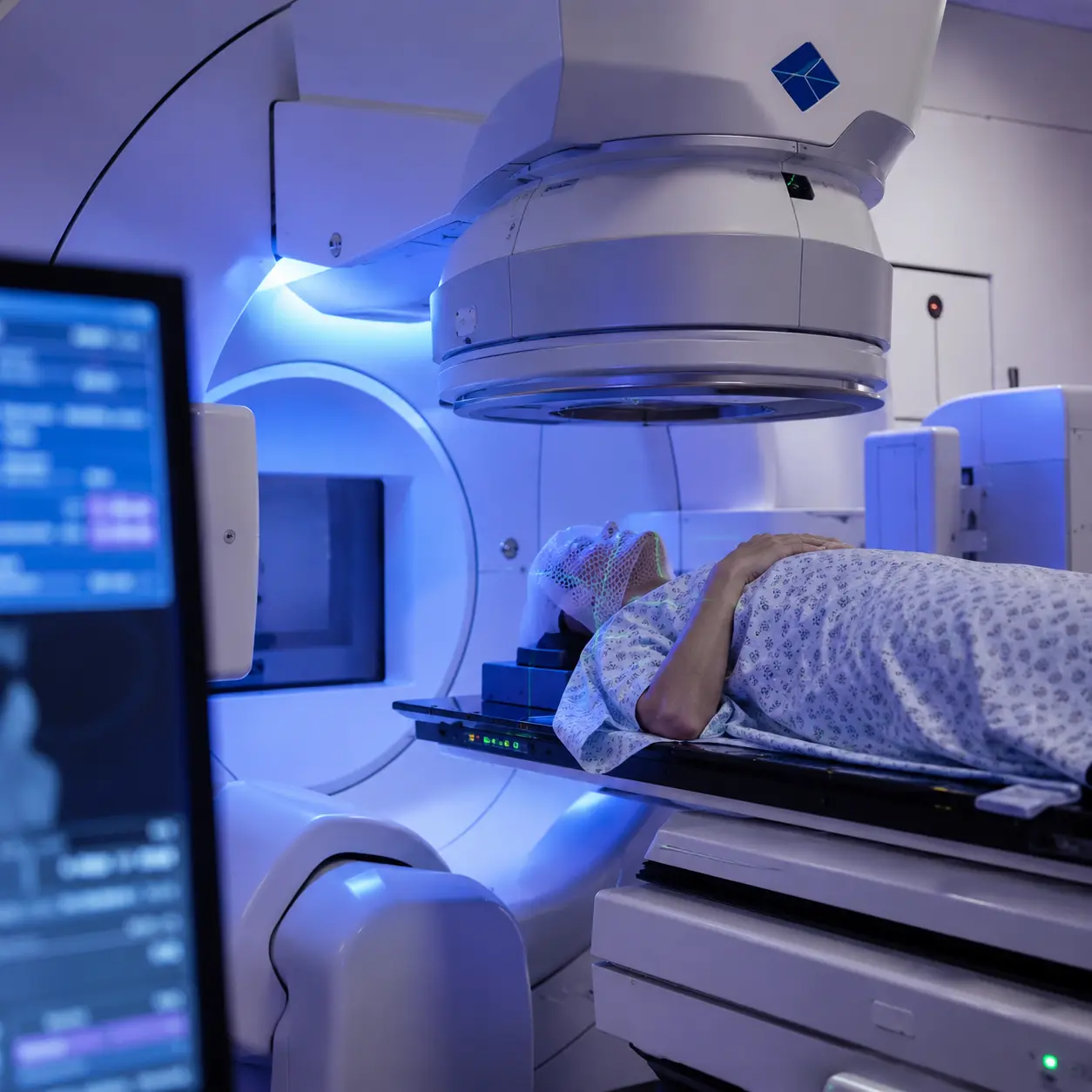
Radiation Therapy
Radiation therapy uses high-energy radiation to target cancer cells.
Immunotherapy
Immunotherapy uses treatments that help the immune system recognize or attack cancer cells.
Targeted Therapy
Targeted therapies are designed to act on specific molecular or biological features associated with certain cancers.
Hormone Therapy
Hormone therapy may be used for selected cancers whose growth is influenced by hormones.
Cellular Therapy
Selected patients with certain blood cancers may be evaluated for advanced cellular therapies such as CAR-T cell therapy.
Cancer Diagnosis and Treatment Planning for International Patients
International patients can seek cancer consultation for:
New cancer diagnoses
Complex cases
Treatment planning
Second opinions
Recurrent cancer
Advanced cancer
Rare cancers
Review of previous treatment
Patients should provide relevant medical documentation before or during the consultation whenever possible.
Documents International Patients Should Provide
Useful documents may include:
Pathology reports
Biopsy results
CT scans and reports
MRI scans and reports
PET scans and reports
Blood test results
Genetic testing
Molecular testing
Previous surgical reports
Chemotherapy records
Radiation therapy records
Current medication list
Previous oncology consultation reports
Providing complete records can help specialists perform a more informed evaluation.
Benefits of a Specialized Cancer Consultation
A specialized cancer consultation may help patients:
Better understand their diagnosis
Review available treatment options
Clarify their cancer stage
Identify additional diagnostic needs
Develop an individualized treatment plan
Obtain a second opinion
Understand potential treatment approaches
Coordinate care between multiple specialists
The exact benefits depend on the patient's individual medical condition.
Why Choose Mayo Clinic for Cancer Consultation?
Mayo Clinic provides multidisciplinary cancer care involving specialists across medical oncology, surgical oncology, radiation oncology, pathology, radiology and other areas.
For complex cases, coordinated specialist evaluation can help patients receive an individualized assessment and treatment strategy based on their diagnosis and medical history.
Cost & Price on Request
Price: Price on Request
The cost of a cancer consultation can vary depending on the complexity of the patient's case and the services required.
The overall cost may depend on:
Specialist consultation
Second-opinion review
Pathology review
Imaging review
Additional diagnostic testing
Laboratory testing
Specialist referrals
Molecular or genetic testing
Additional consultations
A personalized estimate should therefore be requested based on the patient's specific medical requirements.
Frequently Asked Questions
1. What is a cancer consultation?
A cancer consultation is a specialist evaluation in which a patient's diagnosis, medical history, test results and treatment options are reviewed to determine appropriate next steps.
2. Can I get a second opinion for cancer?
Yes. Patients with an existing cancer diagnosis can seek a specialist second opinion to review their diagnosis and treatment options.
3. What medical records should I bring?
Pathology and biopsy reports, CT/MRI/PET scans, laboratory results, previous treatment records, surgical reports and current medication information can be useful.
4. Can cancer treatment be planned during the first consultation?
In some cases, specialists may establish a treatment direction during the initial consultation. However, additional testing or pathology and imaging review may be required before a final treatment plan is made.
5. How much does a cancer consultation cost?
Price is available on request. The cost depends on the type and complexity of the patient's case and whether additional diagnostic or specialist services are required.
Product Details
Product Name: Cancer Consultation
Hospital: Mayo Clinic – Rochester
Brand: Mayo Clinic
Country: United States
Specialty: Oncology & Cancer Care
Service Type: Cancer Consultation
Dashboard Price: 0
Customer-Facing Price: Price on Request
International Patients: Available
Location: Rochester, Minnesota, USA
Related products




Chemotherapy at Mayo Clinic

Immunotherapy at Mayo Clinic



Frequently Bought Together
No frequently bought products found!
Products from this Seller
View All








Chemotherapy at Mayo Clinic
Immunotherapy at Mayo Clinic

Medical Tourism





Share with Friends
Trading is more effective when you share products with friends!Share you link
Share to