














Heart Transplant at Mayo Clinic
Heart transplantation is an advanced treatment for selected patients with severe, end-stage heart disease when other appropriate treatments are no longer effective. The procedure replaces a diseased heart with a healthy donor heart and requires comprehensive evaluation and long-term specialist care.
Price
Price on Request
Why Price on Request?
The cost of a heart transplant varies significantly according to the patient's medical condition, transplant evaluation, donor-related factors, surgery, hospitalization, intensive care, medications, follow-up monitoring and other specialized services. A personalized treatment estimate is therefore required.
Complete Description
Heart Transplant at Mayo Clinic
Heart Transplant at Mayo Clinic – Rochester is an advanced treatment option for carefully selected patients with severe heart disease and advanced heart failure when other appropriate medical, surgical or device-based treatments are no longer sufficient.
A heart transplant involves replacing a severely diseased heart with a healthy heart donated by another person.
Because transplantation is a complex process, patients undergo extensive evaluation before being considered for transplantation. After transplantation, lifelong medical follow-up and immunosuppressive medication are generally required to help prevent rejection of the transplanted heart.
What Is a Heart Transplant?
A heart transplant is a surgical procedure in which a diseased or failing heart is replaced with a healthy donor heart.
It may be considered for patients with severe heart disease when conventional treatments cannot adequately control the condition or provide an acceptable quality of life.
Heart transplantation is not usually the first treatment for heart disease. Other treatment options are considered and optimized before transplantation is recommended.
Who May Need a Heart Transplant?
Heart transplantation may be considered for selected patients with advanced heart disease such as:
End-stage heart failure
Severe cardiomyopathy
Advanced ischemic heart disease
Severe congenital heart disease
Certain serious heart valve-related conditions
Other forms of advanced heart disease that have become difficult to manage
A patient must meet specific medical criteria to be considered for transplantation.
Causes of Advanced Heart Failure That May Lead to Transplant Evaluation
Advanced heart failure can result from several cardiovascular conditions, including:
Coronary artery disease
Cardiomyopathy
Previous heart attack
Severe valve disease
Congenital heart disease
Certain inherited heart conditions
Severe rhythm disorders
Other progressive diseases affecting heart function
The underlying cause and severity of heart disease are evaluated carefully before transplant decisions are made.
Heart Transplant Evaluation
Before transplantation, patients undergo a detailed multidisciplinary evaluation.
The assessment may include:
Complete medical history
Physical examination
Blood tests
Blood group testing
Echocardiography
Electrocardiogram (ECG/EKG)
Chest imaging
Cardiac catheterization
Coronary angiography when appropriate
Pulmonary function testing
Kidney function assessment
Liver function assessment
Assessment of other medical conditions
Evaluation of nutritional status
Psychosocial assessment
The exact evaluation depends on the patient's individual condition.
Why Is a Transplant Evaluation Necessary?
A transplant evaluation helps determine:
Severity of heart disease
Overall heart function
Whether transplantation is medically appropriate
Whether other treatments remain available
Potential surgical risks
Function of other major organs
Ability to follow long-term transplant care
Overall suitability for transplantation
The evaluation is an important part of determining the safest and most appropriate treatment strategy.
Heart Transplant Procedure
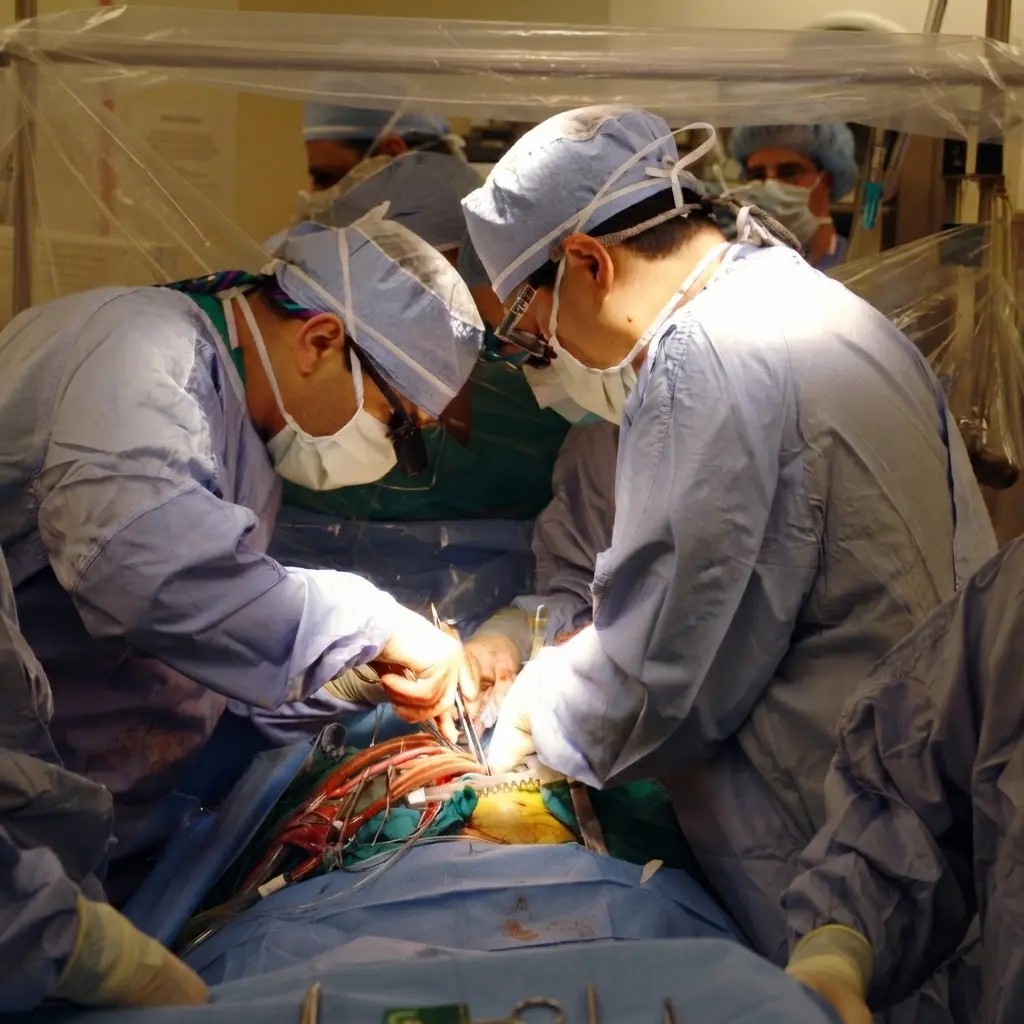
During heart transplantation, the patient receives general anesthesia.
The diseased heart is surgically removed and replaced with the donor heart.
The surgeon connects the donor heart to the major blood vessels so that blood can circulate through the transplanted heart and throughout the body.
The procedure is performed by a specialized transplant and cardiovascular surgical team.
Donor Heart Matching
A donor heart must meet specific medical requirements before transplantation.
Factors considered may include:
Blood type compatibility
Body and heart size
Medical urgency
Geographic and logistical considerations
Donor heart condition
Recipient medical status
The availability of a suitable donor heart cannot be guaranteed at a specific time.
Waiting for a Donor Heart
Patients who are considered suitable for transplantation may need to wait for an appropriate donor organ.
During the waiting period, the medical team monitors the patient's condition and may use other treatments to support heart function.
Depending on the patient's medical needs, these treatments may include:
Heart failure medications
Mechanical circulatory support
Implantable devices
Ventricular assist devices
Other advanced cardiovascular therapies
The appropriate support strategy depends on the patient's condition.
Mechanical Circulatory Support
Some patients with advanced heart failure may require mechanical circulatory support while waiting for transplantation.
A ventricular assist device (VAD) can help support the heart's ability to pump blood.
In selected patients, a VAD may be used as:
Bridge to transplantation
Long-term heart support
Support while the patient is evaluated for transplantation
Not every patient requires mechanical circulatory support.
After Heart Transplant Surgery
After transplantation, patients require close monitoring.
Postoperative care may include:
Intensive care monitoring
Heart function assessment
Blood tests
Infection monitoring
Medication management
Monitoring for rejection
Monitoring of kidney function
Blood-pressure management
Gradual physical rehabilitation
The initial recovery period takes place under close supervision by the transplant care team.
Immunosuppressive Medications
After receiving a heart transplant, patients generally need medications that suppress the immune system.
These medicines help reduce the risk that the body will reject the transplanted heart.
Immunosuppressive treatment may involve combinations of medications selected according to the patient's condition.
Because these medicines can affect the immune system and other organs, patients require regular monitoring and medication adjustments.
Heart Transplant Rejection
The immune system can recognize the transplanted heart as foreign and attempt to attack it. This is known as organ rejection.
Patients are monitored for signs of rejection through:
Clinical assessments
Blood tests
Echocardiography
Other cardiac tests
Additional investigations when medically indicated
Early detection and appropriate treatment are important components of post-transplant care.
Infection Prevention After Transplant
Immunosuppressive medications increase susceptibility to certain infections.
Patients may therefore receive guidance regarding:
Infection prevention
Hygiene
Food safety
Vaccination
Medication adherence
Monitoring for signs of infection
The transplant team provides individualized recommendations.
Recovery After Heart Transplant
Recovery varies depending on the patient's health before transplantation and postoperative course.
Recovery may involve:
Hospital monitoring
Gradual increase in physical activity
Nutritional support
Medication adjustments
Cardiac rehabilitation
Regular blood tests
Follow-up cardiac imaging
Long-term transplant clinic visits
Patients generally need ongoing medical follow-up after leaving the hospital.
Long-Term Follow-Up
Heart transplantation requires lifelong medical care.
Long-term monitoring may include:
Regular transplant clinic appointments
Blood tests
Heart imaging
Medication monitoring
Rejection surveillance
Infection monitoring
Kidney function monitoring
Blood-pressure management
Cholesterol management
Diabetes monitoring
Lifestyle and cardiovascular health management
Medication adherence and regular follow-up are essential parts of long-term transplant care.
Lifestyle After Heart Transplant
After recovery, patients may receive guidance regarding:
Healthy nutrition
Regular physical activity
Weight management
Medication adherence
Infection prevention
Smoking avoidance
Alcohol-related precautions
Regular medical appointments
The transplant team provides individualized lifestyle recommendations based on the patient's health.
Benefits of Heart Transplantation
For carefully selected patients with advanced heart disease, transplantation may:
Replace a severely failing heart
Improve heart function
Improve symptoms of advanced heart failure
Improve ability to perform daily activities
Improve quality of life
Provide an alternative when other treatments are no longer sufficient
Individual outcomes vary and depend on many medical factors.
Potential Risks and Considerations
Heart transplantation is a major and complex procedure.
Potential risks may include:
Surgical complications
Bleeding
Infection
Rejection
Blood clots
Abnormal heart rhythms
Kidney problems
Medication-related complications
Complications involving other organs
Complications associated with long-term immunosuppression
The patient's individual risks are assessed during the transplant evaluation.
When Heart Transplant May Not Be Appropriate
Not every patient with advanced heart disease is a candidate for transplantation.
Factors that may affect eligibility can include:
Severe disease affecting other major organs
Certain uncontrolled infections
Certain active cancers
Severe medical conditions that significantly increase transplant risk
Inability to safely undergo major surgery
Other factors identified during the transplant evaluation
Eligibility is determined through a comprehensive multidisciplinary assessment.
International Patients
International patients seeking heart transplant evaluation may need to provide extensive medical documentation.
Relevant records may include:
Cardiology reports
Echocardiograms
Cardiac catheterization reports
ECG/EKG results
Heart failure records
Previous cardiac surgery reports
Laboratory results
Medication list
Imaging studies
Previous hospital records
A detailed review is important because transplantation requires careful assessment of the patient's overall health and medical history.
International patients should also understand that donor-organ availability and transplant eligibility cannot be guaranteed in advance.
Why Choose Mayo Clinic for Heart Transplant Care?
Mayo Clinic provides multidisciplinary care for patients with advanced cardiovascular disease.
Heart transplant care can involve specialists from areas including:
Cardiology
Heart failure medicine
Cardiovascular surgery
Transplant medicine
Cardiac imaging
Critical care
Pharmacy
Rehabilitation
Other supporting specialties
This multidisciplinary approach allows complex patients to be evaluated and managed across different stages of transplant care.
Cost & Price on Request
Price: Price on Request
Heart transplantation involves highly specialized medical and surgical care, and the overall cost varies substantially between patients.
The total cost may include:
Initial transplant consultation
Comprehensive transplant evaluation
Diagnostic testing
Laboratory testing
Imaging
Cardiac catheterization
Surgery
Donor-related transplant services
Intensive care
Hospitalization
Medications
Immunosuppressive therapy
Post-transplant monitoring
Follow-up consultations
Rehabilitation
Other medically necessary services
For this reason, the product is listed with Price on Request, and a personalized estimate should be requested based on the patient's circumstances and treatment pathway.
Frequently Asked Questions
1. Who may need a heart transplant?
Heart transplantation may be considered for selected patients with advanced or end-stage heart disease when other appropriate treatments are no longer sufficient.
2. Does every patient with heart failure qualify for a transplant?
No. Heart transplantation is reserved for carefully selected patients who meet specific medical criteria after a comprehensive evaluation.
3. How long does a patient wait for a donor heart?
Waiting time varies and cannot be predicted for an individual patient. It depends on donor availability, compatibility, medical urgency and other transplant-related factors.
4. Will patients need medication after a heart transplant?
Yes. Heart transplant recipients generally require lifelong immunosuppressive medication and regular medical monitoring to reduce the risk of rejection and manage potential complications.
5. How much does a heart transplant cost at Mayo Clinic?
Price is available on request. The total cost depends on the transplant evaluation, surgery, hospitalization, medications, post-transplant monitoring and other medical requirements.
Product Details
Product Name: Heart Transplant
Hospital: Mayo Clinic – Rochester
Brand: Mayo Clinic
Country: United States
Specialty: Cardiology & Heart Surgery
Service Type: Organ Transplant / Cardiac Transplant
Dashboard Price: 0
Customer-Facing Price: Price on Request
International Patients: Available
Location: Rochester, Minnesota, USA
Related products








Frequently Bought Together
No frequently bought products found!
Products from this Seller
View All




Chemotherapy at Mayo Clinic

Immunotherapy at Mayo Clinic


Medical Tourism





Share with Friends
Trading is more effective when you share products with friends!Share you link
Share to