













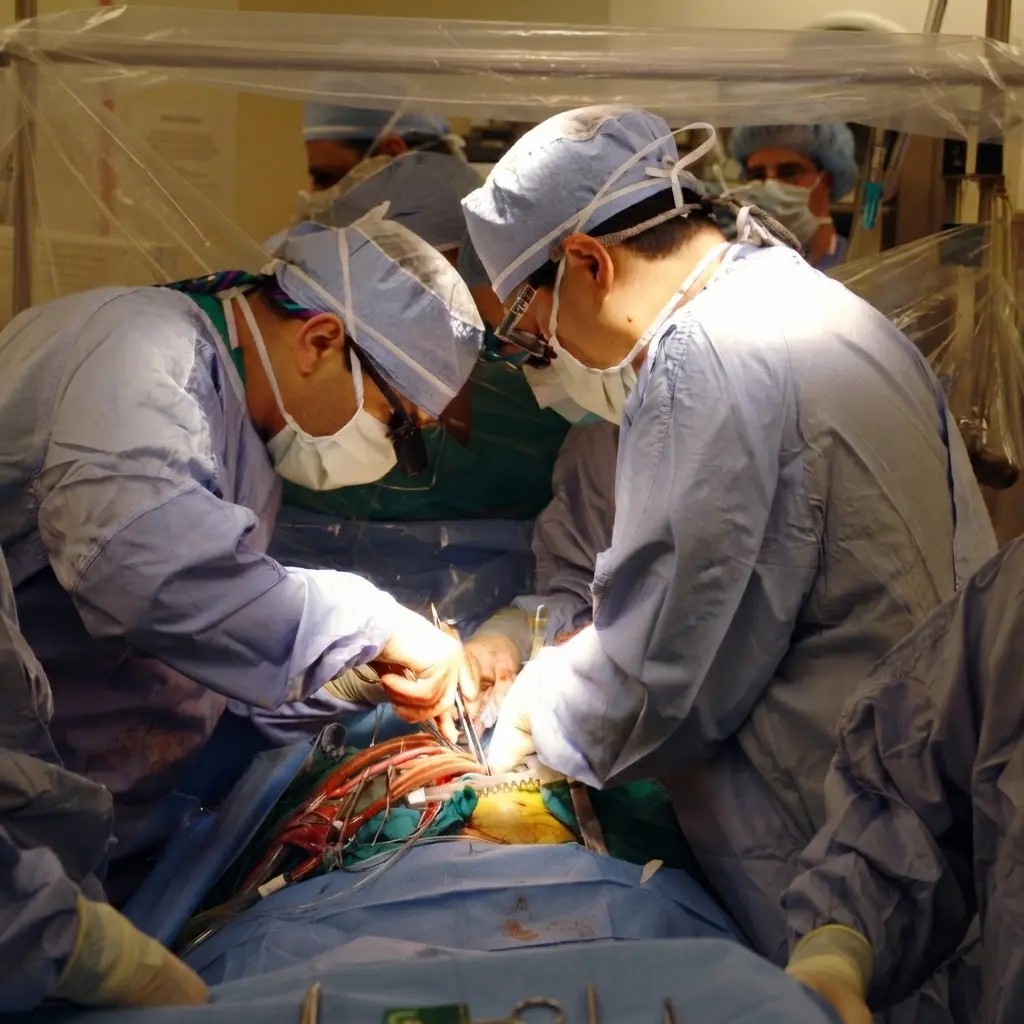
Coronary Artery Bypass Surgery at Cleveland Clinic
Coronary Artery Bypass Surgery provides specialized surgical treatment for significant coronary artery disease by creating new pathways for blood to reach the heart muscle around narrowed or blocked coronary arteries. Also known as coronary artery bypass grafting (CABG), the procedure may be recommended for selected patients with severe, complex or multiple coronary artery blockages when medication or catheter-based treatment may not provide the most appropriate option.
Price
Price on Request
Why Price on Request?
The cost of coronary artery bypass surgery depends on the severity and complexity of coronary artery disease, preoperative evaluation, cardiac imaging, surgical procedure, anesthesia, intensive care, hospitalization, medications, rehabilitation and follow-up care required. A personalized estimate is provided according to the patient's treatment plan.
Complete Description
What Is Coronary Artery Bypass Surgery?
Coronary Artery Bypass Surgery is a major heart surgery used to improve blood flow to the heart muscle when coronary arteries are significantly narrowed or blocked.
During CABG, healthy blood vessels are used to create alternative pathways around blocked coronary arteries.
The procedure may help:
Improve blood flow
Reduce angina symptoms
Improve exercise tolerance
Reduce the impact of significant coronary artery disease
Who May Need Coronary Bypass Surgery?
CABG may be considered for selected patients with:
Severe coronary artery disease
Multiple blocked coronary arteries
Significant narrowing of major coronary vessels
Complex coronary artery disease
Certain cases of left main coronary artery disease
Coronary disease that is not ideally suited to catheter-based treatment
The treatment decision is individualized.
Coronary Artery Disease Evaluation Before Surgery
Before bypass surgery, specialists may evaluate:
Coronary artery anatomy
Heart function
Symptoms
Medical history
Previous cardiac procedures
Kidney function
Diabetes
Blood pressure
Overall surgical risk
Coronary Angiography
Coronary angiography may be used to identify the location and severity of coronary artery blockages.
It can help determine:
Number of affected arteries
Location of blockages
Severity of narrowing
Suitability for bypass surgery
Cardiac Imaging
Additional testing may include:
Echocardiography
Cardiac CT
Cardiac MRI
Chest imaging
Other specialized cardiovascular studies
Heart Function Assessment
Heart function may be assessed before surgery using:
Echocardiography
ECG
Stress testing
Other cardiac tests
The assessment helps determine the patient's surgical and cardiovascular condition.
Types of Coronary Bypass Surgery
CABG may involve:
Single bypass
Double bypass
Triple bypass
Multiple bypass grafts
The number of bypasses depends on the number and location of significant coronary blockages.
Blood Vessels Used for Bypass
Surgeons may use blood vessels from different parts of the body to create bypass grafts.
Potential graft sources include:
Internal mammary arteries
Radial arteries
Saphenous veins
The choice depends on the patient's anatomy and surgical requirements.
Internal Mammary Artery Grafts
The internal mammary artery is commonly used for selected coronary bypass procedures.
It may be particularly useful for bypassing important coronary vessels.
Radial Artery Grafts
The radial artery from the forearm may be used as a bypass graft in selected patients.
Its use depends on:
Blood vessel anatomy
Circulation in the arm
Overall health
Surgical planning
Saphenous Vein Grafts
The saphenous vein from the leg may also be used to create bypass grafts.
The appropriate graft strategy is selected according to individual patient needs.
Multiple-Vessel Coronary Artery Disease
Patients with disease affecting several coronary arteries may require multiple bypass grafts.
The surgical plan is based on:
Coronary anatomy
Heart function
Severity of disease
Overall medical condition
Complex Coronary Artery Disease
CABG may be considered for selected patients with complex coronary disease that may be difficult to treat with catheter-based procedures.
Complex disease may involve:
Multiple blockages
Severe calcification
Difficult coronary anatomy
Chronic total occlusions
Previous unsuccessful interventions
Coronary Bypass and Diabetes
Patients with diabetes may have extensive or complex coronary artery disease.
The cardiac team may consider:
Blood glucose control
Coronary anatomy
Heart function
Kidney function
Surgical risk
Treatment is individualized for each patient.
Coronary Bypass After Heart Attack
Some patients may require bypass surgery following a heart attack, depending on the extent of coronary disease and clinical condition.
Treatment may be performed urgently or after stabilization according to medical circumstances.
Coronary Bypass With Other Heart Surgery
In selected patients, CABG may be performed together with other cardiac procedures.
Combined surgery may include:
Heart valve surgery
Aortic surgery
Other structural heart procedures
Coronary Bypass Surgery Procedure
During CABG, the patient receives general anesthesia.
The surgical team creates bypass grafts that route blood around blocked or narrowed coronary arteries.
The exact surgical approach depends on:
Number of blocked arteries
Coronary anatomy
Heart function
Previous cardiac surgery
Overall health
On-Pump Coronary Bypass Surgery
Some CABG procedures are performed using a heart-lung machine to temporarily support circulation while the surgeon operates on the heart.
The approach is selected according to the patient's condition and surgical requirements.
Off-Pump Coronary Bypass Surgery
Selected patients may be candidates for off-pump bypass surgery, in which the surgeon performs the bypass while the heart continues beating.
Not every patient is suitable for this approach.
Minimally Invasive Coronary Bypass
Selected patients may qualify for less invasive coronary bypass techniques.
Eligibility depends on:
Coronary anatomy
Number of affected vessels
Surgical complexity
Overall health
Postoperative Intensive Care
After CABG, patients are closely monitored for:
Heart rhythm
Blood pressure
Breathing
Bleeding
Kidney function
Heart function
Signs of infection
Recovery After Coronary Bypass Surgery
Recovery varies depending on the complexity of surgery and patient's health.
Postoperative care may include:
Gradual physical activity
Medication management
Incision care
Nutrition
Heart rhythm monitoring
Cardiac rehabilitation
Cardiac Rehabilitation
Cardiac rehabilitation can support recovery after bypass surgery.
It may include:
Supervised exercise
Cardiovascular conditioning
Strength training
Lifestyle education
Risk-factor management
Medication After Bypass Surgery
Following CABG, patients may require medications to help manage:
Blood pressure
Cholesterol
Blood clot risk
Heart disease
Other cardiovascular risk factors
Medication requirements vary according to individual health needs.
Long-Term Follow-Up
Long-term follow-up may include monitoring of:
Heart function
Blood pressure
Cholesterol
Diabetes
Symptoms
Exercise tolerance
Graft and coronary health
Lifestyle Management After CABG
Patients may be advised to focus on:
Heart-healthy nutrition
Regular physical activity
Weight management
Smoking cessation
Blood pressure control
Cholesterol management
Diabetes management
Coronary Bypass Surgery Second Opinion
Patients who have been advised to undergo bypass surgery may seek a CABG second opinion.
Specialists may review:
Coronary angiograms
Cardiac imaging
Stress tests
Echocardiograms
Medical records
Previous procedures
Proposed surgical plan
International Patients
International patients should provide relevant cardiovascular records whenever possible.
Useful documents may include:
Coronary angiography
Cardiac CT
Echocardiograms
ECG reports
Stress test results
Laboratory reports
Previous cardiac procedure reports
Current medication list
Benefits of Specialized Coronary Bypass Surgery
Specialized CABG care may help:
Improve blood flow to the heart
Treat severe coronary artery disease
Reduce angina symptoms
Manage complex coronary blockages
Provide treatment for selected multivessel disease
Support recovery after heart attack
Improve cardiovascular function in appropriately selected patients
Provide multidisciplinary surgical care
Support long-term cardiac rehabilitation
Provide complex coronary disease second opinions
Why Choose Cleveland Clinic for Coronary Artery Bypass Surgery?
Cleveland Clinic provides multidisciplinary cardiovascular care involving cardiac surgeons, cardiologists, interventional cardiologists, cardiovascular imaging specialists, anesthesiologists, nurses and rehabilitation professionals.
Depending on the patient's condition, care may include advanced coronary evaluation, bypass surgery, intensive postoperative monitoring, medication management and cardiac rehabilitation.
Cost & Price on Request
Price: Price on Request
The total cost of coronary artery bypass surgery depends on the complexity of coronary disease and the treatment required.
Potential costs may include:
Cardiology consultation
Preoperative evaluation
Coronary angiography
Cardiac imaging
Laboratory testing
CABG surgery
Anesthesia
Intensive care
Hospitalization
Medications
Cardiac rehabilitation
Follow-up consultations
A personalized cost estimate should be requested according to the patient's individual surgical plan.
Frequently Asked Questions
1. What is coronary artery bypass surgery?
CABG is a surgical procedure that creates new blood-flow pathways around narrowed or blocked coronary arteries.
2. Who may need bypass surgery?
CABG may be considered for selected patients with severe, complex or multiple coronary artery blockages, particularly when other treatment approaches may not be appropriate.
3. How many bypasses can be performed?
Depending on the coronary anatomy, surgery may involve one, two, three or multiple bypass grafts.
4. How long is recovery after bypass surgery?
Recovery varies according to the complexity of surgery and overall health. Cardiac rehabilitation can support a gradual return to normal activities.
5. How much does coronary bypass surgery cost?
Price is available on request. The final cost depends on preoperative testing, surgery, hospitalization, intensive care, medications, rehabilitation and follow-up care.
Product Details
Product Name: Coronary Artery Bypass Surgery
Hospital: Cleveland Clinic
Brand: Cleveland Clinic
Country: United States
Specialty: Cardiology & Heart Surgery
Service Type: Coronary Artery Bypass Surgery
Customer-Facing Price: Price on Request
International Patients: Available
Location: Cleveland, Ohio, USA
Related products








Frequently Bought Together
No frequently bought products found!
Products from this Seller
View All



Chemotherapy at Mayo Clinic

Immunotherapy at Mayo Clinic

Medical Tourism





Share with Friends
Trading is more effective when you share products with friends!Share you link
Share to