













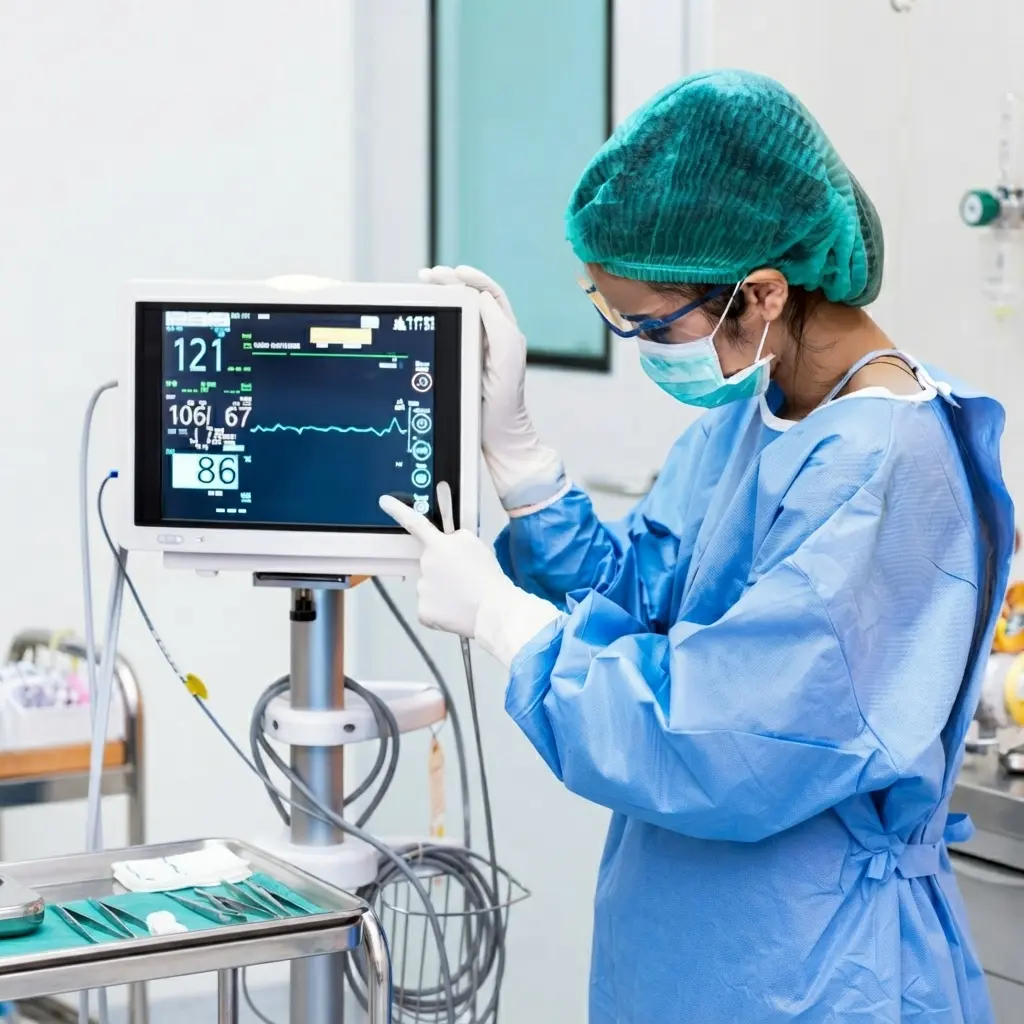
Heart Rhythm Treatment at Cleveland Clinic
Heart Rhythm Treatment provides specialized evaluation and treatment for abnormal heart rhythms, also known as arrhythmias, which can affect the rate or regularity of the heartbeat. Treatment is individualized according to the type of rhythm disorder, symptoms, underlying heart condition, medical history and overall cardiovascular health. Depending on the patient's condition, treatment may include medications, catheter-based procedures, cardioversion, ablation, pacemaker implantation or other specialized cardiac therapies.
Price
Price on Request
Why Price on Request?
The cost of heart rhythm treatment depends on the type of arrhythmia, specialist consultation, diagnostic testing, electrophysiology studies, medications, catheter-based procedures, ablation, device implantation, hospitalization and follow-up care required. A personalized estimate is provided according to the patient's treatment plan.
Complete Description
What Is Heart Rhythm Treatment?
Heart Rhythm Treatment focuses on diagnosing and managing abnormalities in the electrical system of the heart.
Heart rhythm disorders may cause the heart to beat:
Too fast
Too slowly
Irregularly
With abnormal electrical patterns
Treatment depends on the specific rhythm disorder and the patient's overall cardiovascular condition.
Types of Heart Rhythm Disorders
Heart rhythm specialists may evaluate and treat:
Atrial fibrillation
Atrial flutter
Supraventricular tachycardia
Ventricular tachycardia
Bradycardia
Premature heartbeats
Other complex arrhythmias
Heart Rhythm Evaluation
A comprehensive evaluation may include:
Medical history
Symptom assessment
Physical examination
ECG
Heart rhythm monitoring
Echocardiography
Blood testing
Electrophysiology evaluation when appropriate
Electrocardiogram (ECG)
An ECG records the electrical activity of the heart.
It may help identify:
Abnormal heart rhythms
Heart rate abnormalities
Electrical conduction problems
Certain structural or cardiovascular conditions
Heart Rhythm Monitoring
Longer-term monitoring may be recommended when an arrhythmia does not occur continuously.
Monitoring options may include:
Holter monitoring
Event monitoring
Extended rhythm monitoring
Implantable monitoring devices
The appropriate method depends on the patient's symptoms and suspected rhythm disorder.
Atrial Fibrillation Treatment
Atrial fibrillation (AFib) is an irregular heart rhythm that can increase the risk of blood clots and stroke.
Treatment may focus on:
Controlling heart rate
Restoring or maintaining normal rhythm
Reducing stroke risk
Managing underlying cardiovascular conditions
Atrial Flutter Treatment
Atrial flutter is an abnormal rhythm originating in the upper chambers of the heart.
Treatment may include:
Medications
Cardioversion
Catheter ablation
Other rhythm management strategies
Supraventricular Tachycardia Treatment
Supraventricular tachycardia can cause episodes of unusually rapid heartbeat.
Depending on the specific rhythm, treatment may involve:
Medication
Vagal maneuvers
Cardioversion
Catheter ablation
Ventricular Arrhythmia Treatment
Ventricular arrhythmias originate in the lower chambers of the heart and may require specialized evaluation.
Treatment depends on:
Type of arrhythmia
Heart function
Underlying heart disease
Risk of serious complications
Bradycardia Treatment
Bradycardia occurs when the heart rate is unusually slow.
Treatment may involve:
Observation
Medication adjustment
Evaluation of electrical conduction
Pacemaker implantation when clinically appropriate
Heart Palpitation Evaluation
Patients experiencing palpitations may undergo evaluation to determine whether symptoms are caused by:
Arrhythmia
Premature heartbeats
Abnormal heart rate
Other cardiovascular conditions
Electrophysiology Study
An electrophysiology study (EPS) is a specialized procedure used to evaluate the electrical activity of the heart.
It may help identify:
The source of an arrhythmia
Abnormal electrical pathways
Appropriate treatment options
Catheter Ablation
Catheter ablation is a minimally invasive procedure used to treat selected heart rhythm disorders.
During the procedure, specialized catheters are used to identify and treat abnormal electrical tissue.
Ablation may be considered for certain:
Atrial fibrillation
Atrial flutter
Supraventricular tachycardias
Other selected arrhythmias
Cardioversion
Cardioversion may be used to restore a normal heart rhythm in selected patients.
It may involve:
Electrical cardioversion
Medication-based rhythm conversion
The appropriate approach depends on the specific arrhythmia and patient's condition.
Pacemaker Treatment
A pacemaker may be recommended for selected patients with significant slow heart rhythms or electrical conduction disorders.
A pacemaker can help maintain an appropriate heart rate.
Implantable Cardioverter-Defibrillator
An implantable cardioverter-defibrillator (ICD) may be considered for selected patients at risk of dangerous ventricular arrhythmias.
The device can monitor the heart rhythm and provide therapy when certain life-threatening rhythms occur.
Cardiac Resynchronization Therapy
Selected patients with certain forms of heart failure and electrical conduction abnormalities may benefit from cardiac resynchronization therapy (CRT).
CRT is designed to help coordinate the contractions of the heart's lower chambers.
Heart Rhythm Treatment and Heart Failure
Arrhythmias and heart failure may occur together.
Treatment may focus on:
Controlling abnormal rhythms
Improving heart function
Managing medications
Reducing cardiovascular complications
Evaluating device-based treatment when appropriate
Heart Rhythm Treatment After Heart Surgery
Some patients may develop rhythm abnormalities following cardiac surgery.
Specialized rhythm evaluation may help determine whether the arrhythmia requires:
Monitoring
Medication
Cardioversion
Ablation
Device treatment
Stroke Prevention in Atrial Fibrillation
Certain patients with atrial fibrillation have an increased risk of stroke.
Treatment may include assessment of stroke risk and appropriate preventive therapy according to individual medical factors.
Complex Heart Rhythm Disorders
Patients with difficult-to-treat arrhythmias may require multidisciplinary evaluation.
Care may involve:
Electrophysiologists
Cardiologists
Cardiac surgeons
Cardiovascular imaging specialists
Other cardiovascular professionals
Heart Rhythm Treatment Planning
Treatment planning may consider:
Type of arrhythmia
Frequency of episodes
Symptoms
Heart structure
Heart function
Previous treatments
Medications
Overall health
Post-Treatment Monitoring
After treatment, patients may require ongoing monitoring of:
Heart rhythm
Heart rate
Symptoms
Medication response
Device function
Heart function
Recovery After Heart Rhythm Procedures
Recovery depends on the treatment performed.
Patients may require:
Temporary activity restrictions
Medication management
Wound or catheter-site care
Rhythm monitoring
Follow-up appointments
Long-Term Heart Rhythm Management
Long-term management may include:
Regular cardiology follow-up
ECG testing
Rhythm monitoring
Medication adjustment
Device checks
Lifestyle management
Heart Rhythm Second Opinion
Patients who have received a recommendation for ablation, pacemaker implantation, ICD placement or other rhythm treatment may seek a heart rhythm second opinion.
Specialists may review:
ECGs
Holter monitor results
Echocardiograms
Electrophysiology reports
Previous procedures
Medical records
Proposed treatment plans
International Patients
International patients should provide relevant cardiovascular records whenever possible.
Useful documents may include:
ECG reports
Holter monitoring results
Echocardiograms
Cardiac imaging
Electrophysiology reports
Previous ablation records
Device information
Current medication list
Benefits of Specialized Heart Rhythm Treatment
Specialized rhythm care may help:
Diagnose abnormal heart rhythms
Control heart rate
Restore normal rhythm when appropriate
Reduce symptoms
Treat selected arrhythmias with catheter ablation
Provide pacemaker or ICD treatment when indicated
Reduce complications associated with certain rhythm disorders
Monitor complex arrhythmias
Provide specialized rhythm second opinions
Support long-term cardiovascular care
Why Choose Cleveland Clinic for Heart Rhythm Treatment?
Cleveland Clinic provides multidisciplinary heart rhythm care involving electrophysiologists, cardiologists, cardiac surgeons, cardiovascular imaging specialists and other healthcare professionals.
Depending on the patient's condition, treatment may include medications, electrophysiology studies, catheter ablation, cardioversion, pacemaker implantation, ICD therapy or other specialized rhythm management.
Cost & Price on Request
Price: Price on Request
The total cost of heart rhythm treatment depends on the type of arrhythmia and treatment required.
Potential costs may include:
Electrophysiology consultation
ECG
Heart rhythm monitoring
Echocardiography
Electrophysiology study
Catheter ablation
Cardioversion
Pacemaker implantation
ICD implantation
Hospitalization
Medications
Device monitoring
Follow-up consultations
A personalized cost estimate should be requested according to the patient's individual treatment plan.
Frequently Asked Questions
1. What heart rhythm problems can be treated?
Heart rhythm specialists may treat atrial fibrillation, atrial flutter, supraventricular tachycardia, ventricular arrhythmias, bradycardia and other abnormal heart rhythms.
2. Can heart rhythm disorders be treated without surgery?
Yes. Depending on the arrhythmia, treatment may include medications, cardioversion, catheter ablation or monitoring without open-heart surgery.
3. What is catheter ablation?
Catheter ablation is a minimally invasive procedure that uses specialized catheters to identify and treat abnormal electrical tissue responsible for certain arrhythmias.
4. When is a pacemaker needed?
A pacemaker may be recommended for selected patients with significant slow heart rhythms or electrical conduction disorders.
5. How much does heart rhythm treatment cost?
Price is available on request. The final cost depends on evaluation, diagnostic testing, medications, procedures, device treatment, hospitalization and follow-up care.
Product Details
Product Name: Heart Rhythm Treatment
Hospital: Cleveland Clinic
Brand: Cleveland Clinic
Country: United States
Specialty: Cardiology & Heart Surgery
Service Type: Heart Rhythm Treatment
Customer-Facing Price: Price on Request
International Patients: Available
Location: Cleveland, Ohio, USA
Related products




Frequently Bought Together
No frequently bought products found!
Products from this Seller
View All


Chemotherapy at Mayo Clinic

Immunotherapy at Mayo Clinic

Medical Tourism





Share with Friends
Trading is more effective when you share products with friends!Share you link
Share to