













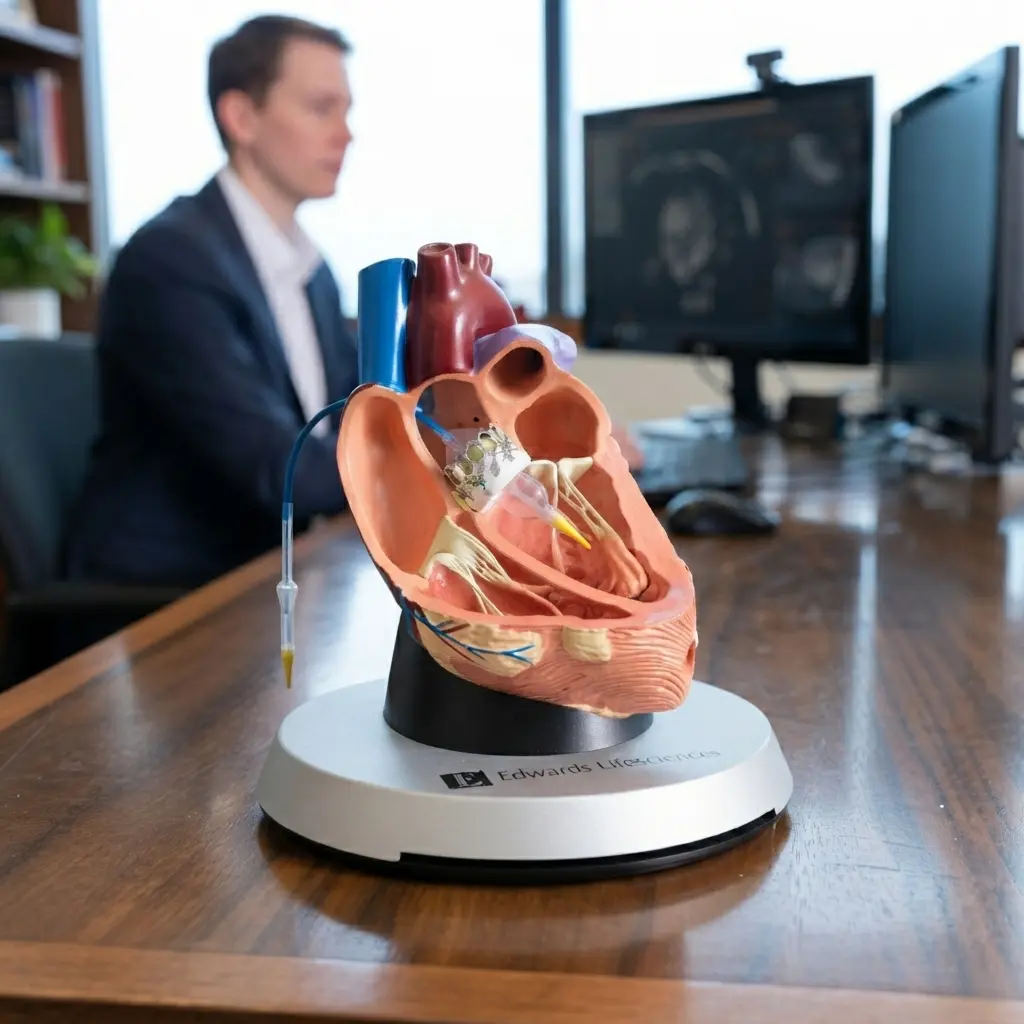
Heart Valve Surgery at Mayo Clinic
Advanced surgical treatment for heart valve disease at Mayo Clinic, designed to repair or replace damaged heart valves and improve blood flow through the heart based on the patient's condition, valve problem and overall cardiovascular health.
Price
Price on Request
Why Price on Request?
The cost of heart valve surgery varies according to the type and severity of valve disease, surgical approach, diagnostic testing, hospital stay, specialist care, medications and other medical requirements. A personalized cost estimate is therefore required.
Complete Description
Heart Valve Surgery at Mayo Clinic
Heart Valve Surgery at Mayo Clinic – Rochester is a specialized treatment option for patients whose heart valve disease significantly affects blood flow through the heart or cannot be adequately managed with medication and monitoring alone.
Heart valve disease can occur when one or more valves become narrowed, fail to close properly, or develop structural abnormalities. Depending on the type and severity of the condition, surgery may involve repairing the patient's own valve or replacing it with a prosthetic valve.
Mayo Clinic's cardiovascular specialists evaluate the patient's symptoms, valve structure, heart function and overall health to determine the most appropriate treatment approach.
What Is Heart Valve Surgery?
Heart valve surgery is performed to treat a damaged or diseased heart valve.
The heart has four valves:
Aortic valve
Mitral valve
Tricuspid valve
Pulmonary valve
These valves help blood move through the heart in the correct direction.
When a valve becomes narrowed or does not close properly, the heart may have to work harder to pump blood. Surgery can help correct significant valve problems and restore more effective blood flow.
Types of Heart Valve Disease
Heart valve surgery may be considered for conditions such as:
Aortic valve stenosis
Aortic valve regurgitation
Mitral valve stenosis
Mitral valve regurgitation
Tricuspid valve disease
Pulmonary valve disease
Congenital valve abnormalities
Degenerative valve disease
Infective endocarditis-related valve damage
Severe or progressive valve dysfunction
The appropriate treatment depends on the specific valve affected and the severity of the disease.
Heart Valve Repair
Whenever appropriate, surgeons may repair the patient's own valve rather than replace it.
Valve repair may involve techniques designed to:
Restore normal valve movement
Correct abnormal valve structure
Improve valve closure
Reduce abnormal blood leakage
Improve blood flow
Preserve the patient's own valve tissue
Valve repair is particularly relevant for selected patients with mitral or other valve disorders.
Whether repair is possible depends on the anatomy and severity of the valve disease.
Heart Valve Replacement
When a valve cannot be adequately repaired, replacement may be recommended.
A damaged valve can be replaced with a prosthetic valve designed to restore proper blood flow through the heart.
Valve replacement may involve:
Mechanical heart valve
Biological/tissue heart valve
Other specialized prosthetic valve options
The choice of valve depends on factors such as age, medical history, valve type, lifestyle, other medical conditions and the treating team's recommendations.
Aortic Valve Surgery
Aortic valve surgery is used to treat significant disease affecting the aortic valve.
It may be considered for patients with:
Severe aortic stenosis
Significant aortic regurgitation
Damaged or abnormal aortic valve
Certain congenital aortic valve conditions
Other serious aortic valve disorders
Depending on the patient's condition, treatment may involve surgical valve repair or replacement.
Mitral Valve Surgery
Mitral valve surgery may be performed to treat significant mitral valve disease.
Treatment may involve:
Mitral valve repair
Mitral valve replacement
Surgical correction of abnormal valve structure
Other specialized mitral valve procedures
Mitral valve repair can sometimes preserve the patient's own valve when the anatomy is suitable.
Tricuspid Valve Surgery
Tricuspid valve surgery may be considered when significant tricuspid valve disease affects heart function or produces important symptoms.
Depending on the condition, treatment may involve:
Tricuspid valve repair
Tricuspid valve replacement
Surgical treatment performed alongside another cardiac procedure
Diagnostic Evaluation Before Surgery
Before heart valve surgery, patients generally undergo detailed cardiovascular evaluation.
Depending on the clinical situation, assessment may include:
Echocardiogram
Transesophageal echocardiogram
Electrocardiogram (ECG/EKG)
Chest imaging
Cardiac CT
Cardiac MRI
Cardiac catheterization
Coronary angiography
Blood tests
Heart rhythm monitoring
Assessment of overall heart function
These evaluations help the cardiovascular team understand the valve problem and determine the most appropriate treatment strategy.
Echocardiography
Echocardiography is an important part of evaluating heart valve disease.
It can provide information about:
Valve structure
Valve movement
Blood flow
Valve narrowing
Valve leakage
Heart chamber size
Heart pumping function
Different types of echocardiography may be used depending on the patient's condition.
Surgical Approach
The surgical approach depends on the valve involved, severity of disease, patient's anatomy, previous procedures and overall health.
Possible approaches may include:
Traditional open-heart surgery
Minimally invasive cardiac surgery
Valve repair
Valve replacement
Combined valve and coronary procedures when clinically necessary
The surgical team determines the most appropriate technique after comprehensive evaluation.
Minimally Invasive Valve Surgery
Selected patients may be candidates for minimally invasive surgical approaches.
Compared with conventional open surgery, minimally invasive techniques may use smaller incisions in appropriate cases.
Potential advantages can include:
Smaller surgical incisions
Reduced tissue disruption
Potentially shorter recovery
Reduced postoperative discomfort in selected cases
Not every patient is eligible for a minimally invasive approach. The decision depends on individual anatomy and medical circumstances.
Transcatheter Valve Procedures
Some patients with certain valve conditions may be candidates for catheter-based treatment rather than conventional surgery.
Depending on the specific valve problem, procedures such as transcatheter aortic valve replacement may be considered.
The suitability of a transcatheter procedure depends on the patient's condition, anatomy, risk profile and multidisciplinary cardiovascular assessment.
Who May Need Heart Valve Surgery?
Surgery may be considered for patients with:
Severe valve narrowing
Severe valve leakage
Progressive valve disease
Significant symptoms caused by valve disease
Reduced heart function
Structural valve abnormalities
Certain congenital valve conditions
Valve disease associated with other cardiac conditions
Valve infection causing significant structural damage
Not every patient with valve disease requires surgery. Some patients may be managed with regular monitoring and medication.
Symptoms of Significant Heart Valve Disease
Patients with significant valve disease may experience:
Shortness of breath
Chest discomfort
Fatigue
Dizziness
Fainting
Swelling of the legs or ankles
Reduced exercise tolerance
Rapid or irregular heartbeat
The presence and severity of symptoms vary between patients.
Benefits of Heart Valve Surgery
When appropriately recommended, heart valve surgery may help:
Improve blood flow through the heart
Correct significant valve dysfunction
Reduce symptoms
Improve heart function
Improve physical activity tolerance
Prevent worsening of certain valve conditions
Address structural abnormalities of the heart valve
Outcomes vary depending on the patient's condition, type of surgery and overall health.
Preparation Before Surgery
Before surgery, patients may undergo medical and cardiovascular assessments.
Preparation may include:
Review of medical history
Medication review
Blood tests
Cardiac imaging
ECG
Echocardiography
Assessment of other medical conditions
Preoperative anesthesia evaluation
Instructions regarding medications
Instructions regarding eating and drinking before surgery
Patients should follow the specific instructions provided by their medical team.
Recovery After Heart Valve Surgery
Recovery varies according to the type of procedure and the patient's overall health.
Postoperative care may involve:
Monitoring in the hospital
Medication management
Wound care
Activity guidance
Cardiac rehabilitation
Follow-up appointments
Repeat cardiac imaging
Long-term valve monitoring
Patients who receive mechanical valves may require long-term anticoagulation, depending on the individual situation.
Long-Term Follow-Up
Patients who undergo valve surgery may require ongoing cardiovascular follow-up.
Follow-up can include:
Echocardiography
Heart function assessment
Medication review
Monitoring of prosthetic valve function
Assessment of symptoms
Cardiovascular risk management
The recommended follow-up schedule depends on the type of valve procedure and the patient's individual condition.
International Patients
International patients seeking heart valve surgery may undergo an initial review of their medical records and previous cardiac investigations.
Relevant documents may include:
Echocardiogram reports
Cardiac imaging
ECG/EKG results
Cardiac catheterization reports
Previous surgical reports
Medication list
Laboratory results
Previous cardiology consultations
A comprehensive evaluation helps determine whether surgical treatment or another valve procedure may be appropriate.
Why Choose Mayo Clinic for Heart Valve Surgery?
Mayo Clinic provides multidisciplinary cardiovascular care involving cardiologists, cardiovascular surgeons and other specialists.
Patients with complex valve disease may benefit from coordinated evaluation involving specialists with expertise in valve disorders, cardiac imaging, interventional cardiology and cardiovascular surgery.
The treatment approach is selected according to the patient's specific valve condition, anatomy, symptoms and overall cardiovascular health.
Cost & Price on Request
Price: Price on Request
Heart valve surgery does not have one universal price.
The total treatment cost may depend on:
Initial consultation
Diagnostic investigations
Echocardiography
Cardiac imaging
Specialist consultations
Surgical procedure
Valve prosthesis, when required
Anesthesia
Hospital stay
Intensive care, if required
Medications
Postoperative monitoring
Cardiac rehabilitation
Additional medically necessary services
For this reason, patients should request a personalized treatment cost estimate based on their recommended care plan.
Frequently Asked Questions
1. What conditions can heart valve surgery treat?
Heart valve surgery may treat significant aortic, mitral, tricuspid or pulmonary valve disease, including severe narrowing, leakage and certain structural or congenital valve abnormalities.
2. Is heart valve repair better than valve replacement?
The appropriate option depends on the patient's valve anatomy and medical condition. When a durable repair is possible, repairing the patient's own valve may be considered; otherwise, valve replacement may be recommended.
3. How long does recovery take after heart valve surgery?
Recovery varies according to the procedure, patient's health and whether conventional or minimally invasive surgery is performed. The medical team provides individualized recovery instructions.
4. Are minimally invasive valve procedures available?
Selected patients may be candidates for minimally invasive surgical or catheter-based valve procedures. Suitability depends on the patient's anatomy, valve condition and overall health.
5. How much does heart valve surgery cost at Mayo Clinic?
Price is available on request. The final cost depends on the type of valve problem, procedure required, diagnostic testing, hospitalization and other medical needs.
Product Details
Product Name: Heart Valve Surgery
Hospital: Mayo Clinic – Rochester
Brand: Mayo Clinic
Country: United States
Specialty: Cardiology & Heart Surgery
Service Type: Cardiac Surgery
Dashboard Price: 0
Customer-Facing Price: Price on Request
International Patients: Available
Location: Rochester, Minnesota, USA
Related products





Frequently Bought Together
No frequently bought products found!
Products from this Seller
View All




Chemotherapy at Mayo Clinic

Immunotherapy at Mayo Clinic


Medical Tourism





Share with Friends
Trading is more effective when you share products with friends!Share you link
Share to