












Bone Marrow / Stem Cell Transplant at Mayo Clinic
Short Description
Bone Marrow / Stem Cell Transplant is an advanced treatment that replaces damaged or diseased blood-forming stem cells with healthy stem cells. It may be used for selected blood cancers, bone marrow disorders and other serious hematologic conditions.
Price: Price on Request
Why Price on Request?
The cost of a bone marrow or stem cell transplant varies depending on the patient's diagnosis, transplant type, donor requirements, conditioning treatment, stem-cell collection, hospitalization, laboratory monitoring and post-transplant care. A personalized cost estimate is therefore required.
Complete Description
Bone Marrow / Stem Cell Transplant at Mayo Clinic
Bone Marrow / Stem Cell Transplant at Mayo Clinic – Rochester is a specialized treatment used for selected patients with serious diseases affecting the blood, bone marrow or immune system.
The procedure involves replacing diseased, damaged or abnormal blood-forming stem cells with healthy stem cells.
Depending on the patient's condition, the transplant may use the patient's own stem cells (autologous transplant) or stem cells from a compatible donor (allogeneic transplant).
Stem cell transplantation requires extensive evaluation, preparation and follow-up by a specialized multidisciplinary team.
What Is a Stem Cell Transplant?
A stem cell transplant replaces blood-forming stem cells that have been damaged by disease or intensive treatment.
Blood-forming stem cells normally develop into:
Red blood cells
White blood cells
Platelets
A successful transplant can help restore the body's ability to produce healthy blood cells.
What Is a Bone Marrow Transplant?
A bone marrow transplant is a type of stem cell transplant in which healthy blood-forming stem cells are used to restore bone marrow function.
Although the terms bone marrow transplant and stem cell transplant are often used interchangeably, stem cells may be collected from the bloodstream rather than directly from bone marrow.
Types of Stem Cell Transplant
The two major types include:
Autologous stem cell transplant
Allogeneic stem cell transplant
The appropriate transplant type depends on the patient's disease and treatment plan.
Autologous Stem Cell Transplant
In an autologous transplant, the patient's own stem cells are collected before intensive treatment and stored for later use.
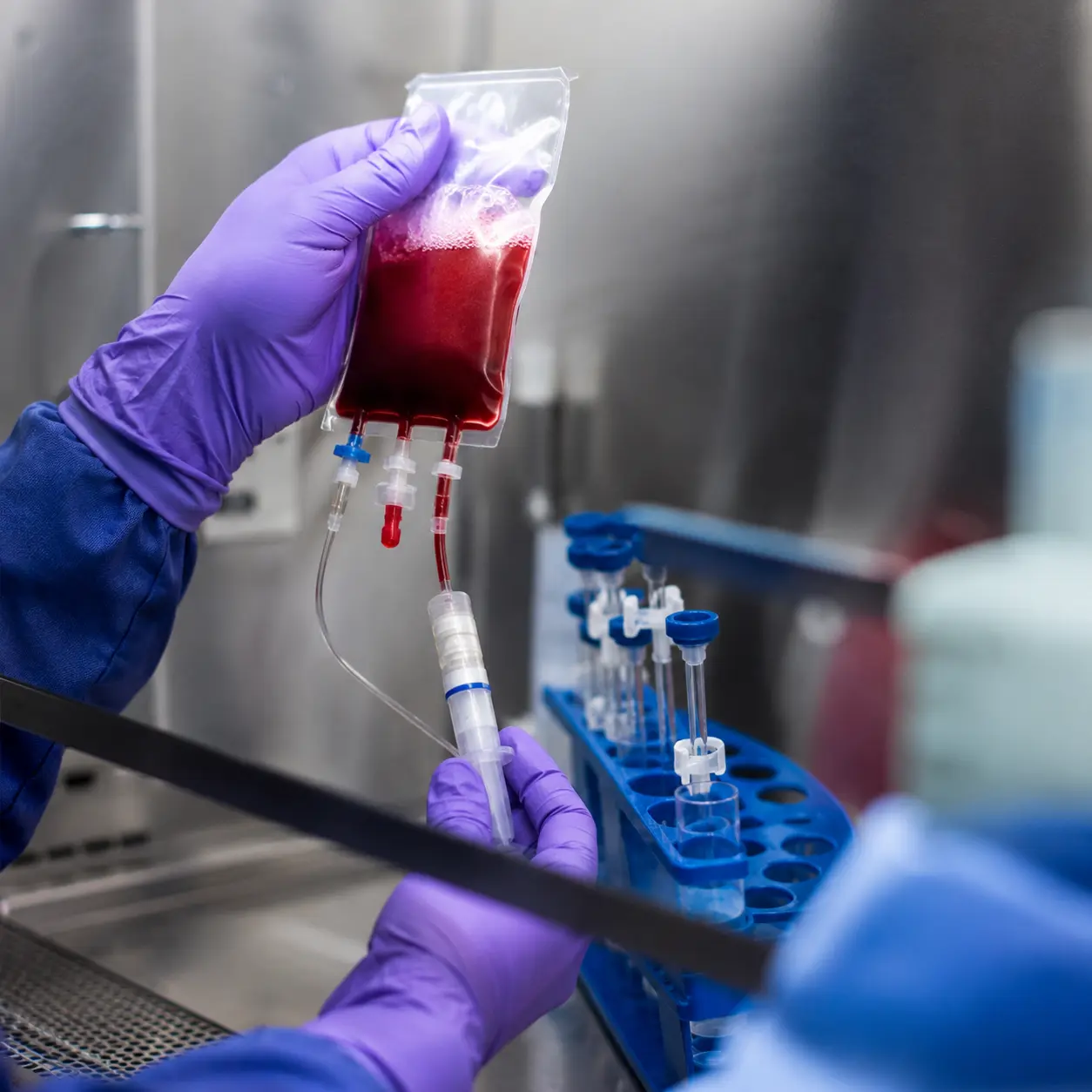
After the patient receives the required conditioning treatment, the stored stem cells are returned to the body through an intravenous infusion.
Autologous transplantation may be used for selected cancers and blood disorders.
Allogeneic Stem Cell Transplant
In an allogeneic transplant, stem cells are obtained from a donor.
The donor may be:
A matched sibling
Another compatible family member
An unrelated donor
Another appropriate donor source
Matching and donor compatibility are important considerations in allogeneic transplantation.
Diseases Treated With Stem Cell Transplant
Stem cell transplantation may be considered for selected:
Leukemias
Lymphomas
Multiple myeloma
Myelodysplastic syndromes
Other blood cancers
Bone marrow disorders
Selected immune-system disorders
Other serious hematologic conditions
Eligibility depends on the specific disease and patient's overall medical condition.
Stem Cell Transplant for Leukemia
Stem cell transplantation may be used for selected patients with certain forms of acute or high-risk leukemia.
The treatment approach depends on:
Leukemia type
Disease status
Previous treatments
Patient's overall health
Donor availability
Other clinical factors
Stem Cell Transplant for Lymphoma
Selected patients with lymphoma may undergo stem cell transplantation, particularly when disease has returned or has not responded adequately to previous treatment.
The transplant approach depends on the specific lymphoma and previous therapies.
Stem Cell Transplant for Multiple Myeloma
Autologous stem cell transplantation is an established treatment option for selected patients with multiple myeloma.
The patient's own stem cells may be collected before intensive treatment and returned afterward to help restore blood-cell production.
Patient Evaluation
Before transplantation, patients undergo a comprehensive evaluation.
Assessment may include:
Complete medical history
Physical examination
Blood tests
Bone marrow examination
Imaging
Organ-function testing
Infection screening
Disease-status evaluation
Previous treatment review
The evaluation helps determine whether transplantation is an appropriate treatment option.
Stem Cell Collection
For an autologous transplant, the patient's stem cells are collected before conditioning treatment.
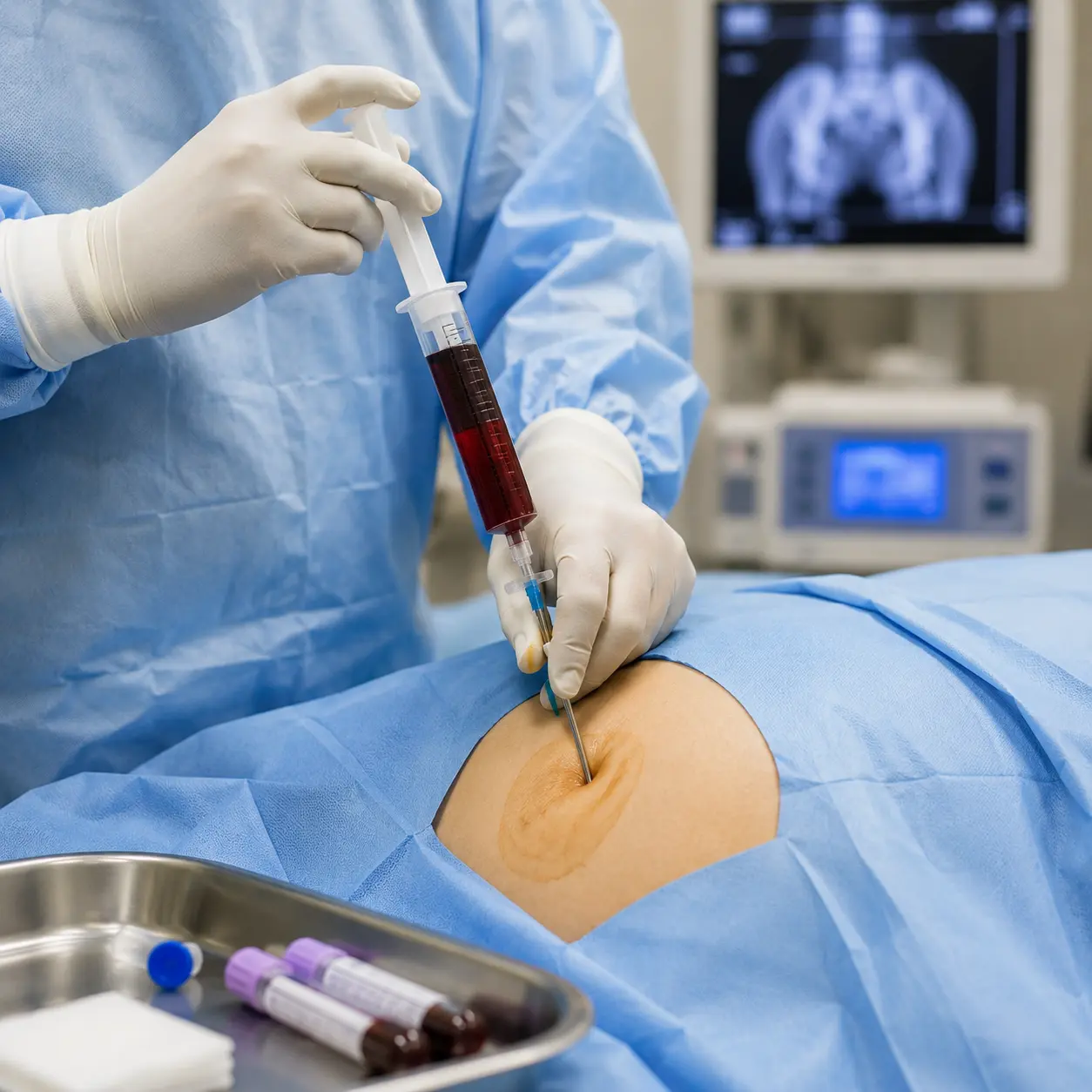
Stem-cell collection commonly involves apheresis, during which blood is circulated through a specialized machine that collects blood-forming stem cells.
The remaining blood components are returned to the patient.
Donor Evaluation and Matching
For an allogeneic transplant, specialists identify a suitable donor.
Donor evaluation may involve:
HLA typing
Medical evaluation
Infectious-disease screening
Blood testing
Donor health assessment
A suitable donor is selected according to established medical and compatibility criteria.
Conditioning Treatment
Before stem cells are infused, patients may receive conditioning therapy.
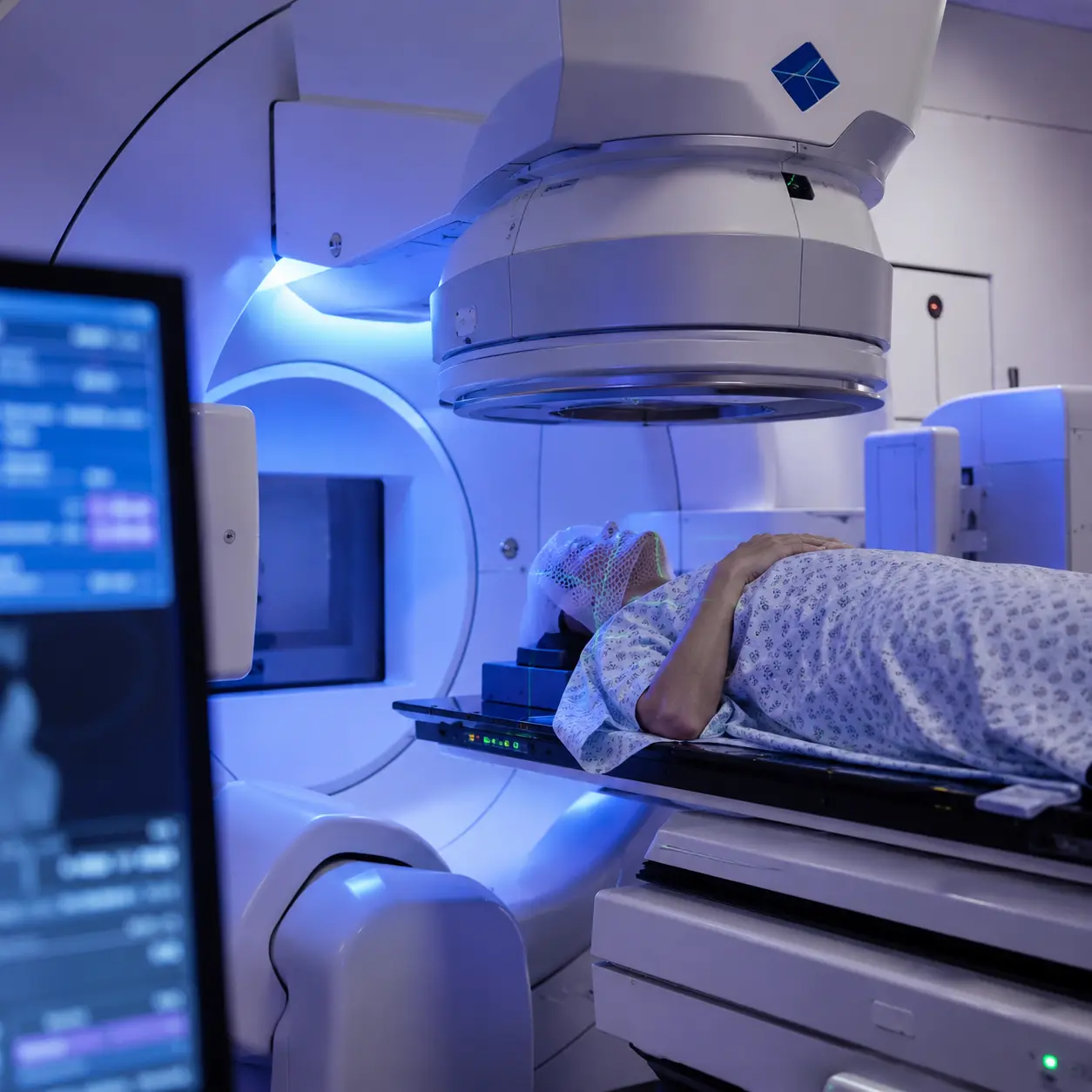
Conditioning may involve chemotherapy, radiation therapy or a combination of treatments.
Its purpose may include:
Destroying abnormal blood-forming cells
Reducing cancer cells
Suppressing the immune system
Preparing the bone marrow for the transplanted cells
The conditioning approach varies according to the disease and transplant type.
Stem Cell Infusion
After conditioning, the collected stem cells are administered through an intravenous infusion.
The transplanted stem cells travel through the bloodstream and eventually settle in the bone marrow, where they can begin producing new blood cells.
Engraftment
Engraftment occurs when transplanted stem cells begin producing new blood cells.
During this period, patients are closely monitored because blood counts may initially remain low.
Medical teams monitor:
White blood cells
Red blood cells
Platelets
Infection risk
Organ function
Other transplant-related complications
Post-Transplant Monitoring
After transplantation, patients require close medical follow-up.
Monitoring may include:
Frequent blood tests
Infection monitoring
Blood-count monitoring
Organ-function testing
Medication management
Disease-response assessment
Bone marrow evaluation when appropriate
Follow-up continues for an extended period after transplantation.
Potential Risks and Complications
Stem cell transplantation is an intensive treatment and may involve significant risks.
Potential complications include:
Infections
Low blood-cell counts
Bleeding
Fatigue
Nausea
Organ-related complications
Infusion-related reactions
Graft-versus-host disease in allogeneic transplantation
Other transplant-related complications
The specific risks vary according to the transplant type, disease and patient's health.
Graft-Versus-Host Disease
Graft-versus-host disease (GVHD) is a potential complication of allogeneic stem cell transplantation.
It occurs when donor immune cells recognize the recipient's tissues as foreign and attack them.
GVHD may affect organs such as:
Skin
Liver
Gastrointestinal tract
Other tissues
Specialists closely monitor allogeneic transplant recipients for signs of GVHD.
Infection Prevention
Patients may have weakened immune systems during and after transplantation.
The medical team may use:
Infection monitoring
Preventive medications
Protective precautions
Blood-count monitoring
Vaccination planning when appropriate
Regular follow-up
Patients may require special precautions during the recovery period.
Recovery After Transplant
Recovery varies from patient to patient.
During recovery, patients may require:
Frequent laboratory testing
Medication management
Infection monitoring
Nutritional support
Regular specialist appointments
Disease-response monitoring
Long-term follow-up
The recovery period depends on the transplant type and patient's individual condition.
Multidisciplinary Transplant Care
Stem cell transplantation requires coordinated care from multiple specialists.
The team may include:
Hematologists
Medical oncologists
Transplant physicians
Pathologists
Infectious-disease specialists
Pharmacists
Oncology nurses
Laboratory specialists
Nutrition professionals
Other healthcare professionals
This multidisciplinary approach helps manage the complex stages of transplantation.
International Patients
International patients seeking stem cell transplantation may need to provide detailed medical records before evaluation.
Useful documents may include:
Pathology reports
Bone marrow biopsy reports
Blood test results
Imaging reports
Molecular and genetic testing
Previous chemotherapy records
Previous radiation records
Previous transplant records
Current medication list
Disease-response information
A complete medical history can help specialists evaluate treatment options more effectively.
Benefits of Bone Marrow / Stem Cell Transplant
For appropriately selected patients, stem cell transplantation may:
Replace damaged or diseased blood-forming stem cells
Support recovery of healthy blood-cell production
Provide an important treatment option for selected blood cancers
Offer a potential treatment for certain marrow disorders
Enable intensive treatment for selected diseases
Provide a potential curative approach for some patients
The expected outcome depends on the disease, transplant type, patient health and other clinical factors.
Why Choose Mayo Clinic for Stem Cell Transplant?
Mayo Clinic provides specialized care for complex blood cancers and hematologic conditions through multidisciplinary teams involving hematology, oncology, transplantation and other medical specialties.
Patients may receive coordinated evaluation, transplant planning, treatment and long-term follow-up according to their individual condition.
Cost & Price on Request
Price: Price on Request
Bone marrow and stem cell transplantation does not have one fixed price because the treatment involves multiple stages and services.
The total cost may depend on:
Specialist consultation
Transplant evaluation
Stem-cell collection
Donor evaluation
HLA testing
Conditioning treatment
Stem-cell processing
Stem-cell infusion
Hospitalization
Laboratory monitoring
Medications
Infection management
GVHD management when required
Follow-up care
Additional specialist services
A personalized cost estimate should therefore be requested after specialist evaluation.
Frequently Asked Questions
1. What is a stem cell transplant?
A stem cell transplant replaces damaged or diseased blood-forming stem cells with healthy stem cells to help restore normal blood-cell production.
2. What is the difference between autologous and allogeneic transplantation?
An autologous transplant uses the patient's own stem cells, while an allogeneic transplant uses stem cells obtained from a suitable donor.
3. Which cancers can be treated with stem cell transplantation?
Stem cell transplantation may be used for selected leukemias, lymphomas, multiple myeloma and other blood or bone marrow disorders.
4. How are stem cells collected?
Stem cells may be collected from the bloodstream using apheresis or obtained through other specialized collection procedures depending on the transplant plan.
5. How much does a bone marrow or stem cell transplant cost?
Price is available on request. The cost depends on the transplant type, patient evaluation, stem-cell collection, conditioning treatment, hospitalization, monitoring and follow-up care.
Product Details
Product Name: Bone Marrow / Stem Cell Transplant
Hospital: Mayo Clinic – Rochester
Brand: Mayo Clinic
Country: United States
Specialty: Oncology & Cancer Care
Service Type: Bone Marrow / Stem Cell Transplant
Dashboard Price: 0
Customer-Facing Price: Price on Request
International Patients: Available
Location: Rochester, Minnesota, USA
Related products





Chemotherapy at Mayo Clinic

Immunotherapy at Mayo Clinic

Frequently Bought Together
No frequently bought products found!
Products from this Seller
View All






Chemotherapy at Mayo Clinic
Immunotherapy at Mayo Clinic
Medical Tourism





Share with Friends
Trading is more effective when you share products with friends!Share you link
Share to