













Immunotherapy at Mayo Clinic
Immunotherapy is an advanced cancer treatment that helps the body's immune system recognize and fight cancer cells. Depending on the cancer, immunotherapy may be used alone or together with chemotherapy, radiation therapy, surgery, targeted therapy or other cancer treatments.
Price
Price on Request
Why Price on Request?
The cost of immunotherapy varies according to the type and stage of cancer, immunotherapy medication, treatment frequency, number of treatment cycles, diagnostic testing, monitoring and the patient's individual medical condition. A personalized cost estimate is therefore required.
Complete Description
Immunotherapy at Mayo Clinic
Immunotherapy at Mayo Clinic – Rochester provides specialized cancer treatment that uses the body's immune system to recognize and respond to cancer cells.
Cancer cells can sometimes avoid detection by the immune system. Immunotherapy works through different mechanisms to help the immune system identify, attack or control cancer cells.
Depending on the cancer and individual circumstances, immunotherapy may be used as a primary treatment, after another treatment, before surgery, after surgery or in combination with other cancer therapies.
What Is Immunotherapy?
Immunotherapy is a type of cancer treatment that helps the immune system fight cancer.
Unlike some treatments that directly target cancer cells, immunotherapy can work by activating, strengthening or redirecting immune responses against cancer.
Immunotherapy may be considered for selected:
Breast cancers
Lung cancers
Melanoma
Kidney cancers
Bladder cancers
Head and neck cancers
Liver cancers
Colorectal cancers
Lymphomas
Other cancers
Eligibility depends on the individual cancer and its biological characteristics.
How Immunotherapy Works
The immune system naturally identifies and removes abnormal cells. However, cancer cells can develop mechanisms that allow them to avoid immune detection.
Some immunotherapies work by blocking signals that prevent immune cells from attacking cancer.
Other approaches may help stimulate or redirect immune cells toward cancer cells.
The exact mechanism depends on the specific immunotherapy being used.
Types of Cancer Immunotherapy
Cancer immunotherapy includes several different approaches.
These may include:
Immune checkpoint inhibitors
Cancer vaccines for selected situations
Cell-based immunotherapies
Monoclonal antibodies
Other immune-based cancer treatments
The appropriate treatment depends on the patient's cancer type and treatment requirements.
Immune Checkpoint Inhibitors
Immune checkpoint inhibitors are medications that block certain proteins involved in regulating immune responses.
Blocking these signals can help immune cells recognize and attack cancer cells more effectively.
Checkpoint inhibitors may be used for selected cancers based on the patient's diagnosis and relevant biomarkers.
Monoclonal Antibodies
Some monoclonal antibodies are designed to recognize specific proteins or targets associated with cancer cells.
Depending on the medication, monoclonal antibodies may:
Help the immune system identify cancer cells
Block signals that promote cancer growth
Deliver treatment directly toward specific cancer targets
Support other immune-mediated effects
Their use depends on the specific cancer and treatment indication.
Cell-Based Immunotherapy
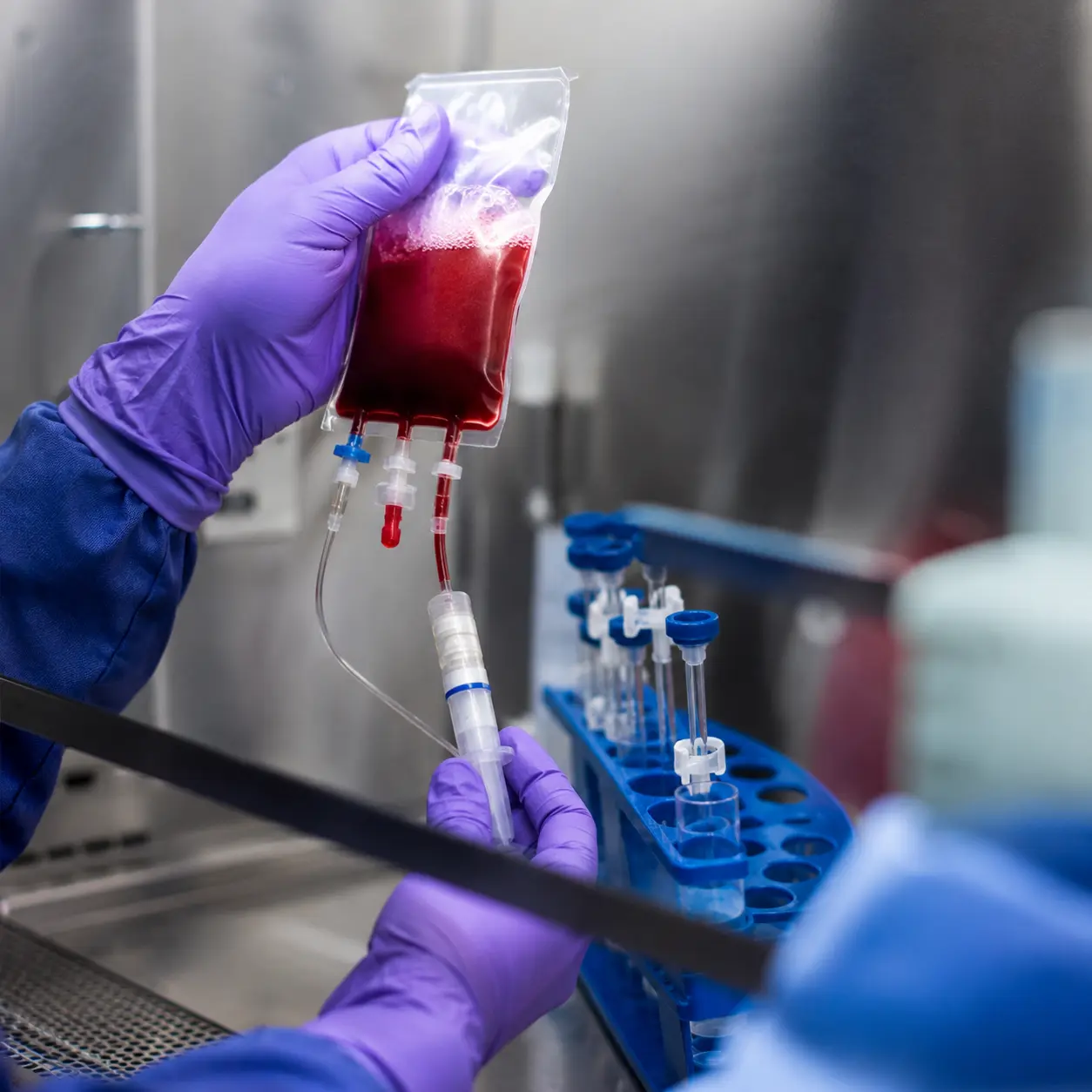
Some cancer treatments use modified or specially prepared immune cells to target cancer.
One important example is CAR-T cell therapy, which is used for selected blood cancers.
The patient's immune cells are collected and specially modified to recognize certain cancer cells before being returned to the patient.
CAR-T cell therapy is a specialized treatment and is appropriate only for selected patients.
Immunotherapy for Different Types of Cancer
Immunotherapy may be used for selected cases of:
Melanoma
Lung cancer
Kidney cancer
Bladder cancer
Head and neck cancers
Liver cancer
Colorectal cancer
Breast cancer
Lymphoma
Other cancers with appropriate treatment indications
The availability and suitability of immunotherapy depend on the cancer's characteristics.
Biomarker Testing Before Immunotherapy
For some cancers, biomarker testing can help determine whether immunotherapy may be appropriate.
Testing may evaluate:
Tumor biomarkers
Protein expression
Genetic alterations
Molecular characteristics
Other biological features
The results may help specialists determine whether a patient is likely to benefit from a particular immunotherapy.
Immunotherapy Before Surgery
In selected cancers, immunotherapy may be given before surgery.
This is sometimes referred to as neoadjuvant immunotherapy.
Depending on the cancer, treatment before surgery may help stimulate an immune response against the tumor and may be combined with other treatments.
Not every patient is eligible for preoperative immunotherapy.
Immunotherapy After Surgery
Immunotherapy may also be used after surgery in selected cancers.
This may help reduce the risk of recurrence in patients for whom postoperative immunotherapy is clinically appropriate.
The decision depends on the cancer type, stage and other individual factors.
Combination Immunotherapy
Some patients may receive combinations of immune-based treatments or immunotherapy together with other cancer therapies.
Possible combinations may include:
Immunotherapy + chemotherapy
Immunotherapy + targeted therapy
Immunotherapy + radiation therapy
Other specialized treatment combinations
Combination treatment is selected according to the patient's diagnosis and treatment plan.
Immunotherapy for Advanced Cancer
Immunotherapy may be used to treat selected patients with:
Advanced cancer
Metastatic cancer
Recurrent cancer
Cancer that cannot be treated effectively with surgery alone
Treatment may aim to control cancer, slow disease progression, reduce tumor burden or improve long-term disease control when clinically appropriate.
Immunotherapy Treatment Planning
Before immunotherapy begins, specialists may review:
Cancer diagnosis
Cancer stage
Pathology results
Imaging studies
Biomarker results
Previous cancer treatments
Current medications
Overall health
Organ function
Previous immune-related conditions
This information helps the oncology team determine the most appropriate treatment strategy.
Immunotherapy Treatment Cycles
Immunotherapy is often administered according to a scheduled treatment cycle.
Depending on the medication, treatment may be administered:
Every few weeks
At other scheduled intervals
For a specific number of cycles
Until disease progression
Until unacceptable side effects occur
The treatment schedule varies according to the medication and cancer type.
Administration of Immunotherapy
Many immunotherapy medications are administered through an intravenous infusion.
The treatment duration can vary depending on the medication.
Patients are monitored during treatment and may receive follow-up assessments to evaluate their response and identify possible side effects.
Monitoring During Immunotherapy
Regular monitoring is an important part of immunotherapy treatment.
Monitoring may include:
Blood tests
Imaging
Physical examinations
Organ-function testing
Assessment of treatment response
Monitoring for immune-related side effects
Treatment may be modified or paused when medically necessary.
Potential Side Effects
Because immunotherapy activates or modifies the immune system, it can sometimes cause the immune system to affect healthy tissues.
Possible side effects may include:
Fatigue
Skin rash
Itching
Fever
Diarrhea
Nausea
Changes in thyroid function
Liver inflammation
Lung inflammation
Other immune-related reactions
The type and severity of side effects vary between patients and treatments.
Managing Immune-Related Side Effects
The oncology team carefully monitors patients receiving immunotherapy.
Depending on the severity and type of reaction, management may include:
Temporary treatment interruption
Symptom management
Additional laboratory testing
Specialist evaluation
Corticosteroid treatment when medically indicated
Other appropriate medical interventions
Patients should promptly report new or unusual symptoms to their healthcare team.
Immunotherapy and Personalized Cancer Care
Immunotherapy is not suitable for every cancer or every patient.
Treatment decisions may consider:
Cancer type
Cancer stage
Tumor biomarkers
Previous treatment
Overall health
Organ function
Potential benefits and risks
This allows specialists to develop a more individualized treatment approach.
Multidisciplinary Cancer Care
Immunotherapy may be coordinated with other cancer specialists, including:
Medical oncologists
Surgical oncologists
Radiation oncologists
Pathologists
Radiologists
Oncology nurses
Pharmacists
Genetic and molecular specialists
Other healthcare professionals
A multidisciplinary approach helps coordinate diagnosis, treatment and monitoring.
International Patients
International patients seeking immunotherapy may be asked to provide their complete cancer records for specialist review.
Useful documents may include:
Pathology reports
Biopsy reports
CT scans
MRI scans
PET scans
Blood test results
Biomarker testing
Molecular testing
Previous chemotherapy records
Previous immunotherapy records
Radiation treatment records
Surgical reports
Current medication list
Previous treatment information can help specialists determine appropriate next steps.
Benefits of Immunotherapy
When clinically appropriate, immunotherapy may:
Activate the immune system against cancer
Provide an additional treatment option for selected cancers
Help control advanced or metastatic cancer
Be combined with other cancer treatments
Provide durable responses in some patients
Support personalized cancer treatment based on biomarkers
The expected benefits vary according to the patient's cancer and treatment plan.
Why Choose Mayo Clinic for Immunotherapy?
Mayo Clinic provides multidisciplinary cancer care involving specialists in medical oncology, pathology, radiology, surgery, radiation oncology and other cancer-related fields.
Patients with complex cancers may benefit from coordinated evaluation of pathology, imaging, biomarkers and previous treatment history when considering immunotherapy.
Cost & Price on Request
Price: Price on Request
Immunotherapy does not have one fixed price because treatment requirements vary between patients.
The total cost may depend on:
Oncology consultation
Immunotherapy medication
Number of treatment cycles
Treatment duration
Infusion services
Biomarker testing
Laboratory monitoring
Imaging
Supportive medications
Management of treatment-related side effects
Additional specialist services
A personalized cost estimate should therefore be requested according to the patient's diagnosis and treatment plan.
Frequently Asked Questions
1. What is immunotherapy used for?
Immunotherapy helps the immune system recognize and fight cancer and may be used for selected cancers depending on the patient's diagnosis and tumor characteristics.
2. Is immunotherapy the same as chemotherapy?
No. Chemotherapy directly uses anticancer medicines to damage or destroy cancer cells, while immunotherapy works primarily by helping the immune system recognize and respond to cancer.
3. Is immunotherapy suitable for every cancer patient?
No. The suitability of immunotherapy depends on the cancer type, stage, biomarkers, previous treatment and overall health of the patient.
4. How is immunotherapy administered?
Many immunotherapy medications are given through an intravenous infusion, although the method depends on the specific treatment.
5. How much does immunotherapy cost?
Price is available on request. The total cost depends on the immunotherapy medication, number of treatment cycles, monitoring, diagnostic testing and other required medical services.
Product Details
Product Name: Immunotherapy
Hospital: Mayo Clinic – Rochester
Brand: Mayo Clinic
Country: United States
Specialty: Oncology & Cancer Care
Service Type: Immunotherapy
Dashboard Price: 0
Customer-Facing Price: Price on Request
International Patients: Available
Location: Rochester, Minnesota, USA
Related products





Chemotherapy at Mayo Clinic

Immunotherapy at Mayo Clinic


Frequently Bought Together
No frequently bought products found!
Products from this Seller
View All








Chemotherapy at Mayo Clinic
Immunotherapy at Mayo Clinic

Medical Tourism





Share with Friends
Trading is more effective when you share products with friends!Share you link
Share to