













Coronary Artery Bypass Surgery (CABG) at Mayo Clinic
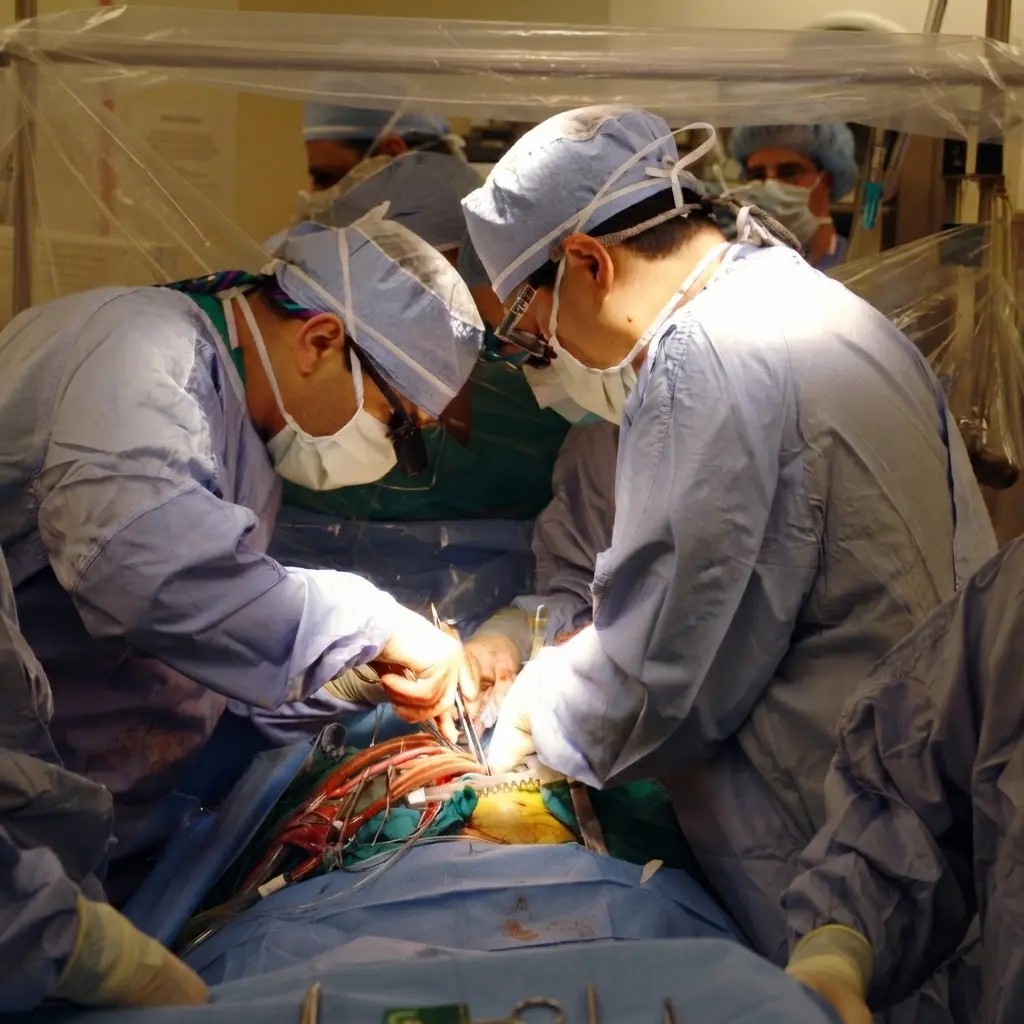
Coronary artery bypass surgery (CABG) is a surgical treatment for significant coronary artery disease that creates new pathways for blood to flow around narrowed or blocked coronary arteries.
Price
Price on Request
Why Price on Request?
The cost of coronary artery bypass surgery varies depending on the number and location of blocked arteries, surgical complexity, diagnostic testing, hospital stay, intensive care requirements, medications, specialist services and the patient's overall medical condition. A personalized treatment estimate is therefore required.
Complete Description
Coronary Artery Bypass Surgery at Mayo Clinic
Coronary artery bypass grafting (CABG) at Mayo Clinic – Rochester is an advanced cardiac surgery used to improve blood flow to the heart when coronary arteries have become significantly narrowed or blocked.
Coronary artery disease occurs when plaque builds up inside the coronary arteries, restricting blood flow to the heart muscle. In patients with extensive or complex coronary artery disease, bypass surgery may be recommended when surgery is considered more appropriate than other treatment approaches.
During CABG, a healthy blood vessel from another part of the patient's body is used to create a new pathway around a blocked or narrowed coronary artery. This allows blood to reach the heart muscle through the bypass graft.
What Is CABG?
CABG stands for Coronary Artery Bypass Grafting.
It is a surgical procedure that creates an alternative route for blood flow around one or more blocked or narrowed coronary arteries.
The surgeon may use a blood vessel taken from the:
Chest
Arm
Leg
The selected vessel is connected above and below the blocked section of the coronary artery, creating a bypass for blood flow.
Who May Need Coronary Bypass Surgery?
CABG may be considered for patients with:
Severe coronary artery disease
Multiple significantly narrowed coronary arteries
Significant blockage of an important coronary artery
Coronary artery disease that is not adequately controlled with medication
Complex coronary artery anatomy
Persistent angina despite appropriate treatment
Certain patients with diabetes and extensive coronary disease
Coronary artery disease affecting heart function
Certain patients who are not suitable candidates for angioplasty or stenting
The decision to perform CABG depends on detailed cardiovascular evaluation and the patient's individual risk profile.
Symptoms That May Lead to CABG Evaluation
Patients with significant coronary artery disease may experience:
Chest pain or pressure
Shortness of breath
Fatigue
Reduced exercise tolerance
Dizziness
Sweating associated with chest discomfort
Pain that may spread to the arm, shoulder, jaw or back
Some patients can have serious coronary artery disease without significant symptoms, particularly when risk factors or previous cardiac investigations indicate substantial disease.
Evaluation Before CABG
Before bypass surgery, the cardiovascular team performs a detailed assessment to understand the patient's coronary anatomy and overall health.
Evaluation may include:
Medical history
Physical examination
Electrocardiogram (ECG/EKG)
Echocardiogram
Stress testing
Cardiac CT
Coronary CT angiography
Cardiac catheterization
Coronary angiography
Blood tests
Kidney function assessment
Assessment of lung function when appropriate
Evaluation of other medical conditions
The exact tests required depend on the patient's clinical situation.
Coronary Angiography
Coronary angiography is commonly used to identify the location and severity of coronary artery blockages.
During the procedure, a catheter is guided through a blood vessel toward the heart. Contrast material may then be introduced so that the coronary arteries can be visualized on imaging.
The results help the cardiovascular team understand:
Number of affected arteries
Location of blockages
Severity of narrowing
Coronary artery anatomy
Whether bypass surgery or another treatment approach may be appropriate
How CABG Is Performed
During conventional CABG, the patient receives general anesthesia.
A healthy blood vessel is harvested from another part of the body and used as a graft.
The surgeon then creates a new route for blood to travel around the blocked portion of the coronary artery.
Depending on the patient's condition, one or several bypass grafts may be required.
The number of bypasses depends on the number and location of coronary arteries requiring treatment.
Types of Bypass Grafts
Different blood vessels can be used for bypass grafting.
Common graft sources include:
Internal mammary artery
Radial artery
Saphenous vein
The choice of graft depends on the patient's coronary anatomy, medical history and surgical plan.
Single, Double, Triple and Multiple Bypass Surgery
The number of bypasses refers to the number of coronary arteries or branches receiving bypass grafts.
Examples include:
Single bypass: One coronary artery requires bypass.
Double bypass: Two coronary arteries require bypass.
Triple bypass: Three coronary arteries require bypass.
Multiple bypass: Several coronary vessels require bypass.
The number of bypasses does not by itself determine the seriousness of a patient's overall condition. The location and severity of the coronary disease are also important.
On-Pump CABG
Traditional CABG may use a heart-lung bypass machine, also called cardiopulmonary bypass.
The machine temporarily performs the functions of the heart and lungs during the surgical portion of the procedure, allowing the surgeon to operate on a relatively still heart.
This approach is commonly known as on-pump CABG.
Off-Pump CABG
In selected patients, surgeons may perform off-pump coronary artery bypass surgery.
With this approach, the heart continues beating while specialized surgical equipment helps stabilize the area being treated.
Not every patient is suitable for off-pump surgery. The surgical approach depends on coronary anatomy, overall health and the surgeon's assessment.
Minimally Invasive Coronary Bypass
Selected patients may be considered for less invasive approaches to coronary bypass surgery.
These approaches may use smaller surgical access points in appropriate circumstances.
Suitability depends on:
Coronary anatomy
Number and location of blockages
Previous cardiac procedures
Overall health
Surgical risk
Experience and assessment of the cardiac surgical team
CABG vs. Angioplasty and Stenting
CABG and percutaneous coronary intervention (PCI) are different methods of treating coronary artery disease.
Angioplasty and stenting use a catheter to open a narrowed coronary artery and may involve placing a stent.
CABG creates a new route for blood flow around the blocked or narrowed artery using a graft.
The appropriate treatment depends on factors such as:
Number of blocked arteries
Location of blockages
Coronary anatomy
Severity of disease
Heart function
Diabetes
Other medical conditions
Previous cardiac procedures
A multidisciplinary cardiovascular assessment may be used to determine the most appropriate strategy.
Benefits of CABG
When appropriately recommended, coronary bypass surgery may:
Improve blood flow to the heart
Reduce symptoms of angina
Improve exercise tolerance
Address significant coronary artery blockages
Improve quality of life in appropriate patients
Reduce the need for repeated revascularization in certain situations
The results and long-term benefits vary according to the patient's cardiovascular condition and overall health.
Preparation Before Surgery
Patients preparing for CABG may undergo:
Complete medical evaluation
Cardiac imaging
Coronary angiography
Blood testing
Medication review
Anesthesia assessment
Kidney function assessment
Evaluation of other medical conditions
Patients may receive instructions regarding:
Medications
Eating and drinking
Smoking cessation
Physical activity
Hospital admission
Postoperative care
All preoperative instructions should be followed carefully.
Recovery After CABG
Recovery after coronary bypass surgery varies depending on the patient's health, number of bypasses and surgical approach.
Hospital care may include:
Intensive monitoring immediately after surgery
Pain management
Medication management
Monitoring of heart rhythm
Wound care
Gradual increase in physical activity
Respiratory exercises
Follow-up cardiovascular assessment
After discharge, patients may require several weeks of recovery before returning to their usual level of activity.
Cardiac Rehabilitation
Cardiac rehabilitation may be recommended following bypass surgery.
A cardiac rehabilitation program can include:
Supervised physical activity
Cardiovascular education
Nutrition guidance
Risk-factor management
Lifestyle counseling
Support for returning to appropriate daily activities
Participation depends on the patient's condition and medical team's recommendations.
Long-Term Care After CABG
Bypass surgery treats areas of coronary artery disease but does not eliminate the underlying risk factors that contribute to atherosclerosis.
Long-term management may include:
Cholesterol management
Blood pressure control
Diabetes management
Healthy diet
Regular physical activity
Smoking cessation
Weight management
Prescribed medications
Regular cardiovascular follow-up
Following the recommended long-term care plan is important for maintaining cardiovascular health.
Potential Risks and Considerations
As with major surgery, CABG can involve risks.
Potential complications may include:
Bleeding
Infection
Abnormal heart rhythm
Blood clots
Kidney problems
Breathing complications
Stroke
Heart attack
Reactions to anesthesia
Complications related to other medical conditions
The individual risk depends on factors such as age, overall health, heart function, kidney function, diabetes, severity of coronary disease and the complexity of surgery.
The surgical team discusses procedure-specific risks before treatment.
International Patients
International patients seeking CABG may need to provide previous medical records and cardiac investigations for review.
Useful documents can include:
Coronary angiography reports
Cardiac CT results
Echocardiogram reports
ECG/EKG results
Stress-test reports
Previous cardiac procedure records
Laboratory results
Current medication list
Previous hospital records
A review of available medical information helps the cardiovascular team understand the patient's condition and determine the appropriate evaluation and treatment pathway.
Why Choose Mayo Clinic for CABG?
Mayo Clinic provides multidisciplinary cardiovascular care involving cardiologists, cardiovascular surgeons, cardiac imaging specialists and other healthcare professionals.
For patients with complex coronary artery disease, coordinated evaluation can help determine whether medical management, catheter-based treatment or surgical revascularization is appropriate.
The surgical strategy is individualized according to coronary anatomy, disease severity, heart function and overall health.
Cost & Price on Request
Price: Price on Request
CABG is a major cardiac procedure and its total cost varies considerably between patients.
The overall treatment cost may depend on:
Initial consultation
Diagnostic testing
Coronary angiography
Cardiac imaging
Surgical procedure
Number of bypass grafts
Anesthesia
Hospitalization
Intensive care
Medications
Postoperative monitoring
Cardiac rehabilitation
Follow-up care
Other medically necessary services
For this reason, a personalized treatment cost estimate should be requested.
Frequently Asked Questions
1. What is coronary artery bypass surgery?
CABG is a cardiac surgery that creates new pathways for blood to flow around narrowed or blocked coronary arteries using healthy blood vessels taken from another part of the body.
2. How many bypasses can be performed?
A patient may require one, two, three or multiple bypass grafts depending on the number and location of significant coronary blockages.
3. Is CABG better than a stent?
Neither treatment is universally better for every patient. The appropriate option depends on coronary anatomy, severity of disease, number of affected arteries, heart function and other medical factors.
4. How long does recovery after bypass surgery take?
Recovery varies by patient and procedure. Hospital recovery is followed by a longer period of gradual physical recovery, with cardiac rehabilitation often recommended when appropriate.
5. How much does CABG cost at Mayo Clinic?
Price is available on request. The final cost depends on the patient's condition, diagnostic testing, surgical complexity, hospital care and other required medical services.
Product Details
Product Name: Coronary Artery Bypass Surgery (CABG)
Hospital: Mayo Clinic – Rochester
Brand: Mayo Clinic
Country: United States
Specialty: Cardiology & Heart Surgery
Service Type: Cardiac Surgery
Dashboard Price: 0
Customer-Facing Price: Price on Request
International Patients: Available
Location: Rochester, Minnesota, USA
Related products









Frequently Bought Together
No frequently bought products found!
Products from this Seller
View All




Chemotherapy at Mayo Clinic

Immunotherapy at Mayo Clinic

Medical Tourism





Share with Friends
Trading is more effective when you share products with friends!Share you link
Share to