













Chemotherapy at Mayo Clinic
Chemotherapy is a cancer treatment that uses specialized medicines to destroy cancer cells, slow their growth or control cancer. It may be used alone or together with surgery, radiation therapy, immunotherapy or other cancer treatments.
Price
Price on Request
Why Price on Request?
The cost of chemotherapy varies according to the type and stage of cancer, medications used, number of treatment cycles, treatment duration, diagnostic monitoring and the patient's individual medical condition. A personalized treatment estimate is therefore required.
Full Description
Chemotherapy at Mayo Clinic
Chemotherapy at Mayo Clinic – Rochester provides medication-based cancer treatment for patients with selected types and stages of cancer.
Chemotherapy uses medicines that target rapidly dividing cells. Depending on the cancer, chemotherapy may be used to destroy cancer cells, reduce tumor size, slow cancer growth or control cancer that has spread.
The treatment plan is customized according to the type of cancer, stage, tumor characteristics, previous treatments and overall health of the patient.
Chemotherapy may be used as the primary cancer treatment or as part of a combined treatment approach.
What Is Chemotherapy?
Chemotherapy is a systemic cancer treatment that uses medications to destroy cancer cells or stop them from growing and dividing.
Unlike treatments that target only one area of the body, many chemotherapy medicines can travel through the bloodstream and reach cancer cells in different parts of the body.
Chemotherapy may be used for:
Initial cancer treatment
Treatment before surgery
Treatment after surgery
Advanced cancer
Metastatic cancer
Recurrent cancer
Certain blood cancers
Combination cancer treatment
How Chemotherapy Works
Chemotherapy medicines work in different ways depending on the specific drug.
Some medicines may:
Damage cancer-cell DNA
Stop cancer cells from dividing
Interfere with cancer-cell growth
Prevent cancer cells from reproducing
Destroy rapidly dividing cancer cells
Different chemotherapy medicines may be combined to create a treatment regimen appropriate for a particular cancer.
Types of Chemotherapy
Chemotherapy can be administered through different routes depending on the medication and cancer.
These may include:
Intravenous (IV) chemotherapy
Oral chemotherapy
Injection-based chemotherapy
Other specialized administration methods
The appropriate method depends on the medication and treatment plan.
Intravenous Chemotherapy
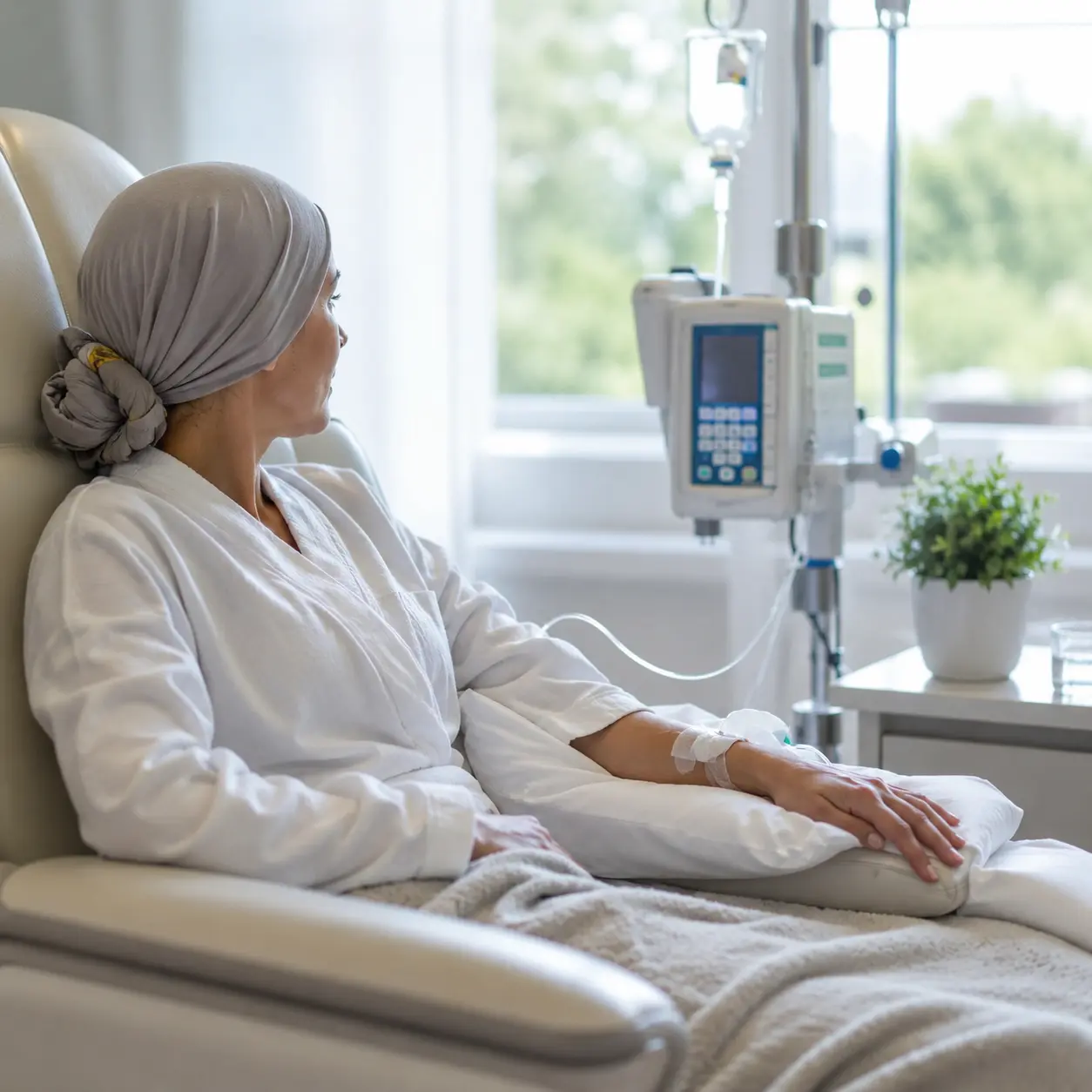
Intravenous chemotherapy is delivered directly into a vein.
Depending on the medication and treatment plan, chemotherapy may be administered through:
A peripheral IV
A central venous catheter
An implanted port
Treatment may take minutes, hours or longer depending on the medications being administered.
Oral Chemotherapy
Some chemotherapy medicines are available as oral medications.
Patients taking oral chemotherapy must follow the prescribed dosage and schedule carefully.
Regular medical monitoring may still be required to evaluate treatment response and manage potential side effects.
Chemotherapy Before Surgery
Chemotherapy may sometimes be given before surgery.
This is known as neoadjuvant chemotherapy.
Depending on the cancer, treatment before surgery may help:
Reduce tumor size
Treat cancer cells that may have spread beyond the primary tumor
Make surgery more feasible in selected cases
Assess the cancer's response to treatment
Not every patient requires chemotherapy before surgery.
Chemotherapy After Surgery
Chemotherapy may also be administered after surgery.
This is known as adjuvant chemotherapy.
The purpose may be to treat microscopic cancer cells that could remain after surgery and reduce the risk of cancer returning in appropriate patients.
The decision depends on the type and characteristics of the cancer.
Chemotherapy for Advanced Cancer
Chemotherapy can be used to treat selected patients with:
Advanced cancer
Metastatic cancer
Recurrent cancer
Cancer that cannot be completely removed surgically
Depending on the patient's situation, treatment may aim to control cancer growth, reduce symptoms, slow disease progression or support quality of life.
Chemotherapy for Blood Cancers
Chemotherapy plays an important role in treating certain blood cancers.
It may be used for selected:
Leukemias
Lymphomas
Multiple myeloma
Other hematologic cancers
Treatment plans vary according to the specific blood cancer and its characteristics.
Chemotherapy for Different Types of Cancer
Chemotherapy may be used in the treatment of selected:
Breast cancer
Lung cancer
Colorectal cancer
Pancreatic cancer
Ovarian cancer
Bladder cancer
Stomach cancer
Esophageal cancer
Testicular cancer
Head and neck cancers
Sarcomas
Leukemia
Lymphoma
Multiple myeloma
Other cancers
The appropriate chemotherapy regimen depends on the specific cancer.
Combination Cancer Treatment
Chemotherapy may be combined with other cancer treatments.
Depending on the diagnosis, treatment may include:
Chemotherapy + surgery
Chemotherapy + radiation therapy
Chemotherapy + immunotherapy
Chemotherapy + targeted therapy
Other combination approaches
The treatment combination is selected according to the patient's cancer and clinical circumstances.
Chemotherapy Treatment Planning
Before chemotherapy begins, the medical oncology team may evaluate:
Cancer type
Cancer stage
Pathology
Imaging results
Molecular or biomarker information
Previous cancer treatments
Current medications
Kidney function
Liver function
Blood counts
Overall health
This information helps determine the appropriate chemotherapy regimen, dosage and treatment schedule.
Chemotherapy Cycles
Chemotherapy is often administered in cycles.
A cycle may consist of one or more treatment days followed by a recovery period.
The number and frequency of cycles vary according to:
Cancer type
Treatment regimen
Response to therapy
Patient tolerance
Overall medical condition
The treatment schedule is determined by the oncology team.
Monitoring During Chemotherapy
Patients receiving chemotherapy require regular medical monitoring.
Monitoring may include:
Blood tests
Blood-cell counts
Kidney function
Liver function
Imaging
Physical examinations
Assessment of treatment response
Monitoring for side effects
Treatment may be adjusted according to the patient's response and tolerance.
Potential Chemotherapy Side Effects
Chemotherapy can affect healthy cells as well as cancer cells, which may result in side effects.
Possible side effects include:
Fatigue
Nausea
Vomiting
Hair loss
Reduced blood-cell counts
Increased infection risk
Appetite changes
Mouth sores
Diarrhea or constipation
Neuropathy
Other treatment-specific effects
Side effects vary significantly depending on the medication and individual patient.
Managing Chemotherapy Side Effects
The oncology team may provide supportive treatments to help manage chemotherapy-related effects.
Supportive care may include:
Anti-nausea medications
Pain management
Nutritional support
Infection monitoring
Medication adjustments
Blood-count monitoring
Hydration when required
Other supportive therapies
Patients should report significant or unexpected symptoms to their healthcare team.
Chemotherapy and Personalized Treatment
Modern cancer treatment increasingly uses information about the individual patient's cancer to guide therapy.
Depending on the cancer, treatment planning may incorporate:
Pathology
Cancer stage
Molecular testing
Biomarker testing
Genetic information
Previous treatment response
This can help specialists select the most appropriate treatment approach for the individual patient.
Multidisciplinary Cancer Care
Chemotherapy may be coordinated with other cancer specialists.
The care team may include:
Medical oncologists
Surgical oncologists
Radiation oncologists
Pathologists
Radiologists
Oncology nurses
Pharmacists
Genetic specialists
Other healthcare professionals
This coordinated approach supports comprehensive cancer treatment.
International Patients
International patients seeking chemotherapy at Mayo Clinic may need to provide complete medical documentation.
Useful records include:
Pathology reports
Biopsy results
CT scans
MRI scans
PET scans
Blood test results
Molecular testing
Genetic testing
Previous chemotherapy records
Previous radiation treatment records
Surgical reports
Current medication list
Previous treatment information is particularly important when planning further chemotherapy.
Benefits of Chemotherapy
When clinically appropriate, chemotherapy may:
Destroy cancer cells
Reduce tumor size
Slow cancer growth
Treat cancer throughout the body
Reduce the risk of recurrence in selected situations
Prepare certain cancers for surgery
Treat selected advanced or metastatic cancers
Work together with other cancer treatments
Treatment benefits vary according to the patient's diagnosis and response.
Why Choose Mayo Clinic for Chemotherapy?
Mayo Clinic provides multidisciplinary cancer care involving medical oncologists, oncology nurses, pharmacists, surgeons, radiation oncologists and other cancer specialists.
Patients may receive individualized treatment planning based on their cancer type, stage, medical history and treatment goals.
Cost & Price on Request
Price: Price on Request
Chemotherapy does not have one fixed price because treatment requirements differ between patients.
The overall cost may depend on:
Oncology consultation
Chemotherapy medications
Number of treatment cycles
Treatment duration
IV administration when required
Laboratory testing
Imaging
Supportive medications
Medical monitoring
Additional specialist services
Hospital or outpatient treatment requirements
A personalized treatment estimate should therefore be requested according to the patient's treatment plan.
Frequently Asked Questions
1. What is chemotherapy used for?
Chemotherapy may be used to destroy cancer cells, reduce tumor size, slow cancer growth or control cancer that has spread.
2. How is chemotherapy given?
Depending on the medication, chemotherapy may be administered through an IV, orally or by other injection-based methods.
3. How many chemotherapy sessions are required?
Chemotherapy is commonly given in cycles, but the number and frequency depend on the cancer type, treatment regimen and patient's response.
4. Does chemotherapy always cause hair loss?
No. Hair loss depends on the specific chemotherapy medicines used. Some treatments may cause significant hair loss, while others may cause little or none.
5. How much does chemotherapy cost?
Price is available on request. The cost depends on the medications, number of treatment cycles, treatment duration, monitoring and other medically necessary services.
Product Details
Product Name: Chemotherapy
Hospital: Mayo Clinic – Rochester
Brand: Mayo Clinic
Country: United States
Specialty: Oncology & Cancer Care
Service Type: Chemotherapy
Customer-Facing Price: Price on Request
International Patients: Available
Location: Rochester, Minnesota, USA
Related products




Chemotherapy at Mayo Clinic
Immunotherapy at Mayo Clinic


Frequently Bought Together
No frequently bought products found!
Products from this Seller
View All




Chemotherapy at Mayo Clinic
Immunotherapy at Mayo Clinic

Medical Tourism





Share with Friends
Trading is more effective when you share products with friends!Share you link
Share to