














Surgical Oncology at Mayo Clinic
Short Description
Surgical Oncology is a specialized area of cancer care that uses surgical procedures to diagnose, remove, stage or manage cancer. Mayo Clinic's multidisciplinary cancer teams evaluate each patient's cancer type, stage, tumor location and overall health to develop an individualized surgical treatment plan.
Price: Price on Request
Why Price on Request?
The cost of surgical oncology varies according to the type and stage of cancer, complexity of surgery, surgical technique, hospital stay, diagnostic testing, anesthesia, specialist consultations and post-operative care. A personalized treatment estimate is therefore required.
Complete Description
Surgical Oncology at Mayo Clinic
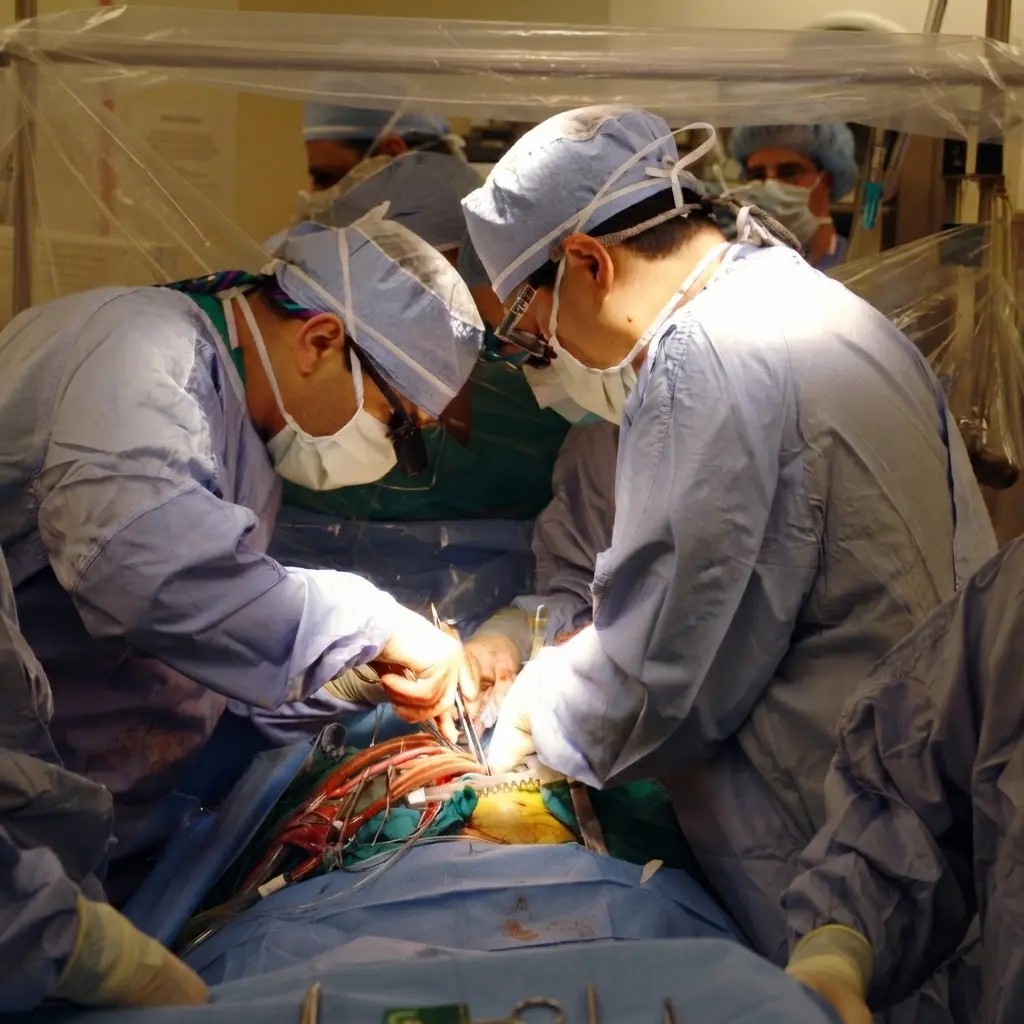
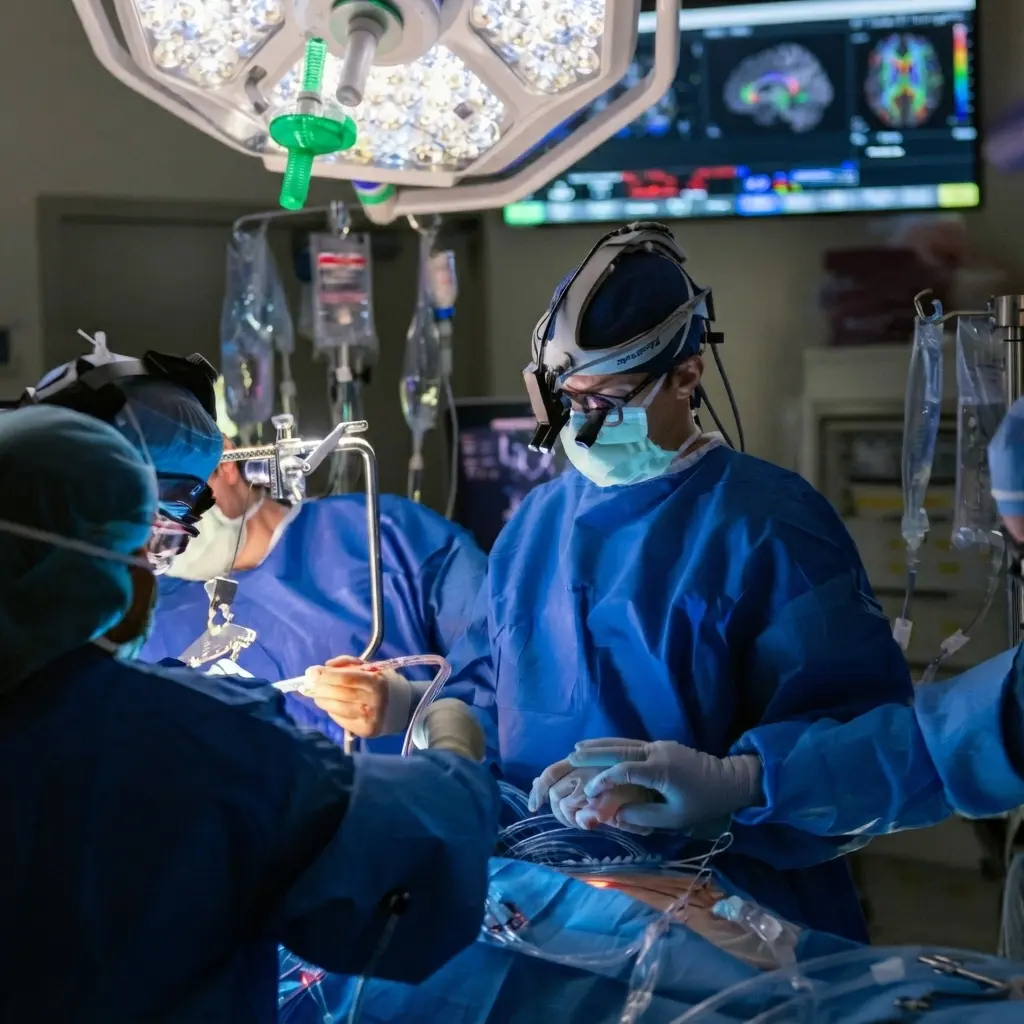
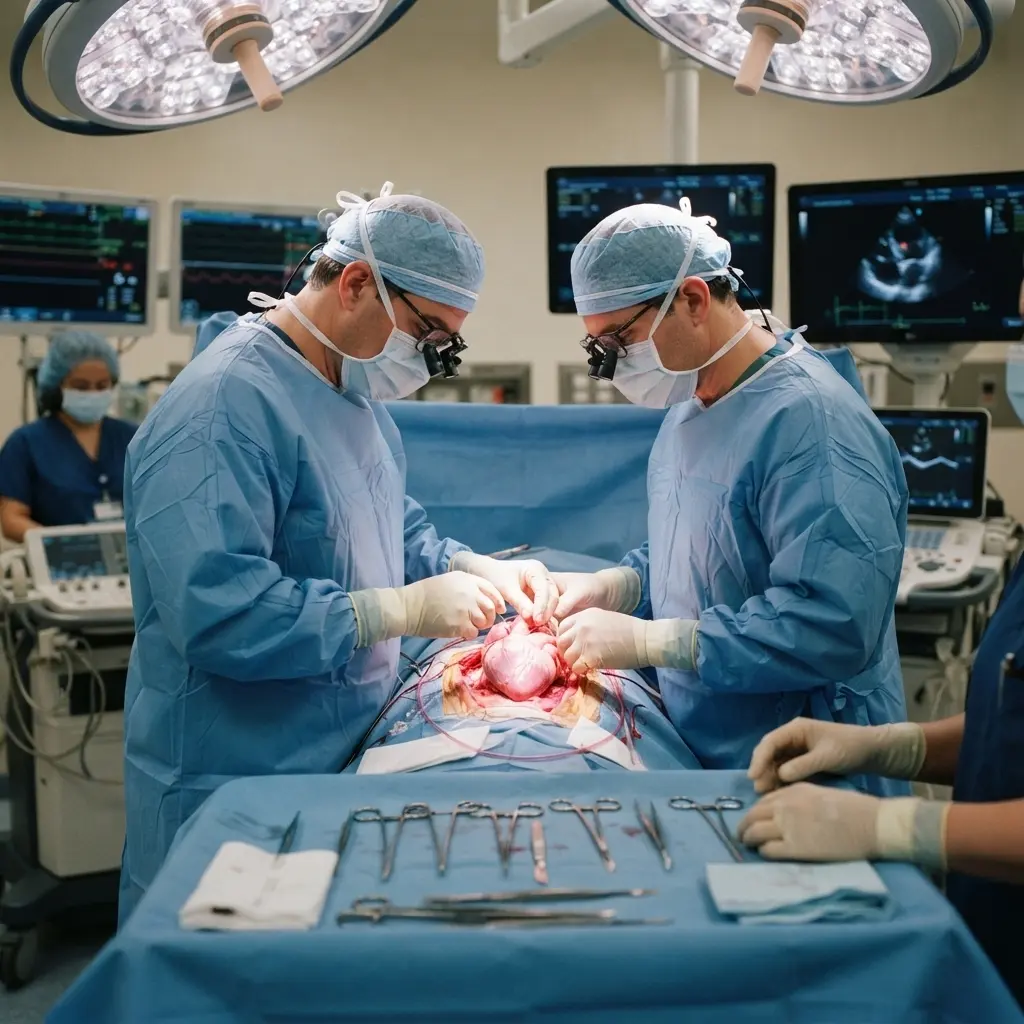
Surgical Oncology at Mayo Clinic – Rochester focuses on the use of surgery in the diagnosis and treatment of cancer.
Cancer surgery may be performed to remove a tumor, determine the extent of cancer, obtain tissue for diagnosis, relieve symptoms or manage cancer that has spread.
Depending on the patient's condition, surgery may be used as the primary cancer treatment or combined with chemotherapy, radiation therapy, immunotherapy, targeted therapy or other treatments.
What Is Surgical Oncology?
Surgical oncology is a specialized field of medicine focused on the surgical management of cancer.
Surgical oncologists may perform procedures to:
Remove cancerous tumors
Obtain tissue for diagnosis
Determine cancer stage
Remove nearby affected tissues
Treat selected metastatic cancers
Relieve cancer-related symptoms
Reconstruct affected areas when appropriate
The recommended procedure depends on the patient's individual cancer diagnosis.
Cancer Diagnosis Through Surgery
Surgery can sometimes play an important role in confirming a cancer diagnosis.
Procedures may include:
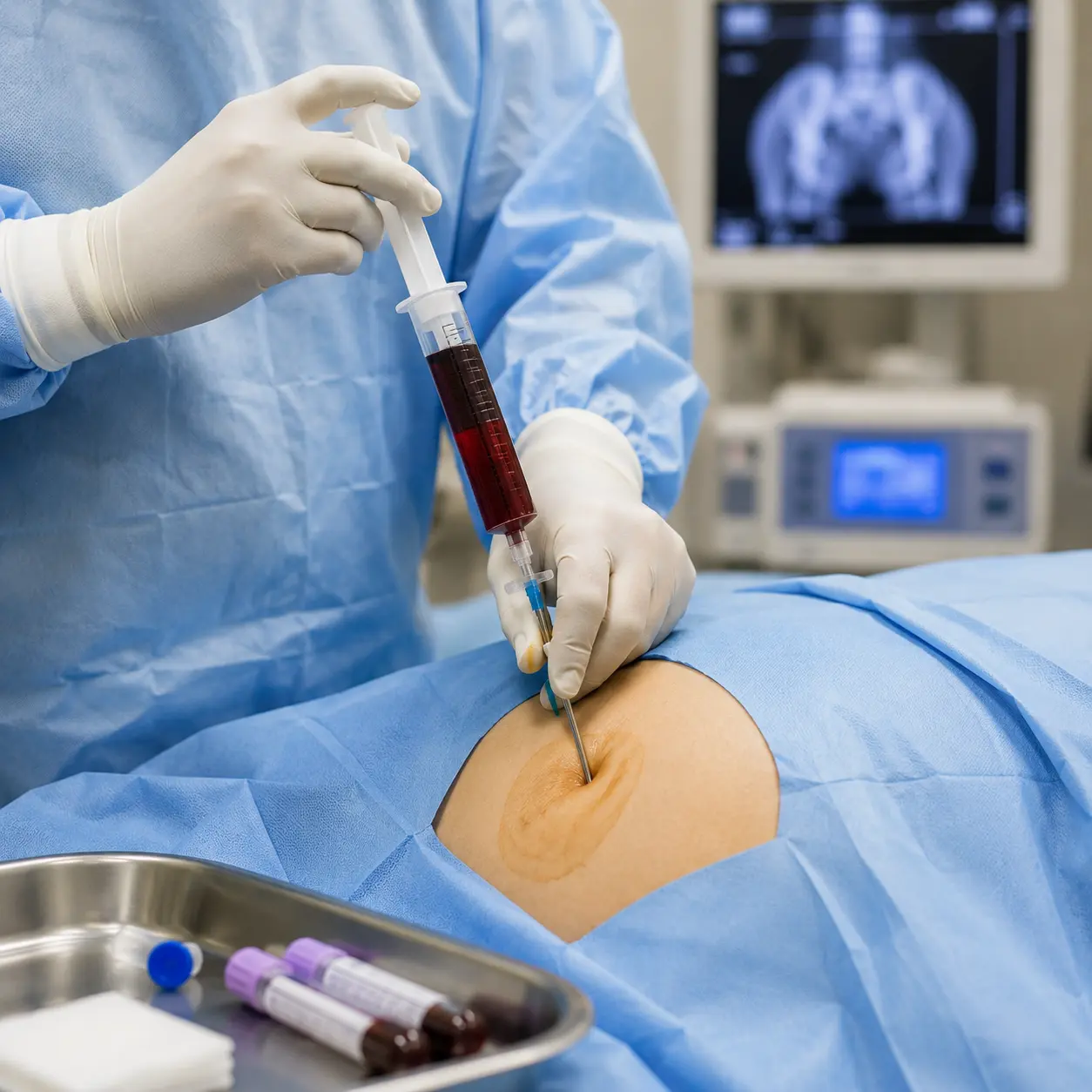
Biopsy
Excisional biopsy
Incisional biopsy
Lymph-node biopsy
Image-guided surgical procedures
Other tissue-sampling procedures
The collected tissue is examined by specialists to determine the nature and characteristics of the cancer.
Tumor Removal Surgery
One of the primary purposes of cancer surgery is to remove a tumor.
Depending on the cancer, surgery may involve removing:
The primary tumor
Surrounding tissue
Nearby lymph nodes
A portion of an affected organ
An entire affected organ when necessary
The extent of surgery depends on the location and characteristics of the cancer.
Cancer Staging Surgery
Some surgical procedures help determine how far cancer has spread.
Staging procedures may involve evaluation or removal of:
Lymph nodes
Nearby tissues
Tumor tissue
Other areas suspected of cancer involvement
Accurate staging can help doctors determine the most appropriate treatment strategy.
Types of Cancer Surgery
Cancer surgery can take different forms depending on the patient's diagnosis.
These may include:
Open surgery
Minimally invasive surgery
Laparoscopic surgery
Robotic-assisted surgery
Endoscopic procedures
Organ-preserving surgery
Complex reconstructive procedures
The appropriate surgical approach depends on the cancer and individual circumstances.
Minimally Invasive Cancer Surgery
For selected cancers, minimally invasive techniques may be appropriate.
These techniques can include:
Laparoscopic surgery
Robotic-assisted surgery
Endoscopic procedures
Compared with some traditional open procedures, minimally invasive approaches may involve smaller incisions and potentially shorter recovery times in appropriately selected patients.
Robotic-Assisted Cancer Surgery
Robotic-assisted surgery may be used for selected cancer procedures.
The technology allows surgeons to control specialized instruments through a robotic surgical system.
Potential advantages may include:
Precise instrument movement
Enhanced visualization
Small surgical incisions in selected procedures
Improved access to difficult anatomical areas
Whether robotic surgery is appropriate depends on the cancer and procedure.
Surgical Oncology for Breast Cancer
Surgery plays an important role in treating many breast cancers.
Depending on the diagnosis, procedures may include:
Lumpectomy
Mastectomy
Lymph-node surgery
Sentinel lymph-node biopsy
Other specialized procedures
The surgical approach depends on tumor characteristics, cancer stage and the patient's treatment plan.
Surgical Oncology for Colorectal Cancer
Surgery may be used to treat selected cancers of the colon and rectum.
Procedures may include removal of the affected portion of the bowel and nearby lymph nodes.
The exact operation depends on:
Tumor location
Cancer stage
Tumor size
Previous treatment
Overall health
Surgical Oncology for Liver Cancer
Selected patients with liver tumors may be considered for surgical treatment.
Procedures can include:
Partial liver resection
Other specialized liver procedures
Surgical eligibility depends on tumor characteristics, liver function and whether the cancer has spread.
Surgical Oncology for Pancreatic Cancer
Pancreatic cancer surgery can be highly complex.
For selected patients, surgical procedures may include:
Pancreatic resection
Whipple procedure
Distal pancreatectomy
Other specialized procedures
The appropriate operation depends on the location and extent of the tumor.
Surgical Oncology for Lung Cancer
Surgery may be considered for selected patients with localized lung cancer.
Possible procedures include:
Wedge resection
Segmentectomy
Lobectomy
Pneumonectomy
Lymph-node evaluation
The choice depends on tumor size, location, cancer stage and overall lung function.
Surgical Oncology for Gastrointestinal Cancers
Surgical oncology may be involved in treating selected cancers of the gastrointestinal system, including:
Esophageal cancer
Stomach cancer
Small-intestinal cancer
Colorectal cancer
Liver cancer
Pancreatic cancer
Other gastrointestinal tumors
Treatment may involve tumor removal, lymph-node evaluation and reconstructive procedures when required.
Surgical Oncology for Gynecologic Cancers
Surgery can be an important component of treatment for selected gynecologic cancers.
Procedures may be considered for cancers involving:
Ovaries
Uterus
Cervix
Other reproductive organs
The surgical approach depends on cancer type, stage and individual treatment goals.
Surgical Oncology for Urologic Cancers
Surgical treatment may be used for selected cancers involving the urinary and reproductive systems.
These may include:
Kidney cancer
Bladder cancer
Prostate cancer
Testicular cancer
Other urologic cancers
The procedure depends on the location, stage and characteristics of the cancer.
Surgical Oncology for Head and Neck Cancers
Surgical oncology may be involved in treating selected cancers of the:
Mouth
Throat
Larynx
Salivary glands
Other head and neck structures
Surgery may be combined with radiation therapy, chemotherapy or other treatments depending on the cancer.
Surgical Oncology for Skin Cancer and Melanoma
Surgery is commonly used for selected skin cancers and melanomas.
Procedures may include:
Wide local excision
Lymph-node evaluation
Sentinel lymph-node biopsy
More complex tumor removal when required
The extent of surgery depends on tumor characteristics and cancer stage.
Lymph Node Surgery
Cancer can sometimes spread to nearby lymph nodes.
Surgical procedures may be used to:
Remove suspicious lymph nodes
Determine whether cancer has spread
Help stage the cancer
Guide further treatment
Examples include sentinel lymph-node biopsy and lymph-node dissection.
Organ-Preserving Cancer Surgery
In selected cases, surgeons may use techniques designed to preserve as much normal organ function as possible.
Depending on the cancer, organ-preserving approaches may be considered for:
Breast cancer
Kidney cancer
Liver cancer
Other selected tumors
The feasibility of organ preservation depends on the tumor and cancer stage.
Cancer Surgery Before Other Treatments
Surgery may sometimes be performed before additional cancer treatment.
This may be followed by:
Chemotherapy
Radiation therapy
Immunotherapy
Targeted therapy
Other systemic treatments
The sequence depends on the cancer and individual treatment plan.
Cancer Surgery After Other Treatments
In some cancers, patients receive systemic therapy or radiation before surgery.
This approach may help:
Reduce tumor size
Treat cancer cells outside the primary tumor
Make surgery more feasible
Evaluate response to treatment
This treatment sequence is determined by the multidisciplinary cancer team.
Complex Cancer Surgery
Some cancers require highly specialized or complex surgical procedures.
Complex surgery may be considered when tumors:
Are located near major blood vessels
Involve multiple organs
Have returned after previous treatment
Require reconstruction
Are located in anatomically difficult areas
These procedures require detailed preoperative planning.
Pre-Surgical Evaluation
Before surgery, the medical team may perform:
Physical examination
Blood tests
Imaging studies
Pathology review
Cardiac evaluation when required
Anesthesia assessment
Lung-function testing when appropriate
Review of medications
Assessment of overall health
This evaluation helps determine whether the patient is medically prepared for surgery.
Advanced Imaging and Surgical Planning
Imaging may be used to understand the exact location and extent of a tumor.
Depending on the cancer, evaluation may include:
CT scan
MRI
PET scan
Ultrasound
Other specialized imaging
The information can help surgeons plan the safest and most effective surgical approach.
Post-Surgical Recovery
Recovery depends on the type and complexity of the operation.
Post-operative care may include:
Pain management
Wound care
Nutrition
Physical activity guidance
Infection monitoring
Blood-test monitoring
Follow-up imaging
Pathology review
The recovery period varies from patient to patient.
Potential Risks of Cancer Surgery
Like other major surgical procedures, cancer surgery can involve risks.
Potential complications may include:
Bleeding
Infection
Blood clots
Anesthesia-related complications
Pain
Wound complications
Organ-specific complications
Delayed recovery
Other procedure-specific risks
The risks depend on the type of surgery and the patient's health.
Multidisciplinary Cancer Care
Surgical oncology is often integrated with other cancer specialties.
The care team may include:
Surgical oncologists
Medical oncologists
Radiation oncologists
Pathologists
Radiologists
Anesthesiologists
Oncology nurses
Genetic specialists
Rehabilitation specialists
Other healthcare professionals
This multidisciplinary approach helps coordinate diagnosis, surgery and additional cancer treatments.
International Patients
International patients considering cancer surgery may need to provide comprehensive medical records before traveling for treatment.
Useful documents may include:
Pathology reports
Biopsy results
CT scans
MRI scans
PET scans
Previous surgical reports
Chemotherapy records
Radiation records
Molecular testing
Current medication list
These records help specialists understand the diagnosis and determine appropriate treatment options.
Benefits of Surgical Oncology
When clinically appropriate, cancer surgery may:
Remove localized cancer
Provide tissue for definitive diagnosis
Help determine cancer stage
Reduce tumor burden
Treat selected metastatic disease
Relieve symptoms caused by tumors
Support long-term cancer control
Work together with chemotherapy, radiation or immunotherapy
The potential benefit depends on the individual cancer and treatment plan.
Why Choose Mayo Clinic for Surgical Oncology?
Mayo Clinic provides multidisciplinary cancer care involving surgical oncologists and specialists from medical oncology, radiation oncology, pathology, radiology and other fields.
Patients with complex cancers may receive coordinated evaluation and individualized surgical planning based on their diagnosis, cancer stage, tumor characteristics and overall health.
Cost & Price on Request
Price: Price on Request
There is no single fixed price for surgical oncology because cancer operations vary significantly in complexity.
The total cost may depend on:
Surgical consultation
Preoperative evaluation
Diagnostic imaging
Laboratory testing
Type of surgery
Surgical complexity
Anesthesia
Operating-room services
Hospital stay
Medications
Pathology
Post-operative care
Follow-up consultations
Additional cancer treatments
A personalized treatment estimate should therefore be requested after specialist evaluation.
Frequently Asked Questions
1. What does surgical oncology mean?
Surgical oncology is a specialized field of cancer care that uses surgery to diagnose, stage, remove or manage selected cancers.
2. Does every cancer require surgery?
No. Surgery is appropriate for some cancers, while others may be treated primarily with chemotherapy, radiation therapy, immunotherapy, targeted therapy or combinations of treatments.
3. Can minimally invasive surgery be used for cancer?
Yes. Selected cancer procedures can be performed using laparoscopic or robotic-assisted techniques, depending on the cancer and patient's individual circumstances.
4. Can surgery be combined with chemotherapy or radiation?
Yes. Cancer treatment may combine surgery, chemotherapy, radiation therapy, immunotherapy or targeted therapy depending on the diagnosis and treatment plan.
5. How much does cancer surgery cost?
Price is available on request. The cost depends on the type and complexity of surgery, hospital stay, anesthesia, diagnostic testing, pathology and other required medical services.
Product Details
Product Name: Surgical Oncology
Hospital: Mayo Clinic – Rochester
Brand: Mayo Clinic
Country: United States
Specialty: Oncology & Cancer Care
Service Type: Surgical Oncology
Dashboard Price: 0
Customer-Facing Price: Price on Request
International Patients: Available
Location: Rochester, Minnesota, USA
Related products





Chemotherapy at Mayo Clinic

Immunotherapy at Mayo Clinic

Frequently Bought Together
No frequently bought products found!
Products from this Seller
View All





Chemotherapy at Mayo Clinic
Immunotherapy at Mayo Clinic
Medical Tourism





Share with Friends
Trading is more effective when you share products with friends!Share you link
Share to