













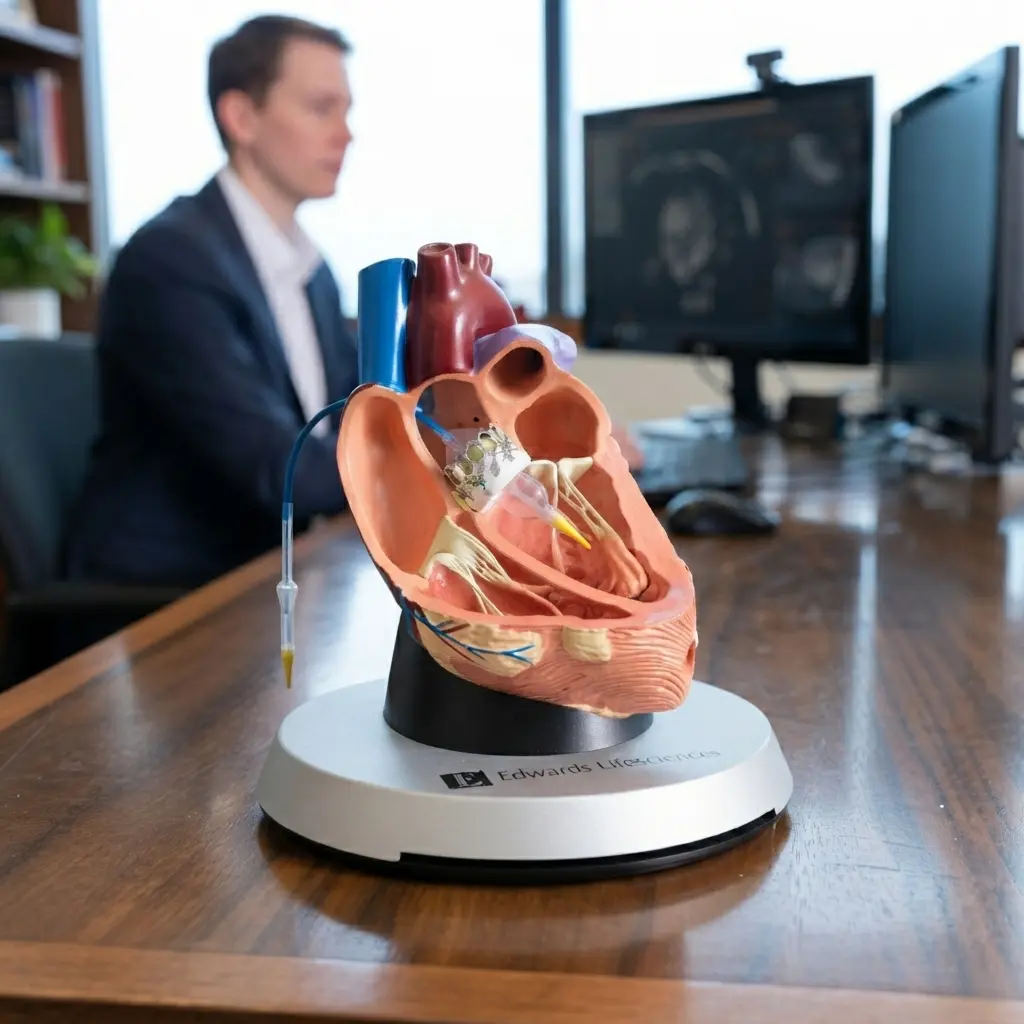
Heart Valve Surgery at Cleveland Clinic
Heart Valve Surgery provides specialized surgical treatment for heart valve diseases that affect the normal flow of blood through the heart. The procedure may be considered for patients with significant valve narrowing, leakage or structural valve abnormalities when medical management is insufficient. Treatment is individualized according to the affected valve, severity of disease, symptoms, heart function and overall health.
Price
Price on Request
Why Price on Request?
The cost of heart valve surgery depends on the type and severity of valve disease, specialist consultation, diagnostic testing, surgical procedure, anesthesia, hospitalization, intensive care, medications and follow-up rehabilitation required. A personalized estimate is provided according to the patient's treatment plan.
Complete Description
What Is Heart Valve Surgery?
Heart Valve Surgery is a surgical procedure used to repair or replace a damaged or diseased heart valve.
Heart valves help maintain proper blood flow through the heart. Disease may cause a valve to become:
Narrowed
Leaky
Damaged
Infected
Structurally abnormal
Surgery may be recommended when valve disease significantly affects heart function or quality of life.
Heart Valves Treated
Heart valve surgery may involve:
Mitral valve
Aortic valve
Tricuspid valve
Pulmonary valve
The treatment approach depends on the specific valve and type of disease.
Aortic Valve Surgery
Aortic valve surgery may be considered for patients with significant:
Aortic stenosis
Aortic regurgitation
Aortic valve abnormalities
Treatment may involve valve repair or replacement depending on the patient's condition.
Mitral Valve Surgery
Mitral valve surgery may treat:
Mitral stenosis
Mitral regurgitation
Mitral valve prolapse
Other structural mitral valve abnormalities
Repair may be considered when the valve can be preserved appropriately.
Tricuspid Valve Surgery
Tricuspid valve surgery may be used to treat significant tricuspid valve disease.
Treatment may involve:
Valve repair
Valve replacement
Surgical treatment of associated heart conditions
Pulmonary Valve Surgery
Pulmonary valve procedures may be considered for selected patients with significant pulmonary valve abnormalities or congenital heart conditions.
Heart Valve Evaluation Before Surgery
Before surgery, patients may undergo comprehensive evaluation including:
Medical history
Physical examination
Echocardiography
ECG
Chest imaging
Laboratory testing
Cardiac catheterization when appropriate
The evaluation helps determine the severity of valve disease and the most appropriate treatment strategy.
Echocardiography for Valve Disease
Echocardiography is commonly used to evaluate heart valves.
It may assess:
Valve structure
Valve opening
Valve leakage
Blood flow
Heart chamber size
Heart pumping function
Cardiac Imaging
Additional imaging may include:
Transesophageal echocardiography
Cardiac CT
Cardiac MRI
Other specialized imaging
The appropriate test depends on the valve condition and surgical planning requirements.
Symptoms of Heart Valve Disease
Patients with significant valve disease may experience:
Shortness of breath
Fatigue
Chest discomfort
Dizziness
Fainting
Palpitations
Reduced exercise tolerance
Swelling
The severity and combination of symptoms vary between patients.
Heart Valve Repair
When appropriate, surgeons may repair the patient's existing valve rather than replacing it.
Repair techniques may include:
Reshaping valve tissue
Repairing supporting structures
Improving valve closure
Reconstructing damaged portions
The appropriate technique depends on the type of valve disease.
Heart Valve Replacement
When repair is not appropriate, the diseased valve may be replaced.
Replacement options may include:
Mechanical valve
Biological tissue valve
Other specialized valve replacement options
The choice depends on the patient's age, health, valve condition and other medical factors.
Mechanical Heart Valve
Mechanical valves are designed for long-term durability.
Patients with certain mechanical valves generally require long-term anticoagulation and regular medical monitoring.
Biological Heart Valve
Biological valves are made from animal or human tissue.
They may be appropriate for selected patients depending on age, medical condition and treatment preferences.
Minimally Invasive Valve Surgery
Selected patients may be candidates for minimally invasive valve procedures.
Potential approaches may use smaller surgical incisions compared with traditional open-heart surgery.
Eligibility depends on:
Valve anatomy
Type of disease
Overall health
Previous cardiac surgery
Surgical complexity
Complex Heart Valve Surgery
Patients with multiple valve problems or other cardiovascular conditions may require complex surgical planning.
Treatment may involve:
Multiple valve procedures
Coronary artery treatment
Aortic surgery
Repair of associated heart conditions
Heart Valve Surgery and Coronary Disease
Some patients have both valve disease and coronary artery disease.
When clinically appropriate, valve surgery may be combined with coronary artery bypass surgery during the same operation.
Heart Valve Surgery for Heart Failure
Severe valve disease can contribute to heart failure.
Correcting the underlying valve problem may help improve cardiac function and symptoms in appropriately selected patients.
Surgical Planning
Before surgery, the multidisciplinary team may review:
Valve anatomy
Heart function
Imaging results
Coronary artery condition
Medical history
Surgical risks
Overall health
This information helps determine the safest and most appropriate treatment strategy.
Heart Valve Surgery Procedure
During surgery, the patient receives general anesthesia.
Depending on the procedure, the surgeon may:
Repair the affected valve
Replace the damaged valve
Address associated cardiovascular abnormalities
The surgical approach varies according to the patient's condition.
Post-Surgical Monitoring
After surgery, patients require close monitoring of:
Heart function
Heart rhythm
Blood pressure
Breathing
Bleeding
Kidney function
Signs of infection
Recovery After Heart Valve Surgery
Recovery varies according to the procedure and patient's overall health.
Postoperative care may focus on:
Gradual physical activity
Medication management
Incision care
Heart rhythm monitoring
Nutrition
Cardiac rehabilitation
Cardiac Rehabilitation
Cardiac rehabilitation may help patients safely regain:
Strength
Exercise capacity
Cardiovascular fitness
Confidence with physical activity
The program is individualized according to recovery progress.
Long-Term Follow-Up
Patients require ongoing cardiovascular follow-up after valve surgery.
Monitoring may include:
Echocardiography
Heart rhythm assessment
Medication review
Blood testing
Physical examination
Valve function monitoring
Heart Valve Surgery Second Opinion
Patients who have received a recommendation for valve surgery may seek a heart valve surgery second opinion.
Specialists may review:
Echocardiograms
Cardiac CT or MRI
Catheterization results
Medical records
Valve anatomy
Proposed surgical treatment
International Patients
International patients should provide relevant cardiac records whenever possible.
Useful documents may include:
Echocardiograms
Transesophageal echocardiography
Cardiac CT
Cardiac MRI
Cardiac catheterization
ECG reports
Laboratory results
Previous cardiac surgery reports
Current medication list
Benefits of Specialized Heart Valve Surgery
Specialized valve surgery may help:
Treat severe valve disease
Improve blood flow through the heart
Reduce symptoms
Improve heart function
Repair damaged valves when appropriate
Replace severely diseased valves
Manage complex cardiovascular conditions
Support long-term cardiac health
Provide specialized surgical second opinions
Why Choose Cleveland Clinic for Heart Valve Surgery?
Cleveland Clinic provides multidisciplinary cardiovascular care involving cardiologists, cardiac surgeons, cardiovascular imaging specialists, anesthesiologists and other healthcare professionals.
Depending on the patient's condition, treatment may include valve repair, valve replacement, minimally invasive procedures or complex cardiac surgery.
Cost & Price on Request
Price: Price on Request
The total cost of heart valve surgery depends on the type of valve disease and surgical treatment required.
Potential costs may include:
Cardiology consultation
Preoperative evaluation
Echocardiography
Cardiac imaging
Laboratory testing
Cardiac catheterization
Heart valve surgery
Valve repair or replacement
Anesthesia
Hospitalization
Intensive care
Medications
Cardiac rehabilitation
Follow-up care
A personalized cost estimate should be requested according to the patient's surgical treatment plan.
Frequently Asked Questions
1. Which heart valves can be treated with surgery?
Heart valve surgery may involve the aortic, mitral, tricuspid or pulmonary valves, depending on the patient's condition.
2. Can a heart valve be repaired instead of replaced?
Yes. Valve repair may be possible for selected patients when the valve can be appropriately reconstructed.
3. When is heart valve replacement needed?
Replacement may be recommended when a valve is severely damaged, narrowed or leaking and cannot be adequately repaired.
4. How long does recovery take after heart valve surgery?
Recovery varies according to the type of surgery, patient's overall health and postoperative progress. Cardiac rehabilitation may support recovery.
5. How much does heart valve surgery cost?
Price is available on request. The final cost depends on evaluation, surgery, valve replacement or repair, hospitalization, medications and follow-up care.
Product Details
Product Name: Heart Valve Surgery
Hospital: Cleveland Clinic
Brand: Cleveland Clinic
Country: United States
Specialty: Cardiology & Heart Surgery
Service Type: Heart Valve Surgery
Dashboard Price: 0
Customer-Facing Price: Price on Request
International Patients: Available
Location: Cleveland, Ohio, USA
Related products


Frequently Bought Together
No frequently bought products found!
Products from this Seller
View All




Chemotherapy at Mayo Clinic

Immunotherapy at Mayo Clinic

Medical Tourism





Share with Friends
Trading is more effective when you share products with friends!Share you link
Share to