














Heart Transplant at Cleveland Clinic
Heart Transplant provides specialized treatment for selected patients with advanced heart disease and severe heart failure when other appropriate medical and surgical treatments are no longer sufficient. Heart transplantation involves replacing a severely diseased heart with a healthy donor heart. Evaluation and treatment are individualized according to heart function, overall health, medical history, transplant eligibility and the availability of a suitable donor organ.
Price
Price on Request
Why Price on Request?
The cost of heart transplant care depends on the transplant evaluation, diagnostic testing, medical management, donor organ surgery, hospitalization, intensive care, immunosuppressive medications, rehabilitation and long-term follow-up required. A personalized estimate is provided according to the patient's treatment plan.
Complete Description
What Is a Heart Transplant?
A heart transplant is a major surgical procedure in which a diseased heart is replaced with a healthy donor heart.
It may be considered for carefully selected patients with advanced heart disease when other appropriate treatment options are no longer effective or sufficient.
Who May Need a Heart Transplant?
Heart transplantation may be considered for selected patients with advanced:
Heart failure
Cardiomyopathy
Severe coronary artery disease
Complex congenital heart disease
Certain severe valve-related heart conditions
Other forms of advanced heart disease
Transplant eligibility requires comprehensive medical evaluation.
Advanced Heart Failure Evaluation
Patients being considered for transplantation may undergo detailed assessment of:
Heart function
Exercise capacity
Symptoms
Kidney function
Liver function
Lung function
Blood pressure
Overall physical condition
Heart Transplant Evaluation
A transplant evaluation may include:
Detailed medical history
Physical examination
Cardiac imaging
Blood testing
Heart rhythm assessment
Pulmonary evaluation
Kidney and liver evaluation
Infection screening
Other specialized testing
The goal is to determine whether transplantation is medically appropriate.
Heart Function Assessment
Heart function may be evaluated using:
Echocardiography
Cardiac MRI
Cardiac catheterization
ECG
Exercise testing
Other cardiovascular studies
Cardiac Catheterization
Cardiac catheterization may be used to evaluate:
Heart pressures
Blood flow
Coronary arteries
Pulmonary circulation
Overall cardiovascular function
Heart Transplant Eligibility
Eligibility may depend on:
Severity of heart disease
Response to other treatments
Overall medical condition
Organ function
Ability to undergo major surgery
Ability to follow long-term transplant care
Each patient is evaluated individually.
Donor Heart Matching
A suitable donor heart must meet specific medical and compatibility requirements.
The transplant team considers factors such as:
Blood type
Body size
Medical compatibility
Organ quality
Other transplant-related factors
Heart Transplant Surgery
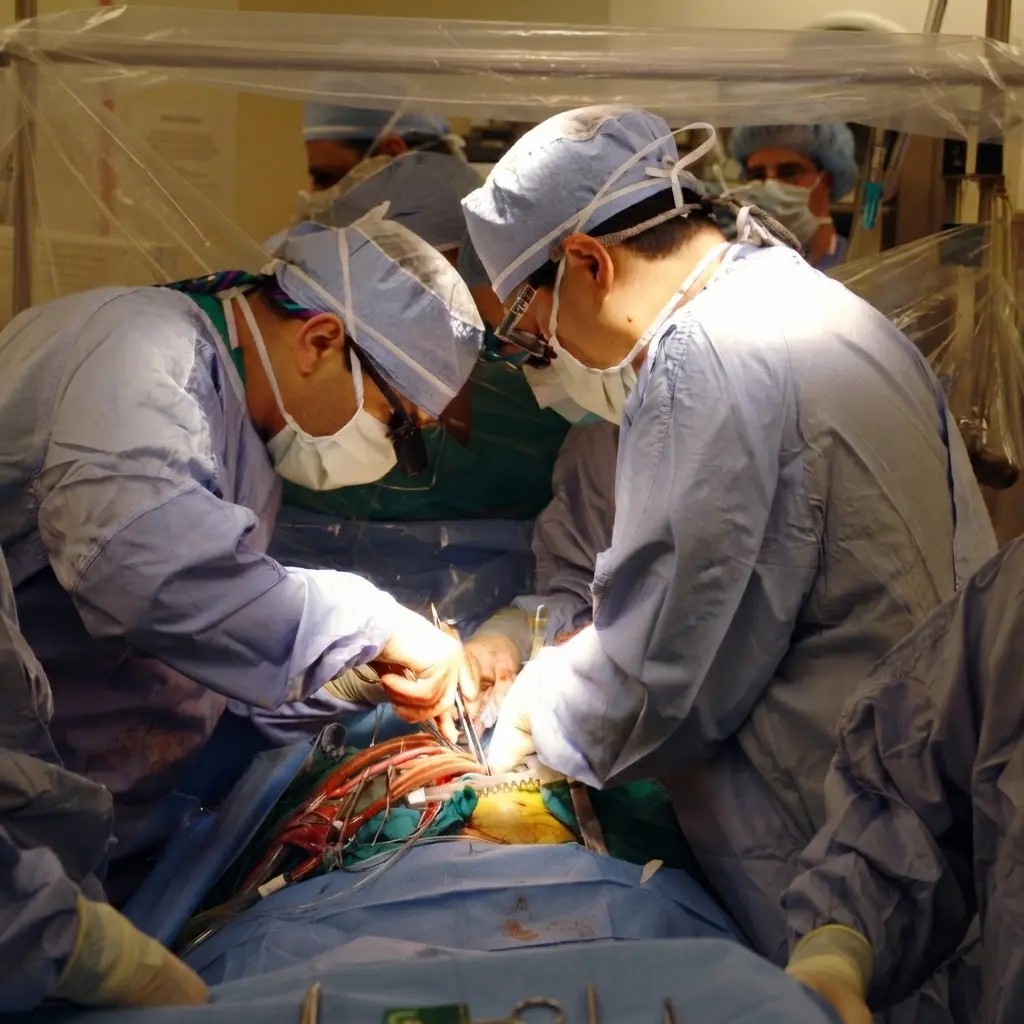
During transplantation, the diseased heart is removed and replaced with the donor heart.
The surgical team connects the donor heart to the major blood vessels so that blood can circulate normally through the new heart.
Heart-Lung Bypass Support
Heart transplantation requires advanced surgical and intensive-care support.
A heart-lung machine may be used during surgery to maintain blood circulation and oxygenation while the transplant is performed.
Immediate Post-Transplant Care
After surgery, patients receive close monitoring in a specialized intensive-care environment.
Care may include monitoring of:
Heart function
Heart rhythm
Blood pressure
Breathing
Kidney function
Infection
Signs of organ rejection
Immunosuppressive Treatment
After transplantation, patients generally require medications that suppress the immune system to reduce the risk of rejection.
Medication plans are individualized and require ongoing medical monitoring.
Heart Transplant Rejection Monitoring
The immune system can recognize a transplanted heart as foreign.
The transplant team may monitor for rejection through:
Clinical assessment
Echocardiography
Blood testing
Other specialized transplant evaluations
Heart biopsy when clinically indicated
Heart Transplant Complications
Potential complications may include:
Organ rejection
Infection
Medication-related complications
Kidney problems
Cardiovascular complications
Other transplant-related conditions
Patients require long-term medical supervision.
Heart Transplant for Cardiomyopathy
Patients with severe cardiomyopathy may be considered for transplantation when heart function becomes significantly impaired and other treatments are no longer sufficient.
Heart Transplant for Advanced Heart Failure
For selected patients with end-stage or advanced heart failure, transplantation may provide an option when conventional treatments are no longer adequate.
Mechanical Circulatory Support
Some patients may require mechanical circulatory support before transplantation.
Depending on the clinical situation, support may include:
Ventricular assist devices
Temporary circulatory support
Other advanced cardiac support
These therapies may serve as a bridge to transplantation for selected patients.
Heart Transplant and Ventricular Assist Devices
A ventricular assist device may support heart function in selected patients with advanced heart failure.
The device may be used:
Before transplantation
As a bridge to transplant
In selected patients who are not transplant candidates
Pediatric and Young Adult Heart Transplantation
Selected children and young adults with severe heart disease may require specialized transplant evaluation.
Care is adapted to:
Age
Body size
Development
Underlying heart condition
Long-term transplant needs
Heart Transplant for Congenital Heart Disease
Some patients with complex congenital heart disease may eventually develop severe heart failure and require transplant evaluation.
Treatment requires specialized assessment of previous surgeries and altered heart anatomy.
Post-Transplant Rehabilitation
Rehabilitation may help patients gradually improve:
Strength
Exercise tolerance
Physical conditioning
Functional independence
Activity progression is carefully monitored by the transplant care team.
Nutrition After Heart Transplant
Patients may receive guidance regarding:
Heart-healthy nutrition
Food safety
Weight management
Blood pressure control
Diabetes prevention or management
Nutrition is an important part of long-term transplant care.
Long-Term Heart Transplant Follow-Up
Heart transplant recipients require lifelong follow-up.
Monitoring may include:
Heart function
Medication levels
Blood tests
Echocardiography
Heart rhythm
Kidney function
Infection monitoring
Rejection surveillance
Medication Management After Transplant
Long-term medications may be required to:
Prevent rejection
Control blood pressure
Manage cholesterol
Protect organ function
Reduce other cardiovascular risks
Medication plans are individualized.
Lifestyle After Heart Transplant
Long-term care may include:
Regular physical activity
Healthy nutrition
Medication adherence
Infection prevention
Regular medical follow-up
Avoidance of tobacco exposure
Heart Transplant Second Opinion
Patients considering transplantation or who have received a recommendation for advanced heart failure treatment may seek a heart transplant second opinion.
Specialists may review:
Echocardiograms
Cardiac MRI
Cardiac catheterization
Exercise testing
Medical records
Previous treatments
Transplant recommendations
International Patients
International patients should provide comprehensive medical records whenever possible.
Useful documents may include:
Echocardiograms
Cardiac MRI
Cardiac catheterization reports
ECGs
Exercise testing
Previous cardiac surgery reports
Laboratory results
Medication list
Hospital discharge summaries
Benefits of Specialized Heart Transplant Care
Specialized transplant care may help:
Evaluate advanced heart failure
Determine transplant eligibility
Coordinate donor-heart transplantation
Provide advanced pre-transplant care
Manage postoperative recovery
Monitor for rejection
Manage immunosuppressive therapy
Support long-term heart function
Provide transplant-related second opinions
Coordinate multidisciplinary cardiovascular care
Why Choose Cleveland Clinic for Heart Transplant?
Cleveland Clinic provides multidisciplinary care for patients with advanced heart disease through teams that may include transplant cardiologists, cardiac surgeons, heart failure specialists, transplant coordinators, critical care specialists, pharmacists, rehabilitation professionals and other healthcare providers.
Depending on the patient's condition, care may include transplant evaluation, advanced heart failure management, mechanical circulatory support, transplantation and long-term follow-up.
Cost & Price on Request
Price: Price on Request
The total cost of heart transplant care depends on the complexity of the patient's condition and the level of transplant treatment required.
Potential costs may include:
Transplant consultation
Comprehensive transplant evaluation
Cardiac imaging
Cardiac catheterization
Laboratory testing
Donor-heart transplantation
Anesthesia
Intensive care
Hospitalization
Immunosuppressive medications
Rehabilitation
Long-term follow-up
Monitoring and diagnostic testing
A personalized cost estimate should be requested according to the patient's individual transplant care plan.
Frequently Asked Questions
1. Who may need a heart transplant?
Heart transplantation may be considered for selected patients with advanced heart failure or severe heart disease when other appropriate treatments are no longer sufficient.
2. What happens during a heart transplant?
The patient's severely diseased heart is removed and replaced with a healthy donor heart, which is connected to the major blood vessels.
3. Do heart transplant patients need medication after surgery?
Yes. Patients generally require long-term immunosuppressive medications and ongoing medical monitoring to reduce the risk of rejection.
4. Can a ventricular assist device be used before a heart transplant?
Yes. Selected patients may receive a ventricular assist device as mechanical circulatory support, including as a bridge to transplantation.
5. How much does a heart transplant cost?
Price is available on request. The final cost depends on transplant evaluation, surgery, hospitalization, intensive care, medications, rehabilitation and long-term follow-up.
Product Details
Product Name: Heart Transplant
Hospital: Cleveland Clinic
Brand: Cleveland Clinic
Country: United States
Specialty: Cardiology & Heart Surgery
Service Type: Heart Transplant
Customer-Facing Price: Price on Request
International Patients: Available
Location: Cleveland, Ohio, USA
Related products







Frequently Bought Together
No frequently bought products found!
Products from this Seller
View All




Chemotherapy at Mayo Clinic

Immunotherapy at Mayo Clinic


Medical Tourism





Share with Friends
Trading is more effective when you share products with friends!Share you link
Share to