








Varicose Vein Treatment at Cleveland Clinic
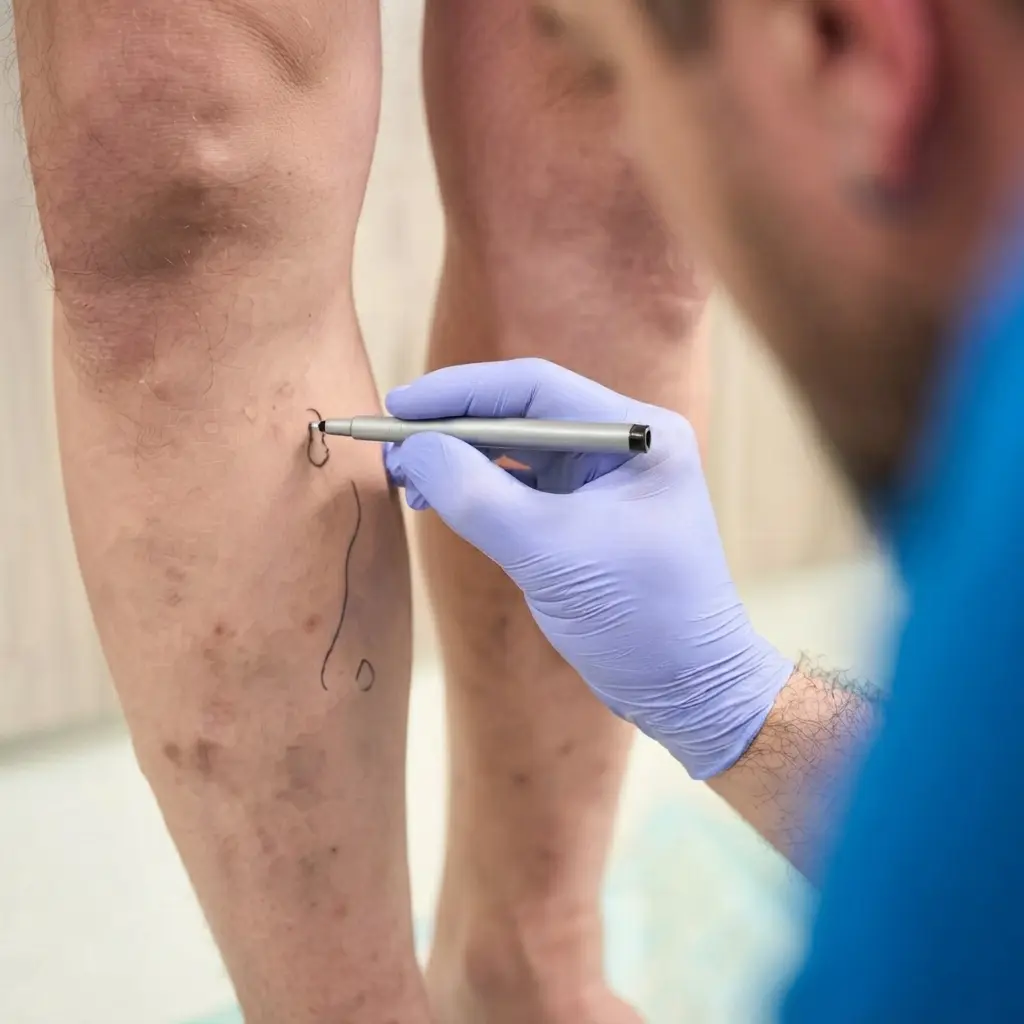
Varicose Vein Treatment provides specialized evaluation and treatment for enlarged, twisted and abnormal veins, most commonly affecting the legs. Varicose veins can cause visible veins, aching, heaviness, swelling, skin changes and other symptoms related to impaired venous circulation. Treatment is individualized according to the severity of venous disease, symptoms, vein anatomy and overall health. Depending on the condition, treatment may include lifestyle measures, compression therapy, minimally invasive procedures or surgical treatment.
Price
Price on Request
Why Price on Request?
The cost of varicose vein treatment depends on the vascular consultation, vein evaluation, ultrasound imaging, laboratory testing, severity of venous disease, number of veins treated, procedure performed, medications and follow-up care required. A personalized estimate is provided according to the patient's treatment plan.
Complete Description
What Are Varicose Veins?
Varicose veins are enlarged and twisted veins that commonly develop in the legs when blood does not flow efficiently back toward the heart.
They may appear as:
Enlarged veins
Twisted veins
Blue or purple veins
Bulging veins beneath the skin
Some varicose veins cause symptoms, while others may primarily be a cosmetic concern.
Symptoms of Varicose Veins
Patients may experience:
Aching legs
Leg heaviness
Swelling
Burning or throbbing
Itching
Leg fatigue
Skin changes
Discomfort after prolonged standing
Symptoms can vary from person to person.
Chronic Venous Insufficiency
Varicose veins may be associated with chronic venous insufficiency, a condition in which blood has difficulty returning from the legs to the heart.
Venous insufficiency may cause:
Leg swelling
Skin discoloration
Aching
Heaviness
Varicose veins
Skin changes
Varicose Vein Evaluation
A vascular specialist may assess:
Medical history
Symptoms
Duration of symptoms
Previous vein treatment
Leg swelling
Skin changes
Visible veins
Circulation
Physical Examination
The examination may include evaluation of:
Visible veins
Leg swelling
Skin condition
Changes in pigmentation
Areas of tenderness
Signs of venous insufficiency
Venous Ultrasound
A duplex ultrasound may be used to evaluate blood flow through the veins.
It can help identify:
Venous reflux
Abnormal blood flow
Vein obstruction
Affected veins
Vein anatomy for treatment planning
Venous Reflux
Venous reflux occurs when blood flows backward through veins instead of efficiently moving toward the heart.
This may contribute to:
Varicose veins
Leg swelling
Heaviness
Aching
Chronic venous insufficiency
Conservative Varicose Vein Treatment
Some patients may benefit from non-procedural management.
Treatment may include:
Regular physical activity
Leg elevation
Weight management
Avoiding prolonged standing
Compression therapy
Lifestyle modification
Compression Therapy
Compression garments may help improve venous circulation and reduce symptoms such as:
Leg swelling
Aching
Heaviness
Discomfort
The appropriate type of compression should be determined according to the patient's vascular condition.
Lifestyle Management
Patients may receive guidance regarding:
Regular walking
Weight management
Physical activity
Avoiding prolonged sitting
Avoiding prolonged standing
Leg elevation
These measures may support venous circulation.
Minimally Invasive Vein Treatment
Selected patients may be treated using minimally invasive procedures.
Depending on the vein condition, treatment options may include:
Endovenous ablation
Sclerotherapy
Other catheter-based procedures
The appropriate treatment depends on the affected veins and the patient's clinical needs.
Endovenous Ablation
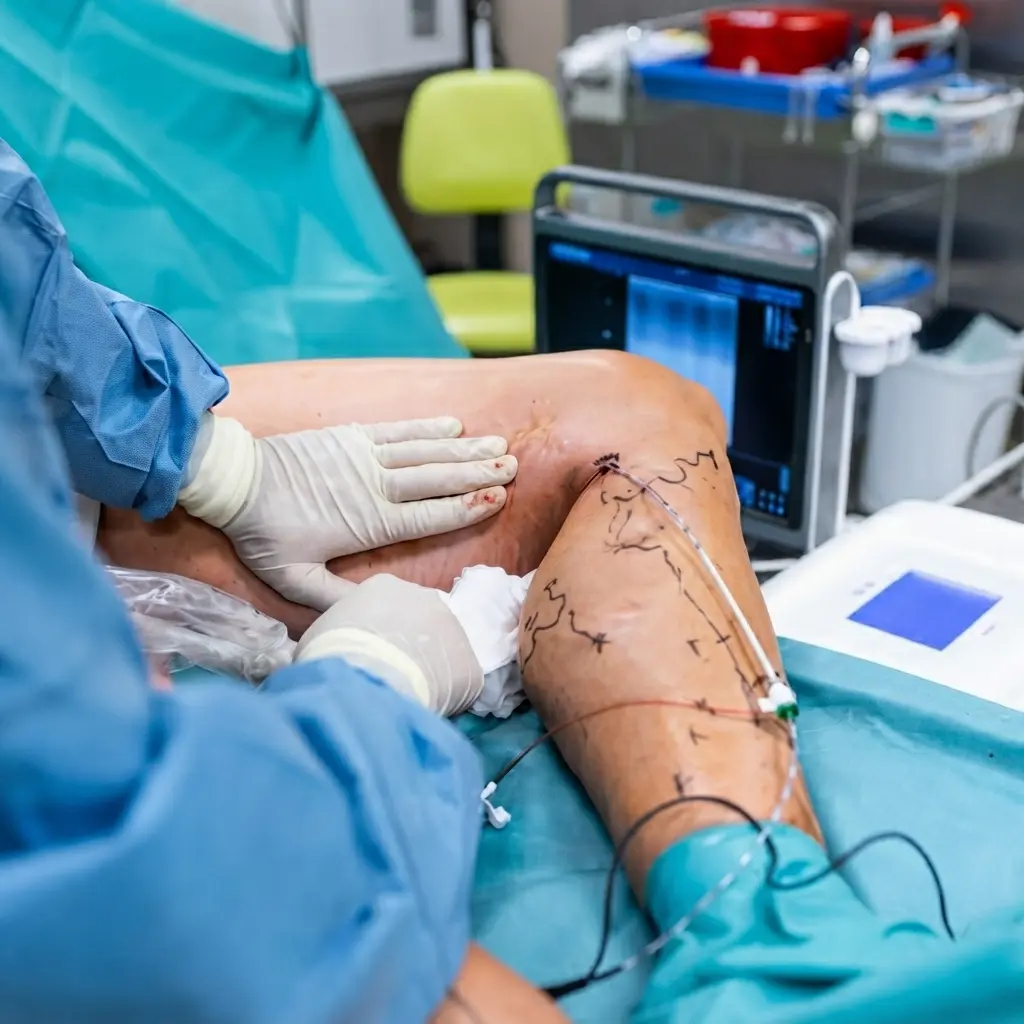
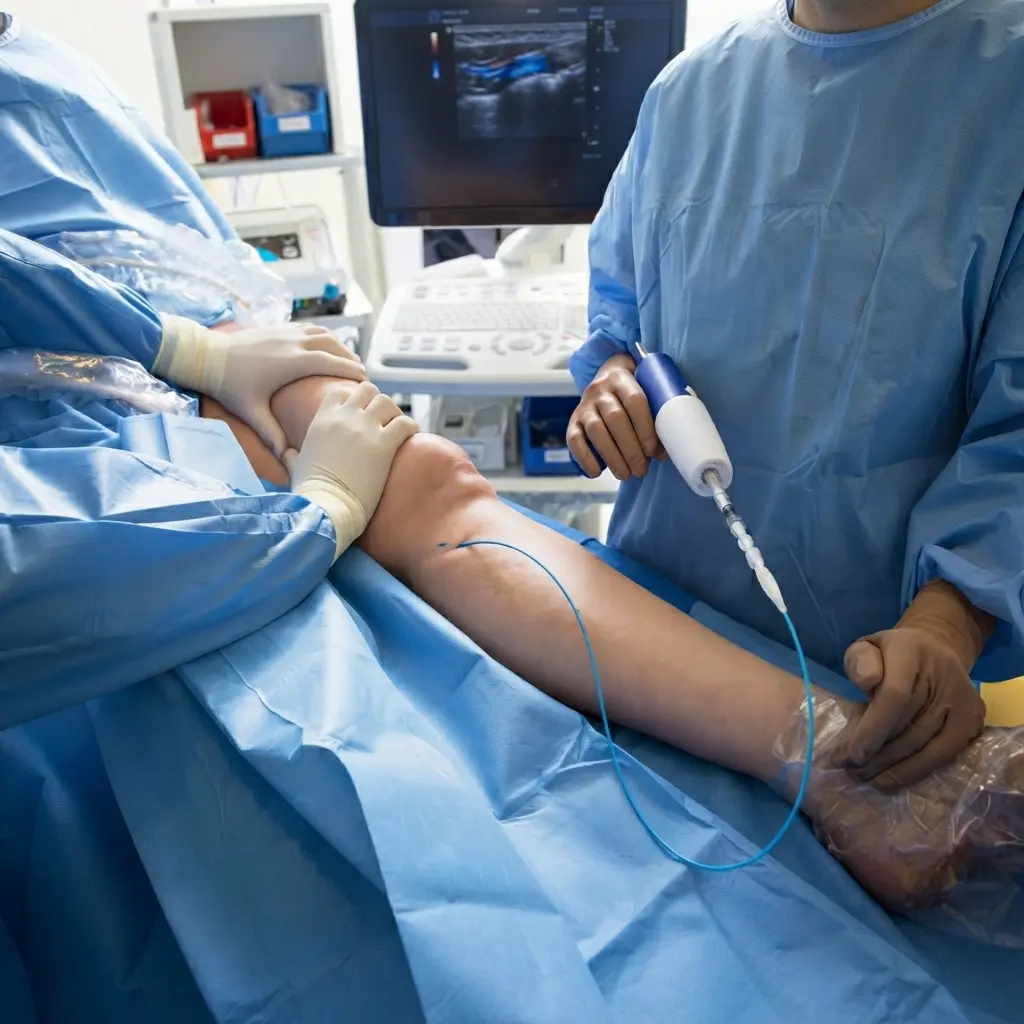
Endovenous ablation uses a catheter-based technique to treat selected abnormal veins.
Energy may be used to close the affected vein so that blood can be redirected through healthier veins.
Sclerotherapy
Sclerotherapy involves injecting a solution into selected abnormal veins to cause them to close.
It may be used for certain types of varicose or smaller abnormal veins.
Surgical Vein Treatment
Surgical treatment may be considered for selected patients with significant or persistent venous disease.
The treatment approach depends on:
Vein anatomy
Severity of disease
Previous treatment
Symptoms
Overall health
Varicose Veins and Leg Swelling
Varicose veins may contribute to leg swelling, particularly after prolonged standing or sitting.
Evaluation helps determine whether swelling is caused by venous disease or another medical condition.
Varicose Veins and Skin Changes
Long-standing venous disease may contribute to changes in the skin, including:
Darkening
Thickening
Dryness
Irritation
Other changes associated with chronic venous insufficiency
Venous Ulcers
Severe chronic venous disease can contribute to venous ulcers, particularly around the lower leg and ankle.
Treatment may require:
Venous evaluation
Wound care
Compression therapy
Treatment of venous reflux
Ongoing monitoring
Varicose Vein Treatment Planning
Treatment planning may consider:
Number of affected veins
Location of veins
Severity of reflux
Symptoms
Previous treatments
Overall health
Patient treatment goals
Post-Treatment Care
After vein treatment, patients may receive guidance regarding:
Walking
Activity levels
Compression therapy
Incision or treatment-site care
Medication
Follow-up appointments
Recovery After Varicose Vein Treatment
Recovery depends on the procedure performed.
Many minimally invasive treatments may allow patients to resume normal activities relatively quickly, although individual recovery varies.
Long-Term Venous Care
Patients with chronic venous disease may require continued management.
Long-term care may include:
Regular physical activity
Weight management
Compression therapy when appropriate
Monitoring for new symptoms
Follow-up vascular evaluation
Varicose Vein Second Opinion
Patients who have already received a recommendation for vein treatment may seek a varicose vein second opinion.
Specialists may review:
Venous ultrasound
Previous procedure reports
Medical records
Symptoms
Vein treatment recommendations
International Patients
International patients should provide relevant vascular records whenever possible.
Useful documents may include:
Venous duplex ultrasound
Previous vein procedure reports
Vascular consultation reports
Wound-care records
Laboratory results
Current medication list
Benefits of Specialized Varicose Vein Treatment
Specialized venous care may help:
Evaluate varicose veins
Identify venous reflux
Reduce leg discomfort
Manage leg swelling
Treat abnormal veins
Address chronic venous insufficiency
Support treatment of venous ulcers
Provide minimally invasive vein procedures
Develop individualized treatment plans
Provide vascular second opinions
Why Choose Cleveland Clinic for Varicose Vein Treatment?
Cleveland Clinic provides multidisciplinary vascular care involving vascular specialists, vascular surgeons, imaging professionals and other healthcare providers.
Depending on the patient's condition, treatment may include conservative management, compression therapy, minimally invasive vein procedures or surgical treatment.
Cost & Price on Request
Price: Price on Request
The total cost of varicose vein treatment depends on the severity of venous disease, diagnostic testing and procedure required.
Potential costs may include:
Vascular consultation
Physical examination
Venous ultrasound
Diagnostic testing
Compression therapy
Endovenous ablation
Sclerotherapy
Other vein procedures
Surgical treatment
Medications
Follow-up consultations
A personalized cost estimate should be requested according to the patient's individual treatment plan.
Frequently Asked Questions
1. What causes varicose veins?
Varicose veins commonly develop when blood does not flow efficiently through the veins, often because of venous valve dysfunction and reflux.
2. Can varicose veins be treated without surgery?
Yes. Depending on the condition, treatment may include compression therapy, exercise, lifestyle changes and minimally invasive procedures.
3. What test is commonly used to evaluate varicose veins?
A duplex ultrasound can evaluate venous blood flow, reflux, obstruction and vein anatomy.
4. Can varicose veins come back after treatment?
New varicose veins can develop over time, and some patients may require additional monitoring or treatment.
5. How much does varicose vein treatment cost?
Price is available on request. The final cost depends on consultation, ultrasound evaluation, the number and type of veins treated, procedure selection and follow-up care.
Product Details
Product Name: Varicose Vein Treatment
Hospital: Cleveland Clinic
Brand: Cleveland Clinic
Country: United States
Specialty: Vascular Medicine & Surgery
Service Type: Varicose Vein Treatment
Customer-Facing Price: Price on Request
International Patients: Available
Location: Cleveland, Ohio, USA
Related products

Aortic Disease Treatment
Frequently Bought Together
No frequently bought products found!
Products from this Seller
View All


Chemotherapy at Mayo Clinic
Immunotherapy at Mayo Clinic
Medical Tourism




Share with Friends
Trading is more effective when you share products with friends!Share you link
Share to