












Aneurysm Treatment at Cleveland Clinic
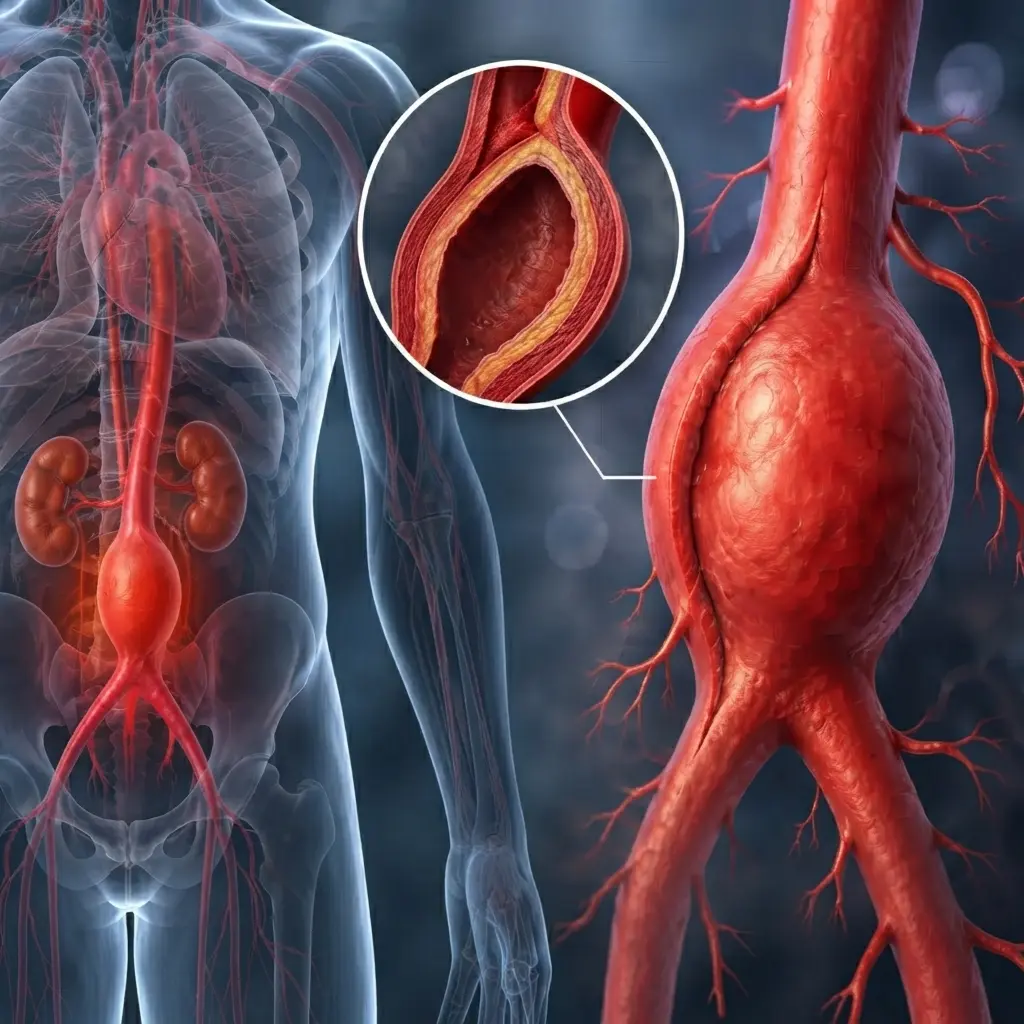
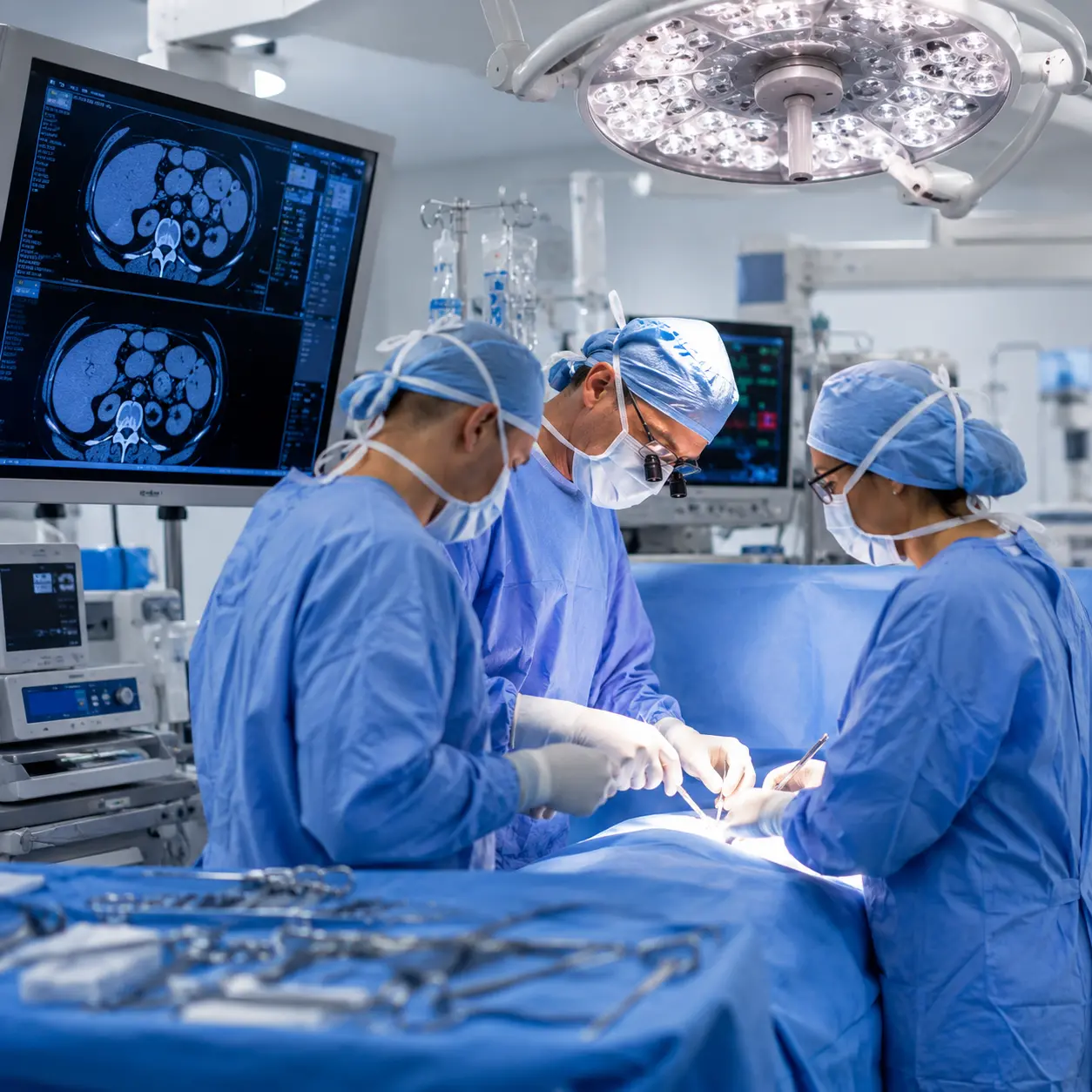
Aneurysm Treatment provides specialized evaluation and treatment for abnormal enlargement or weakening of blood vessel walls, including aneurysms affecting the aorta and other arteries. Treatment is individualized according to the aneurysm's location, size, growth rate, symptoms, anatomy and risk of rupture. Depending on the patient's condition, management may include regular imaging surveillance, medical treatment, minimally invasive endovascular procedures or open surgical repair.
Price
Price on Request
Why Price on Request?
The cost of aneurysm treatment depends on the type and location of the aneurysm, specialist consultation, diagnostic imaging, laboratory testing, treatment approach, medical devices, surgery, anesthesia, hospitalization and follow-up care required. A personalized estimate is provided according to the patient's treatment plan.
Complete Description
What Is Aneurysm Treatment?
Aneurysm Treatment focuses on the diagnosis, monitoring and treatment of weakened areas of blood vessels that have become abnormally enlarged.
Aneurysms may affect:
Aorta
Abdominal aorta
Thoracic aorta
Aortic arch
Peripheral arteries
Other blood vessels
Treatment depends on the characteristics and risk associated with the aneurysm.
Types of Aneurysms
Aneurysms may occur in different parts of the vascular system.
Common types include:
Abdominal aortic aneurysm
Thoracic aortic aneurysm
Aortic arch aneurysm
Peripheral artery aneurysm
Other arterial aneurysms
Aortic Aneurysm Treatment
Aortic aneurysms can develop in different sections of the aorta.
Treatment planning may consider:
Aneurysm size
Location
Growth rate
Symptoms
Shape
Vascular anatomy
Overall health
Abdominal Aortic Aneurysm
An abdominal aortic aneurysm develops in the portion of the aorta located in the abdomen.
Patients may require:
Regular imaging
Cardiovascular risk management
Medical treatment
Endovascular repair
Open surgical repair
The appropriate approach depends on the individual aneurysm.
Thoracic Aortic Aneurysm
A thoracic aortic aneurysm affects the portion of the aorta located in the chest.
Treatment may include:
Surveillance
Medical management
Endovascular repair
Open surgery
Aortic Arch Aneurysm
Aneurysms affecting the aortic arch can be complex because this portion of the aorta gives rise to arteries supplying the head and upper body.
Treatment may require advanced imaging and specialized surgical or endovascular planning.
Peripheral Artery Aneurysm
Aneurysms can also occur in arteries outside the aorta, including arteries supplying the limbs.
Treatment depends on:
Location
Size
Symptoms
Risk of clotting or rupture
Blood flow
Aneurysm Symptoms
Many aneurysms do not cause symptoms and may be discovered during imaging for another reason.
When symptoms occur, they may include:
Pain
Pressure
Pulsating sensation
Swelling
Other symptoms related to the aneurysm's location
Sudden severe symptoms may indicate an emergency.
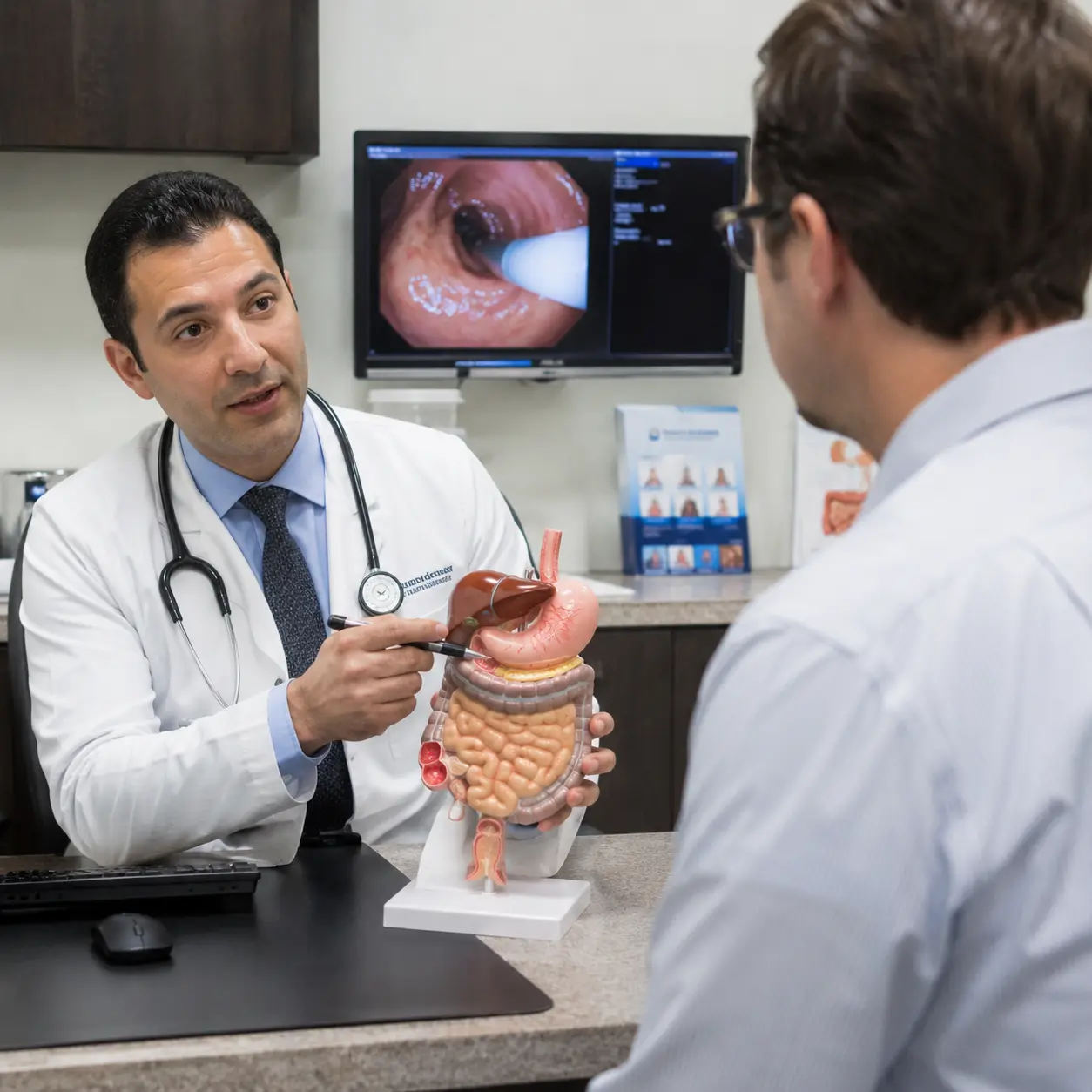
Aneurysm Diagnostic Evaluation
Evaluation may include:
Medical history
Physical examination
Cardiovascular assessment
Vascular examination
Imaging studies
Laboratory testing
The goal is to determine the aneurysm's size, location and characteristics.
Aneurysm Imaging
Imaging is essential for diagnosing and monitoring aneurysms.
Possible tests include:
CT angiography
MRI
Ultrasound
Echocardiography
Other specialized vascular imaging
Aneurysm Surveillance
Some aneurysms may be monitored rather than immediately treated.
Surveillance may assess:
Aneurysm size
Growth rate
Structural changes
Development of symptoms
Need for intervention
Follow-up intervals depend on the patient's condition.
Medical Management of Aneurysms
Selected patients may receive medical management to reduce cardiovascular and vascular risk.
Management may include:
Blood pressure control
Cholesterol management
Smoking cessation
Cardiovascular risk reduction
Regular imaging
Medication when appropriate
Endovascular Aneurysm Repair
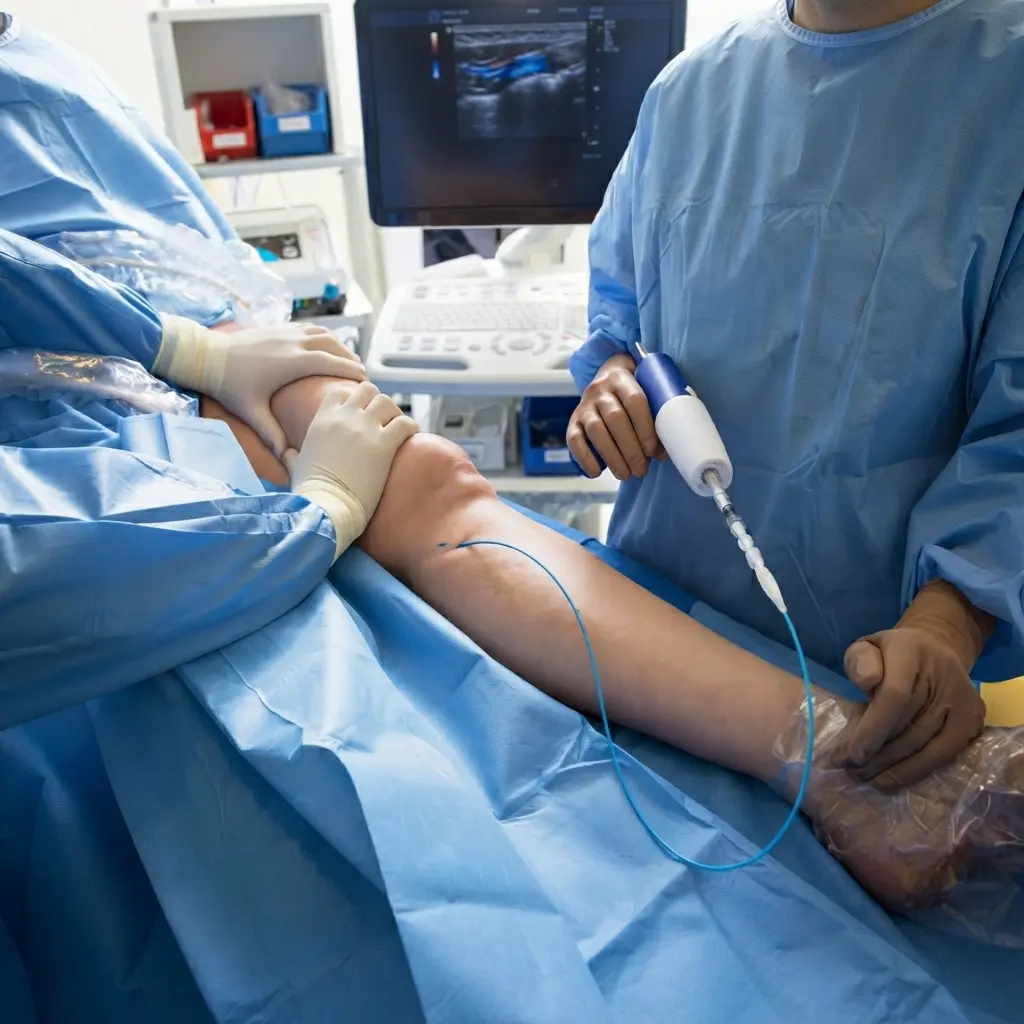
Endovascular aneurysm repair uses a catheter-based approach to place a specialized stent graft inside the affected blood vessel.
The stent graft helps reinforce the weakened area and redirect blood flow.
EVAR
Endovascular aneurysm repair (EVAR) is commonly used for selected abdominal aortic aneurysms.
A stent graft is positioned inside the aorta to help exclude the aneurysm from direct blood pressure.
TEVAR
Thoracic endovascular aortic repair (TEVAR) is a minimally invasive procedure used for selected conditions affecting the thoracic aorta.
It may be considered for certain thoracic aortic aneurysms and other appropriate aortic conditions.
Open Aneurysm Repair
Open surgery may be recommended for selected patients when endovascular treatment is not appropriate or when the aneurysm requires complex reconstruction.
Treatment may involve:
Surgical exposure of the affected vessel
Removal or exclusion of the diseased section
Graft placement
Vascular reconstruction
Complex Aneurysm Treatment
Some aneurysms involve difficult vascular anatomy or multiple sections of the aorta.
Complex treatment may require:
Advanced imaging
Specialized stent grafts
Open surgery
Endovascular procedures
Hybrid treatment
Multidisciplinary planning
Ruptured Aneurysm
A ruptured aneurysm can cause severe internal bleeding and is a medical emergency.
Emergency treatment may involve:
Immediate vascular evaluation
Emergency endovascular repair
Emergency open surgery
Blood transfusion
Intensive care
Aneurysm and Aortic Dissection
Aneurysms and aortic dissections are different conditions but may occur together.
Patients with complex aortic disease may require specialized imaging and treatment planning.
Aneurysm Treatment Planning
Treatment decisions may consider:
Aneurysm diameter
Location
Growth rate
Symptoms
Shape
Vascular anatomy
Age
Overall health
Surgical risk
Post-Treatment Monitoring
After aneurysm treatment, patients may require regular follow-up.
Monitoring may include:
CT angiography
Ultrasound
MRI
Physical examination
Blood pressure monitoring
Stent-graft assessment
Recovery After Aneurysm Treatment
Recovery depends on the treatment performed.
Patients may require:
Medication management
Activity guidance
Blood pressure control
Wound care after open surgery
Follow-up imaging
Vascular specialist appointments
Long-Term Aneurysm Follow-Up
Long-term monitoring may be necessary even after successful treatment.
Follow-up may evaluate:
Remaining sections of the aorta
Graft function
Stent-graft position
New aneurysm development
Recurrent vascular problems
Aneurysm and Cardiovascular Risk Management
Patients with aneurysms may benefit from management of cardiovascular risk factors, including:
High blood pressure
High cholesterol
Smoking
Diabetes
Physical inactivity
Aneurysm Second Opinion
Patients who have received a recommendation for aneurysm surgery or endovascular treatment may seek an aneurysm second opinion.
Specialists may review:
CT angiography
MRI
Ultrasound
Previous vascular reports
Aneurysm measurements
Medical history
Proposed treatment plan
International Patients
International patients should provide relevant vascular records whenever possible.
Useful documents may include:
CT angiography
MRI
Ultrasound
Echocardiography
Previous surgical reports
Angiography
Laboratory results
Current medication list
Benefits of Specialized Aneurysm Treatment
Specialized aneurysm care may help:
Diagnose aneurysms
Monitor aneurysm growth
Assess rupture risk
Manage cardiovascular risk factors
Provide endovascular aneurysm repair
Provide open aneurysm surgery
Treat complex aneurysms
Manage emergency aneurysm complications
Support long-term vascular monitoring
Provide specialized second opinions
Why Choose Cleveland Clinic for Aneurysm Treatment?
Cleveland Clinic provides multidisciplinary vascular and cardiovascular care involving vascular surgeons, cardiovascular specialists, imaging professionals, endovascular specialists and other healthcare providers.
Depending on the patient's condition, treatment may include surveillance, medical management, endovascular repair, open surgery or complex hybrid treatment.
Cost & Price on Request
Price: Price on Request
The total cost of aneurysm treatment depends on the type, location and complexity of the aneurysm and the treatment required.
Potential costs may include:
Vascular consultation
Diagnostic imaging
Laboratory testing
Endovascular aneurysm repair
Open aneurysm surgery
Stent graft
Anesthesia
Hospitalization
Intensive care
Medications
Follow-up imaging
Follow-up consultations
A personalized cost estimate should be requested according to the patient's individual treatment plan.
Frequently Asked Questions
1. What is an aneurysm?
An aneurysm is an abnormal enlargement or weakening of a blood vessel wall, commonly affecting the aorta or other arteries.
2. Does every aneurysm require surgery?
No. Some aneurysms can be managed with regular imaging, medical treatment and cardiovascular risk management, while others may require intervention.
3. What is EVAR?
EVAR is endovascular aneurysm repair, a minimally invasive procedure that uses a stent graft to treat selected abdominal aortic aneurysms.
4. Can aneurysms be treated without open surgery?
Yes. Selected aneurysms may be treated using endovascular procedures, depending on their location, anatomy and other clinical factors.
5. How much does aneurysm treatment cost?
Price is available on request. The final cost depends on consultation, imaging, treatment approach, medical devices, surgery, hospitalization and follow-up care.
Product Details
Product Name: Aneurysm Treatment
Hospital: Cleveland Clinic
Brand: Cleveland Clinic
Country: United States
Specialty: Vascular Medicine & Surgery
Service Type: Aneurysm Treatment
Customer-Facing Price: Price on Request
International Patients: Available
Location: Cleveland, Ohio, USA
Related products

Aortic Disease Treatment
Frequently Bought Together
No frequently bought products found!
Products from this Seller
View All





Chemotherapy at Mayo Clinic

Immunotherapy at Mayo Clinic
Medical Tourism




Share with Friends
Trading is more effective when you share products with friends!Share you link
Share to