












Peripheral Artery Disease Treatment at Cleveland Clinic
Peripheral Artery Disease Treatment provides specialized evaluation and treatment for peripheral artery disease (PAD), a condition in which narrowed or blocked arteries reduce blood flow, most commonly to the legs and feet. Treatment is individualized according to the severity of arterial disease, symptoms, circulation, overall cardiovascular health and risk of complications. Depending on the patient's condition, treatment may include lifestyle changes, medications, exercise therapy, minimally invasive procedures or vascular surgery.
Price
Price on Request
Why Price on Request?
The cost of peripheral artery disease treatment depends on the specialist consultation, vascular imaging, laboratory testing, severity of arterial blockage, medications, endovascular procedures, vascular surgery, hospitalization and follow-up care required. A personalized estimate is provided according to the patient's treatment plan.
Complete Description
What Is Peripheral Artery Disease?
Peripheral artery disease (PAD) occurs when arteries outside the heart and brain become narrowed or blocked, reducing blood flow to the limbs.
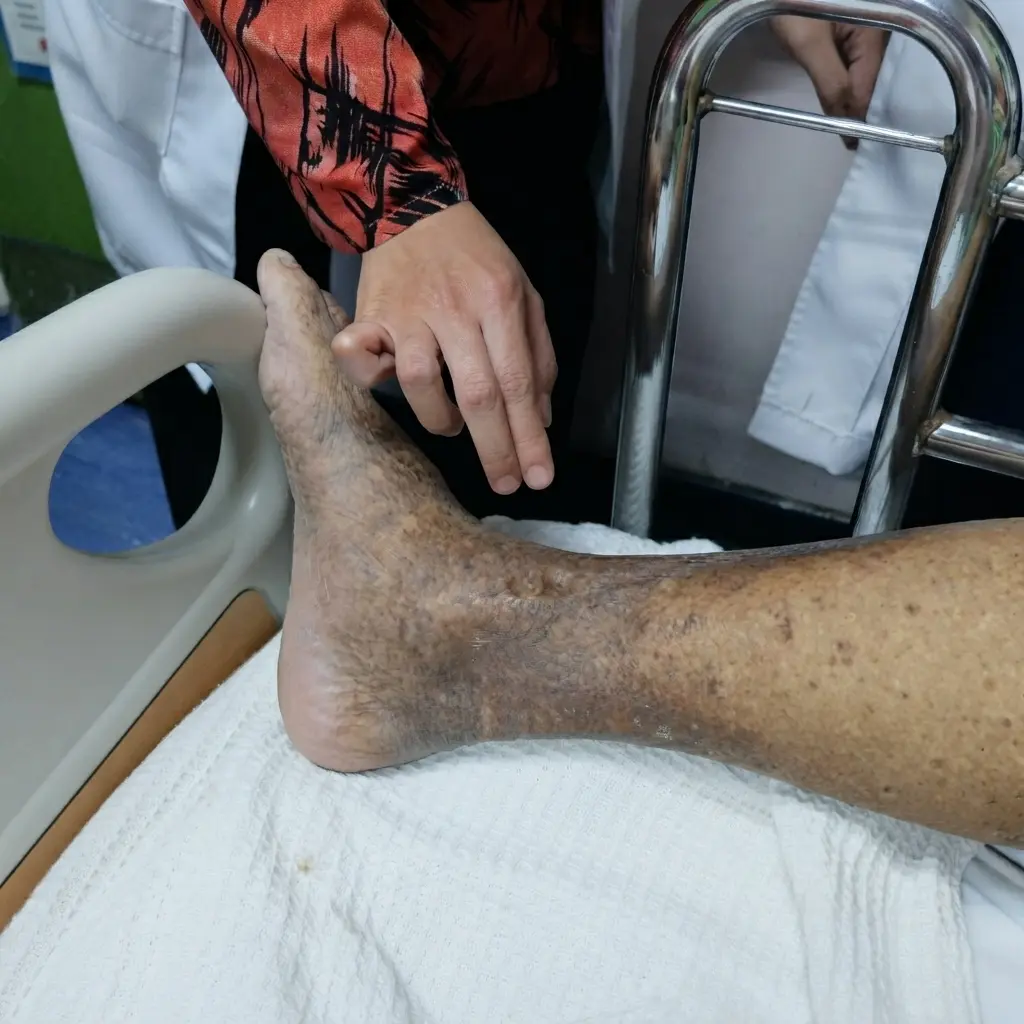
PAD most commonly affects the legs and may cause:
Leg pain while walking
Leg fatigue
Numbness
Cold feet
Weak pulses
Skin color changes
Slow-healing wounds
Peripheral Artery Disease Evaluation
A vascular specialist may evaluate:
Medical history
Symptoms
Walking limitations
Cardiovascular risk factors
Blood circulation
Pulses
Skin condition
Presence of wounds
The evaluation helps determine the severity and appropriate treatment approach.
Causes and Risk Factors
PAD is commonly associated with narrowing of the arteries caused by plaque buildup.
Risk factors may include:
Diabetes
Smoking
High blood pressure
High cholesterol
Obesity
Increasing age
Cardiovascular disease
Family history of vascular disease
Symptoms of Peripheral Artery Disease
Common symptoms may include:
Leg pain during walking
Leg cramps
Muscle fatigue
Numbness
Weakness
Coldness in the feet
Changes in skin color
Slow-healing wounds
Some patients may have PAD without obvious symptoms.
Claudication Treatment
Intermittent claudication refers to leg discomfort that develops during walking or exercise and improves with rest.
Treatment may focus on:
Structured exercise
Risk-factor management
Medications
Lifestyle changes
Revascularization when appropriate
Severe Peripheral Artery Disease
Advanced PAD can significantly reduce blood flow to the legs and feet.
Severe disease may cause:
Persistent pain
Non-healing wounds
Tissue damage
Reduced mobility
Risk of limb complications
Patients with severe symptoms may require urgent vascular evaluation.
Peripheral Artery Disease Diagnostic Testing
Diagnostic evaluation may include:
Ankle-brachial index
Doppler ultrasound
Duplex ultrasound
CT angiography
MR angiography
Conventional angiography
The appropriate testing depends on the patient's symptoms and clinical findings.
Ankle-Brachial Index
The ankle-brachial index (ABI) compares blood pressure in the ankle with blood pressure in the arm.
It can help identify reduced blood flow to the legs and support the diagnosis of PAD.
Doppler Ultrasound
Doppler ultrasound uses sound waves to evaluate blood flow through the arteries.
It may help identify:
Narrowed arteries
Blockages
Reduced blood flow
Abnormal circulation patterns
CT Angiography
CT angiography can provide detailed images of blood vessels.
It may be used to assess:
Location of arterial blockages
Severity of narrowing
Blood vessel anatomy
Treatment planning
MR Angiography
MR angiography can provide detailed vascular images without conventional catheter-based angiography.
It may be used in selected patients according to their medical condition and imaging needs.
Lifestyle and Risk-Factor Management
Treatment may include management of factors that contribute to vascular disease.
This may involve:
Smoking cessation
Healthy nutrition
Weight management
Blood pressure control
Cholesterol management
Diabetes management
Regular physical activity
Exercise Therapy
Structured exercise can be an important component of treatment for selected patients with PAD.
Exercise programs may focus on:
Walking
Gradual activity progression
Improving walking distance
Increasing endurance
Improving functional mobility
Medication Treatment
Depending on the patient's condition, medications may be used to manage:
Blood pressure
Cholesterol
Blood clot risk
Diabetes
PAD-related symptoms
Medication selection is individualized by the treating physician.
Endovascular Treatment
Some arterial blockages can be treated using minimally invasive catheter-based procedures.
Possible treatments may include:
Angioplasty
Stent placement
Other endovascular techniques
The appropriate procedure depends on the location and severity of the blockage.
Angioplasty for Peripheral Artery Disease
Angioplasty uses a catheter and balloon to widen a narrowed artery.
It may help improve blood flow in selected patients with significant arterial narrowing.
Stent Placement
A vascular stent may be placed inside an artery to help maintain blood flow after treatment of selected arterial blockages.
The decision to use a stent depends on the patient's vascular anatomy and clinical condition.
Peripheral Vascular Surgery
Surgery may be considered for patients with severe or complex arterial disease when medical or endovascular treatment is not sufficient or appropriate.
Surgical options may include:
Bypass surgery
Arterial reconstruction
Other vascular procedures
Peripheral Artery Bypass Surgery
Bypass surgery creates an alternative pathway for blood flow around a blocked or severely narrowed artery.
It may be considered for selected patients with advanced PAD.
Critical Limb Ischemia
Severe reduction in blood flow can lead to critical limb-threatening ischemia, which may cause pain at rest, wounds or tissue damage.
Treatment may require urgent evaluation and restoration of blood flow when possible.
PAD and Non-Healing Wounds
Reduced arterial blood flow can make wounds difficult to heal.
Vascular treatment may focus on:
Improving circulation
Treating arterial blockages
Wound care
Infection management
Preventing further tissue damage
PAD and Diabetes
Diabetes can increase the risk and severity of peripheral artery disease.
Patients with diabetes may require careful evaluation of:
Leg circulation
Foot health
Wounds
Blood glucose management
Cardiovascular risk factors
PAD and Smoking
Smoking is an important risk factor for peripheral artery disease.
Smoking cessation may be an important component of treatment and long-term vascular health.
PAD and Heart Disease
Peripheral artery disease can occur alongside other cardiovascular conditions.
Patients may also require evaluation and management of:
Coronary artery disease
High blood pressure
High cholesterol
Other vascular conditions
Post-Treatment Monitoring
After treatment, patients may require monitoring of:
Leg circulation
Walking ability
Symptoms
Wound healing
Blood pressure
Medication response
Vascular imaging when appropriate
Recovery After Peripheral Vascular Procedures
Recovery depends on the treatment performed.
Patients may require:
Activity modification
Walking programs
Medication management
Catheter-site care
Wound monitoring
Follow-up vascular examinations
Long-Term PAD Management
Peripheral artery disease is often a long-term condition requiring continued management.
Long-term care may include:
Regular vascular follow-up
Exercise
Healthy nutrition
Medication adherence
Cholesterol control
Blood pressure management
Diabetes management
Smoking cessation
Peripheral Artery Disease Second Opinion
Patients who have received a diagnosis or recommendation for vascular treatment may seek a PAD second opinion.
Specialists may review:
ABI results
Doppler ultrasound
CT angiography
MR angiography
Angiography
Previous vascular procedures
Medical records
Proposed treatment plan
International Patients
International patients should provide relevant vascular and cardiovascular records whenever possible.
Useful documents may include:
ABI reports
Doppler ultrasound
CT angiography
MR angiography
Angiography reports
Previous vascular surgery reports
Wound-care records
Laboratory results
Current medication list
Benefits of Specialized Peripheral Artery Disease Treatment
Specialized PAD care may help:
Diagnose arterial blockages
Improve blood circulation
Reduce walking-related symptoms
Manage cardiovascular risk factors
Treat severe arterial disease
Support wound healing
Provide endovascular treatment
Provide vascular surgery when appropriate
Reduce the risk of vascular complications
Develop long-term circulation management plans
Why Choose Cleveland Clinic for Peripheral Artery Disease Treatment?
Cleveland Clinic provides multidisciplinary vascular care involving vascular specialists, vascular surgeons, cardiologists, imaging specialists and other healthcare professionals.
Depending on the patient's condition, treatment may include lifestyle and medical management, structured exercise, endovascular procedures or vascular surgery.
Cost & Price on Request
Price: Price on Request
The total cost of peripheral artery disease treatment depends on the severity of arterial disease and the treatment required.
Potential costs may include:
Vascular consultation
Physical examination
ABI testing
Doppler ultrasound
CT angiography
MR angiography
Laboratory testing
Medications
Angioplasty
Stent placement
Vascular surgery
Hospitalization
Wound care
Follow-up consultations
A personalized cost estimate should be requested according to the patient's individual treatment plan.
Frequently Asked Questions
1. What is peripheral artery disease?
Peripheral artery disease is a condition in which arteries outside the heart and brain become narrowed or blocked, reducing blood flow, commonly to the legs and feet.
2. What are common symptoms of PAD?
Common symptoms include leg pain while walking, numbness, weakness, cold feet, skin changes and slow-healing wounds.
3. Can peripheral artery disease be treated without surgery?
Yes. Treatment may include exercise, lifestyle changes, medications and management of cardiovascular risk factors. Some patients may require endovascular treatment or surgery.
4. When is vascular surgery needed for PAD?
Surgery may be considered for severe or complex arterial disease when other appropriate treatments are not sufficient or suitable.
5. How much does peripheral artery disease treatment cost?
Price is available on request. The final cost depends on consultation, diagnostic testing, medications, endovascular procedures, surgery and follow-up care.
Product Details
Product Name: Peripheral Artery Disease Treatment
Hospital: Cleveland Clinic
Brand: Cleveland Clinic
Country: United States
Specialty: Vascular Medicine & Surgery
Service Type: Peripheral Artery Disease Treatment
Customer-Facing Price: Price on Request
International Patients: Available
Location: Cleveland, Ohio, USA
Related products

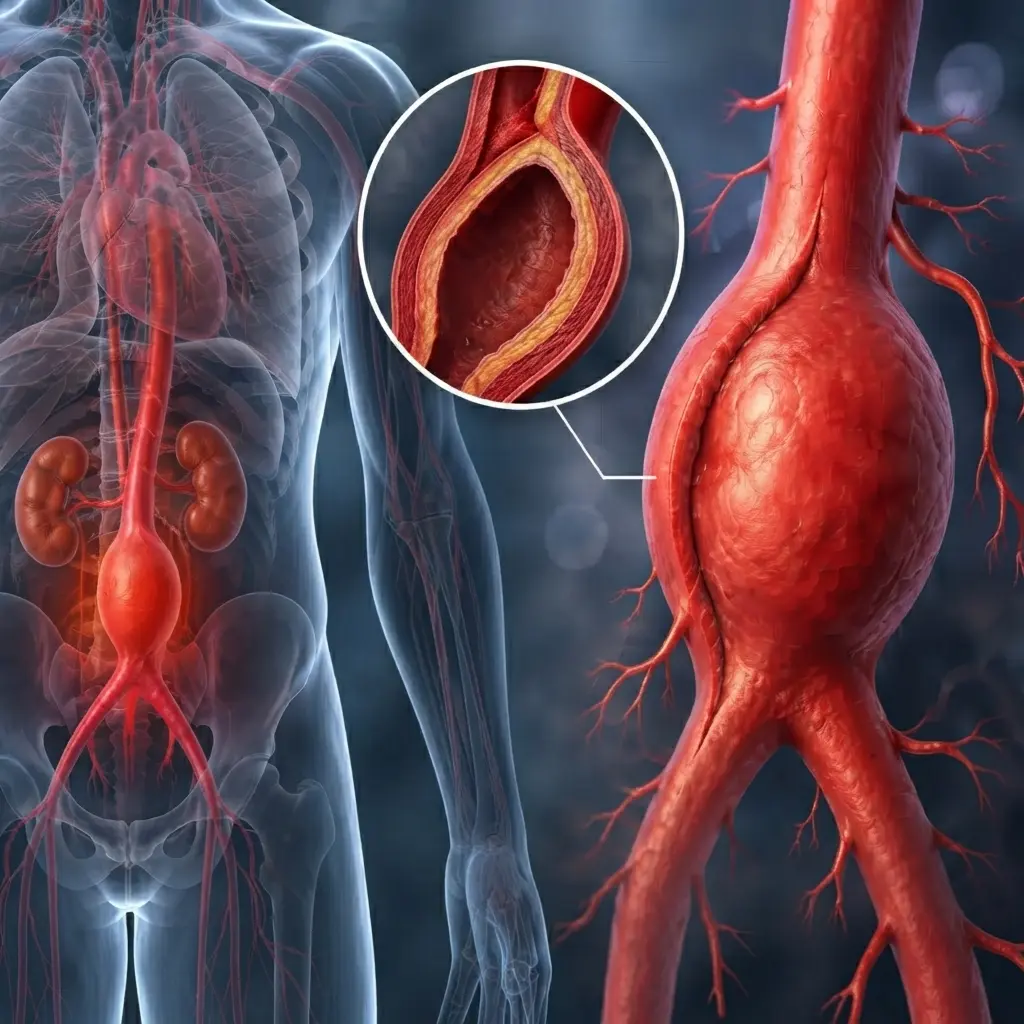
Aortic Disease Treatment
Frequently Bought Together
No frequently bought products found!
Products from this Seller
View All








Chemotherapy at Mayo Clinic
Immunotherapy at Mayo Clinic

Medical Tourism




Share with Friends
Trading is more effective when you share products with friends!Share you link
Share to