











Endovascular Procedures at Cleveland Clinic
Endovascular Procedures provide minimally invasive treatment for diseases affecting the arteries, veins and blood vessels using specialized catheters, guidewires, balloons, stents and other vascular devices. These procedures may be used to improve blood flow, open narrowed or blocked vessels, repair selected aneurysms and treat other vascular conditions. Treatment is individualized according to the patient's diagnosis, vascular anatomy, disease severity and overall health.
Price
Price on Request
Why Price on Request?
The cost of endovascular treatment depends on the vascular consultation, diagnostic imaging, laboratory testing, type of procedure, medical devices, anesthesia or sedation, hospitalization and follow-up care required. A personalized estimate is provided according to the patient's treatment plan.
Complete Description
What Are Endovascular Procedures?
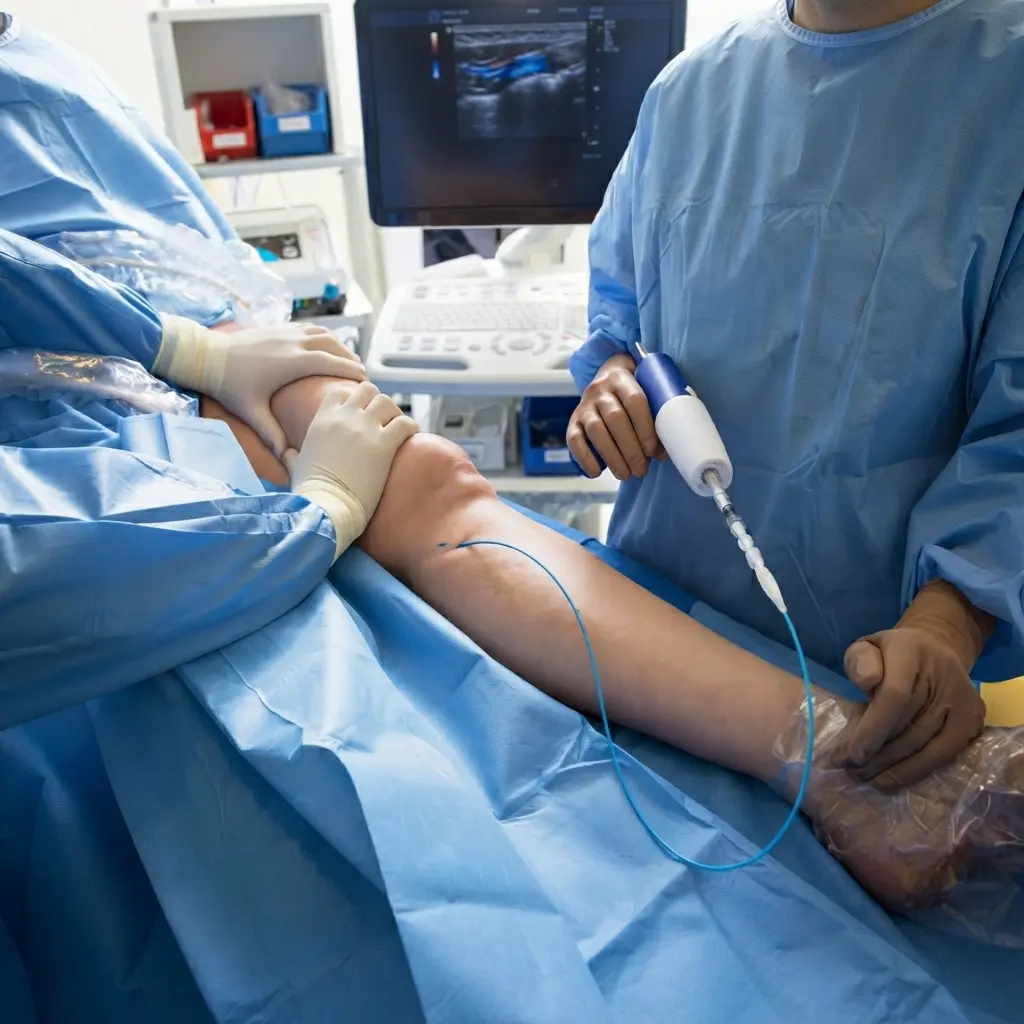
Endovascular Procedures are minimally invasive treatments performed from inside a blood vessel.
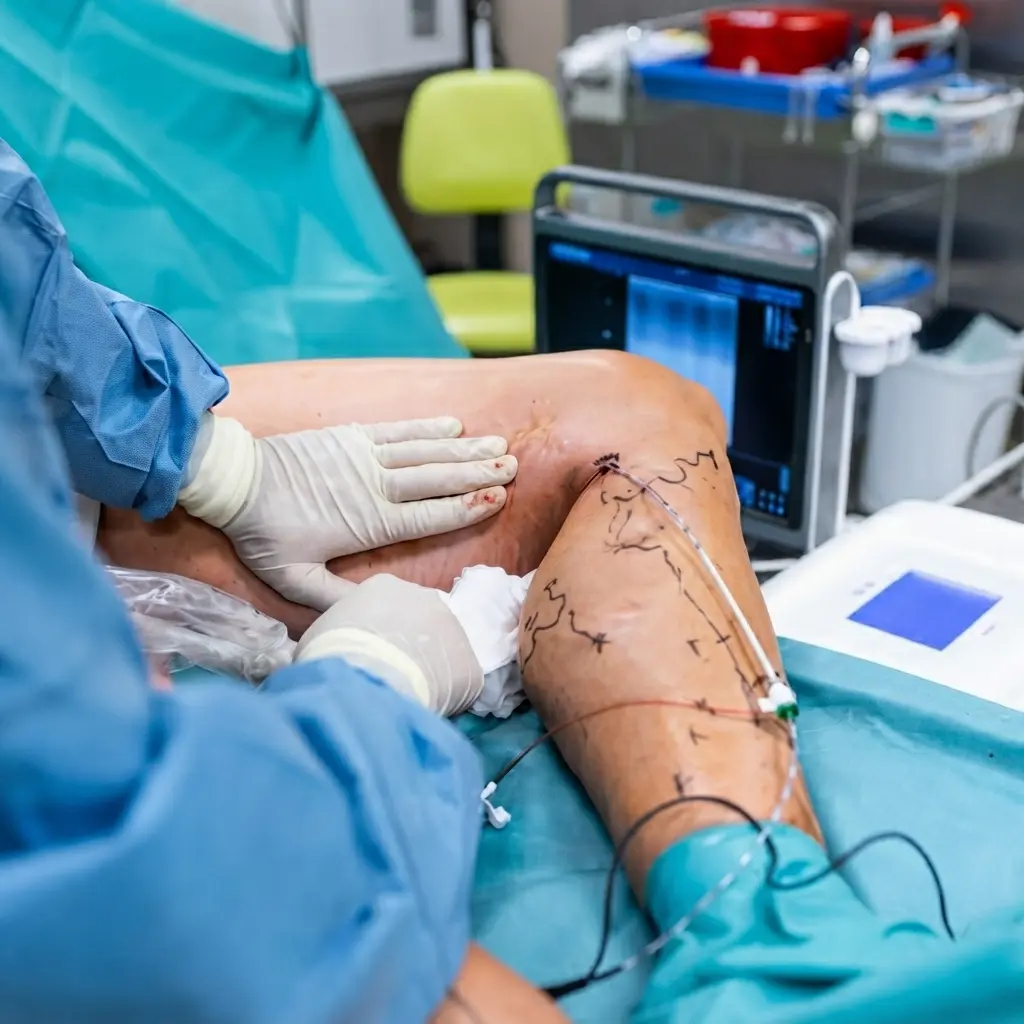
A catheter is typically inserted through a blood vessel and guided to the area requiring treatment.
Endovascular techniques may be used for:
Arterial blockages
Peripheral artery disease
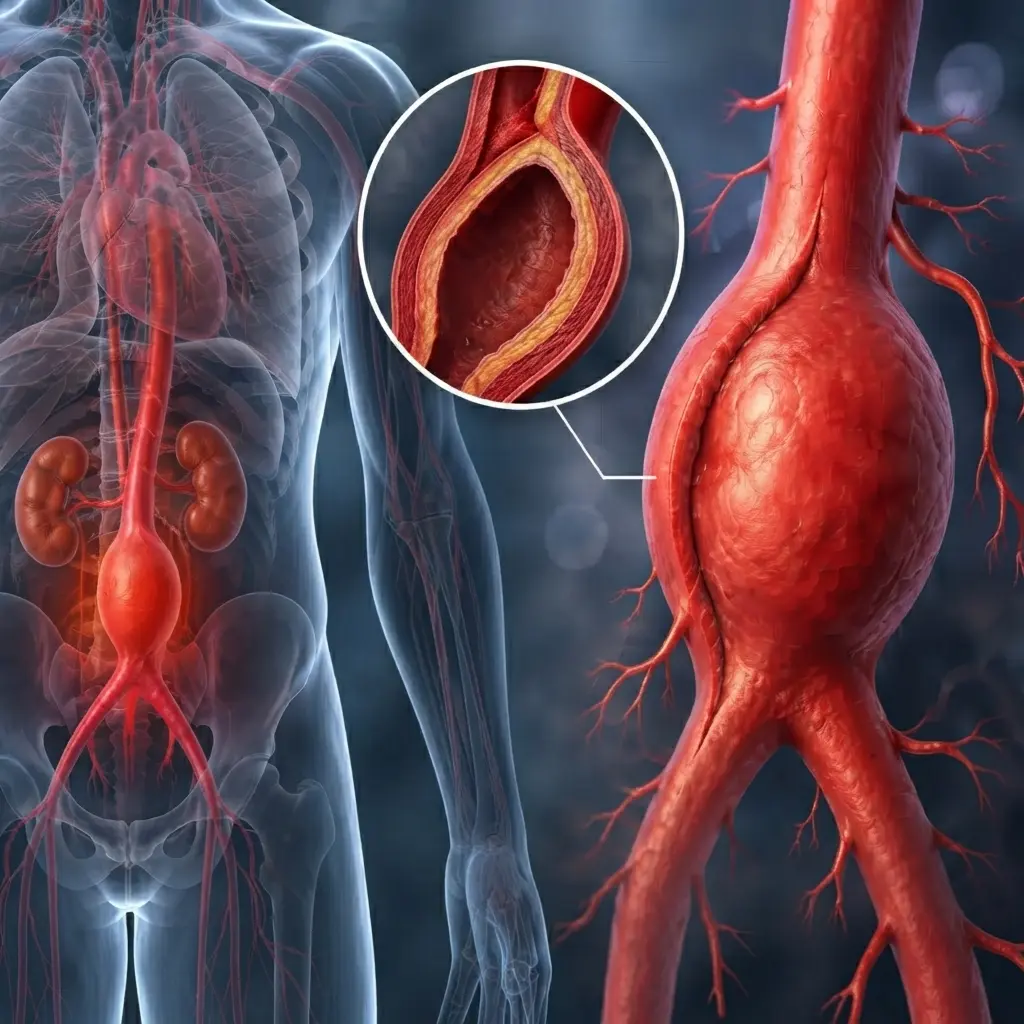
Aneurysms
Carotid artery disease
Aortic disease
Other vascular conditions
Conditions Treated With Endovascular Procedures
Endovascular treatment may be considered for selected patients with:
Peripheral artery disease
Arterial stenosis
Arterial blockages
Aortic aneurysms
Carotid artery disease
Thoracic aortic disease
Other vascular disorders
Endovascular Evaluation
Before a procedure, specialists may evaluate:
Medical history
Symptoms
Vascular anatomy
Blood circulation
Previous procedures
Kidney function
Cardiovascular health
Overall medical condition
Vascular Imaging
Imaging is important for planning endovascular treatment.
Possible studies include:
Duplex ultrasound
CT angiography
MR angiography
Conventional angiography
Imaging helps identify the location and severity of vascular disease.
Angiography
Angiography uses contrast material and specialized imaging to visualize blood vessels.
It can help identify:
Narrowed arteries
Blocked vessels
Aneurysms
Abnormal blood flow
Vascular anatomy
Angioplasty
Angioplasty uses a small balloon attached to a catheter to widen a narrowed blood vessel.
It may be used for selected patients with significant arterial narrowing.
Vascular Stent Placement
A stent is a small mesh-like device placed inside a blood vessel to help maintain an open passage for blood flow.
Stents may be used in selected arterial conditions.
Peripheral Endovascular Treatment
Endovascular procedures may be used to treat peripheral artery disease affecting the legs.
Possible procedures include:
Angioplasty
Stent placement
Other catheter-based techniques
The treatment depends on the location and severity of the arterial blockage.
Carotid Endovascular Treatment
Selected patients with carotid artery disease may be considered for minimally invasive treatment.
Carotid artery stenting uses a catheter-based approach to place a stent in the carotid artery.
Aortic Endovascular Treatment
Certain aortic conditions may be treated using endovascular techniques.
Treatment may include:
Endovascular aneurysm repair
Thoracic endovascular aortic repair
Stent-graft placement
Endovascular Aneurysm Repair
Endovascular aneurysm repair uses a specialized stent graft to reinforce the weakened section of an artery.
It may be used for selected patients with certain aortic aneurysms.
Thoracic Endovascular Aortic Repair
TEVAR is an endovascular procedure used to treat selected conditions affecting the thoracic aorta.
It may be considered for certain:
Thoracic aortic aneurysms
Aortic dissections
Other thoracic aortic conditions
Abdominal Endovascular Aneurysm Repair
EVAR is a minimally invasive procedure used for selected abdominal aortic aneurysms.
A stent graft is placed inside the aorta to help exclude the aneurysm from normal blood flow.
Endovascular Treatment for Arterial Blockages
Catheter-based procedures may help restore blood flow through selected blocked or narrowed arteries.
Treatment may involve:
Balloon angioplasty
Stent placement
Other specialized vascular techniques
Endovascular Treatment for Limb Ischemia
Patients with severe reduction in blood flow to the legs may require urgent vascular evaluation.
Selected patients may undergo endovascular treatment to improve circulation and support limb preservation.
Endovascular Treatment for Complex Vascular Disease
Some patients have vascular disease involving multiple vessels or complicated anatomy.
Treatment planning may require:
Advanced vascular imaging
Specialized endovascular techniques
Multidisciplinary evaluation
Combined endovascular and surgical approaches
Hybrid Vascular Procedures
In selected complex cases, endovascular treatment may be combined with open surgery.
Hybrid procedures may be considered when a single treatment approach is not sufficient.
Catheter-Based Treatment
Endovascular procedures generally involve:
Vascular access
Catheter placement
Guidewire navigation
Imaging guidance
Treatment of the affected vessel
Removal of the catheter
The specific technique varies according to the procedure.
Anesthesia and Sedation
Depending on the procedure, patients may receive:
Local anesthesia
Conscious sedation
Regional anesthesia
General anesthesia
The choice depends on the procedure and patient's medical condition.
Recovery After Endovascular Procedures
Recovery varies depending on the type and complexity of the procedure.
Patients may require monitoring of:
Blood circulation
Vascular access site
Blood pressure
Heart rhythm
Kidney function
Symptoms
Post-Procedure Monitoring
Follow-up may include:
Physical examination
Vascular ultrasound
CT imaging when appropriate
Medication review
Assessment of blood flow
Monitoring of stents or stent grafts
Medication After Endovascular Treatment
Some patients may require medications after endovascular treatment.
Medication plans may focus on:
Preventing blood clots
Managing cholesterol
Controlling blood pressure
Managing other cardiovascular risk factors
Long-Term Endovascular Follow-Up
Patients who receive vascular stents or stent grafts may require ongoing monitoring.
Follow-up may evaluate:
Blood flow
Stent position
Stent-graft function
Recurrent narrowing
Other vascular changes
Endovascular Procedure Second Opinion
Patients who have received a recommendation for an endovascular procedure may seek a vascular second opinion.
Specialists may review:
Angiography
CT angiography
MR angiography
Ultrasound
Previous procedure reports
Medical records
Proposed treatment plan
International Patients
International patients should provide relevant vascular records whenever possible.
Useful documents may include:
CT angiography
MR angiography
Doppler ultrasound
Angiography reports
Previous vascular procedure reports
Laboratory results
Current medication list
Benefits of Specialized Endovascular Procedures
Endovascular care may help:
Treat vascular blockages
Improve blood circulation
Treat selected aneurysms
Reduce the need for open surgery in appropriate cases
Treat peripheral artery disease
Treat selected carotid conditions
Treat selected aortic conditions
Provide minimally invasive vascular treatment
Support limb preservation
Provide individualized vascular treatment plans
Why Choose Cleveland Clinic for Endovascular Procedures?
Cleveland Clinic provides multidisciplinary vascular care involving vascular specialists, vascular surgeons, interventional specialists, cardiovascular imaging professionals and other healthcare providers.
Depending on the patient's condition, treatment may include angioplasty, stent placement, endovascular aneurysm repair, thoracic endovascular treatment or combined vascular procedures.
Cost & Price on Request
Price: Price on Request
The total cost of an endovascular procedure depends on the vascular condition, complexity of treatment and resources required.
Potential costs may include:
Vascular consultation
Diagnostic imaging
Angiography
Laboratory testing
Endovascular procedure
Balloons
Stents or stent grafts
Anesthesia or sedation
Hospitalization
Medications
Follow-up imaging
Follow-up consultations
A personalized cost estimate should be requested according to the patient's individual treatment plan.
Frequently Asked Questions
1. What are endovascular procedures?
Endovascular procedures are minimally invasive treatments performed from inside a blood vessel using catheters, guidewires, balloons, stents or other specialized devices.
2. What conditions can be treated with endovascular procedures?
They may be used for selected cases of peripheral artery disease, arterial blockages, aneurysms, carotid artery disease and aortic disease.
3. Is endovascular treatment less invasive than open surgery?
Endovascular procedures generally use small vascular access sites rather than a large surgical incision, although the appropriate treatment depends on the patient's condition.
4. What is angioplasty?
Angioplasty is a catheter-based procedure that uses a balloon to widen a narrowed blood vessel and improve blood flow.
5. How much do endovascular procedures cost?
Price is available on request. The final cost depends on the procedure, imaging, medical devices, anesthesia, hospitalization and follow-up care.
Product Details
Product Name: Endovascular Procedures
Hospital: Cleveland Clinic
Brand: Cleveland Clinic
Country: United States
Specialty: Vascular Medicine & Surgery
Service Type: Endovascular Procedures
Customer-Facing Price: Price on Request
International Patients: Available
Location: Cleveland, Ohio, USA
Related products

Aortic Disease Treatment
Frequently Bought Together
No frequently bought products found!
Products from this Seller
View All





Chemotherapy at Mayo Clinic

Immunotherapy at Mayo Clinic
Medical Tourism




Share with Friends
Trading is more effective when you share products with friends!Share you link
Share to