













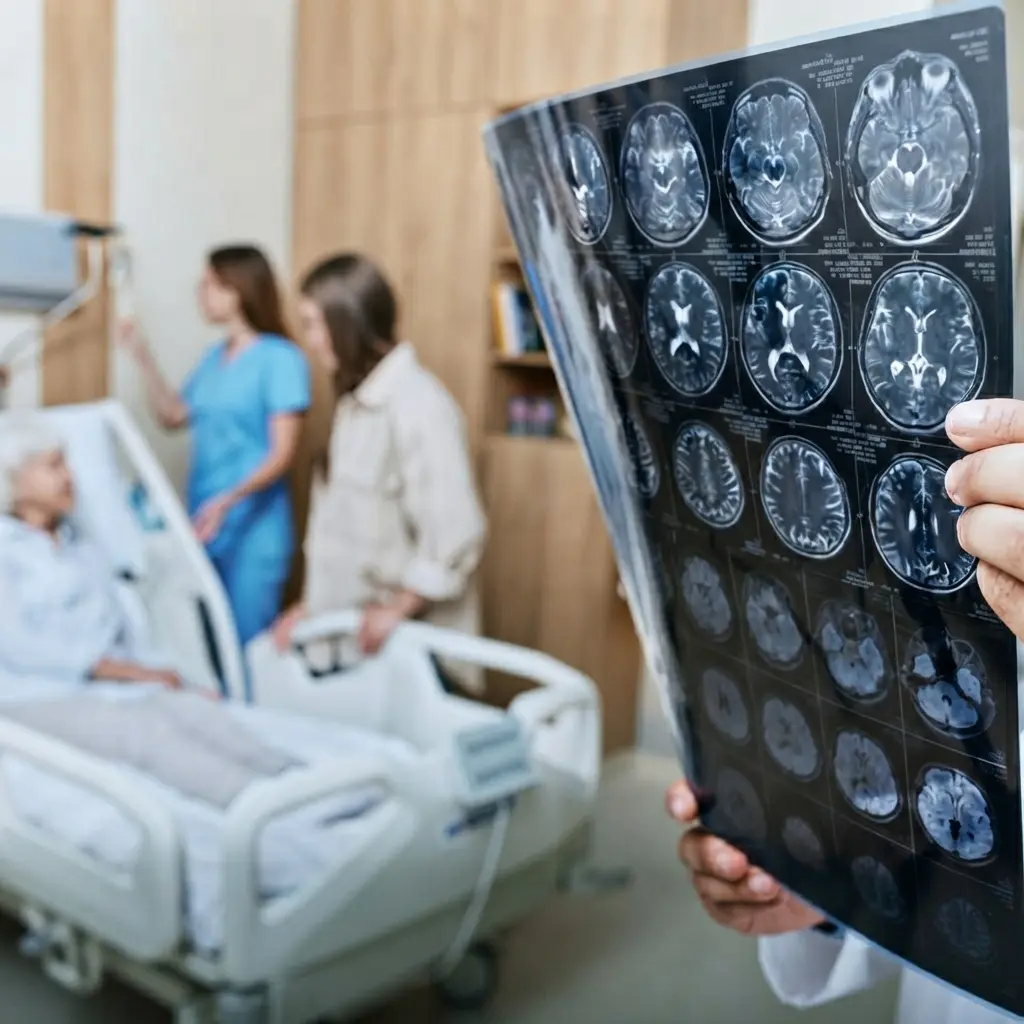
Stroke Evaluation & Treatment at Mayo Clinic
Stroke Evaluation & Treatment provides specialized assessment, diagnosis, emergency management and ongoing care for patients with ischemic stroke, hemorrhagic stroke, transient ischemic attacks and other cerebrovascular conditions. A multidisciplinary stroke team may use advanced neurological evaluation, brain imaging, vascular testing, medical treatment, procedures, rehabilitation and secondary prevention strategies based on the patient's condition and timing of symptoms.
Price
Price on Request
Why Price on Request?
The cost of stroke evaluation and treatment depends on the type and severity of the stroke, emergency or specialist consultation, brain and vascular imaging, laboratory testing, medications, procedures, hospitalization, intensive care, rehabilitation and follow-up treatment required. A personalized estimate is provided according to the patient's individual medical needs.
Complete Description
What Is Stroke Evaluation & Treatment?
Stroke Evaluation & Treatment focuses on rapidly identifying the type and cause of a stroke and providing appropriate treatment to reduce brain injury and support recovery.
Stroke care may involve neurologists, emergency physicians, neuroradiologists, neurosurgeons, rehabilitation specialists and other medical professionals working together according to the patient's condition.
Types of Stroke Evaluated and Treated
Stroke specialists may evaluate and treat:
Ischemic stroke
Hemorrhagic stroke
Intracerebral hemorrhage
Subarachnoid hemorrhage
Transient ischemic attack
Cerebrovascular disorders
Carotid artery disease
Cerebral vascular abnormalities
Stroke caused by blood clots
Stroke associated with vascular conditions
Other neurological vascular emergencies
Stroke Evaluation
A stroke evaluation may include:
Detailed medical history
Neurological examination
Assessment of symptoms
Evaluation of symptom onset
Blood pressure measurement
Blood testing
Brain imaging
Vascular imaging
Heart evaluation when indicated
Review of medications
Assessment of stroke risk factors
The goal is to determine whether a stroke has occurred, identify its type and establish the most appropriate treatment strategy.
Recognizing Stroke Symptoms
Stroke symptoms may develop suddenly and can include:
Facial weakness
Arm or leg weakness
Numbness
Difficulty speaking
Difficulty understanding speech
Sudden vision problems
Severe dizziness
Loss of balance
Difficulty walking
Sudden severe headache
Confusion
Suspected stroke is a medical emergency and requires immediate medical evaluation.
Ischemic Stroke Treatment
An ischemic stroke occurs when blood flow to part of the brain becomes blocked.
Treatment may involve:
Emergency neurological evaluation
Brain imaging
Vascular imaging
Clot-dissolving medication for eligible patients
Mechanical clot removal for selected patients
Supportive medical treatment
Monitoring for complications
Secondary stroke prevention
Treatment depends heavily on the timing of symptoms and the patient's clinical condition.
Thrombolytic Treatment
Certain eligible patients with ischemic stroke may receive medication designed to dissolve a blood clot.
Treatment eligibility depends on factors such as:
Time since symptoms began
Brain imaging results
Stroke severity
Medical history
Risk of bleeding
Other clinical considerations
Rapid evaluation is important because some stroke treatments are time-sensitive.
Mechanical Thrombectomy
Selected patients with certain types of ischemic stroke caused by a large blood-vessel blockage may be candidates for mechanical thrombectomy.
This procedure uses specialized catheter-based techniques to remove the clot and restore blood flow.
Eligibility depends on:
Blood vessel involved
Brain imaging
Time from symptom onset
Brain tissue status
Overall clinical condition
Hemorrhagic Stroke Treatment
A hemorrhagic stroke occurs when a blood vessel in the brain ruptures and causes bleeding.
Treatment may involve:
Blood pressure management
Reversal of certain blood-thinning medications when appropriate
Monitoring of brain pressure
Management of complications
Neurosurgical evaluation
Endovascular treatment when indicated
Rehabilitation
The treatment approach depends on the location and cause of the bleeding.
Intracerebral Hemorrhage Treatment
Intracerebral hemorrhage involves bleeding within the brain tissue.
Management may include:
Neurological monitoring
Blood pressure control
Medication management
Management of brain swelling
Neurosurgical assessment
Minimally invasive or surgical procedures in selected cases
Rehabilitation
Treatment decisions depend on the size and location of the hemorrhage and the patient's neurological condition.
Subarachnoid Hemorrhage Treatment
Subarachnoid hemorrhage involves bleeding into the space surrounding the brain.
It may be associated with a ruptured brain aneurysm.
Treatment may include:
Emergency neurological care
Brain imaging
Cerebral angiography
Aneurysm clipping
Endovascular aneurysm treatment
Monitoring for complications
Intensive neurological care
Rehabilitation
Urgent evaluation is required for suspected subarachnoid hemorrhage.
Transient Ischemic Attack Evaluation
A transient ischemic attack (TIA) can cause stroke-like symptoms that resolve.
Even when symptoms disappear, urgent evaluation may be important because TIA can indicate an increased risk of future stroke.
Evaluation may include:
Neurological examination
Brain imaging
Vascular imaging
Heart evaluation
Blood testing
Assessment of stroke risk factors
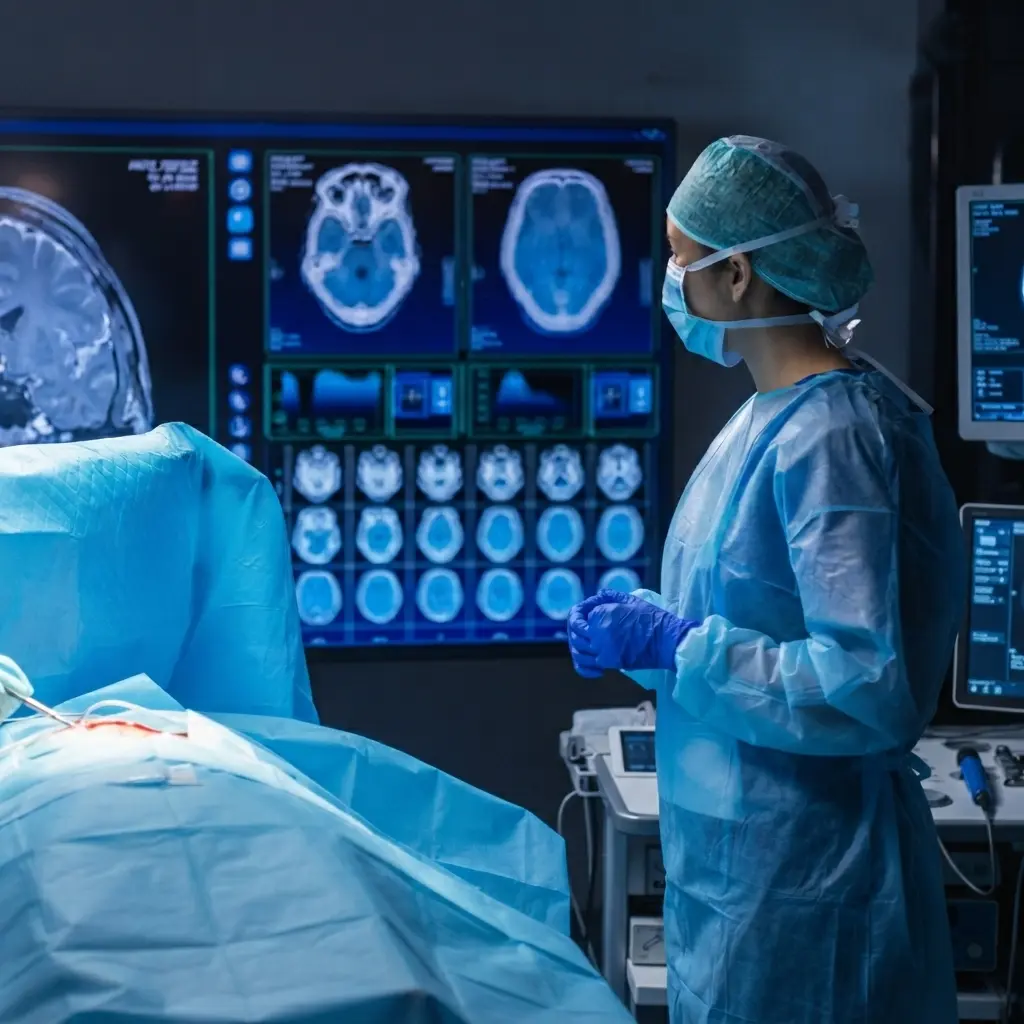
Brain Imaging for Stroke
Brain imaging is an important part of stroke evaluation.
Testing may include:
CT scan
CT angiography
CT perfusion
MRI
MR angiography
Cerebral angiography
Imaging can help determine the type of stroke, identify blocked or damaged blood vessels and evaluate affected brain tissue.
Vascular Imaging
Vascular studies may be used to evaluate blood vessels supplying the brain.
These may include:
CT angiography
MR angiography
Carotid imaging
Cerebral angiography
Other specialized vascular studies
Vascular imaging can help identify blockages, aneurysms, vascular malformations and other abnormalities.
Stroke Risk Assessment
Specialists may evaluate risk factors such as:
High blood pressure
Diabetes
High cholesterol
Smoking
Heart disease
Atrial fibrillation
Previous TIA
Previous stroke
Carotid artery disease
Family history
Other vascular risk factors
Identifying risk factors can help guide prevention strategies.
Cardiac Evaluation After Stroke
Some strokes may be associated with heart conditions or abnormal heart rhythms.
Depending on the clinical situation, evaluation may include:
Electrocardiogram
Heart rhythm monitoring
Echocardiography
Other cardiac testing
The purpose is to identify potential sources of blood clots or other cardiovascular causes.
Stroke Prevention
After a stroke or TIA, treatment may focus on reducing the risk of another stroke.
Prevention strategies may include:
Blood pressure management
Cholesterol management
Diabetes control
Medication management
Smoking cessation
Physical activity
Healthy nutrition
Weight management
Treatment of heart rhythm disorders
Management of carotid disease when appropriate
The prevention plan is individualized according to the cause and risk factors.
Medication Management After Stroke
Depending on the type and cause of stroke, medications may include:
Antiplatelet medications
Anticoagulant medications
Cholesterol-lowering medications
Blood pressure medications
Diabetes medications
Other preventive medications
Medication selection depends on the patient's diagnosis and individual risk factors.
Carotid Artery Disease Evaluation
Narrowing of the carotid arteries can increase the risk of ischemic stroke.
Evaluation may include:
Carotid ultrasound
CT angiography
MR angiography
Neurological assessment
Vascular consultation
Selected patients may require procedures to reduce the risk of future stroke.
Neurosurgical Stroke Treatment
Certain stroke conditions may require neurosurgical evaluation.
Surgical or procedural treatment may be considered for:
Brain hemorrhage
Brain swelling
Certain aneurysms
Vascular malformations
Hydrocephalus associated with bleeding
Other serious cerebrovascular conditions
The appropriate treatment depends on the underlying condition.
Endovascular Stroke Treatment
Endovascular procedures use catheter-based techniques to treat certain vascular conditions.
They may be used for:
Mechanical thrombectomy
Brain aneurysm treatment
Selected vascular malformations
Other cerebrovascular procedures
The treatment depends on the patient's vascular anatomy and diagnosis.
Stroke Rehabilitation
Rehabilitation is an important part of recovery for many stroke patients.
Rehabilitation may include:
Physical therapy
Occupational therapy
Speech therapy
Balance training
Walking rehabilitation
Strength training
Coordination exercises
Cognitive rehabilitation
Swallowing therapy
The rehabilitation plan is based on the patient's neurological deficits and recovery goals.
Physical Rehabilitation After Stroke
Physical therapy may help address:
Weakness
Walking difficulties
Balance problems
Muscle stiffness
Coordination difficulties
Reduced mobility
Fall risk
Therapy focuses on improving safe movement and functional independence.
Speech and Language Rehabilitation
Stroke can affect speech, language and communication.
Speech-language therapy may address:
Difficulty speaking
Difficulty understanding language
Word-finding problems
Communication difficulties
Cognitive-communication problems
Swallowing assessment and treatment may also be provided when clinically necessary.
Occupational Therapy After Stroke
Occupational therapy may help patients regain independence with:
Dressing
Eating
Personal care
Household activities
Work-related activities
Hand function
Daily routines
Therapy is tailored to the patient's functional limitations.
Cognitive Rehabilitation
Some stroke survivors experience difficulties involving:
Memory
Attention
Concentration
Problem-solving
Planning
Processing speed
Cognitive rehabilitation may help patients develop strategies to manage these challenges and improve daily functioning.
Stroke Recovery
Stroke recovery varies according to:
Type of stroke
Location of brain injury
Stroke severity
Speed of treatment
Age and overall health
Neurological deficits
Rehabilitation participation
Other medical conditions
Recovery may continue over weeks, months or longer, depending on the individual.
Long-Term Stroke Care
Long-term stroke management may include:
Neurological follow-up
Medication monitoring
Risk-factor management
Rehabilitation
Physical activity planning
Cognitive assessment
Communication support
Prevention of recurrent stroke
Ongoing care is individualized according to the patient's condition and recovery.
Stroke Second Opinion
Patients who have received a stroke diagnosis or treatment recommendation may seek a stroke specialist second opinion.
The specialist may review:
MRI scans
CT scans
Vascular imaging
Angiography
Neurology reports
Hospital records
Medication history
Previous treatment
Rehabilitation records
A second opinion may help clarify the diagnosis, cause and future treatment strategy.
Multidisciplinary Stroke Care
Complex stroke cases may require collaboration among:
Stroke neurologists
Neurosurgeons
Neurointerventional specialists
Neuroradiologists
Emergency physicians
Rehabilitation specialists
Physical therapists
Occupational therapists
Speech therapists
Cardiologists
Other medical professionals
A multidisciplinary approach supports coordinated diagnosis, acute treatment, rehabilitation and prevention.
International Patients
International patients should provide relevant medical documentation whenever possible.
Useful records may include:
Neurology reports
MRI scans
CT scans
CT angiography
MR angiography
Cerebral angiography
Cardiac testing
Laboratory results
Medication list
Hospital discharge summaries
Rehabilitation records
Complete medical information can help specialists evaluate the patient's previous stroke and treatment.
Benefits of Specialized Stroke Care
Specialized stroke care may help:
Identify the type of stroke
Determine the cause of stroke
Provide time-sensitive treatment
Evaluate blocked blood vessels
Treat selected vascular conditions
Reduce the risk of recurrent stroke
Support neurological recovery
Provide structured rehabilitation
Manage stroke-related complications
Develop individualized prevention plans
Why Choose Mayo Clinic for Stroke Evaluation & Treatment?
Mayo Clinic provides specialized stroke evaluation and treatment through multidisciplinary teams that may include stroke neurologists, neuroradiologists, neurosurgeons, neurointerventional specialists and rehabilitation professionals.
Depending on the patient's condition, care may include advanced brain and vascular imaging, emergency stroke treatment, endovascular procedures, neurosurgical evaluation, rehabilitation and long-term stroke prevention.
Cost & Price on Request
Price: Price on Request
The total cost of stroke evaluation and treatment depends on the type and severity of the stroke and the level of care required.
Potential costs may include:
Stroke consultation
Emergency neurological evaluation
CT or MRI imaging
Vascular imaging
Laboratory testing
Cardiac testing
Thrombolytic treatment
Mechanical thrombectomy
Neurosurgical procedures
Hospitalization
Intensive care
Rehabilitation
Follow-up consultations
A personalized cost estimate should be requested according to the patient's individual treatment requirements.
Frequently Asked Questions
1. What types of stroke are treated?
Stroke specialists may evaluate and treat ischemic stroke, hemorrhagic stroke, transient ischemic attacks and other cerebrovascular conditions.
2. Is stroke treatment an emergency?
Yes. Suspected stroke requires immediate medical evaluation, because some treatments are time-sensitive and early treatment can be important.
3. What tests are used to diagnose stroke?
Stroke evaluation may include CT, MRI, CT angiography, MR angiography, cerebral angiography, blood tests and cardiac evaluation depending on the patient's condition.
4. Can a blood clot in the brain be removed?
Selected patients with certain large-vessel ischemic strokes may be candidates for mechanical thrombectomy, a catheter-based procedure used to remove a blood clot.
5. Can hemorrhagic stroke require surgery?
Yes. Selected hemorrhagic strokes may require neurosurgical or endovascular treatment, depending on the cause, location and severity of the bleeding.
Product Details
Product Name: Stroke Evaluation & Treatment
Hospital: Mayo Clinic – Rochester
Brand: Mayo Clinic
Country: United States
Specialty: Neurology & Neurosurgery
Service Type: Stroke Evaluation & Treatment
Customer-Facing Price: Price on Request
International Patients: Available
Location: Rochester, Minnesota, USA
Related products
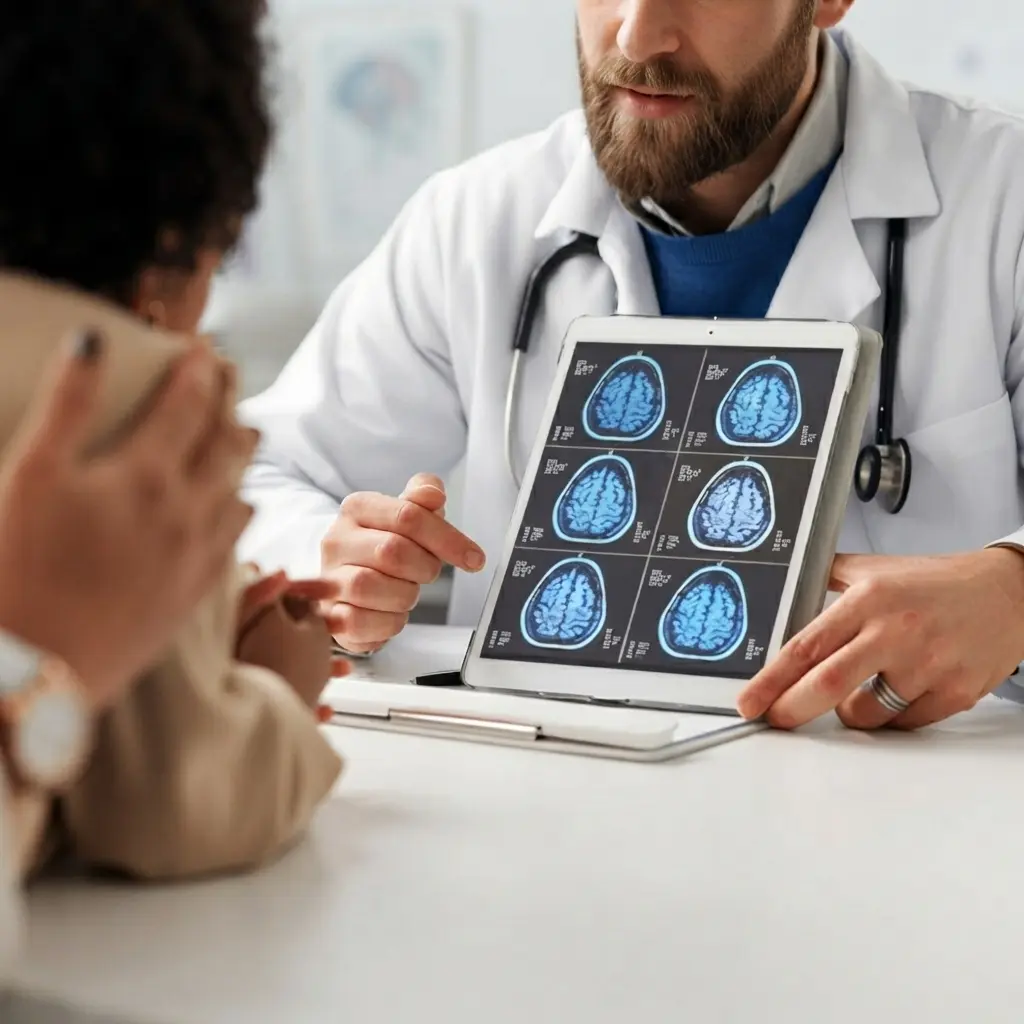
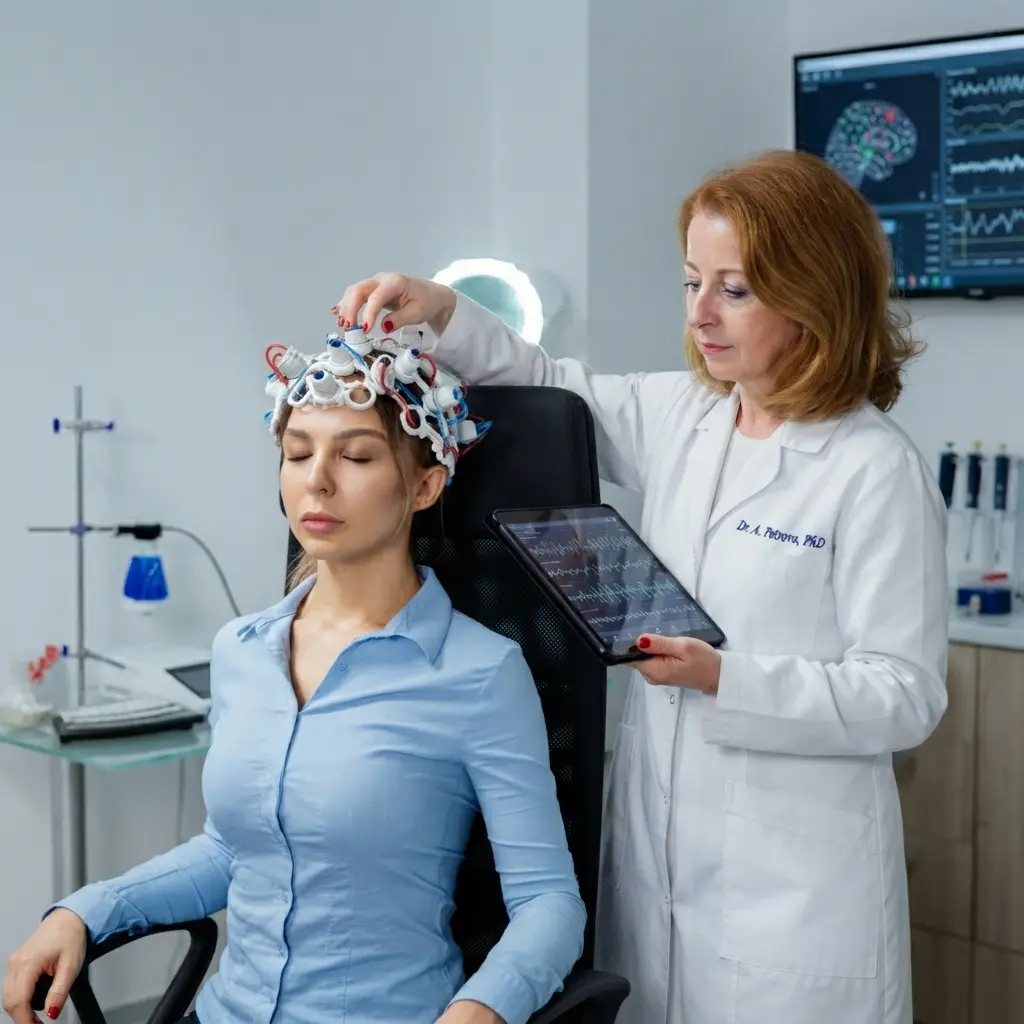
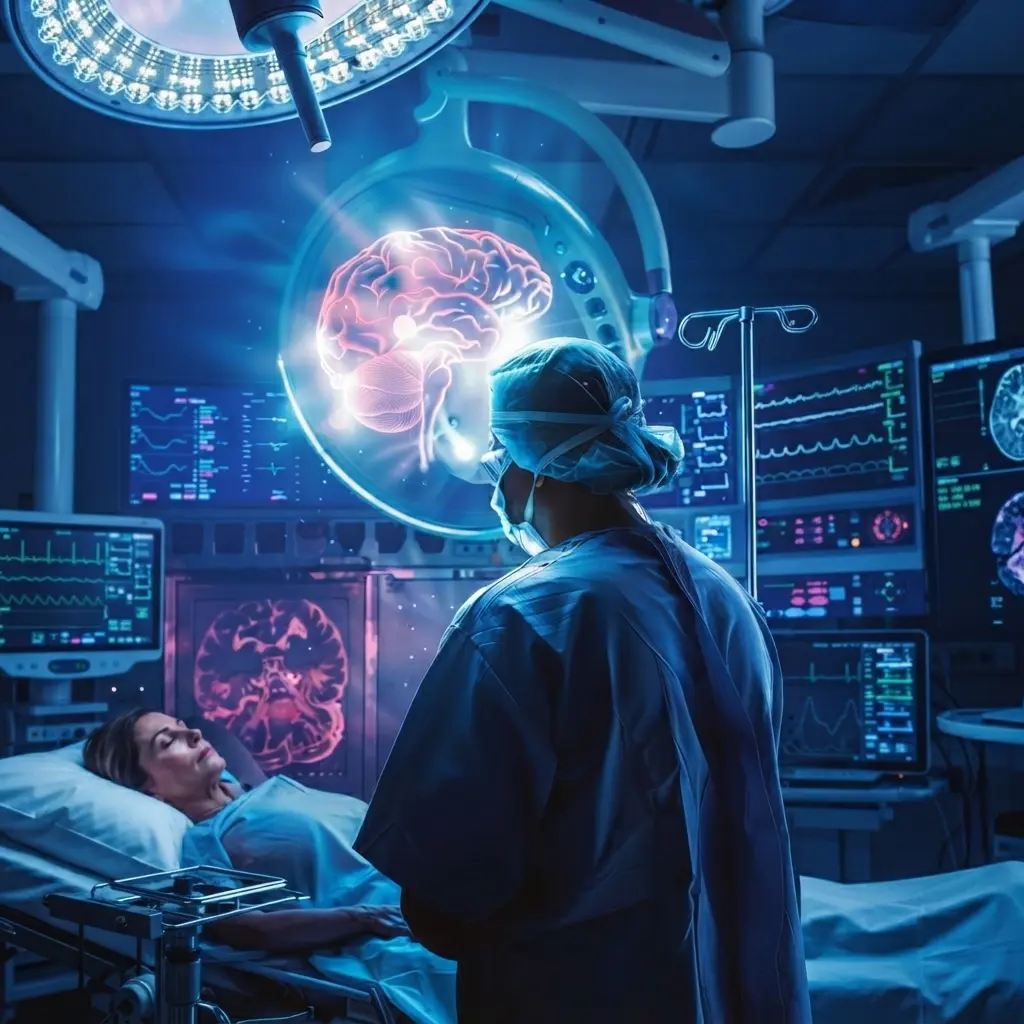
Neurosurgery at Mayo Clinic
Brain Surgery at Mayo Clinic



Frequently Bought Together
No frequently bought products found!
Products from this Seller
View All




Chemotherapy at Mayo Clinic

Immunotherapy at Mayo Clinic
Medical Tourism





Share with Friends
Trading is more effective when you share products with friends!Share you link
Share to