














Parkinson's Disease Care at Mayo Clinic
Parkinson's Disease Care provides specialized evaluation, diagnosis, treatment and long-term management for people living with Parkinson's disease and related movement symptoms. Specialists develop individualized care plans based on symptoms, disease progression, medication response and functional needs. Treatment may include medication management, rehabilitation, exercise programs, advanced therapies, device-based treatments and surgical evaluation for appropriately selected patients.
Price
Price on Request
Why Price on Request?
The cost of Parkinson's disease care depends on the type and severity of symptoms, specialist consultation, neurological evaluation, diagnostic testing, medications, rehabilitation, advanced therapies, device-based treatment, surgery and follow-up care required. A personalized estimate is provided according to the patient's individual treatment needs.
Complete Description
What Is Parkinson's Disease Care?
Parkinson's Disease Care focuses on the diagnosis, treatment and ongoing management of Parkinson's disease and associated movement, cognitive and functional symptoms.
A personalized treatment plan may address both motor and non-motor symptoms and may be adjusted over time as the condition changes.
Symptoms Evaluated and Treated
Parkinson's disease specialists may evaluate:
Tremor
Slowness of movement
Muscle stiffness
Balance problems
Walking difficulties
Postural instability
Freezing of gait
Reduced facial expression
Changes in handwriting
Speech difficulties
Swallowing problems
Sleep problems
Cognitive changes
Mood changes
Medication-related fluctuations
Involuntary movements
Parkinson's Disease Evaluation
A comprehensive evaluation may include:
Detailed medical history
Neurological examination
Movement assessment
Medication history
Review of symptom progression
Assessment of walking and balance
Evaluation of tremor and stiffness
Cognitive assessment when appropriate
Review of previous diagnostic testing
Assessment of treatment response
The goal is to confirm the diagnosis, understand symptom patterns and develop an individualized treatment plan.
Parkinson's Disease Diagnosis
Diagnosis is primarily based on the patient's:
Medical history
Neurological examination
Movement symptoms
Disease progression
Response to medication
Clinical findings
Additional testing may be used when necessary to evaluate other conditions that can cause similar symptoms.
Parkinson's Disease Medication Management
Medication is an important component of Parkinson's disease treatment.
Medication management may involve:
Selecting appropriate medications
Adjusting dosage
Managing timing of medications
Monitoring symptom response
Managing side effects
Addressing medication fluctuations
Adjusting treatment as symptoms change
Treatment is individualized according to the patient's symptoms and response.
Levodopa Treatment
Levodopa is commonly used to manage motor symptoms of Parkinson's disease.
It may help improve:
Slowness of movement
Muscle stiffness
Tremor
Walking difficulties
Specialists may adjust dosage and timing according to symptom patterns and treatment response.
Motor Fluctuation Management
Some patients may experience changes in symptom control between medication doses.
These fluctuations may include:
Wearing-off periods
Sudden return of symptoms
Delayed medication response
Changes in mobility throughout the day
Specialists may adjust medications or consider advanced therapies when appropriate.
Dyskinesia Management
Dyskinesia refers to involuntary movements that may occur in some patients receiving long-term Parkinson's disease treatment.
Management may include:
Medication adjustment
Changes in medication timing
Advanced medication therapies
Device-based treatment
Deep brain stimulation evaluation for selected patients
Treatment depends on the severity and pattern of dyskinesia.
Deep Brain Stimulation for Parkinson's Disease
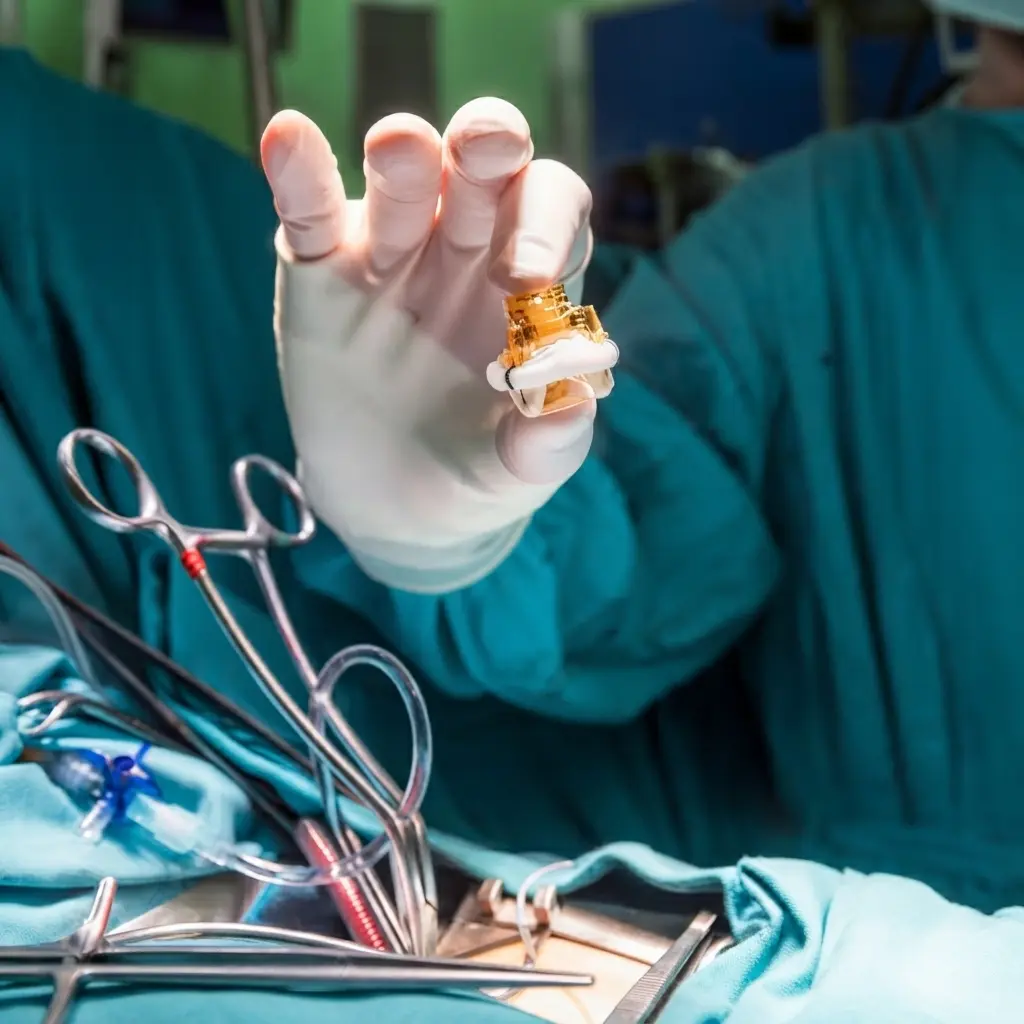
Deep brain stimulation (DBS) is an advanced treatment that uses an implanted device to deliver electrical stimulation to specific areas of the brain.
DBS may be considered for selected patients experiencing:
Medication-related fluctuations
Dyskinesias
Tremor not adequately controlled with medication
Other significant motor symptoms
A detailed evaluation is required before DBS is recommended.
Deep Brain Stimulation Evaluation
Patients being considered for DBS may undergo:
Neurological assessment
Movement disorder evaluation
Medication response assessment
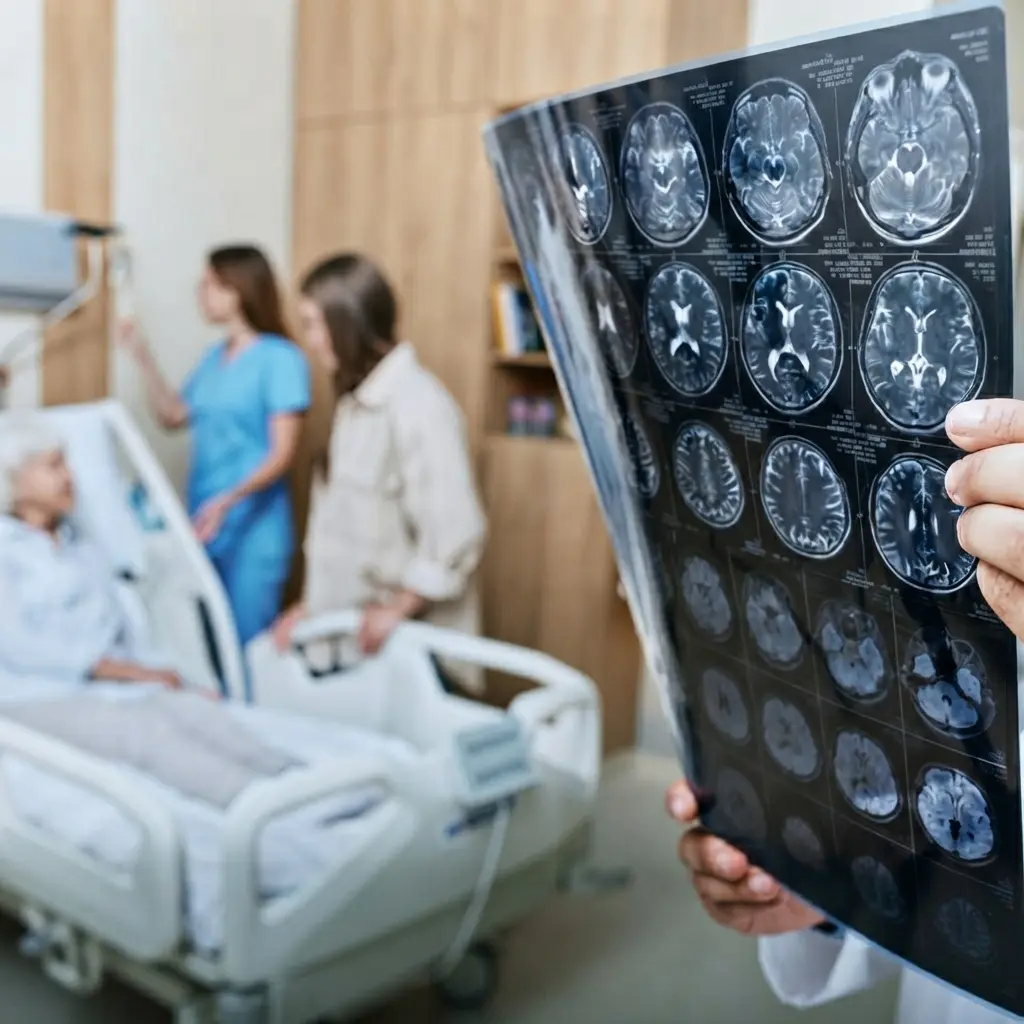
Brain imaging
Neuropsychological testing
Functional assessment
Neurosurgical consultation
The purpose is to determine whether DBS is appropriate and identify suitable treatment targets.
Deep Brain Stimulation Follow-Up
Patients with DBS may require ongoing follow-up for:
Device programming
Symptom monitoring
Medication adjustment
Device assessment
Battery monitoring
Management of treatment response
Programming is individualized according to symptoms and treatment goals.
Advanced Parkinson's Disease Treatment
Patients with advanced Parkinson's disease may require specialized management when standard medication becomes less effective or produces significant fluctuations.
Advanced care may include:
Medication optimization
Advanced medication delivery
Deep brain stimulation evaluation
Rehabilitation
Physical therapy
Occupational therapy
Speech and swallowing therapy
The treatment approach depends on the patient's symptoms and overall condition.
Physical Therapy for Parkinson's Disease
Physical therapy may help patients maintain:
Strength
Flexibility
Balance
Walking ability
Mobility
Postural control
Physical independence
Exercise programs may be tailored to the patient's abilities and disease stage.
Exercise and Parkinson's Disease
Regular physical activity may be incorporated into an individualized Parkinson's disease management plan.
Exercise programs may include:
Walking
Strength training
Balance exercises
Flexibility exercises
Aerobic activity
Coordination exercises
Movement training
The exercise program should be appropriate for the patient's physical condition and safety needs.
Occupational Therapy
Occupational therapy may help patients maintain independence in daily activities.
Treatment may address:
Dressing
Eating
Personal care
Household tasks
Work activities
Hand function
Fine motor skills
Use of adaptive equipment
Speech and Swallowing Therapy
Parkinson's disease can affect speech and swallowing.
Specialized therapy may address:
Reduced voice volume
Speech clarity
Communication difficulties
Swallowing problems
Eating and drinking safety
Treatment is individualized according to the patient's symptoms.
Cognitive and Psychological Care
Some people with Parkinson's disease may experience:
Memory changes
Attention difficulties
Depression
Anxiety
Sleep problems
Changes in thinking
Other emotional or behavioral symptoms
Specialists may evaluate these symptoms and incorporate appropriate treatment and support into the overall care plan.
Sleep Problems in Parkinson's Disease
Sleep-related symptoms may include:
Insomnia
Excessive daytime sleepiness
Sleep behavior disorders
Restless legs symptoms
Other sleep disturbances
Evaluation may include sleep history, medication review and specialized sleep assessment when appropriate.
Balance and Fall Prevention
Balance difficulties can increase the risk of falls.
Care may include:
Balance assessment
Gait evaluation
Physical therapy
Strengthening exercises
Home safety recommendations
Assistive device assessment
Fall-prevention strategies
The goal is to improve mobility and reduce injury risk.
Freezing of Gait Treatment
Some patients experience episodes in which their feet temporarily feel difficult to move, particularly while:
Starting to walk
Turning
Entering narrow spaces
Changing direction
Physical therapy and specialized movement strategies may help some patients manage these episodes.
Parkinson's Disease Rehabilitation
A multidisciplinary rehabilitation program may include:
Physical therapy
Occupational therapy
Speech therapy
Balance training
Walking rehabilitation
Strength training
Functional movement exercises
Rehabilitation goals are adjusted according to disease progression and individual needs.
Long-Term Parkinson's Disease Management
Parkinson's disease generally requires ongoing medical management.
Long-term care may include:
Regular neurological assessments
Medication adjustments
Monitoring of motor symptoms
Evaluation of non-motor symptoms
Rehabilitation
Exercise planning
Fall prevention
Advanced treatment evaluation
Device follow-up when applicable
Treatment plans may change as symptoms evolve.
Parkinson's Disease and Daily Function
Care may focus on maintaining independence with:
Personal care
Mobility
Communication
Eating
Household activities
Work
Social activities
Physical exercise
Assistive strategies and rehabilitation may help patients remain active and independent.
Parkinson's Disease Second Opinion
Patients who have already received a Parkinson's disease diagnosis or treatment recommendation may seek a movement disorder second opinion.
The specialist may review:
Neurological reports
Brain imaging
Medication history
Previous treatment
Symptom progression
Rehabilitation records
Proposed advanced treatment
DBS recommendations
A second opinion may help clarify the diagnosis and treatment options.
Multidisciplinary Parkinson's Disease Care
Complex Parkinson's disease management may involve:
Movement disorder neurologists
Neurosurgeons
Neuropsychologists
Physical therapists
Occupational therapists
Speech therapists
Rehabilitation specialists
Other medical professionals
A multidisciplinary approach can address motor symptoms, non-motor symptoms and functional needs together.
International Patients
International patients should provide relevant medical documentation whenever possible.
Useful documents may include:
Neurology reports
MRI scans
CT scans
Medication history
Previous treatment records
DBS records when applicable
Rehabilitation reports
Previous surgical reports
Current medication list
Complete medical information can help specialists understand the patient's disease history and previous treatment.
Benefits of Specialized Parkinson's Disease Care
Specialized care may help:
Confirm and evaluate Parkinson's disease
Optimize medications
Manage tremor and stiffness
Address movement fluctuations
Manage dyskinesia
Improve walking and balance
Support physical activity
Address speech and swallowing problems
Evaluate advanced therapies
Assess suitability for deep brain stimulation
Support long-term independence
Why Choose Mayo Clinic for Parkinson's Disease Care?
Mayo Clinic provides specialized care for Parkinson's disease through multidisciplinary teams that may include movement disorder neurologists, neurosurgeons, rehabilitation specialists, physical therapists, occupational therapists, speech therapists and other professionals.
Depending on the patient's condition, care may include neurological evaluation, medication optimization, rehabilitation, advanced therapies and deep brain stimulation evaluation for appropriately selected patients.
Cost & Price on Request
Price: Price on Request
The total cost of Parkinson's disease care depends on the diagnosis, symptoms and treatment required.
Potential costs may include:
Parkinson's disease consultation
Neurological evaluation
Diagnostic testing
MRI or CT imaging
Medication management
Rehabilitation
Physical therapy
Occupational therapy
Speech therapy
Deep brain stimulation evaluation
Neurosurgical procedures
Device programming
Follow-up consultations
A personalized cost estimate should be requested according to the patient's individual treatment plan.
Frequently Asked Questions
1. What symptoms of Parkinson's disease can be treated?
Treatment may address tremor, stiffness, slowness of movement, balance problems, walking difficulties, dyskinesia, medication fluctuations and selected non-motor symptoms.
2. Is Parkinson's disease treated only with medication?
No. Care may also include physical therapy, exercise, occupational therapy, speech therapy, advanced medication approaches and device-based or surgical treatments for selected patients.
3. What is deep brain stimulation for Parkinson's disease?
Deep brain stimulation is an advanced treatment that uses an implanted device to deliver electrical stimulation to specific brain areas to help manage certain Parkinson's disease symptoms.
4. Is deep brain stimulation suitable for every Parkinson's patient?
No. DBS is considered only for appropriately selected patients after detailed neurological, medical and functional evaluation.
5. Can physical therapy help Parkinson's disease?
Physical therapy may help patients maintain mobility, balance, strength, flexibility and walking ability and can be an important part of long-term management.
Product Details
Product Name: Parkinson's Disease Care
Hospital: Mayo Clinic – Rochester
Brand: Mayo Clinic
Country: United States
Specialty: Neurology & Neurosurgery
Service Type: Parkinson's Disease Care
Customer-Facing Price: Price on Request
International Patients: Available
Location: Rochester, Minnesota, USA
Related products
Neurosurgery at Mayo Clinic
Brain Surgery at Mayo Clinic


Frequently Bought Together
No frequently bought products found!
Products from this Seller
View All







Chemotherapy at Mayo Clinic

Immunotherapy at Mayo Clinic
Medical Tourism





Share with Friends
Trading is more effective when you share products with friends!Share you link
Share to