













Neurosurgery at Mayo Clinic
Neurosurgery at Mayo Clinic provides specialized surgical evaluation and treatment for conditions affecting the brain, spinal cord, peripheral nerves and other structures of the nervous system. Neurosurgeons work with neurologists, neuroradiologists, rehabilitation specialists and other medical professionals to develop individualized treatment plans that may include minimally invasive procedures, complex surgery, tumor treatment, vascular procedures and spinal surgery when clinically appropriate.
Price
Price on Request
Why Price on Request?
The cost of neurosurgery depends on the type and complexity of the neurological condition, specialist consultation, diagnostic imaging, laboratory testing, surgical procedure, anesthesia, hospitalization, specialized equipment, rehabilitation and follow-up care required. A personalized estimate is provided according to the patient's individual treatment plan.
Complete Description
What Is Neurosurgery?
Neurosurgery is a specialized surgical field focused on the diagnosis and treatment of conditions involving the brain, spinal cord, peripheral nerves and other structures of the nervous system.
Neurosurgeons may treat conditions using surgical and minimally invasive techniques when appropriate. Treatment decisions are based on the patient's diagnosis, symptoms, imaging findings, overall health and individual medical needs.
Conditions Evaluated and Treated
Neurosurgery may address:
Brain tumors
Spinal cord tumors
Brain aneurysms
Arteriovenous malformations
Hydrocephalus
Epilepsy requiring surgery
Spinal disorders
Spinal cord compression
Nerve compression
Traumatic brain injuries
Traumatic spinal injuries
Peripheral nerve disorders
Trigeminal neuralgia
Movement disorders requiring surgical treatment
Degenerative spine conditions
Complex neurological conditions
Neurosurgical Evaluation
A neurosurgical evaluation may include:
Detailed medical history
Neurological examination
Review of symptoms
Review of previous diagnoses
Assessment of previous treatments
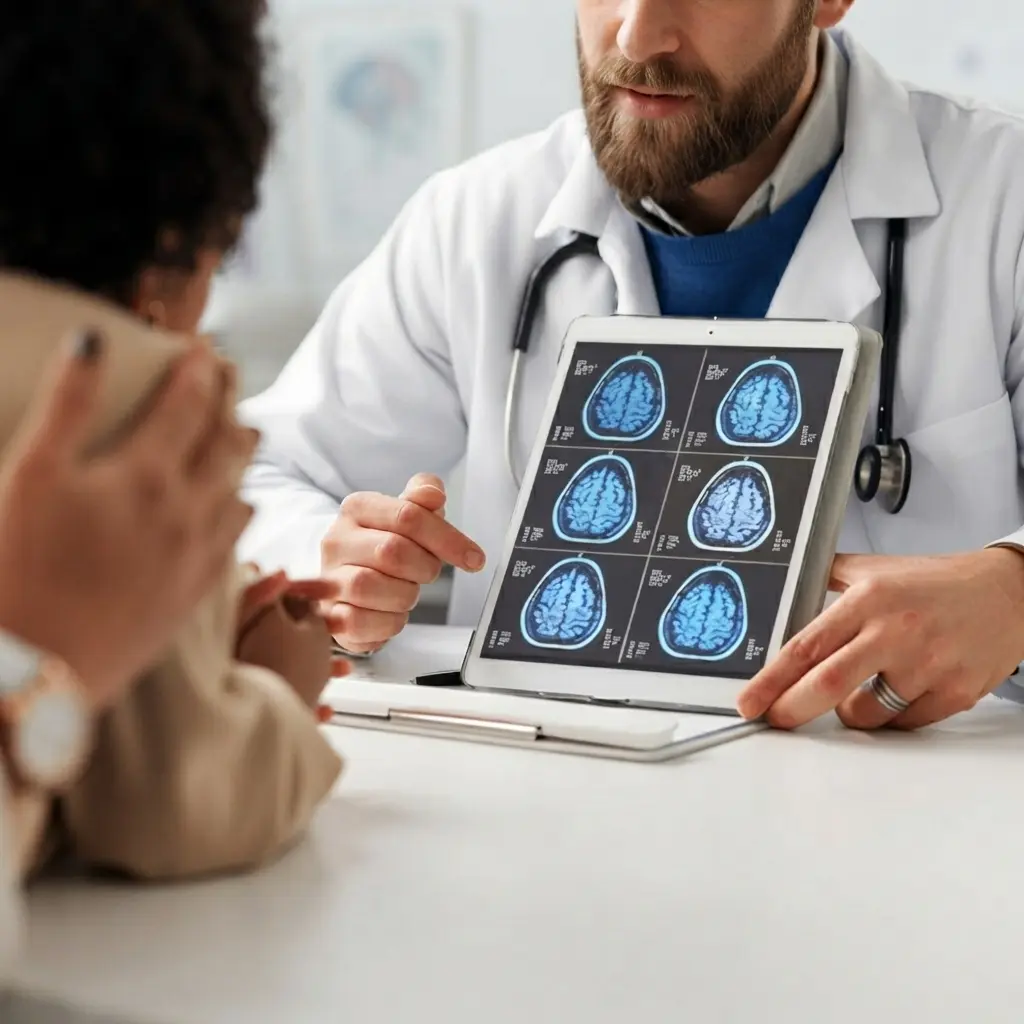
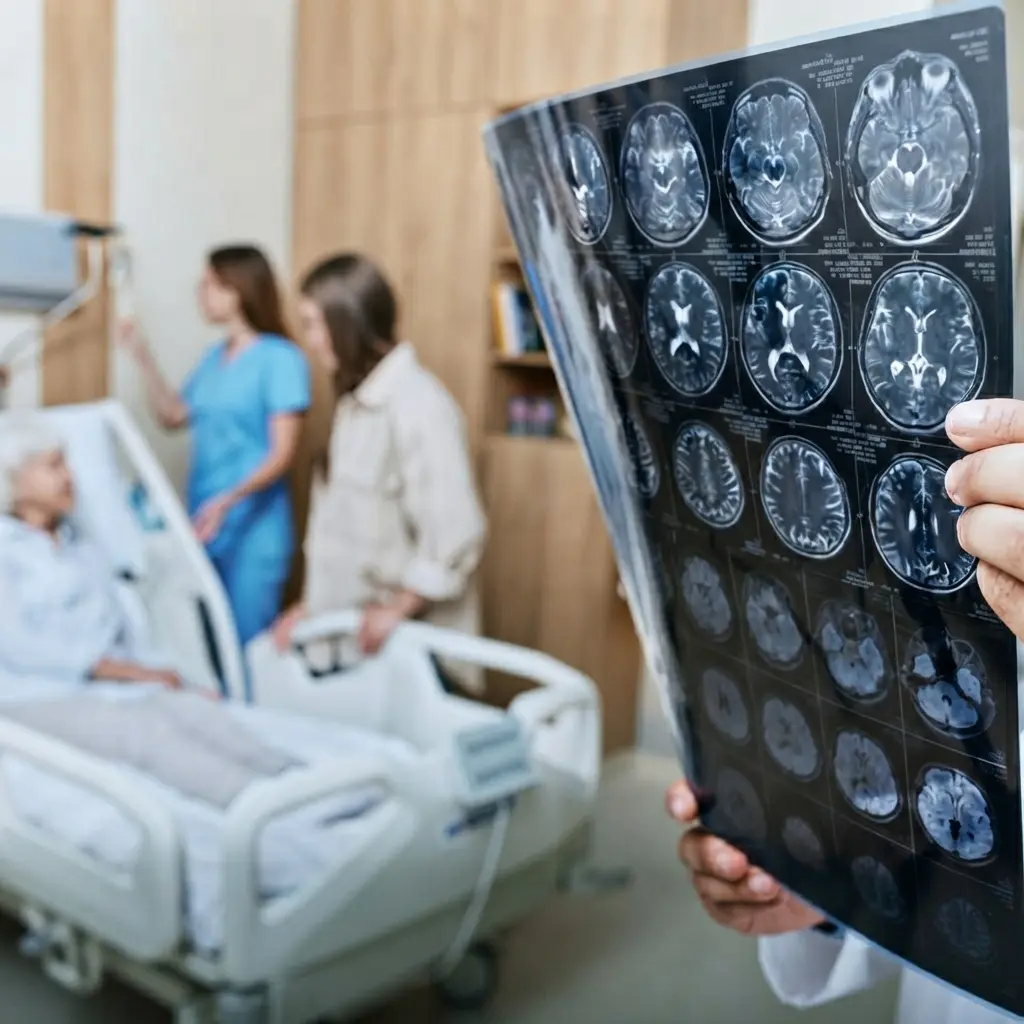
Review of MRI scans
Review of CT scans
Review of other diagnostic imaging
Review of laboratory results
Assessment of surgical options
Evaluation of potential risks and benefits
The purpose is to determine whether surgery is appropriate and identify the most suitable treatment approach.
Brain Surgery
Brain surgery may be considered for selected conditions affecting the brain.
Procedures may include:
Tumor removal
Brain lesion surgery
Epilepsy surgery
Vascular neurosurgery
Aneurysm treatment
Arteriovenous malformation treatment
Hydrocephalus procedures
Minimally invasive brain procedures
The specific surgical approach depends on the location, size and nature of the condition.
Brain Tumor Neurosurgery
Neurosurgeons may evaluate and surgically treat selected brain tumors.
Treatment may involve:
Tumor biopsy
Tumor removal
Surgical debulking
Minimally invasive tumor procedures
Complex tumor surgery
Surgery followed by additional oncology treatment when appropriate
The surgical strategy depends on the tumor type, location, size and relationship to important brain structures.
Spinal Neurosurgery
Neurosurgery may address conditions affecting the spine and spinal cord.
Procedures may include:
Spinal decompression
Spinal fusion
Disk surgery
Treatment of spinal tumors
Spinal cord decompression
Complex spinal reconstruction
Minimally invasive spinal procedures
The appropriate procedure depends on the diagnosis and severity of the spinal condition.
Spinal Cord Compression Treatment
Spinal cord compression may result from tumors, degenerative conditions, trauma or other structural problems.
Neurosurgical evaluation may determine whether treatment requires:
Decompression
Stabilization
Tumor removal
Spinal fusion
Other surgical intervention
Urgent evaluation may be required when spinal cord compression produces significant or rapidly worsening neurological symptoms.
Brain Aneurysm Surgery
Some brain aneurysms may require specialized neurosurgical treatment.
Depending on the aneurysm and patient's condition, treatment may include:
Surgical clipping
Endovascular treatment
Other vascular procedures
Treatment selection depends on aneurysm characteristics, neurological status and overall medical considerations.
Arteriovenous Malformation Treatment
An arteriovenous malformation is an abnormal connection between blood vessels that may occur in the brain or spinal cord.
Treatment may involve:
Microsurgical removal
Endovascular treatment
Stereotactic radiosurgery
Combination treatment
The treatment strategy depends on the location, size and characteristics of the vascular malformation.
Epilepsy Neurosurgery
Some patients with epilepsy that does not respond adequately to medication may be evaluated for surgical treatment.
Evaluation may involve:
Detailed seizure history
Neurological examination
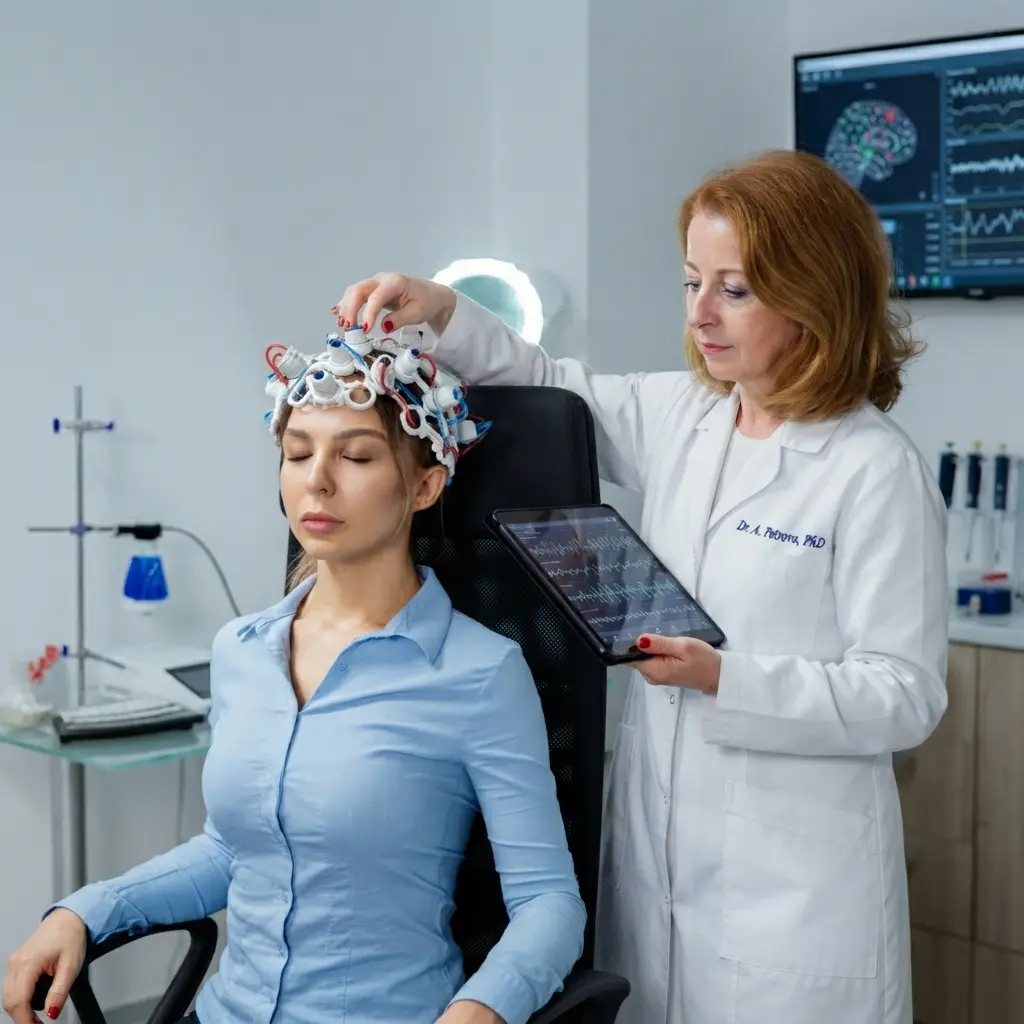
EEG testing
Brain MRI
Functional brain assessment
Seizure monitoring
Specialized neurological testing
Selected patients may be considered for procedures designed to reduce seizure frequency or severity.
Hydrocephalus Surgery
Hydrocephalus involves abnormal accumulation of cerebrospinal fluid in or around the brain.
Neurosurgical treatment may include:
Ventricular shunt placement
Endoscopic procedures
Endoscopic third ventriculostomy
Other cerebrospinal fluid diversion procedures
Treatment depends on the cause and type of hydrocephalus.
Peripheral Nerve Surgery
Neurosurgery may also address certain disorders involving peripheral nerves.
Surgical treatment may include:
Nerve decompression
Nerve repair
Nerve grafting
Nerve reconstruction
Treatment of nerve tumors
The appropriate procedure depends on the location and extent of nerve injury or disease.
Trigeminal Neuralgia Surgery
Patients with severe trigeminal neuralgia that does not respond adequately to conservative treatment may undergo specialized evaluation.
Potential procedures may include:
Microvascular decompression
Stereotactic radiosurgery
Other specialized interventions
Treatment selection depends on the cause of symptoms and individual clinical circumstances.
Movement Disorder Neurosurgery
Selected patients with movement disorders may be evaluated for surgical treatment.
Procedures may include:
Deep brain stimulation
Implantation of specialized neurological devices
Other targeted surgical procedures
Surgical evaluation may be considered for appropriately selected patients with conditions such as Parkinson's disease or certain other movement disorders.
Minimally Invasive Neurosurgery
When clinically appropriate, neurosurgeons may use minimally invasive techniques designed to access the affected area while limiting disruption to surrounding tissues.
Potential benefits may include:
Smaller surgical approaches
Reduced tissue disruption
Potentially shorter recovery
Reduced postoperative discomfort in selected cases
Not every neurological condition is suitable for minimally invasive surgery.
Advanced Neurosurgical Technology
Complex neurosurgical procedures may use advanced technology to improve surgical planning and precision.
Depending on the procedure, this may include:
Advanced MRI
CT imaging
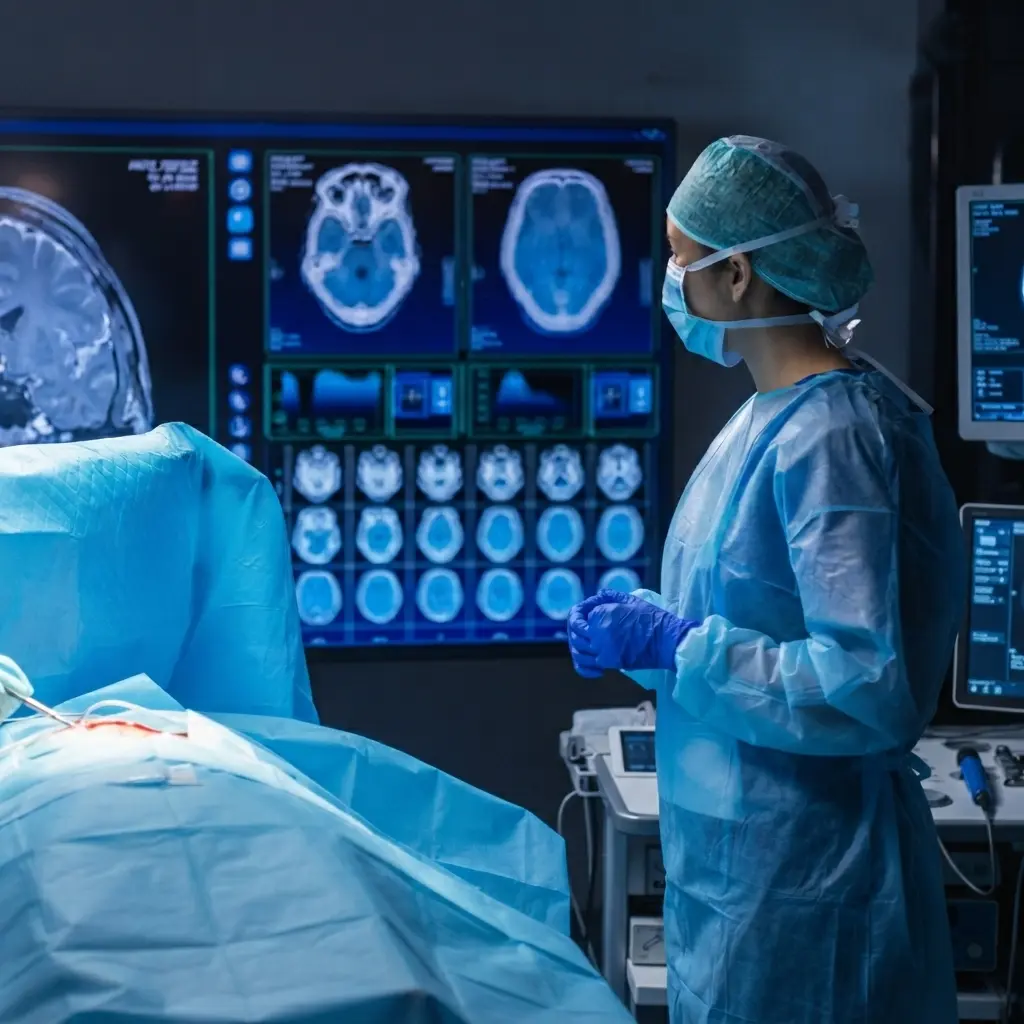
Intraoperative imaging
Surgical navigation
Computer-assisted planning
Microscopic visualization
Specialized monitoring
Robotic or image-guided technologies when appropriate
Technology selection depends on the diagnosis and surgical requirements.
Pre-Surgical Neurosurgical Planning
Before surgery, the neurosurgical team may review:
Medical history
Neurological examination
MRI scans
CT scans
Angiography when indicated
Laboratory results
Previous treatments
Medication history
Surgical risks
Expected outcomes
Detailed planning helps determine the safest and most appropriate surgical approach.
Intraoperative Neurological Monitoring
Certain complex neurosurgical procedures may require monitoring of neurological function during surgery.
Monitoring may help the surgical team assess important neurological pathways while operating near critical structures.
The type of monitoring depends on the surgical procedure and patient's condition.
Neurosurgery for Traumatic Brain Injury
Selected traumatic brain injuries may require neurosurgical evaluation and treatment.
Surgical management may be considered for conditions such as:
Intracranial bleeding
Brain swelling
Skull fractures
Pressure on the brain
Other traumatic structural injuries
Treatment depends on the severity and nature of the injury.
Neurosurgery for Spinal Trauma
Traumatic spinal injuries may require specialized surgical evaluation.
Treatment may involve:
Spinal decompression
Fracture stabilization
Spinal fixation
Spinal fusion
Treatment of spinal cord compression
The treatment strategy depends on the location and severity of the spinal injury.
Complex Neurosurgery
Complex neurosurgical conditions may require multidisciplinary evaluation and advanced surgical planning.
Complex cases may include:
Large or difficult-to-access brain tumors
Complex vascular abnormalities
Revision neurosurgery
Multiple neurological conditions
Complex spinal disorders
Tumors involving critical neurological structures
Conditions requiring combined treatment approaches
Revision Neurosurgery
Patients who have undergone previous neurological surgery may require evaluation for persistent symptoms, recurrence or surgical complications.
Revision neurosurgery may address:
Recurrent disease
Persistent compression
Surgical complications
Hardware-related problems
Recurrent tumors
Scar tissue or structural changes
Failed previous treatment
The surgical approach depends on the underlying condition and previous procedures.
Multidisciplinary Neurosurgical Care
Complex neurological conditions may require collaboration among:
Neurosurgeons
Neurologists
Neuroradiologists
Neuro-oncologists
Radiation specialists
Rehabilitation specialists
Neuropsychologists
Physical therapists
Other medical specialists
A multidisciplinary approach allows specialists to consider multiple treatment options and coordinate care when appropriate.
Post-Surgical Neurosurgical Rehabilitation
Recovery following neurosurgery may require specialized rehabilitation.
Rehabilitation may focus on:
Mobility
Strength
Balance
Coordination
Speech and communication
Cognitive function
Daily activities
Functional independence
The rehabilitation program depends on the type of surgery and the patient's neurological condition.
Recovery After Neurosurgery
Recovery varies according to:
Type of procedure
Location of surgery
Underlying diagnosis
Neurological condition
Patient's overall health
Presence of complications
Rehabilitation requirements
Some patients may require inpatient care and rehabilitation, while others may continue recovery through outpatient follow-up.
Second Opinion for Neurosurgery
Patients who have already received a surgical recommendation may seek a neurosurgical second opinion.
The specialist may review:
MRI scans
CT scans
Angiography
Previous surgical reports
Pathology results
Neurological examination findings
Previous treatments
Proposed surgical plan
A second opinion may help clarify whether surgery is appropriate and what alternative treatment options may exist.
International Patients
International patients should provide relevant medical documentation whenever possible.
Useful records may include:
Neurology reports
Neurosurgical reports
MRI scans
CT scans
Angiography
EEG results
Laboratory results
Previous surgical reports
Pathology reports
Current medication list
Complete medical information can help the neurosurgical team understand the patient's history and previous treatment.
Benefits of Specialized Neurosurgery
Specialized neurosurgical care may help:
Evaluate complex neurological conditions
Determine whether surgery is appropriate
Treat selected brain disorders
Treat selected spinal conditions
Address tumors affecting the nervous system
Treat selected vascular neurological conditions
Manage nerve compression and injury
Provide minimally invasive treatment when appropriate
Develop individualized surgical plans
Coordinate multidisciplinary neurological care
Support postoperative rehabilitation
Why Choose Mayo Clinic for Neurosurgery?
Mayo Clinic provides specialized neurosurgical care for complex conditions involving the brain, spinal cord and nervous system. Neurosurgeons work with neurologists, radiologists, rehabilitation specialists and other medical professionals to evaluate patients and develop individualized treatment strategies.
Depending on the condition, treatment may involve advanced surgical techniques, minimally invasive approaches, specialized imaging, complex reconstruction, neurological monitoring and postoperative rehabilitation.
Cost & Price on Request
Price: Price on Request
The total cost of neurosurgery depends on the diagnosis and treatment required.
Potential costs may include:
Neurosurgical consultation
Neurological evaluation
Diagnostic imaging
Laboratory testing
Specialized diagnostic procedures
Surgical procedure
Anesthesia
Hospitalization
Specialized surgical equipment
Medications
Rehabilitation
Follow-up consultations
A personalized cost estimate should be requested according to the patient's individual surgical plan.
Frequently Asked Questions
1. What conditions does neurosurgery treat?
Neurosurgery may treat selected conditions involving the brain, spinal cord, peripheral nerves and nervous system, including brain tumors, spinal disorders, vascular conditions, hydrocephalus, epilepsy and certain nerve disorders.
2. Does neurosurgery always involve brain surgery?
No. Neurosurgery includes procedures involving the brain, spine, spinal cord and peripheral nerves. The appropriate procedure depends on the patient's diagnosis.
3. What types of brain surgery are performed?
Depending on the condition, brain surgery may include tumor surgery, vascular procedures, epilepsy surgery, hydrocephalus procedures and other specialized interventions.
4. Can neurosurgery treat spinal conditions?
Yes. Neurosurgeons may treat selected spinal conditions involving the spinal cord, nerves, disks, vertebrae and surrounding structures.
5. Is minimally invasive neurosurgery available?
Minimally invasive techniques may be used for selected conditions when clinically appropriate. The surgical approach depends on the diagnosis, anatomy and patient's medical needs.
6. Can I get a second opinion before neurosurgery?
Yes. Patients may seek a neurosurgical second opinion based on their diagnosis, imaging studies, previous treatment and proposed surgical plan.
7. Can international patients receive neurosurgical care?
Yes. International patients can seek specialized neurosurgical evaluation and treatment and should provide previous medical records, imaging and relevant diagnostic results whenever possible.
8. How long is recovery after neurosurgery?
Recovery varies depending on the type of surgery, underlying condition, location of treatment, overall health and rehabilitation requirements.
9. How much does neurosurgery cost?
Price is available on request. The final cost depends on consultation, diagnostic testing, surgery, anesthesia, hospitalization, rehabilitation and follow-up care.
Product Details
Product Name: Neurosurgery
Hospital: Mayo Clinic – Rochester
Brand: Mayo Clinic
Country: United States
Specialty: Neurology & Neurosurgery
Service Type: Neurosurgery
Customer-Facing Price: Price on Request
International Patients: Available
Location: Rochester, Minnesota, USA
Related products

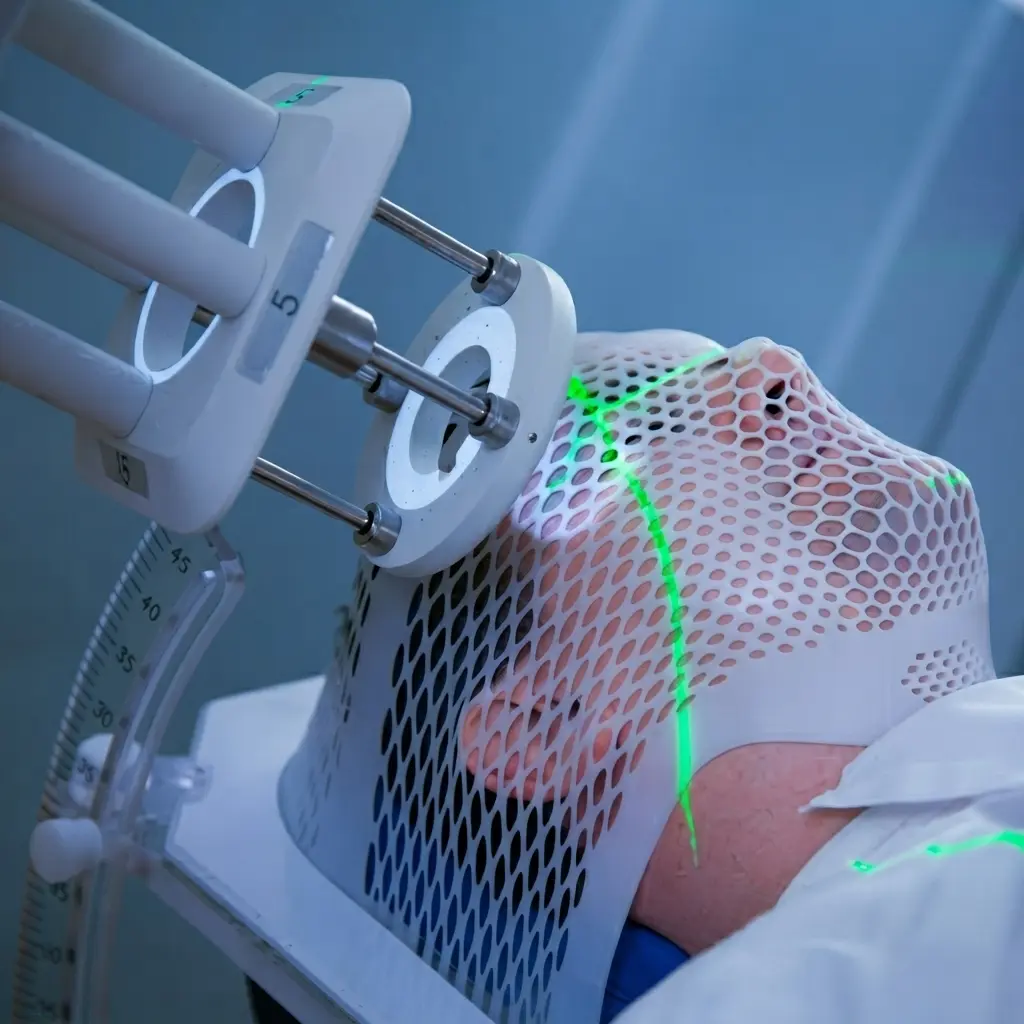
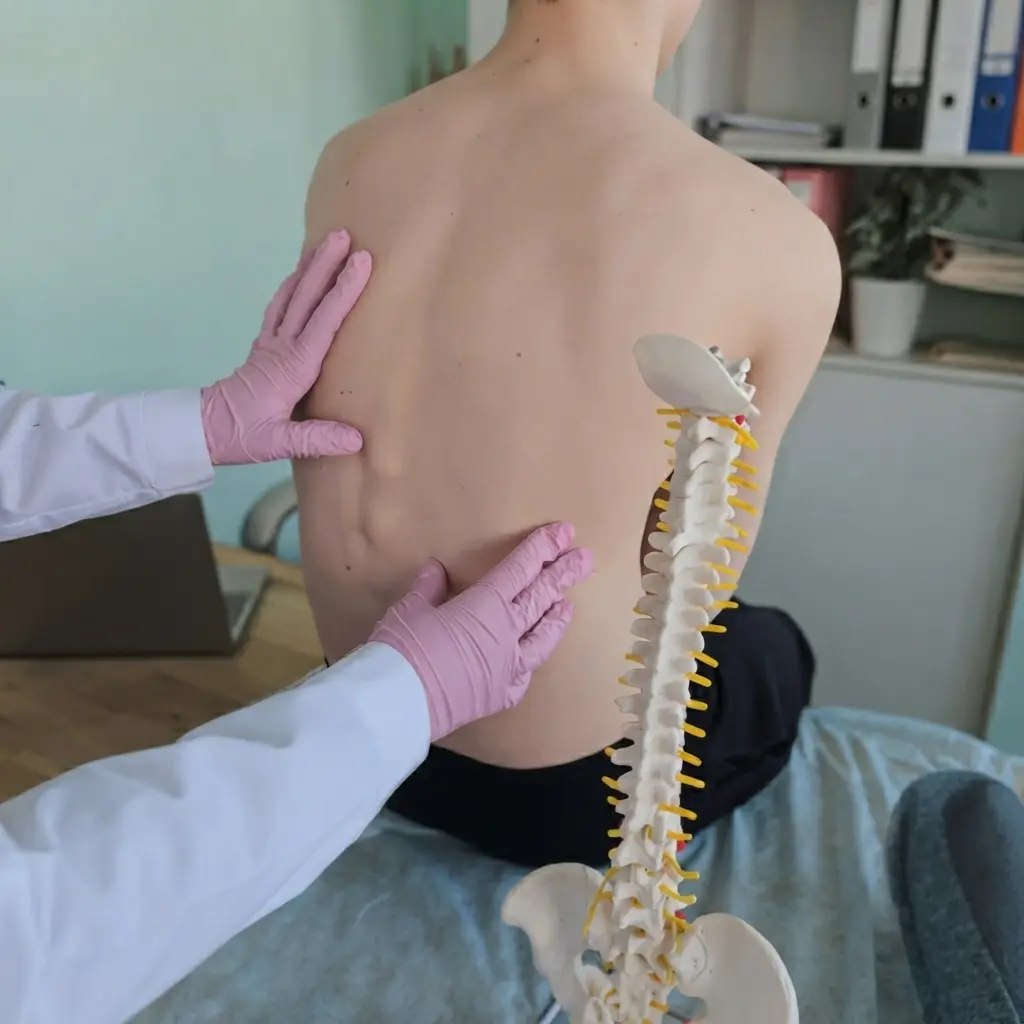
Neurosurgery at Mayo Clinic
Brain Surgery at Mayo Clinic



Frequently Bought Together
No frequently bought products found!
Products from this Seller
View All






Chemotherapy at Mayo Clinic

Immunotherapy at Mayo Clinic

Medical Tourism





Share with Friends
Trading is more effective when you share products with friends!Share you link
Share to