












Brain Tumor Treatment at Mayo Clinic
Brain Tumor Treatment provides specialized evaluation, diagnosis and individualized treatment for brain tumors, tumors affecting the central nervous system and other complex intracranial lesions. Treatment planning may involve neurologists, neurosurgeons, neuro-oncologists, neuroradiologists, radiation specialists and rehabilitation professionals. Depending on the tumor type, location and characteristics, treatment may include surgery, radiation therapy, chemotherapy, targeted treatment, observation or a combination of therapies.
Price
Price on Request
Why Price on Request?
The cost of brain tumor treatment depends on the type and location of the tumor, specialist consultation, neurological evaluation, imaging, laboratory and pathology testing, surgery, radiation therapy, medications, hospitalization, rehabilitation and follow-up care required. A personalized estimate is provided according to the patient's individual treatment plan.
Complete Description
What Is Brain Tumor Treatment?
Brain Tumor Treatment focuses on the diagnosis and management of tumors that develop within the brain or other areas of the central nervous system.
Treatment is individualized according to:
Tumor type
Tumor size
Tumor location
Tumor grade
Growth pattern
Molecular characteristics
Symptoms
Overall health
Previous treatment
Some tumors may be monitored, while others require surgery, radiation, medication or a combination of treatments.
Types of Brain Tumors Evaluated and Treated
Specialists may evaluate and treat:
Gliomas
Glioblastoma
Astrocytomas
Oligodendrogliomas
Meningiomas
Pituitary tumors
Vestibular schwannomas
Medulloblastomas
Metastatic brain tumors
Other primary brain tumors
Other central nervous system tumors
Brain Tumor Evaluation
A comprehensive evaluation may include:
Detailed medical history
Neurological examination
Assessment of symptoms
Review of previous imaging
Brain MRI
CT scan when appropriate
Laboratory testing
Tumor biopsy or surgical pathology when indicated
Molecular testing when appropriate
The goal is to determine the nature of the tumor and develop an individualized treatment strategy.
Brain Tumor Symptoms
Depending on the tumor's location and size, symptoms may include:
Headaches
Seizures
Vision changes
Speech difficulties
Weakness
Numbness
Balance problems
Walking difficulties
Memory changes
Cognitive difficulties
Personality or behavioral changes
Nausea or vomiting
Symptoms vary considerably between patients.
Brain MRI for Tumor Evaluation
MRI is commonly used to evaluate brain tumors.
Imaging may help specialists assess:
Tumor size
Tumor location
Relationship to important brain structures
Tumor growth
Swelling
Bleeding
Changes after treatment
Additional specialized MRI techniques may be used when clinically appropriate.
CT Scan for Brain Tumors
CT imaging may be used in selected situations to evaluate:
Brain structures
Tumor-related bleeding
Bone involvement
Calcification
Emergency neurological symptoms
CT may complement MRI findings when additional information is required.
Brain Tumor Biopsy
A biopsy may be performed when tissue is needed to determine the exact tumor type and characteristics.
Biopsy evaluation may help identify:
Tumor type
Tumor grade
Molecular characteristics
Treatment-related information
The decision to perform a biopsy depends on the tumor's location, appearance and clinical circumstances.
Brain Tumor Pathology
Tumor tissue may be examined by specialized pathology teams.
Pathology evaluation can help determine:
Tumor classification
Tumor grade
Molecular features
Genetic alterations
Other characteristics relevant to treatment
Accurate classification can help guide treatment planning.
Molecular and Genetic Tumor Testing
Some brain tumors require molecular testing to better understand their biological characteristics.
Testing may evaluate specific genetic or molecular changes that can provide information about:
Tumor classification
Prognosis
Treatment options
Eligibility for selected targeted therapies
Clinical trial opportunities
Testing is selected according to the tumor type.
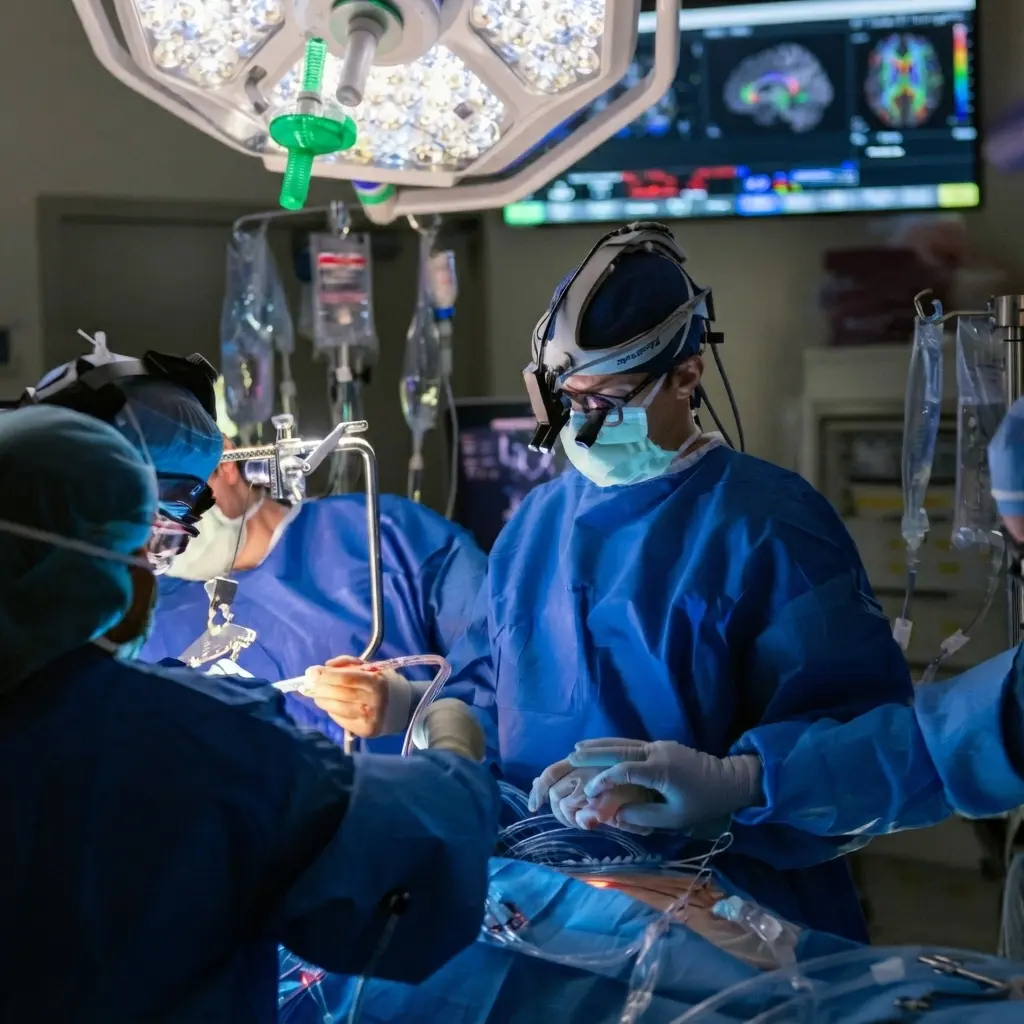
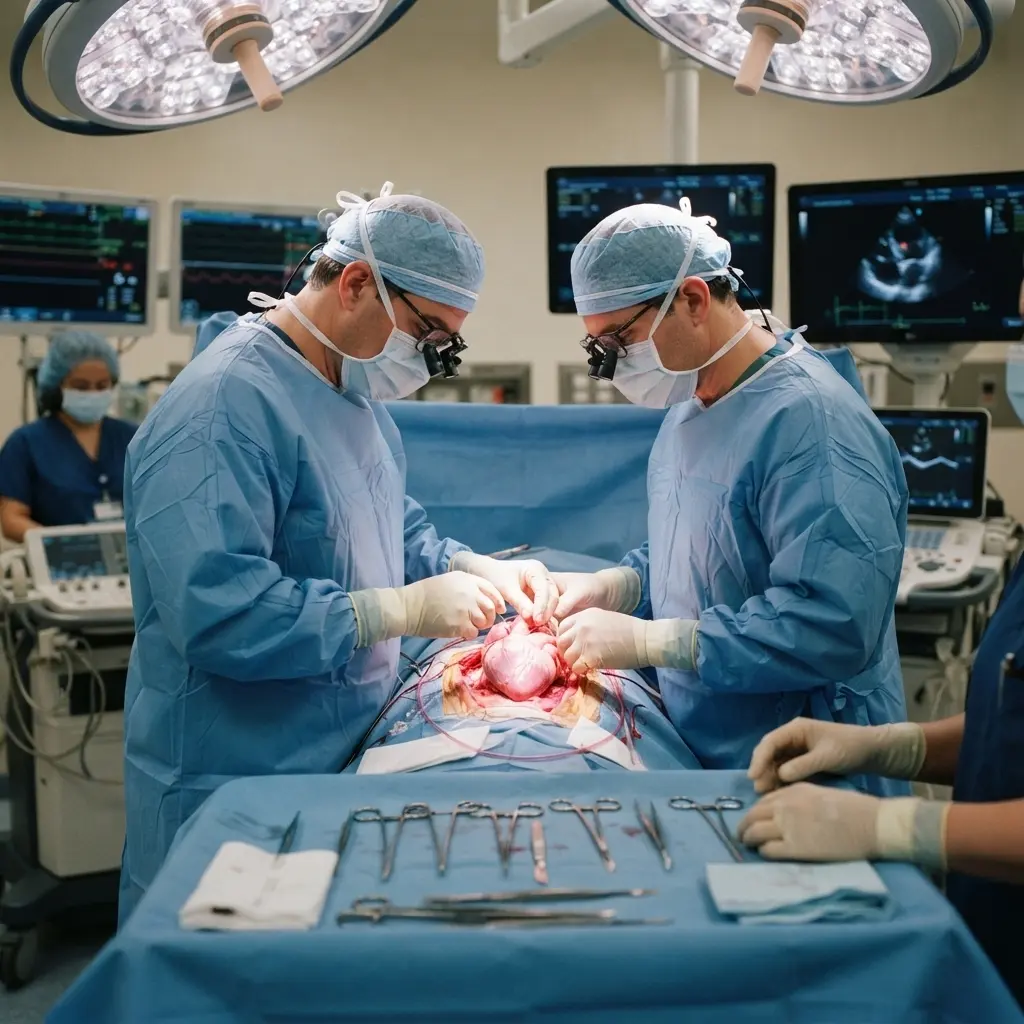
Brain Tumor Surgery
Surgery may be recommended when safely removing or reducing the tumor can provide clinical benefit.
Surgical goals may include:
Removing as much tumor as safely possible
Obtaining tissue for diagnosis
Relieving pressure on the brain
Reducing symptoms
Improving neurological function
Supporting additional treatment
The surgical approach depends on the tumor's size, location and relationship to important brain structures.
Craniotomy for Brain Tumors
A craniotomy involves temporarily opening part of the skull to provide access to the brain.
It may be used for:
Tumor removal
Tumor biopsy
Management of selected intracranial lesions
The surgical technique is selected according to the patient's individual anatomy and tumor characteristics.
Minimally Invasive Brain Tumor Surgery
Selected tumors may be approached using minimally invasive surgical techniques.
Potential approaches may include:
Small surgical openings
Endoscopic procedures
Image-guided surgery
Specialized surgical approaches based on tumor location
The appropriate technique depends on the tumor and the patient's anatomy.
Image-Guided Brain Tumor Surgery
Advanced imaging and navigation technologies may help surgeons identify the location of a tumor and important surrounding brain structures.
These technologies may support:
Surgical planning
Tumor localization
Navigation during surgery
Protection of important brain areas
More precise tumor removal
Awake Brain Surgery
For selected tumors located near areas responsible for speech, movement or other important functions, an awake surgical approach may be considered.
During selected procedures, neurological function can be assessed while the surgeon works near critical brain regions.
This approach is considered only when clinically appropriate.
Pituitary Tumor Treatment
Pituitary tumors develop in or around the pituitary gland.
Treatment may include:
Observation
Medication
Endoscopic surgery
Radiation therapy
Hormone evaluation
Long-term endocrine follow-up
Treatment depends on tumor type, size, hormone activity and symptoms.
Meningioma Treatment
Meningiomas arise from tissues surrounding the brain and spinal cord.
Management may include:
Observation
MRI monitoring
Surgical removal
Radiation therapy
Follow-up imaging
Treatment depends on tumor size, location, growth and symptoms.
Glioblastoma Treatment
Glioblastoma is an aggressive type of brain tumor requiring specialized multidisciplinary care.
Treatment may involve:
Surgical removal or biopsy
Radiation therapy
Chemotherapy
Tumor molecular testing
Clinical trials when appropriate
Supportive and rehabilitation care
Treatment is individualized according to tumor characteristics and the patient's overall condition.
Metastatic Brain Tumor Treatment
Cancer from another part of the body can sometimes spread to the brain.
Treatment may include:
Surgery
Radiation therapy
Stereotactic radiosurgery
Systemic cancer treatment
Targeted therapy when appropriate
Immunotherapy when appropriate
Supportive care
The treatment strategy depends on the primary cancer, number and location of brain metastases and overall health.
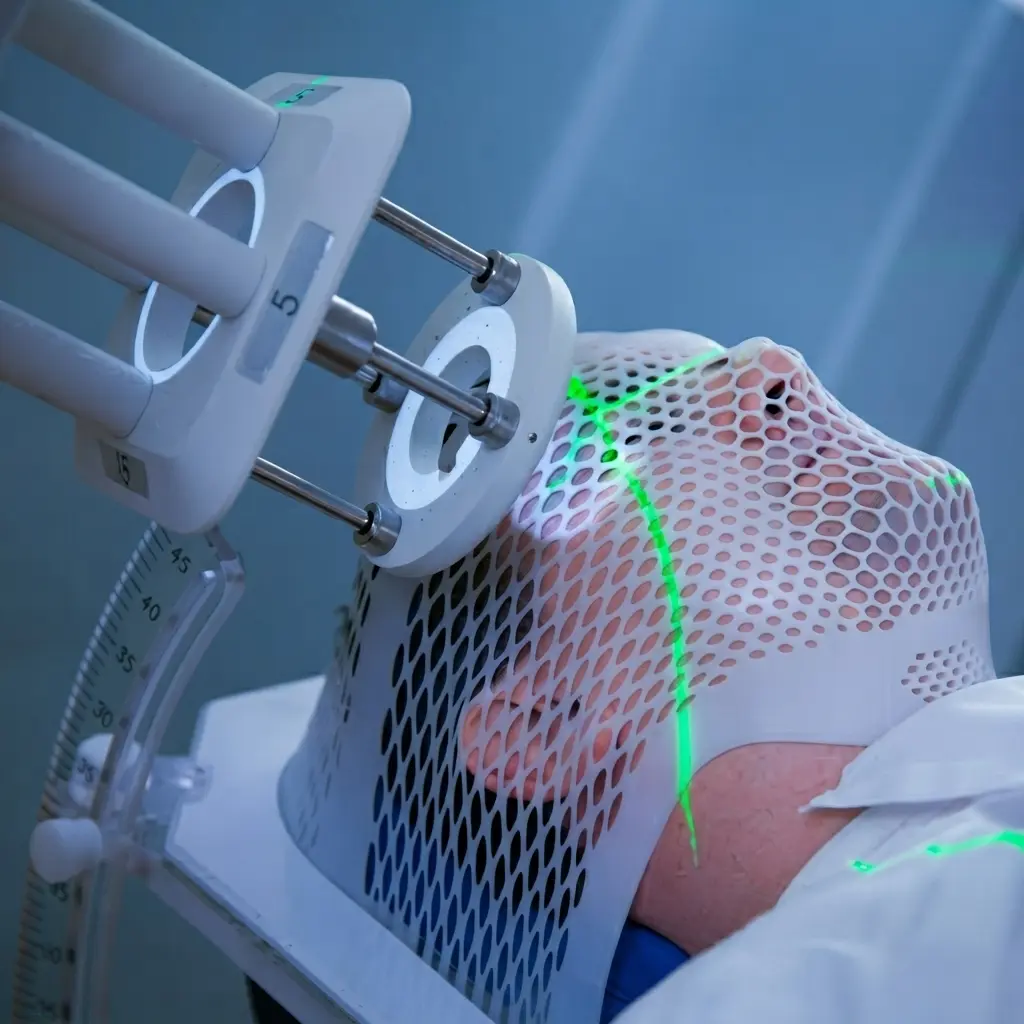
Radiation Therapy for Brain Tumors
Radiation therapy may be used:
After surgery
Instead of surgery in selected cases
To treat residual tumor
To control tumor growth
To treat metastatic brain tumors
The type and schedule of radiation depend on the tumor and treatment goals.
Stereotactic Radiosurgery
Stereotactic radiosurgery is a highly focused form of radiation treatment that delivers radiation to a specific target.
It may be considered for selected:
Brain metastases
Meningiomas
Vestibular schwannomas
Other appropriately selected brain tumors
Despite its name, radiosurgery does not involve a surgical incision.
Chemotherapy for Brain Tumors
Some brain tumors may be treated with chemotherapy or other systemic medications.
Treatment selection depends on:
Tumor type
Tumor grade
Molecular characteristics
Previous treatments
Overall health
Chemotherapy may be used alone or together with surgery and radiation therapy.
Targeted Therapy
Some tumors contain molecular changes that may make them candidates for targeted treatments.
Targeted therapy may be considered when appropriate based on:
Tumor molecular testing
Genetic characteristics
Previous treatment
Clinical guidelines
Individual treatment goals
Immunotherapy for Brain Tumors
Selected brain tumors may be evaluated for immunotherapy or other emerging systemic treatments.
Eligibility depends on the tumor's biological characteristics and the patient's overall medical condition.
Clinical Trials for Brain Tumors
Patients with certain brain tumors may be evaluated for clinical trial opportunities.
Clinical trials may investigate:
New medications
Targeted therapies
Immunotherapies
Novel radiation approaches
New surgical techniques
Other emerging treatments
Eligibility varies according to the specific study.
Brain Tumor Observation and Monitoring
Not every brain tumor requires immediate treatment.
For selected tumors, specialists may recommend active monitoring with:
Regular neurological examinations
Follow-up MRI scans
Symptom monitoring
Assessment of tumor growth
Treatment can be reconsidered if the tumor changes or symptoms develop.
Brain Tumor Recurrence Treatment
Some brain tumors can return after treatment.
Evaluation of recurrent tumors may include:
Repeat MRI
Advanced imaging
Biopsy when necessary
Review of previous treatment
Surgical evaluation
Radiation treatment
Medication or systemic therapy
Clinical trial evaluation
Treatment depends on the tumor's characteristics and previous therapies.
Seizure Management in Brain Tumor Patients
Brain tumors may cause seizures in some patients.
Care may include:
Neurological evaluation
Anti-seizure medications
Review of seizure frequency
Medication adjustment
Additional neurological testing when appropriate
Treatment is individualized according to the patient's symptoms and tumor characteristics.
Brain Tumor Rehabilitation
Rehabilitation may be recommended when a tumor or its treatment affects physical or cognitive function.
Rehabilitation may include:
Physical therapy
Occupational therapy
Speech therapy
Cognitive rehabilitation
Balance training
Walking rehabilitation
Strengthening exercises
The program is tailored to the patient's neurological and functional needs.
Cognitive Rehabilitation
Brain tumors and their treatments can sometimes affect:
Memory
Attention
Concentration
Planning
Problem-solving
Processing speed
Cognitive rehabilitation may help patients develop strategies to manage these difficulties and support daily functioning.
Speech and Language Rehabilitation
Tumors affecting areas involved in communication may cause:
Difficulty speaking
Difficulty understanding language
Word-finding problems
Communication difficulties
Speech-language therapy may help improve communication and functional language skills.
Post-Surgical Brain Tumor Care
After brain tumor surgery, patients may require:
Neurological monitoring
Imaging
Medication management
Wound care
Rehabilitation
Follow-up pathology review
Additional radiation or systemic treatment when indicated
Follow-up care is individualized according to the surgical procedure and tumor diagnosis.
Multidisciplinary Brain Tumor Care
Complex brain tumor treatment may involve:
Neurosurgeons
Neuro-oncologists
Neurologists
Radiation oncologists
Neuroradiologists
Neuropathologists
Rehabilitation specialists
Physical therapists
Occupational therapists
Speech therapists
Other medical professionals
A multidisciplinary approach helps coordinate diagnosis, treatment and follow-up care.
Brain Tumor Second Opinion
Patients who have already received a brain tumor diagnosis or treatment recommendation may seek a specialist second opinion.
The specialist may review:
MRI scans
CT scans
Pathology reports
Biopsy results
Molecular testing
Previous surgical reports
Radiation treatment records
Medication history
Proposed treatment plan
A second opinion may help clarify the diagnosis and available treatment options.
International Patients
International patients should provide relevant medical records whenever possible.
Useful documents may include:
MRI scans
CT scans
Pathology reports
Biopsy reports
Molecular testing results
Previous surgical reports
Radiation treatment records
Chemotherapy records
Medication list
Rehabilitation records
Complete documentation can help specialists understand the tumor history and previous treatment.
Benefits of Specialized Brain Tumor Treatment
Specialized brain tumor care may help:
Establish an accurate diagnosis
Characterize the tumor
Evaluate surgical options
Remove or reduce selected tumors
Provide radiation treatment
Manage symptoms
Evaluate systemic therapies
Assess clinical trial opportunities
Support neurological recovery
Provide individualized follow-up care
Why Choose Mayo Clinic for Brain Tumor Treatment?
Mayo Clinic provides multidisciplinary care for patients with complex brain tumors and central nervous system tumors. Depending on the patient's condition, care may involve neurosurgeons, neuro-oncologists, neurologists, radiation specialists, neuroradiologists, neuropathologists and rehabilitation professionals.
Treatment planning may include advanced imaging, pathology and molecular evaluation, surgery, radiation therapy, systemic treatment, rehabilitation and ongoing monitoring.
Cost & Price on Request
Price: Price on Request
The total cost of brain tumor treatment depends on the type and complexity of the tumor and the treatment required.
Potential costs may include:
Brain tumor consultation
Neurological evaluation
MRI or CT imaging
Biopsy
Pathology testing
Molecular testing
Brain tumor surgery
Hospitalization
Radiation therapy
Chemotherapy
Targeted therapy
Rehabilitation
Follow-up consultations
A personalized cost estimate should be requested according to the patient's individual treatment plan.
Frequently Asked Questions
1. What types of brain tumors can be treated?
Specialists may evaluate and treat gliomas, glioblastoma, meningiomas, pituitary tumors, vestibular schwannomas, metastatic brain tumors and other primary or central nervous system tumors.
2. Does every brain tumor require surgery?
No. Some tumors may be monitored, while others may require surgery, radiation, medication or a combination of treatments depending on their type, size, location and behavior.
3. How is a brain tumor diagnosed?
Evaluation may include neurological examination, MRI, CT imaging, biopsy, pathology and molecular testing when clinically appropriate.
4. What is a brain tumor biopsy?
A biopsy involves obtaining tumor tissue so specialists can determine the tumor's type, grade and relevant molecular characteristics.
5. Can brain tumors be treated without surgery?
Yes. Selected tumors may be treated with radiation therapy, stereotactic radiosurgery, medications or observation, depending on the diagnosis.
Product Details
Product Name: Brain Tumor Treatment
Hospital: Mayo Clinic – Rochester
Brand: Mayo Clinic
Country: United States
Specialty: Neurology & Neurosurgery
Service Type: Brain Tumor Treatment
Customer-Facing Price: Price on Request
International Patients: Available
Location: Rochester, Minnesota, USA
Related products
Neurosurgery at Mayo Clinic
Brain Surgery at Mayo Clinic


Frequently Bought Together
No frequently bought products found!
Products from this Seller
View All





Chemotherapy at Mayo Clinic

Immunotherapy at Mayo Clinic
Medical Tourism





Share with Friends
Trading is more effective when you share products with friends!Share you link
Share to