














Epilepsy Treatment at Mayo Clinic
Epilepsy Treatment at Mayo Clinic provides specialized evaluation and individualized medical care for patients experiencing recurrent seizures, epilepsy and seizure-related neurological conditions. Treatment may include comprehensive seizure evaluation, medication management, advanced diagnostic testing, dietary therapies, neuromodulation and surgical evaluation for appropriately selected patients whose seizures are not adequately controlled with medication.
Price
Price on Request
Why Price on Request?
The cost of epilepsy treatment depends on the type and severity of seizures, neurological consultation, diagnostic testing, EEG monitoring, brain imaging, laboratory testing, medications, specialized procedures, surgery and follow-up care required. A personalized estimate is provided according to the patient's individual treatment needs.
Complete Description
What Is Epilepsy Treatment?
Epilepsy Treatment focuses on controlling seizures, identifying their underlying cause and helping patients achieve the best possible neurological function and quality of life.
Treatment is individualized according to the patient's seizure type, frequency, age, medical history, diagnostic findings, medications, response to previous treatment and overall health.
Conditions Evaluated and Treated
Epilepsy specialists may evaluate and treat:
Epilepsy
Recurrent seizures
Focal seizures
Generalized seizures
Drug-resistant epilepsy
Childhood epilepsy
Adolescent epilepsy
Adult epilepsy
Seizure disorders
Seizures associated with brain lesions
Epilepsy related to structural brain abnormalities
Epilepsy following brain injury
Other complex seizure disorders
Epilepsy Evaluation
A comprehensive epilepsy evaluation may include:
Detailed seizure history
Description of seizure episodes
Neurological examination
Review of previous diagnoses
Medication history
Review of previous EEG results
Review of brain imaging
Family medical history
Assessment of seizure triggers
Evaluation of treatment response
The goal is to determine the seizure type, identify possible causes and develop an appropriate treatment strategy.
Seizure History Assessment
The epilepsy team may carefully review:
When seizures first started
Frequency of seizures
Duration of episodes
Symptoms before seizures
Changes in awareness
Abnormal movements
Loss of consciousness
Recovery after seizures
Possible seizure triggers
Previous emergency treatment
Previous medication response
Information from family members or witnesses may also be useful when the patient cannot remember the event.
Types of Seizures
Epilepsy specialists may evaluate different seizure patterns, including:
Focal seizures
Generalized seizures
Focal to bilateral tonic-clonic seizures
Absence seizures
Myoclonic seizures
Tonic seizures
Atonic seizures
Other seizure types
Accurate seizure classification can help guide treatment decisions.
EEG Testing for Epilepsy
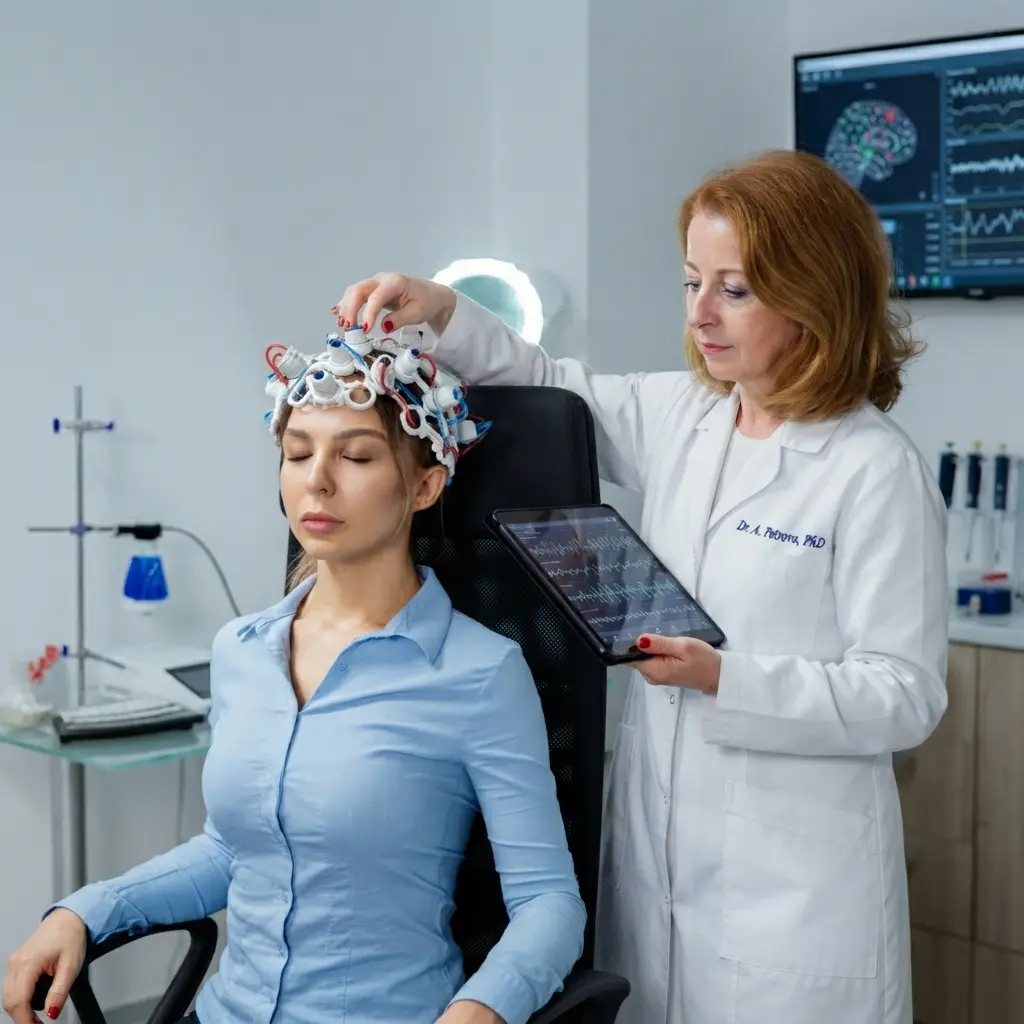
Electroencephalography (EEG) is commonly used in epilepsy evaluation to record electrical activity in the brain.
Depending on the clinical situation, EEG testing may include:
Routine EEG
Sleep EEG
Prolonged EEG
Video EEG monitoring
Inpatient seizure monitoring
EEG findings are considered together with the patient's clinical history and other diagnostic information.
Video EEG Monitoring
Video EEG monitoring combines continuous brain-wave recording with video observation of the patient's behavior and movements.
It may help specialists:
Characterize seizure episodes
Determine seizure type
Identify the area of the brain involved
Distinguish epileptic seizures from other events
Evaluate patients being considered for epilepsy surgery
The type and duration of monitoring depend on the patient's individual needs.
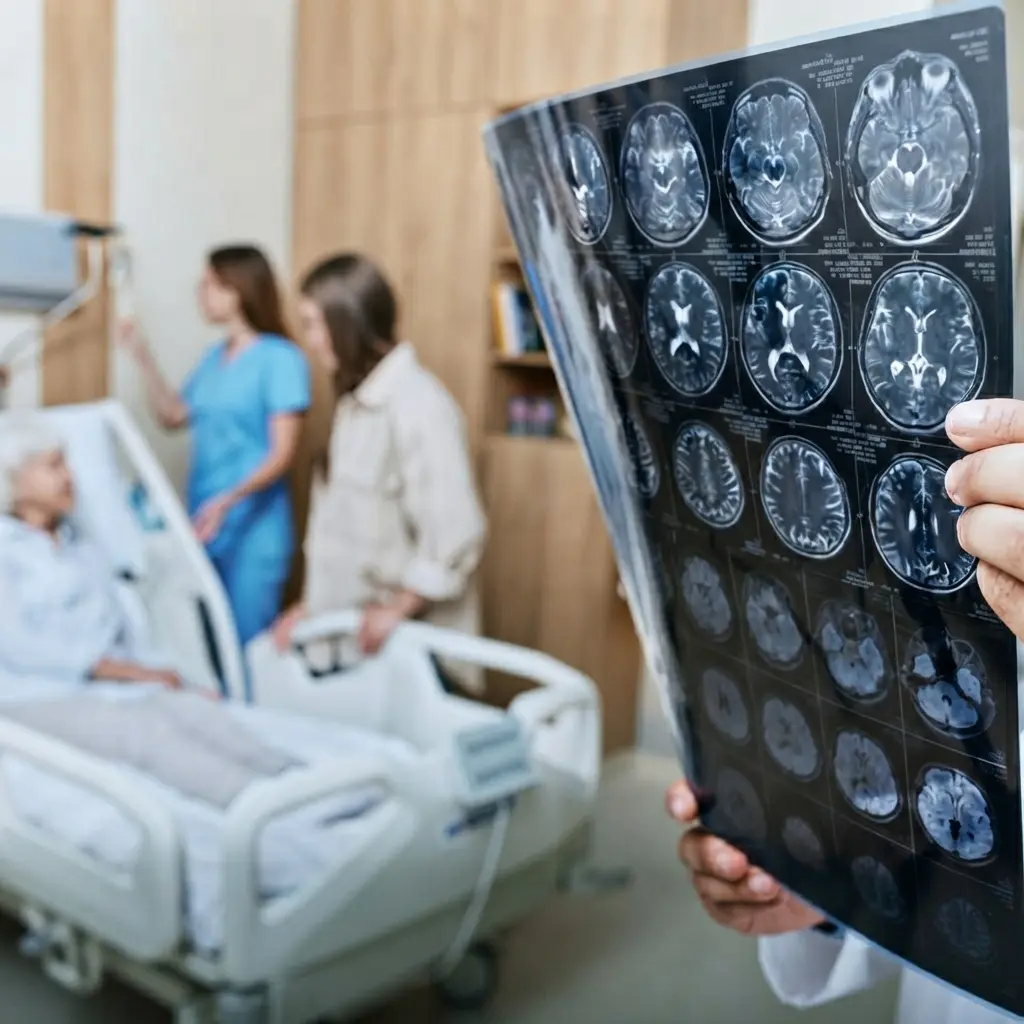
Brain Imaging for Epilepsy
Brain imaging may be used to identify structural abnormalities that could contribute to seizures.
Diagnostic imaging may include:
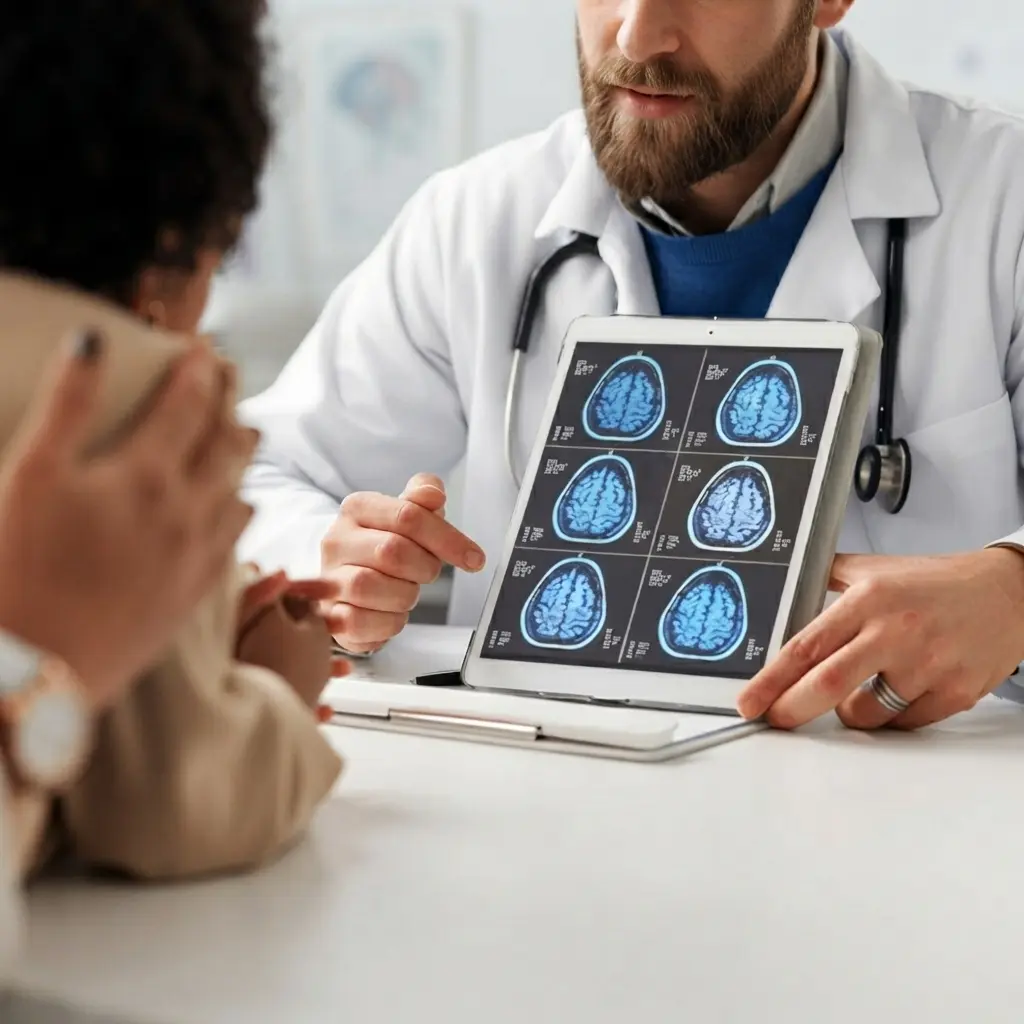
MRI
CT scan
Functional imaging
Other specialized neurological imaging
Imaging results may help identify tumors, scars, malformations or other structural abnormalities.
Epilepsy Medication Management
Anti-seizure medications are commonly used to control epilepsy.
Medication management may involve:
Selecting an appropriate medication
Adjusting dosage
Monitoring treatment response
Managing side effects
Changing medications when necessary
Combining medications in selected cases
Monitoring medication adherence
Medication selection depends on the seizure type, age, medical history and individual treatment response.
Drug-Resistant Epilepsy
Some patients continue to experience seizures despite appropriate treatment with anti-seizure medications.
This may be referred to as drug-resistant or medically refractory epilepsy.
Patients with difficult-to-control seizures may benefit from comprehensive evaluation to determine whether additional medical, dietary, device-based or surgical treatments may be appropriate.
Epilepsy Surgery Evaluation
Selected patients with drug-resistant epilepsy may undergo specialized evaluation for possible epilepsy surgery.
Evaluation may include:
Video EEG monitoring
Brain MRI
Functional brain imaging
Neuropsychological testing
Neurological examination
Seizure mapping
Other specialized testing
The goal is to determine whether seizures originate from an area of the brain that can be safely treated surgically.
Epilepsy Surgery
For appropriately selected patients, surgery may be considered when seizures originate from a specific area of the brain.
Surgical approaches may include:
Removal of the seizure-producing brain region
Laser-based ablation in selected cases
Disconnection procedures
Other specialized epilepsy surgeries
The recommended procedure depends on the seizure origin and individual neurological anatomy.
Laser Ablation for Epilepsy
Selected patients may be evaluated for minimally invasive laser-based treatment.
This approach uses specialized imaging and laser technology to target abnormal brain tissue associated with seizures.
Suitability depends on:
Seizure origin
Location of abnormal tissue
Brain anatomy
Previous treatment
Overall clinical condition
Neuromodulation for Epilepsy
Some patients who are not candidates for conventional epilepsy surgery may be evaluated for device-based treatments that modify abnormal electrical activity.
Treatment options may include:
Vagus nerve stimulation
Responsive neurostimulation
Deep brain stimulation in selected circumstances
Device-based treatment is considered according to the patient's epilepsy characteristics and treatment history.
Vagus Nerve Stimulation
Vagus nerve stimulation uses an implanted device to deliver electrical stimulation to the vagus nerve.
It may be considered for selected patients with epilepsy that remains difficult to control with medication.
The treatment plan includes device programming and ongoing follow-up.
Responsive Neurostimulation
Responsive neurostimulation uses an implanted device designed to detect abnormal electrical activity and provide stimulation in response.
It may be considered for selected patients with drug-resistant epilepsy who meet specific clinical criteria.
Specialized evaluation is required to determine whether this treatment is appropriate.
Dietary Therapy for Epilepsy
Certain patients, particularly some children, may benefit from specialized dietary treatment.
Dietary approaches may include:
Ketogenic diet
Modified ketogenic approaches
Other medically supervised dietary therapies
Dietary treatment should be planned and monitored by an appropriate medical team.
Epilepsy Treatment for Children
Children with epilepsy may require specialized evaluation because seizures can affect:
Learning
Development
Memory
Behavior
School performance
Physical activity
Social development
Treatment is individualized according to the child's age, seizure type, development and overall health.
Epilepsy Treatment for Adults
Adult epilepsy care may involve:
Seizure diagnosis
Medication management
Lifestyle counseling
EEG monitoring
Brain imaging
Surgical evaluation when appropriate
Long-term follow-up
Treatment plans are adjusted according to seizure control and individual patient needs.
Epilepsy and Pregnancy
Women with epilepsy may require specialized neurological planning before and during pregnancy.
Medical management may consider:
Seizure control
Medication selection
Medication dosage
Pregnancy-related considerations
Maternal safety
Fetal health
Postpartum planning
Medication decisions should be individualized by the treating medical team.
Seizure Trigger Management
The epilepsy team may discuss factors that can contribute to seizure activity, such as:
Sleep deprivation
Missed medications
Stress
Alcohol exposure
Illness
Certain medications
Other individual triggers
Identifying and managing triggers may support better seizure control.
Epilepsy Emergency Care
Certain seizure situations require urgent medical attention.
Emergency evaluation may be necessary for:
Prolonged seizures
Repeated seizures without recovery
Serious injury during a seizure
Breathing difficulties
First-time seizures
Seizures occurring during pregnancy
Other concerning neurological symptoms
Emergency management depends on the circumstances and severity of the event.
Epilepsy Monitoring and Follow-Up
Long-term epilepsy care may include:
Seizure tracking
Medication review
Neurological examinations
EEG monitoring when indicated
Review of treatment response
Medication adjustments
Device monitoring when applicable
Periodic imaging or other testing when necessary
Follow-up frequency depends on seizure control and treatment requirements.
Epilepsy Second Opinion
Patients who have already received an epilepsy diagnosis or treatment recommendation may seek an epilepsy second opinion.
The specialist may review:
EEG recordings
MRI scans
CT scans
Seizure history
Previous medical records
Medication history
Previous treatment response
Surgical recommendations
A second opinion may help clarify diagnosis and treatment options.
Multidisciplinary Epilepsy Care
Complex epilepsy cases may require collaboration among:
Epileptologists
Neurologists
Neurosurgeons
Neuroradiologists
Neuropsychologists
EEG specialists
Rehabilitation professionals
Dietitians
Other medical specialists
A multidisciplinary approach may be particularly useful for patients being evaluated for advanced treatment or surgery.
International Patients
International patients should provide relevant medical records whenever possible.
Useful documents may include:
Neurology reports
EEG reports
Video EEG results
MRI scans
CT scans
Laboratory results
Medication history
Seizure diaries
Previous hospital records
Previous surgical reports
Complete documentation can help the epilepsy team understand the patient's treatment history.
Benefits of Specialized Epilepsy Treatment
Specialized epilepsy care may help:
Identify and classify seizure types
Determine possible causes of seizures
Improve seizure control
Optimize anti-seizure medications
Evaluate drug-resistant epilepsy
Assess suitability for epilepsy surgery
Evaluate device-based treatments
Provide dietary treatment when appropriate
Monitor long-term neurological health
Develop individualized treatment plans
Why Choose Mayo Clinic for Epilepsy Treatment?
Mayo Clinic provides specialized epilepsy care through multidisciplinary teams that may include epileptologists, neurologists, neurosurgeons, neuroradiologists, neuropsychologists and other specialists.
Depending on the patient's condition, evaluation and treatment may include advanced EEG monitoring, brain imaging, medication management, epilepsy surgery evaluation, neuromodulation and other specialized approaches.
Cost & Price on Request
Price: Price on Request
The total cost of epilepsy treatment depends on the type and complexity of care required.
Potential costs may include:
Epilepsy consultation
Neurological evaluation
EEG testing
Video EEG monitoring
MRI or CT imaging
Laboratory testing
Medication management
Neuropsychological testing
Surgical evaluation
Epilepsy surgery
Neuromodulation procedures
Hospitalization
Rehabilitation
Follow-up consultations
A personalized cost estimate should be requested according to the patient's individual treatment plan.
Frequently Asked Questions
1. What is the treatment for epilepsy?
Epilepsy treatment may include anti-seizure medications, lifestyle management, dietary therapy, device-based treatment and surgery for selected patients.
2. Can epilepsy be treated without surgery?
Yes. Many patients are treated with anti-seizure medications and other non-surgical approaches. Surgery is generally considered only for appropriately selected patients.
3. What is drug-resistant epilepsy?
Drug-resistant epilepsy refers to epilepsy in which seizures continue despite appropriate treatment with anti-seizure medications. These patients may require specialized evaluation for additional treatment options.
4. Is epilepsy surgery effective for everyone?
No. Epilepsy surgery is appropriate only for selected patients after detailed evaluation. Suitability depends on the location and characteristics of seizure activity and other clinical factors.
5. What tests are used to diagnose epilepsy?
Evaluation may include EEG, video EEG monitoring, MRI, CT, neurological examination, neuropsychological testing and other specialized studies.
Product Details
Product Name: Epilepsy Treatment
Hospital: Mayo Clinic – Rochester
Brand: Mayo Clinic
Country: United States
Specialty: Neurology & Neurosurgery
Service Type: Epilepsy Treatment
Dashboard Price: 0
Customer-Facing Price: Price on Request
International Patients: Available
Location: Rochester, Minnesota, USA
Related products
Neurosurgery at Mayo Clinic
Brain Surgery at Mayo Clinic


Frequently Bought Together
No frequently bought products found!
Products from this Seller
View All









Chemotherapy at Mayo Clinic

Immunotherapy at Mayo Clinic



Medical Tourism





Share with Friends
Trading is more effective when you share products with friends!Share you link
Share to