













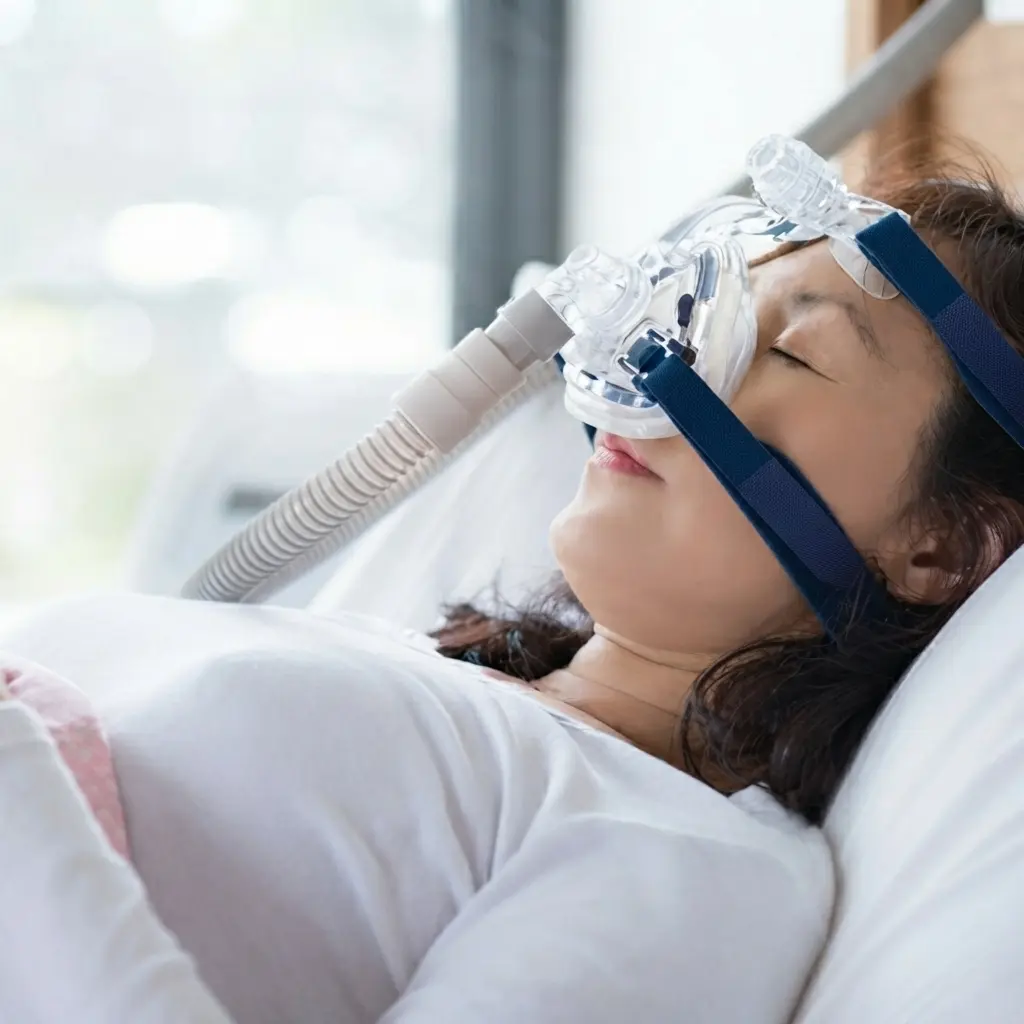
Sleep & Breathing Disorders Care at Mayo Clinic
Sleep & Breathing Disorders Care provides specialized evaluation, diagnosis and treatment for sleep-related breathing problems and respiratory conditions that affect sleep quality and nighttime breathing. Specialists assess symptoms, sleep patterns, breathing function and relevant medical conditions to develop an individualized care plan. Depending on the diagnosis, treatment may include sleep testing, positive airway pressure therapy, lifestyle modification, respiratory management and follow-up monitoring.
Price
Price on Request
Why Price on Request?
The cost of sleep and breathing disorders care depends on the specialist consultation, sleep study, respiratory testing, diagnostic evaluation, equipment needs, treatment and follow-up care required. A personalized estimate is provided according to the patient's individual medical needs.
Complete Description
What Is Sleep & Breathing Disorders Care?
Sleep & Breathing Disorders Care focuses on conditions that interfere with normal breathing during sleep and may affect sleep quality, oxygen levels and daytime functioning.
Specialists may evaluate:
Sleep apnea
Snoring
Nighttime breathing difficulties
Interrupted breathing during sleep
Excessive daytime sleepiness
Nighttime oxygen problems
Sleep-related hypoventilation
Other sleep-related respiratory conditions
Sleep-Related Breathing Evaluation
A comprehensive evaluation may include:
Sleep history
Breathing symptoms
Daytime symptoms
Medical history
Medication review
Physical examination
Sleep study
Oxygen assessment
Respiratory testing
The evaluation is tailored to the patient's symptoms and suspected condition.
Sleep Apnea Evaluation
Sleep apnea is a condition in which breathing repeatedly stops or becomes restricted during sleep.
Evaluation may consider:
Snoring
Pauses in breathing
Gasping during sleep
Morning headaches
Daytime sleepiness
Difficulty concentrating
Nighttime awakenings
A sleep study may be recommended to confirm the diagnosis.
Obstructive Sleep Apnea
Obstructive sleep apnea occurs when the upper airway becomes partially or completely blocked during sleep.
Potential symptoms include:
Loud snoring
Interrupted breathing
Gasping
Restless sleep
Daytime fatigue
Morning headaches
Treatment depends on the severity and individual circumstances.
Central Sleep Apnea
Central sleep apnea occurs when the brain's signals to the muscles responsible for breathing are disrupted during sleep.
Evaluation may include:
Sleep study
Medical history
Cardiovascular assessment
Neurological evaluation when appropriate
Medication review
Treatment depends on the underlying cause and type of sleep-related breathing disorder.
Sleep Study
A sleep study may monitor several physiological measurements during sleep.
Depending on the testing method, monitoring may include:
Breathing patterns
Oxygen levels
Heart rate
Brain activity
Body movements
Sleep stages
Airflow
The results help specialists determine whether a sleep-related breathing disorder is present.
Overnight Oxygen Evaluation
Some patients may require assessment of oxygen levels during sleep.
Testing may help identify:
Oxygen desaturation
Sleep-related breathing abnormalities
Need for additional respiratory evaluation
Further testing may be recommended based on the results.
Snoring Evaluation
Persistent or loud snoring may sometimes be associated with obstructive sleep apnea or other airway problems.
Evaluation may consider:
Snoring severity
Breathing interruptions
Nasal or airway symptoms
Sleep quality
Daytime symptoms
Daytime Sleepiness Assessment
Excessive daytime sleepiness can be associated with sleep-related breathing disorders.
A specialist may assess:
Sleep duration
Sleep quality
Nighttime awakenings
Fatigue
Concentration
Unintended daytime sleep episodes
Positive Airway Pressure Therapy
Positive airway pressure therapy may be recommended for selected patients with sleep apnea.
Treatment may help:
Keep the airway open
Improve nighttime breathing
Reduce breathing interruptions
Improve oxygen levels
Improve sleep quality
The appropriate device and settings depend on the patient's condition.
CPAP Therapy
Continuous positive airway pressure (CPAP) provides a steady flow of air through a mask to help keep the airway open during sleep.
CPAP may be recommended for patients with appropriate forms of obstructive sleep apnea.
Treatment may require adjustment of:
Mask type
Air pressure
Device settings
Humidification
Patient comfort measures
Other Positive Airway Pressure Treatments
Depending on the diagnosis, some patients may require other forms of positive airway pressure therapy.
Treatment selection may depend on:
Type of sleep disorder
Breathing pattern
Oxygen levels
Other medical conditions
Response to previous treatment
Sleep-Related Hypoventilation
Sleep-related hypoventilation occurs when breathing becomes inadequate during sleep, potentially resulting in increased carbon dioxide levels or reduced oxygenation.
Evaluation may involve:
Sleep testing
Oxygen monitoring
Carbon dioxide assessment
Pulmonary function testing
Evaluation of underlying medical conditions
Sleep and Chronic Lung Disease
Patients with chronic lung conditions may experience breathing difficulties during sleep.
Pulmonary evaluation may address:
Oxygen levels
Sleep-related breathing changes
Respiratory symptoms
Medication use
Need for additional respiratory support
Sleep and Asthma
Asthma symptoms may sometimes worsen at night.
Evaluation may consider:
Nighttime coughing
Wheezing
Chest tightness
Sleep interruption
Asthma control
Medication effectiveness
Treatment may involve optimizing asthma management.
Sleep and COPD
Patients with chronic obstructive pulmonary disease may experience nighttime breathing problems.
Evaluation may include:
Oxygen monitoring
Sleep assessment
Lung function
Respiratory symptoms
Medication review
Additional respiratory support may be considered when clinically appropriate.
Sleep-Related Oxygen Problems
Some patients may experience reduced oxygen levels during sleep.
Evaluation may include:
Overnight oxygen monitoring
Sleep study
Pulmonary testing
Assessment of underlying lung or cardiovascular disease
Treatment depends on the underlying cause.
Lifestyle and Behavioral Management
Depending on the condition, specialists may recommend:
Weight management
Regular physical activity
Sleep schedule improvement
Avoidance of certain substances before sleep
Appropriate sleep positioning
Other individualized lifestyle measures
Sleep Position Evaluation
Some sleep-related breathing problems may be affected by sleeping position.
Specialists may assess whether symptoms are more prominent:
While lying on the back
During side sleeping
During different stages of sleep
Treatment recommendations may be adjusted accordingly.
Medication Review
Certain medications can affect sleep or breathing.
A specialist may review:
Sedative medications
Pain medications
Respiratory medications
Other prescription medicines
Over-the-counter medications
Medication changes should be made only under appropriate medical guidance.
Follow-Up and Treatment Monitoring
Patients receiving treatment for sleep-related breathing disorders may require follow-up assessment.
Monitoring may include:
Symptom improvement
Sleep quality
Treatment adherence
Oxygen levels
Device data
Repeat sleep testing when appropriate
Sleep Disorder Second Opinion
Patients who have already received a diagnosis or treatment recommendation may seek a sleep and breathing disorder second opinion.
Specialists may review:
Previous sleep studies
Oxygen testing
Pulmonary function tests
Medical records
Current treatment
Positive airway pressure data
International Patients
International patients should provide relevant medical records whenever possible.
Useful documents may include:
Previous sleep study reports
Oxygen monitoring results
Pulmonary function tests
Chest imaging
Previous pulmonary reports
Medication list
Current treatment information
Benefits of Specialized Sleep & Breathing Disorders Care
Specialized care may help:
Identify sleep-related breathing disorders
Diagnose sleep apnea
Assess nighttime oxygen levels
Evaluate breathing problems during sleep
Develop individualized treatment plans
Optimize positive airway pressure therapy
Manage sleep-related respiratory problems
Monitor treatment effectiveness
Provide specialized second opinions
Why Choose Mayo Clinic for Sleep & Breathing Disorders Care?
Mayo Clinic provides specialized evaluation of sleep-related breathing conditions through multidisciplinary teams that may include pulmonologists, sleep specialists, respiratory professionals and other medical specialists.
Depending on the patient's condition, care may include sleep testing, respiratory evaluation, positive airway pressure therapy, oxygen assessment and coordinated follow-up.
Cost & Price on Request
Price: Price on Request
The total cost depends on the type of sleep or breathing disorder and diagnostic and treatment requirements.
Potential costs may include:
Specialist consultation
Sleep study
Pulmonary function testing
Oxygen monitoring
Respiratory testing
Positive airway pressure equipment
Treatment management
Follow-up consultations
A personalized cost estimate should be requested according to the patient's individual medical needs.
Frequently Asked Questions
1. What sleep-related breathing conditions are evaluated?
Care may include evaluation of obstructive sleep apnea, central sleep apnea, sleep-related hypoventilation and other nighttime breathing disorders.
2. How is sleep apnea diagnosed?
Sleep apnea is commonly evaluated using a sleep study, which can monitor breathing, oxygen levels, heart rate and other physiological measurements during sleep.
3. Is CPAP used to treat sleep apnea?
Yes. CPAP therapy may be recommended for selected patients, particularly those with obstructive sleep apnea.
4. Can lung disease affect breathing during sleep?
Yes. Conditions such as COPD, asthma and other chronic respiratory diseases can affect nighttime breathing and oxygen levels.
5. How much does sleep and breathing disorders care cost?
Price is available on request. The final cost depends on consultation, sleep testing, respiratory evaluation, treatment and follow-up requirements.
Product Details
Product Name: Sleep & Breathing Disorders Care
Hospital: Mayo Clinic – Rochester
Brand: Mayo Clinic
Country: United States
Specialty: Pulmonology & Lung Surgery
Service Type: Sleep & Breathing Disorders Care
Customer-Facing Price: Price on Request
International Patients: Available
Location: Rochester, Minnesota, USA
Related products


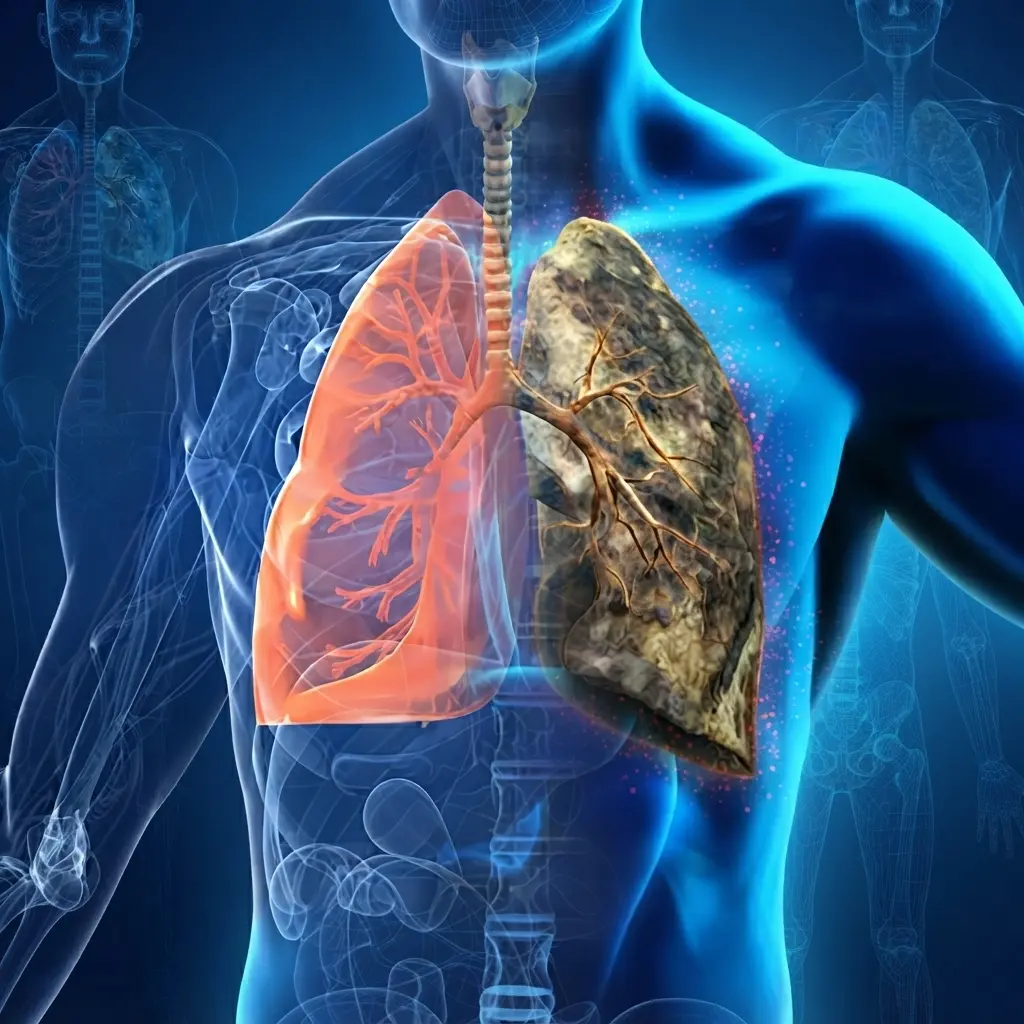

Bronchoscopy at Mayo Clinic

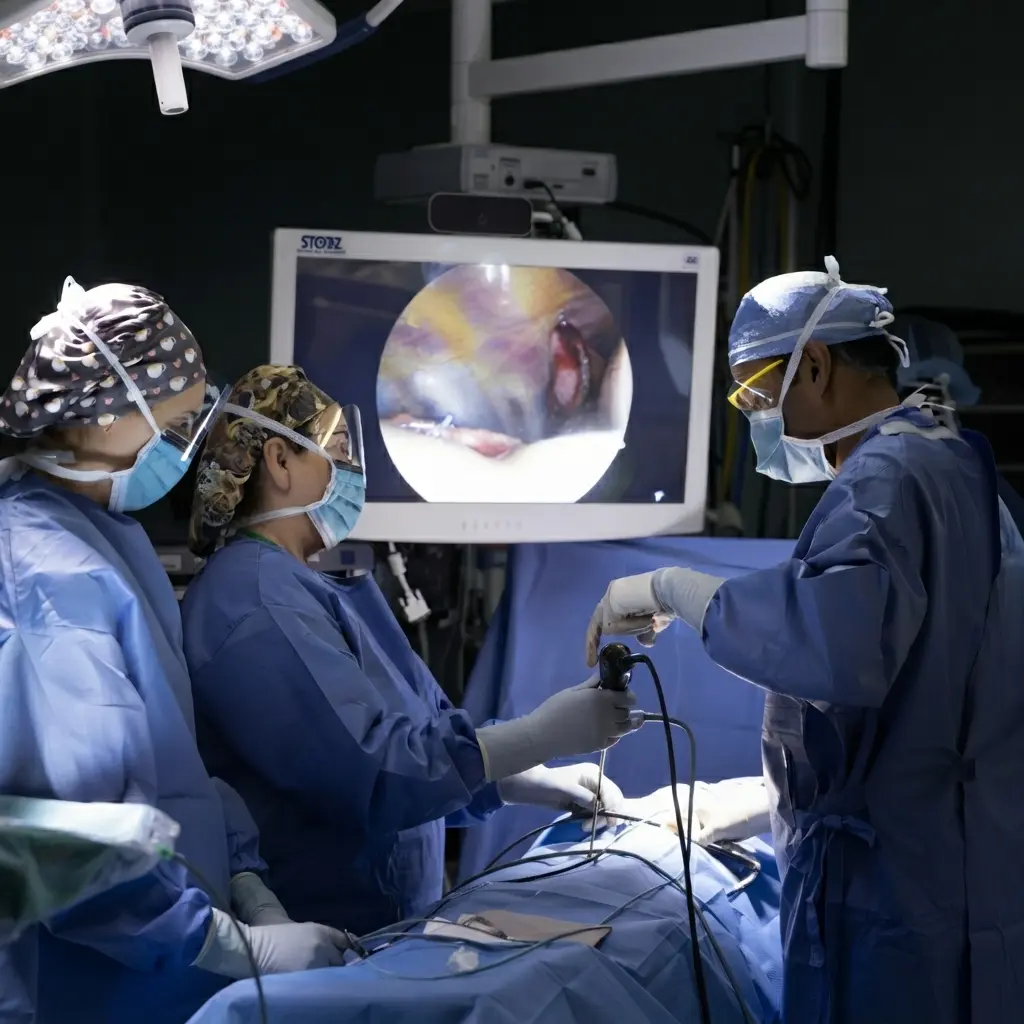
Lung Surgery at Mayo Clinic

Frequently Bought Together
No frequently bought products found!
Products from this Seller
View All










Chemotherapy at Mayo Clinic

Immunotherapy at Mayo Clinic



Medical Tourism





Share with Friends
Trading is more effective when you share products with friends!Share you link
Share to