






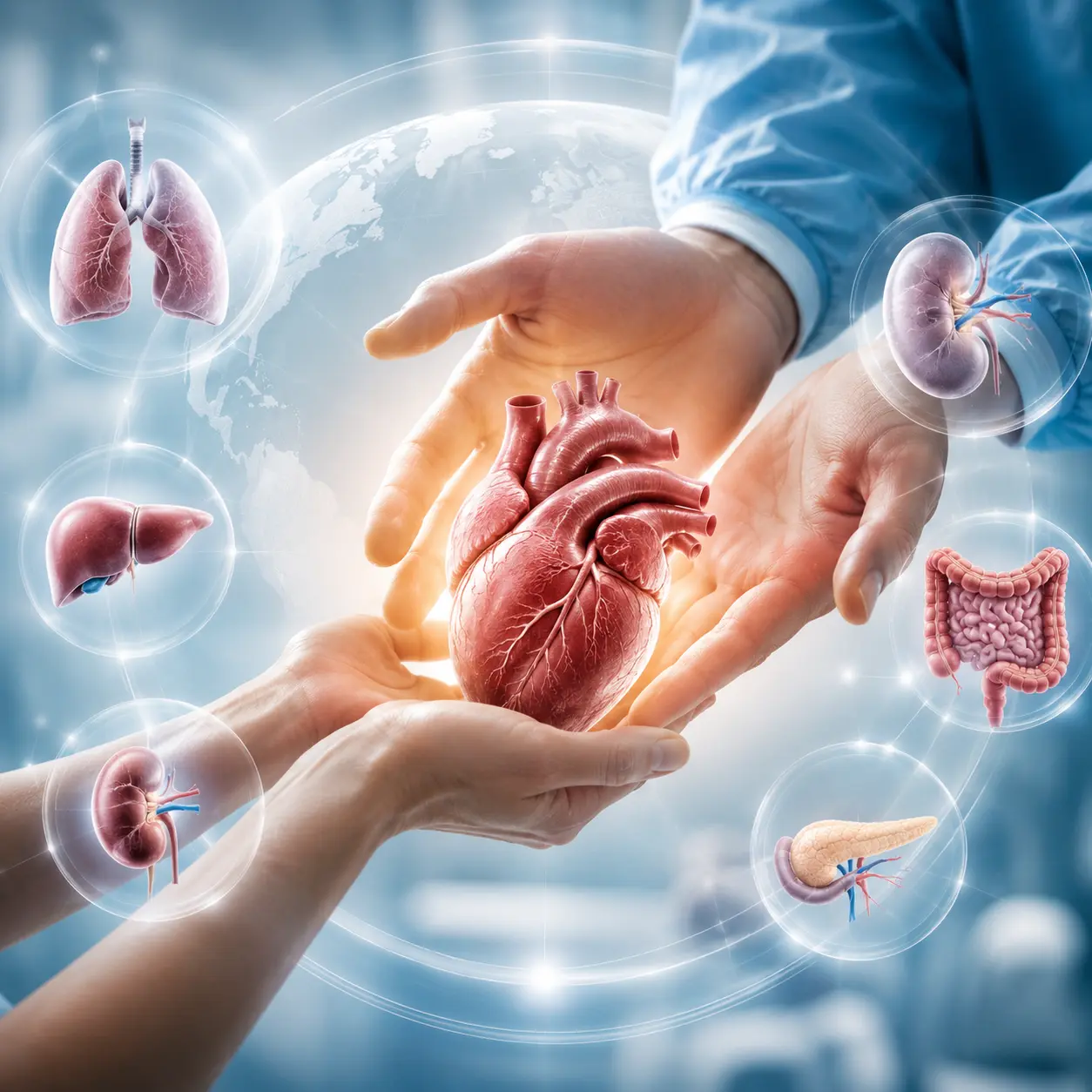






Bronchoscopy at Mayo Clinic
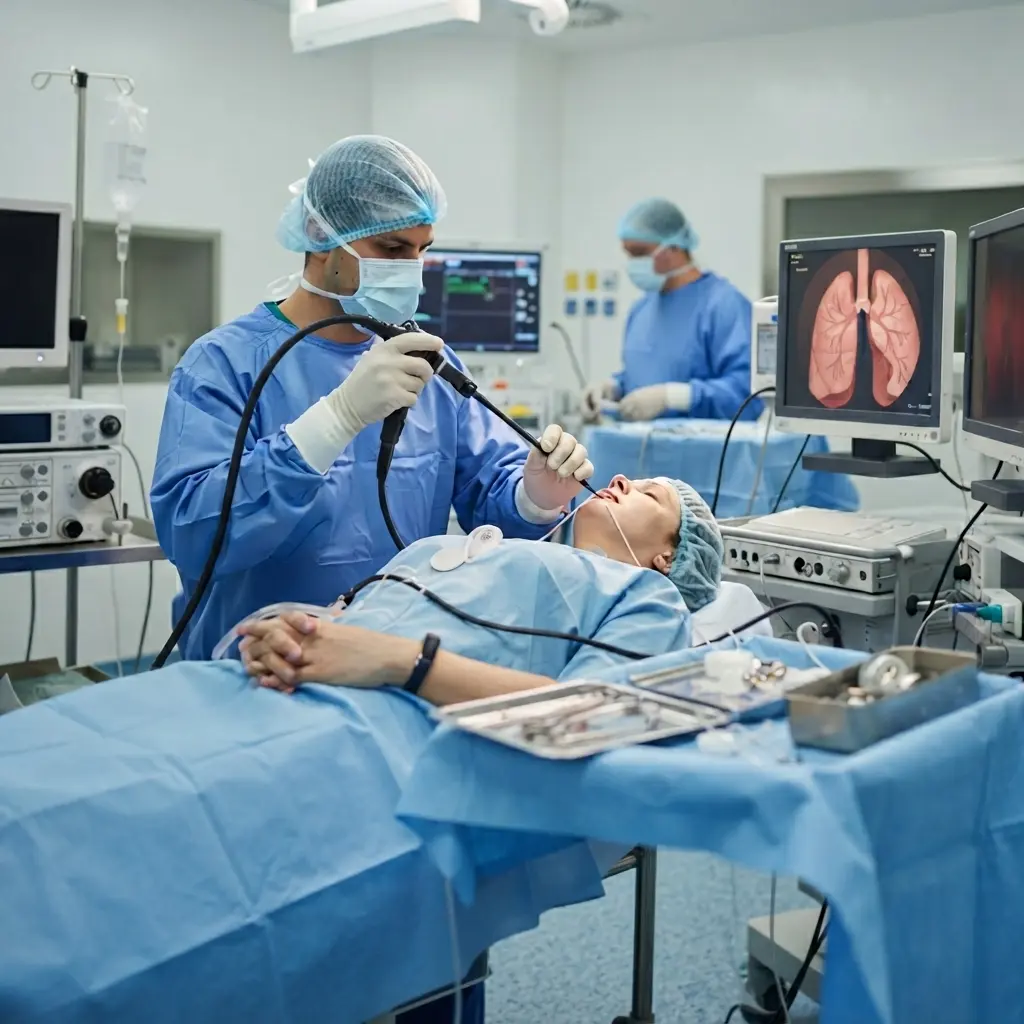
Bronchoscopy is a specialized procedure used to examine the airways and lungs, diagnose respiratory conditions and obtain tissue or fluid samples when necessary. A pulmonologist inserts a thin bronchoscope through the nose or mouth and into the airways to evaluate abnormalities, collect samples and perform selected therapeutic procedures. Bronchoscopy may be used for lung nodules, abnormal chest imaging, persistent cough, airway disorders, suspected infections and suspected lung cancer.
Price
Price on Request
Why Price on Request?
The cost of bronchoscopy depends on the type of procedure, specialist consultation, anesthesia or sedation, imaging guidance, biopsy or sampling requirements, laboratory and pathology testing, facility charges and follow-up care required. A personalized estimate is provided according to the patient's individual medical needs.
Complete Description
What Is Bronchoscopy?
Bronchoscopy is a procedure that allows specialists to directly examine the trachea and bronchial airways using a thin flexible or specialized bronchoscope.
It may be used for:
Diagnosis of lung disease
Evaluation of abnormal chest imaging
Lung nodule assessment
Lung cancer diagnosis
Airway abnormalities
Persistent cough
Recurrent respiratory infections
Collection of tissue or fluid samples
Selected therapeutic procedures
Diagnostic Bronchoscopy
Diagnostic bronchoscopy is performed to investigate abnormalities identified through symptoms, imaging or other medical tests.
It may help evaluate:
Lung nodules
Lung masses
Abnormal chest CT findings
Persistent cough
Unexplained bleeding
Airway abnormalities
Suspected infection
Suspected cancer
Flexible Bronchoscopy
A flexible bronchoscope is a thin, bendable instrument that can pass through the airways.
It allows specialists to:
Visualize the airways
Identify abnormalities
Collect tissue samples
Collect respiratory secretions
Perform selected airway procedures
Flexible bronchoscopy is commonly used for diagnostic pulmonary evaluation.
Airway Examination
During bronchoscopy, specialists may examine:
Trachea
Main bronchi
Smaller bronchial passages
Airway lining
Abnormal growths
Narrowed areas
Obstructions
Bleeding sites
The findings may help determine the underlying respiratory condition.
Bronchoscopy for Lung Nodules
Bronchoscopy may be used to investigate selected lung nodules.
Depending on the nodule's location, specialists may use advanced bronchoscopic techniques to obtain tissue for diagnosis.
Evaluation may include:
CT imaging review
Bronchoscopic navigation
Tissue sampling
Pathology examination
Molecular testing when appropriate
Bronchoscopy for Lung Cancer Diagnosis
Bronchoscopy may help diagnose suspected lung cancer by allowing specialists to obtain tissue samples.
Samples may be examined to determine:
Cancer type
Tumor characteristics
Molecular features
Treatment-related information
The appropriate sampling method depends on the location and characteristics of the abnormality.
Bronchoscopic Biopsy
A biopsy involves obtaining tissue from an abnormal area for laboratory and pathology examination.
Bronchoscopic biopsy may be considered for:
Lung lesions
Airway abnormalities
Lymph nodes
Suspected tumors
Other selected pulmonary conditions
Endobronchial Ultrasound
Endobronchial ultrasound uses ultrasound technology during bronchoscopy to visualize structures surrounding the airways.
It may assist with evaluation and sampling of:
Mediastinal lymph nodes
Hilar lymph nodes
Selected masses
Other structures near the airways
It can be particularly useful during lung cancer staging.
Lymph Node Sampling
Bronchoscopy may be used to obtain samples from lymph nodes located around the lungs.
This can help determine whether cancer or other disease has spread to nearby lymph nodes.
The samples are examined by pathology specialists.
Bronchoalveolar Lavage
During bronchoscopy, specialists may perform bronchoalveolar lavage by introducing sterile fluid into a portion of the lung and collecting it for analysis.
The collected sample may be evaluated for:
Infection
Inflammation
Abnormal cells
Other pulmonary conditions
Airway Secretion Collection
Bronchoscopy may allow specialists to collect mucus or other respiratory secretions for laboratory testing.
Testing may help identify:
Bacterial infections
Fungal infections
Other infectious organisms
Abnormal cellular findings
Bronchoscopy for Respiratory Infection
Bronchoscopy may be considered when a respiratory infection is:
Severe
Recurrent
Difficult to diagnose
Not responding to standard treatment
Associated with an abnormal airway or lung finding
Samples collected during the procedure may help identify the underlying infection.
Bronchoscopy for Persistent Cough
Persistent or unexplained cough may sometimes require bronchoscopic evaluation.
The procedure can help identify:
Airway abnormalities
Obstructions
Abnormal growths
Inflammation
Other structural causes
Other diagnostic tests may also be performed depending on the patient's symptoms.
Bronchoscopy for Airway Obstruction
Bronchoscopy can help identify narrowing or blockage within the airways.
Possible causes include:
Tumors
Foreign bodies
Scar tissue
Inflammation
Other structural abnormalities
Selected obstructions may also be treated during bronchoscopy.
Therapeutic Bronchoscopy
In selected cases, bronchoscopy can be used for treatment as well as diagnosis.
Therapeutic procedures may address:
Airway obstruction
Abnormal tissue
Excessive secretions
Selected airway narrowing
Certain bleeding problems
The appropriate technique depends on the underlying condition.
Airway Stent Placement
Selected patients with significant airway narrowing may be evaluated for airway stent placement.
A stent can help maintain an open airway in certain situations.
The decision depends on:
Cause of obstruction
Location
Severity
Overall medical condition
Treatment goals
Removal of Airway Obstructions
In selected circumstances, bronchoscopy may be used to remove an obstruction from the airway.
Potential causes may include:
Foreign material
Abnormal tissue
Blood clots
Excess secretions
The appropriate technique depends on the nature and location of the obstruction.
Bronchoscopy for Airway Bleeding
Bronchoscopy may help identify the source of bleeding within the airways.
It may assist with:
Locating the bleeding area
Obtaining diagnostic samples
Managing selected bleeding situations
Significant coughing up of blood requires prompt medical evaluation.
Advanced Bronchoscopic Techniques
Selected pulmonary centers may use advanced bronchoscopic techniques for complex diagnostic and therapeutic situations.
These may include:
Endobronchial ultrasound
Navigational bronchoscopy
Specialized biopsy techniques
Airway interventions
Other image-assisted procedures
The technique selected depends on the patient's condition and treatment goals.
Navigational Bronchoscopy
Navigational bronchoscopy uses advanced technology to help guide the bronchoscope toward selected areas of the lung.
It may assist with biopsy of certain peripheral lung lesions that are difficult to reach using conventional bronchoscopy.
Bronchoscopy Preparation
Before the procedure, patients may receive instructions regarding:
Fasting
Medication use
Blood-thinning medications
Previous medical conditions
Allergies
Sedation or anesthesia requirements
Specific preparation instructions depend on the procedure and patient's medical condition.
Sedation and Anesthesia
Bronchoscopy may be performed using sedation or anesthesia depending on:
Procedure type
Patient condition
Expected duration
Complexity of the procedure
Institutional protocols
The medical team determines the appropriate approach.
Bronchoscopy Recovery
After the procedure, patients may be monitored for:
Breathing
Oxygen levels
Blood pressure
Heart rate
Recovery from sedation
Patients may receive instructions regarding eating, drinking, medication and activity after the procedure.
Bronchoscopy Pathology and Laboratory Testing
Samples obtained during bronchoscopy may be sent for:
Pathology
Cytology
Bacterial testing
Fungal testing
Other specialized laboratory analysis
Results help determine the diagnosis and guide further treatment.
Bronchoscopy for Lung Cancer Staging
Bronchoscopy, particularly when combined with endobronchial ultrasound, may help determine whether lung cancer has spread to nearby lymph nodes.
Accurate staging is important for selecting the most appropriate treatment.
Bronchoscopy Second Opinion
Patients with abnormal chest imaging or a recommended bronchoscopy may seek a specialist evaluation before proceeding.
The specialist may review:
CT scans
PET scans
Previous bronchoscopy reports
Pathology results
Laboratory testing
Previous treatment
This can help determine whether bronchoscopy or another diagnostic approach is appropriate.
International Patients
International patients should provide relevant medical records whenever possible.
Useful documents may include:
Chest CT scans
Chest X-rays
PET scans
Previous bronchoscopy reports
Pathology reports
Laboratory results
Pulmonary function tests
Previous treatment records
Current medication list
Benefits of Specialized Bronchoscopy
Specialized bronchoscopy may help:
Directly examine the airways
Diagnose lung abnormalities
Obtain tissue samples
Evaluate lung nodules
Diagnose lung cancer
Assess lymph nodes
Investigate respiratory infections
Evaluate airway obstruction
Perform selected therapeutic procedures
Support personalized treatment planning
Why Choose Mayo Clinic for Bronchoscopy?
Mayo Clinic provides specialized bronchoscopic evaluation through pulmonary teams that may work with thoracic surgeons, oncologists, radiologists, pathologists and other specialists.
Depending on the patient's condition, bronchoscopy may be used for advanced diagnosis, tissue sampling, lung cancer staging, infection evaluation and selected therapeutic airway procedures.
Cost & Price on Request
Price: Price on Request
The total cost of bronchoscopy depends on the procedure type and additional diagnostic or therapeutic services required.
Potential costs may include:
Pulmonology consultation
Bronchoscopy procedure
Sedation or anesthesia
Imaging guidance
Biopsy
Pathology
Laboratory testing
Molecular testing
Hospital or facility charges
Follow-up consultation
A personalized cost estimate should be requested according to the patient's individual medical needs.
Frequently Asked Questions
1. Why is bronchoscopy performed?
Bronchoscopy may be performed to examine the airways, diagnose lung abnormalities, obtain tissue samples, evaluate infections or assess suspected lung cancer.
2. Can bronchoscopy diagnose lung cancer?
Yes. Bronchoscopy can allow specialists to obtain tissue or cell samples that can be examined by pathology to determine whether cancer is present.
3. Is bronchoscopy used to evaluate lung nodules?
Yes. Selected lung nodules can be evaluated using advanced bronchoscopic techniques and tissue sampling.
4. Is bronchoscopy painful?
Sedation or anesthesia is commonly used to improve comfort. The specific approach depends on the procedure and the patient's medical circumstances.
5. How much does bronchoscopy cost?
Price is available on request. The final cost depends on the type of bronchoscopy, anesthesia, biopsy, laboratory or pathology testing and follow-up care.
Product Details
Product Name: Bronchoscopy
Hospital: Mayo Clinic – Rochester
Brand: Mayo Clinic
Country: United States
Specialty: Pulmonology & Lung Surgery
Service Type: Bronchoscopy
Customer-Facing Price: Price on Request
International Patients: Available
Location: Rochester, Minnesota, USA
Related products
Bronchoscopy at Mayo Clinic

Lung Surgery at Mayo Clinic
Frequently Bought Together
No frequently bought products found!
Products from this Seller
View All

Chemotherapy at Mayo Clinic
Immunotherapy at Mayo Clinic
Medical Tourism





Share with Friends
Trading is more effective when you share products with friends!Share you link
Share to