














Pulmonology Consultation at Mayo Clinic
Pulmonology Consultation provides specialized evaluation and management for lung diseases, breathing problems, respiratory symptoms and complex pulmonary conditions. Pulmonology specialists assess the patient's medical history, symptoms, lung function and diagnostic findings to develop an individualized treatment plan. Depending on the condition, care may include diagnostic testing, medication management, pulmonary rehabilitation, bronchoscopy, respiratory support and referral for advanced pulmonary or surgical treatment when clinically appropriate.
Price
Price on Request
Why Price on Request?
The cost of a pulmonology consultation depends on the specialist evaluation, diagnostic testing, pulmonary function tests, imaging, laboratory testing, bronchoscopy, treatment procedures and follow-up care required. A personalized estimate is provided according to the patient's individual medical needs.
Complete Description
What Is a Pulmonology Consultation?
Pulmonology Consultation focuses on the evaluation and management of diseases and conditions affecting the lungs, airways, breathing system and related respiratory structures.
A pulmonologist may evaluate patients with:
Chronic cough
Shortness of breath
Wheezing
Chest discomfort related to respiratory conditions
Recurrent respiratory infections
Abnormal chest imaging
Reduced lung function
Sleep-related breathing problems
Asthma
Chronic obstructive pulmonary disease
Interstitial lung disease
Pulmonary hypertension
Other complex lung conditions
Pulmonary Symptom Evaluation
A pulmonology consultation may evaluate symptoms such as:
Persistent cough
Shortness of breath
Wheezing
Difficulty breathing
Excess mucus production
Chest tightness
Reduced exercise tolerance
Frequent respiratory infections
Coughing up blood
Sleep-related breathing difficulties
The evaluation depends on the patient's symptoms and medical history.
Medical History Assessment
The specialist may review:
Current respiratory symptoms
Previous lung conditions
Smoking history
Occupational exposures
Environmental exposures
Previous respiratory infections
Allergies
Medication history
Previous hospitalizations
Previous imaging
Family medical history
This information helps identify potential causes of respiratory problems.
Physical Examination
A pulmonary evaluation may include:
Breathing assessment
Lung examination
Oxygen saturation measurement
Heart and respiratory rate assessment
Chest examination
General physical examination
Additional testing may be recommended based on the clinical findings.
Pulmonary Function Testing
Pulmonary function tests help evaluate how well the lungs are working.
Testing may assess:
Lung capacity
Airflow
Breathing efficiency
Oxygen exchange
Response to certain medications
These tests may help diagnose and monitor several respiratory conditions.
Spirometry
Spirometry measures how much air a person can breathe in and out and how quickly air can be exhaled.
It may be used to evaluate conditions such as:
Asthma
Chronic obstructive pulmonary disease
Other airflow-related disorders
Results may help guide diagnosis and treatment.
Chest Imaging
Depending on the patient's symptoms, specialists may review or request:
Chest X-rays
CT scans
High-resolution CT scans
Other specialized imaging
Imaging may help evaluate the lungs, airways and surrounding structures.
Laboratory Testing
Laboratory testing may be recommended to investigate specific respiratory conditions.
Testing may include:
Blood tests
Oxygen-related measurements
Inflammatory markers
Allergy-related testing
Other condition-specific laboratory studies
Testing is selected according to the patient's symptoms and suspected diagnosis.
Asthma Evaluation
Pulmonologists may evaluate patients with:
Persistent asthma symptoms
Difficult-to-control asthma
Frequent asthma attacks
Exercise-related breathing problems
Uncertain asthma diagnosis
Evaluation may include lung function testing and review of current medications.
Treatment may involve inhaled medications, trigger management, monitoring and personalized asthma management plans.
Chronic Obstructive Pulmonary Disease Evaluation
Patients with chronic obstructive pulmonary disease may undergo evaluation of:
Breathing symptoms
Lung function
Exercise tolerance
Exacerbation history
Medication effectiveness
Oxygen needs
Treatment may include medication, pulmonary rehabilitation, smoking cessation support and other respiratory therapies.
Interstitial Lung Disease Evaluation
Interstitial lung diseases affect the lung tissue and may cause:
Shortness of breath
Persistent cough
Reduced exercise capacity
Evaluation may include:
High-resolution CT
Pulmonary function tests
Blood testing
Review of environmental exposures
Assessment for autoimmune or other underlying conditions
Treatment depends on the specific type of interstitial lung disease.
Pulmonary Hypertension Evaluation
Pulmonary hypertension involves increased pressure in the blood vessels of the lungs.
Evaluation may include:
Medical history
Physical examination
Echocardiography
Pulmonary function testing
Chest imaging
Blood tests
Other specialized cardiovascular or pulmonary testing
Additional testing may be performed when necessary.
Chronic Cough Evaluation
A persistent cough can have many possible causes.
Pulmonology evaluation may consider:
Asthma
Airway disease
Chronic lung disease
Reflux-related conditions
Environmental exposure
Medication-related causes
Other respiratory disorders
Diagnostic testing is selected according to the patient's individual symptoms.
Shortness of Breath Evaluation
Shortness of breath may result from pulmonary, cardiovascular or other medical conditions.
A specialist may evaluate:
Lung function
Oxygen levels
Chest imaging
Exercise tolerance
Cardiac and respiratory history
Previous medical conditions
The goal is to identify the underlying cause and develop an appropriate treatment plan.
Respiratory Infection Evaluation
Patients with recurrent or complicated respiratory infections may require specialized evaluation.
Assessment may include:
Infection history
Chest imaging
Laboratory testing
Lung function testing
Evaluation of underlying lung disease
Review of previous antibiotic treatment
Sleep and Breathing Evaluation
Some respiratory symptoms may occur during sleep.
Evaluation may address:
Snoring
Sleep-related breathing problems
Daytime sleepiness
Nighttime breathing difficulties
Other sleep-related respiratory symptoms
Sleep testing may be recommended when clinically appropriate.
Bronchoscopy Referral and Evaluation
A pulmonologist may recommend bronchoscopy when direct examination of the airways or collection of tissue or fluid is necessary.
Bronchoscopy may help evaluate:
Abnormal chest imaging
Persistent cough
Airway abnormalities
Lung nodules
Suspected infection
Suspected cancer
Other pulmonary conditions
Lung Nodule Evaluation
A pulmonary specialist may evaluate an abnormal lung nodule detected on imaging.
Evaluation may include:
Review of previous imaging
CT scan
Assessment of nodule characteristics
Risk assessment
Follow-up imaging
Bronchoscopy or biopsy when appropriate
The management plan depends on the size, appearance and clinical risk associated with the nodule.
Abnormal Chest Imaging Evaluation
Pulmonologists may review abnormal findings such as:
Lung nodules
Lung masses
Infiltrates
Scarring
Enlarged lymph nodes
Abnormal lung patterns
Additional imaging or diagnostic procedures may be recommended when needed.
Oxygen Therapy Evaluation
Some patients with chronic lung disease may require evaluation for supplemental oxygen.
Assessment may include:
Oxygen saturation
Resting oxygen levels
Exercise oxygen levels
Sleep-related oxygen requirements
Underlying lung condition
The need for oxygen therapy is determined according to clinical findings.
Pulmonary Rehabilitation Referral
Patients with chronic respiratory conditions may benefit from pulmonary rehabilitation.
A pulmonologist may refer patients for programs designed to improve:
Exercise capacity
Breathing efficiency
Physical conditioning
Activity tolerance
Quality of life
Medication Management
Pulmonology care may involve reviewing and adjusting:
Inhalers
Bronchodilators
Corticosteroids
Antibiotics when appropriate
Anti-inflammatory medications
Other respiratory medications
Medication selection depends on the specific diagnosis and patient response.
Smoking and Tobacco Exposure Assessment
Smoking and tobacco exposure can significantly affect respiratory health.
Pulmonology care may include:
Smoking history assessment
Evaluation of tobacco-related lung disease
Smoking cessation support
Assessment of ongoing respiratory risks
Occupational and Environmental Lung Conditions
Pulmonary specialists may evaluate respiratory problems associated with:
Dust exposure
Chemical exposure
Industrial environments
Workplace pollutants
Mold
Other environmental factors
A detailed exposure history may help identify possible causes of lung disease.
Second Opinion for Pulmonary Conditions
Patients who have already received a diagnosis or treatment recommendation may seek a pulmonology second opinion.
The specialist may review:
Chest X-rays
CT scans
Pulmonary function tests
Laboratory results
Bronchoscopy reports
Pathology reports
Previous treatment
Current medications
A second opinion may help clarify the diagnosis and treatment options.
Multidisciplinary Pulmonary Care
Complex respiratory conditions may require collaboration among:
Pulmonologists
Thoracic surgeons
Radiologists
Pathologists
Oncologists
Sleep specialists
Rehabilitation specialists
Other medical professionals
A multidisciplinary approach can help coordinate diagnosis and treatment.
International Patients
International patients should provide relevant medical records whenever possible.
Useful documents may include:
Previous pulmonary reports
Chest X-rays
CT scans
Pulmonary function test results
Bronchoscopy reports
Pathology reports
Laboratory results
Medication list
Previous treatment records
Complete medical information can help specialists understand the patient's respiratory history.
Benefits of Specialized Pulmonology Consultation
Specialized pulmonary consultation may help:
Identify the cause of respiratory symptoms
Diagnose lung diseases
Evaluate abnormal chest imaging
Assess lung function
Develop individualized treatment plans
Manage chronic respiratory conditions
Evaluate lung nodules
Determine the need for bronchoscopy
Coordinate rehabilitation
Provide specialized second opinions
Determine whether surgical or advanced treatment may be appropriate
Why Choose Mayo Clinic for Pulmonology Consultation?
Mayo Clinic provides specialized pulmonary evaluation through multidisciplinary teams that may include pulmonologists, thoracic surgeons, radiologists, pathologists, sleep specialists, rehabilitation professionals and other medical specialists.
Depending on the patient's condition, care may include advanced diagnostic testing, pulmonary function assessment, bronchoscopy evaluation, medication management, rehabilitation and referral for specialized surgical or advanced pulmonary treatment.
Cost & Price on Request
Price: Price on Request
The total cost of pulmonology consultation depends on the patient's symptoms, diagnostic requirements and treatment needs.
Potential costs may include:
Pulmonology consultation
Physical examination
Pulmonary function testing
Chest X-ray
CT scan
Laboratory testing
Bronchoscopy
Biopsy or pathology
Treatment procedures
Pulmonary rehabilitation
Follow-up consultations
A personalized cost estimate should be requested according to the patient's individual medical needs.
Frequently Asked Questions
1. What does a pulmonologist treat?
A pulmonologist evaluates and treats lung diseases, breathing disorders, airway conditions, chronic respiratory problems and other complex pulmonary conditions.
2. When should I see a pulmonologist?
A pulmonology consultation may be appropriate for persistent cough, shortness of breath, wheezing, abnormal chest imaging, recurrent respiratory infections or known chronic lung disease.
3. What tests may be performed during a pulmonology evaluation?
Depending on the condition, testing may include pulmonary function tests, chest X-rays, CT scans, laboratory tests, oxygen assessment and bronchoscopy.
4. Can a pulmonologist evaluate a lung nodule?
Yes. A pulmonologist may review imaging, assess the characteristics of a lung nodule and recommend monitoring, additional imaging or biopsy when clinically appropriate.
5. Can pulmonology help with chronic breathing problems?
Yes. Pulmonary specialists can evaluate the underlying cause and develop individualized treatment plans for chronic respiratory symptoms and lung diseases.
Product Details
Product Name: Pulmonology Consultation
Hospital: Mayo Clinic – Rochester
Brand: Mayo Clinic
Country: United States
Specialty: Pulmonology & Lung Surgery
Service Type: Pulmonology Consultation
Customer-Facing Price: Price on Request
International Patients: Available
Location: Rochester, Minnesota, USA
Related products

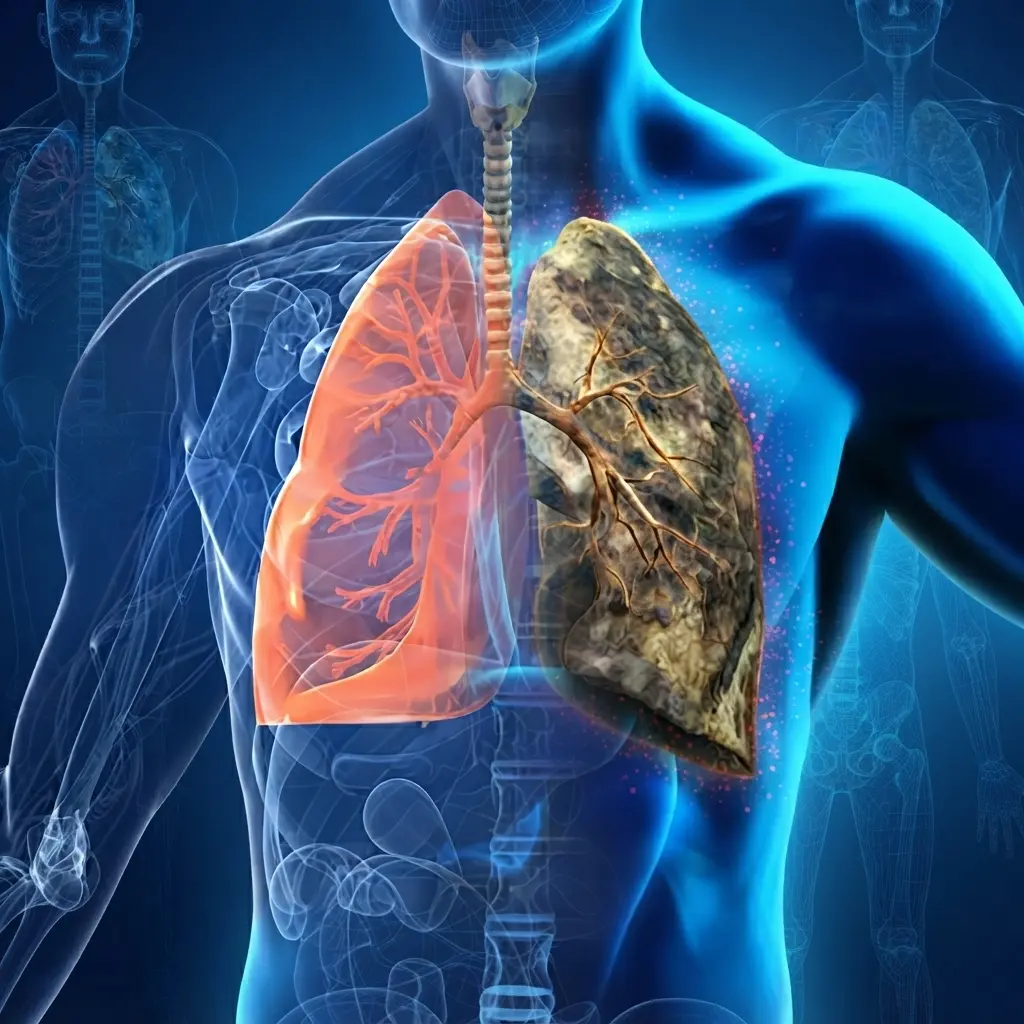

Bronchoscopy at Mayo Clinic


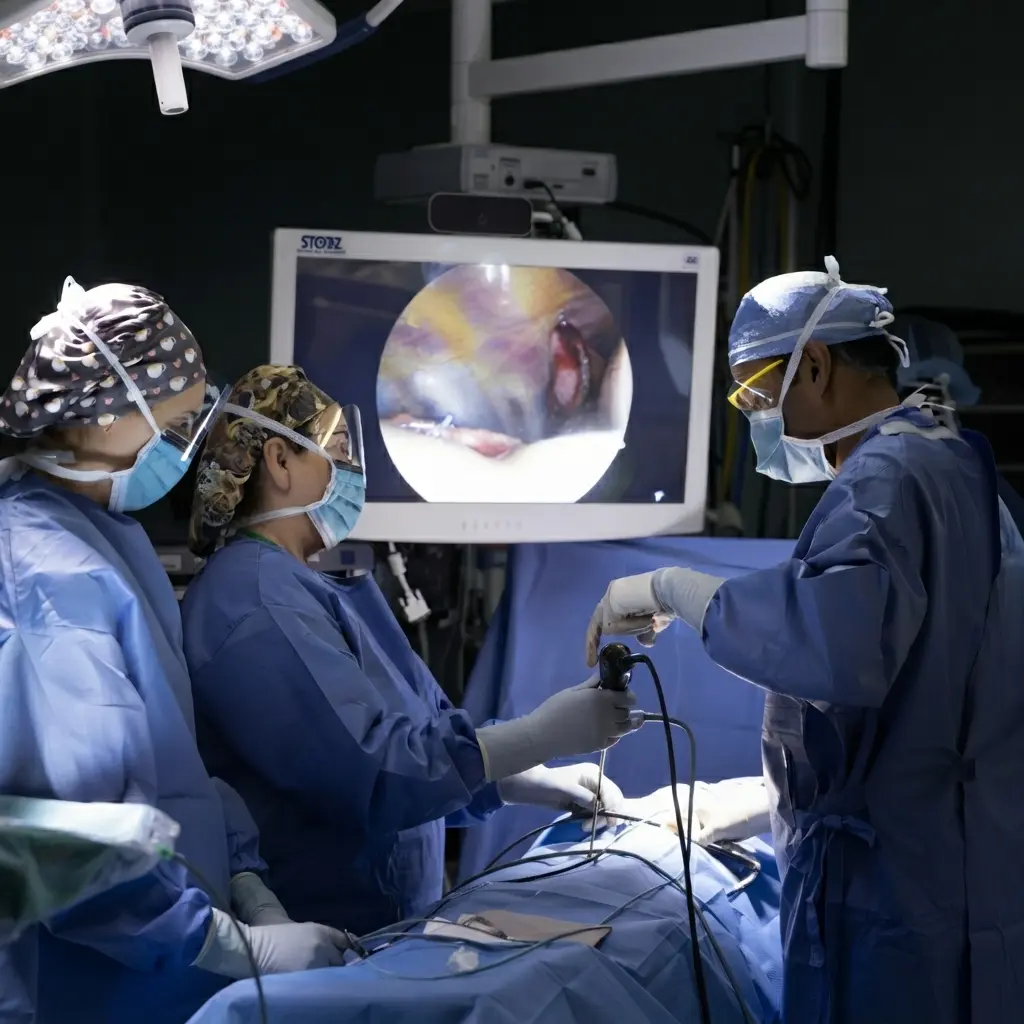
Lung Surgery at Mayo Clinic

Frequently Bought Together
No frequently bought products found!
Products from this Seller
View All











Chemotherapy at Mayo Clinic

Immunotherapy at Mayo Clinic


Medical Tourism





Share with Friends
Trading is more effective when you share products with friends!Share you link
Share to