













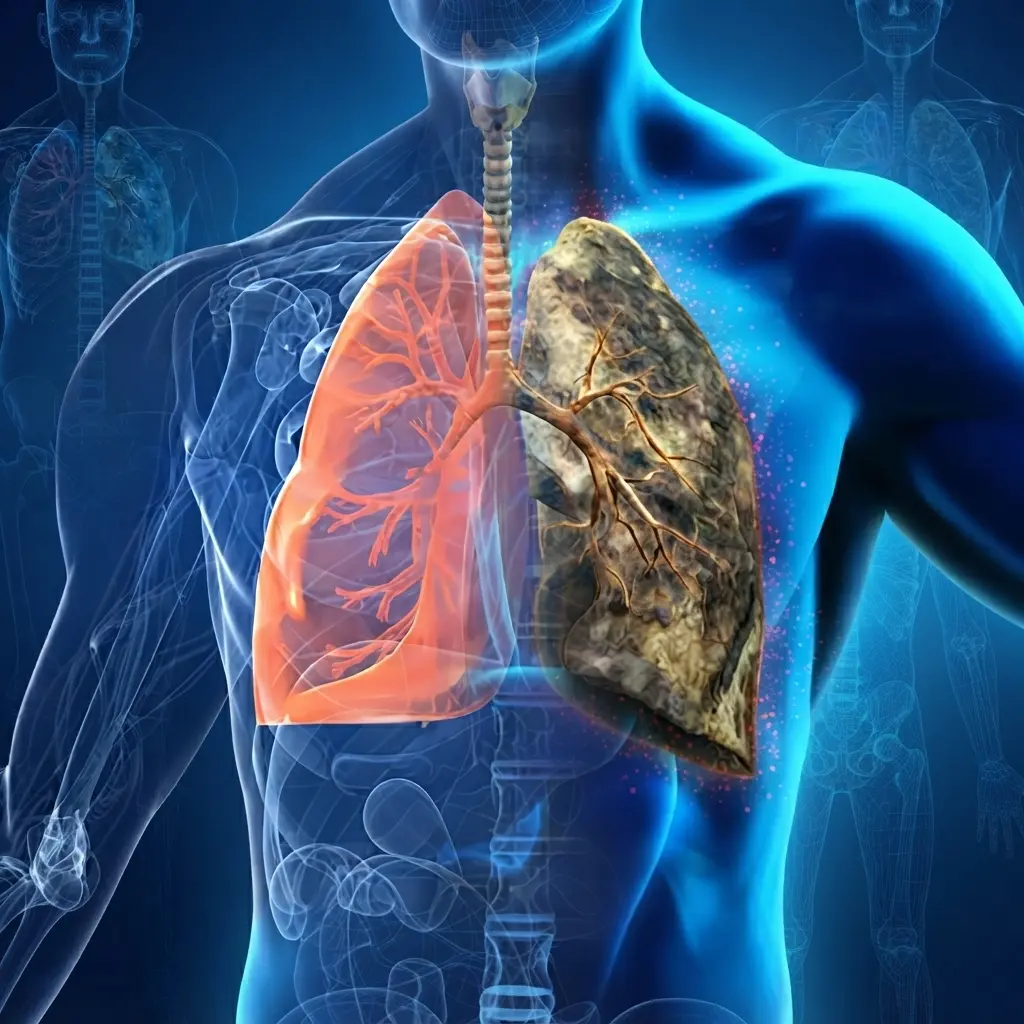
Lung Cancer Treatment at Mayo Clinic
Lung Cancer Treatment provides specialized evaluation, diagnosis and individualized treatment for lung cancer and other malignant tumors affecting the lungs and chest. Treatment planning may involve pulmonologists, thoracic surgeons, medical oncologists, radiation oncologists, radiologists and pathologists. Depending on the cancer type, stage and molecular characteristics, treatment may include surgery, radiation therapy, chemotherapy, targeted therapy, immunotherapy or a combination of treatments.
Price
Price on Request
Why Price on Request?
The cost of lung cancer treatment depends on the type and stage of cancer, specialist consultations, imaging, biopsy and pathology testing, molecular testing, surgery, radiation therapy, chemotherapy, targeted therapy, immunotherapy, hospitalization and follow-up care required. A personalized estimate is provided according to the patient's treatment plan.
Complete Description
What Is Lung Cancer Treatment?
Lung Cancer Treatment focuses on the diagnosis, staging and treatment of cancers that originate in the lungs.
Treatment is individualized according to:
Cancer type
Cancer stage
Tumor size
Tumor location
Lymph node involvement
Spread to other organs
Molecular characteristics
Overall health
Previous treatment
A multidisciplinary team may coordinate different treatment approaches to achieve the best possible outcome.
Types of Lung Cancer Evaluated and Treated
Specialists may evaluate and treat:
Non-small cell lung cancer
Small cell lung cancer
Lung adenocarcinoma
Squamous cell carcinoma
Large cell carcinoma
Other lung malignancies
Selected metastatic cancers involving the lungs
Lung Cancer Evaluation
A comprehensive evaluation may include:
Detailed medical history
Physical examination
Chest imaging
CT scan
PET scan when appropriate
Bronchoscopy
Biopsy
Pathology testing
Molecular testing
Lymph node evaluation
The goal is to establish an accurate diagnosis and determine the extent of disease.
Lung Cancer Diagnosis
Diagnosis may require obtaining a tissue sample through:
Bronchoscopy
Needle biopsy
Image-guided biopsy
Surgical biopsy
Other appropriate procedures
Pathology specialists examine the tissue to determine the cancer type and relevant characteristics.
Lung Cancer Staging
Staging determines how extensive the cancer is and helps guide treatment.
Evaluation may include:
Chest CT
PET imaging
Brain imaging when appropriate
Lymph node assessment
Biopsy
Other specialized tests
The treatment plan is developed according to the cancer stage and individual patient factors.
Molecular Testing for Lung Cancer
Molecular testing may identify genetic or molecular changes within a lung tumor.
Testing may help determine eligibility for:
Targeted therapies
Certain immunotherapies
Other personalized treatment approaches
Selected clinical trials
The specific tests depend on the type and characteristics of the tumor.
Lung Cancer Surgery
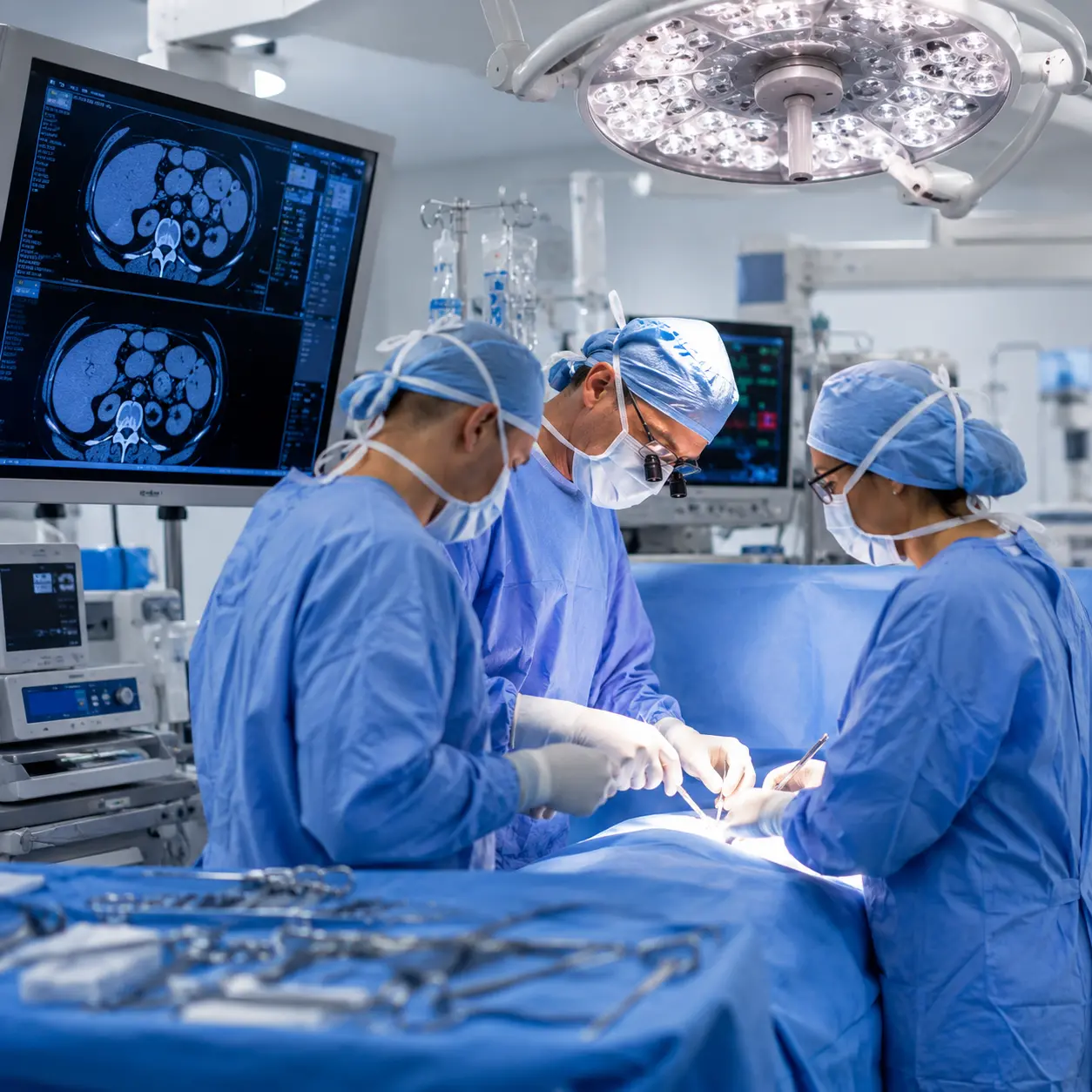
Surgery may be considered for selected patients whose cancer can be removed safely.
Surgical goals may include:
Removing the tumor
Removing affected lung tissue
Removing nearby lymph nodes
Obtaining tissue for diagnosis
Achieving local cancer control
The surgical approach depends on tumor location, size, stage and overall health.
Lobectomy
A lobectomy involves removing one lobe of the lung.
It may be considered for selected patients with localized lung cancer when removal of the affected lobe provides an appropriate treatment option.
Pneumonectomy
A pneumonectomy involves removing an entire lung.
This extensive procedure may be considered only in selected cases when the tumor's location or extent requires removal of the entire lung.
Segmentectomy and Wedge Resection
For selected patients, surgeons may remove a smaller portion of the lung.
These procedures may include:
Segmentectomy
Wedge resection
Suitability depends on tumor size, location, cancer stage and the patient's overall condition.
Minimally Invasive Lung Cancer Surgery
Selected lung cancer procedures may be performed using minimally invasive approaches.
These may include:
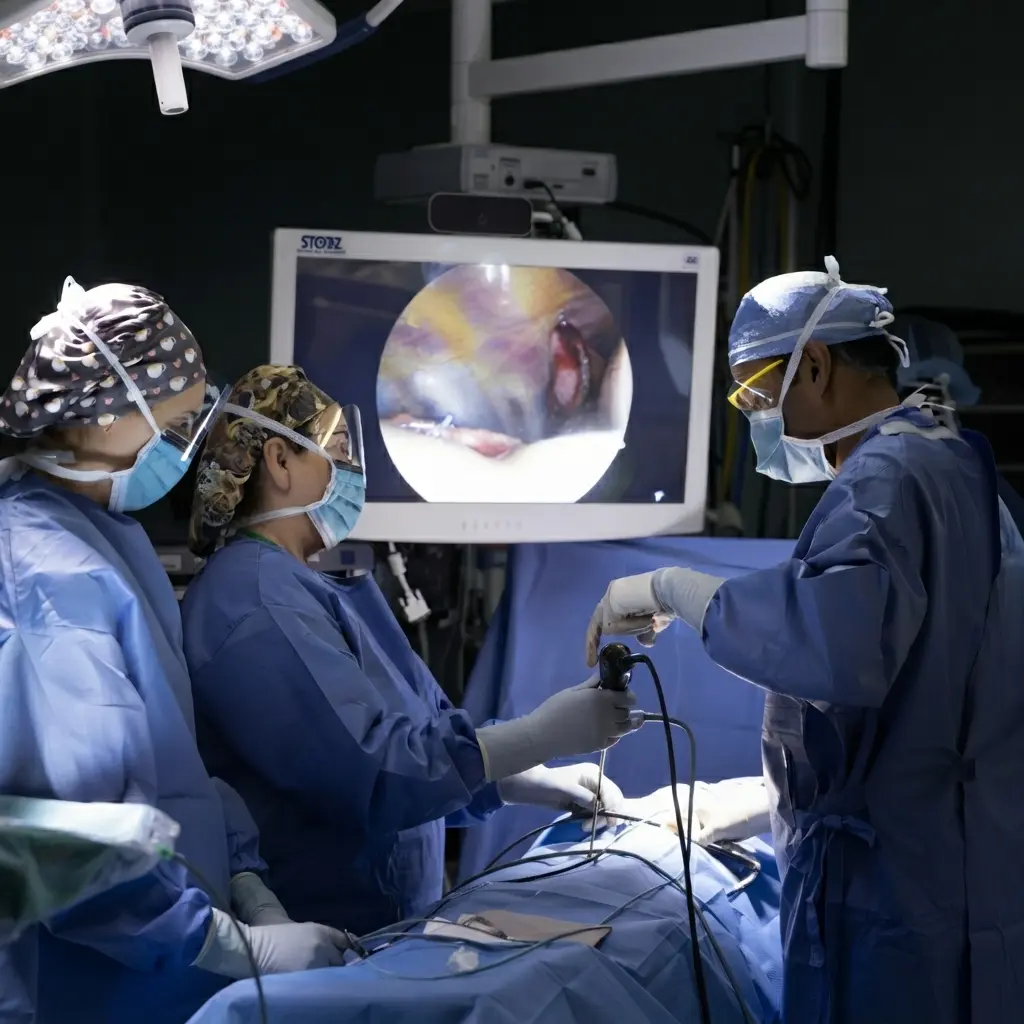
Video-assisted thoracic surgery
Robotic-assisted surgery
Other specialized surgical techniques
The appropriate approach depends on the tumor and the patient's anatomy.
Lymph Node Evaluation
Lymph nodes may be evaluated during lung cancer diagnosis and treatment.
Evaluation may involve:
Imaging
Bronchoscopy
Endoscopic procedures
Surgical lymph node sampling
Pathology examination
Lymph node involvement is important for cancer staging and treatment planning.
Bronchoscopy for Lung Cancer
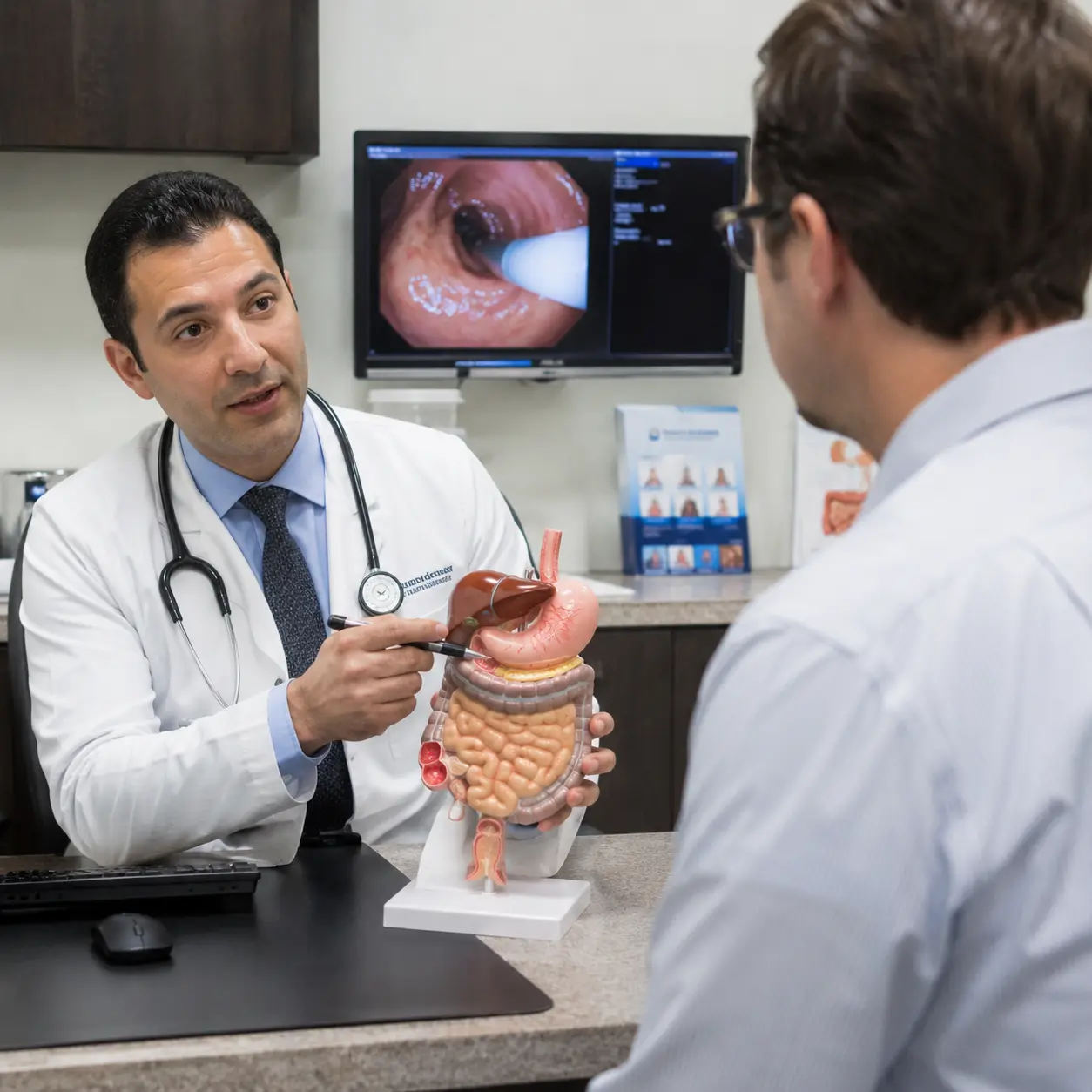
Bronchoscopy allows specialists to examine the airways and obtain tissue or fluid samples.
It may be used for:
Diagnosis
Biopsy
Evaluation of abnormal imaging
Assessment of airway involvement
Selected treatment procedures
Radiation Therapy
Radiation therapy may be used:
As a primary treatment
After surgery
Before surgery in selected situations
For locally advanced disease
To treat selected metastatic sites
To relieve cancer-related symptoms
The radiation approach depends on the cancer stage and treatment goals.
Stereotactic Body Radiation Therapy
Stereotactic body radiation therapy delivers highly focused radiation to a specific tumor.
It may be considered for selected patients with:
Small localized lung tumors
Patients who cannot undergo surgery
Selected metastatic lesions
Treatment suitability depends on tumor characteristics and overall health.
Chemotherapy
Chemotherapy may be used to treat lung cancer:
Before surgery
After surgery
Together with radiation
For advanced disease
In combination with other systemic therapies
The specific medications depend on the cancer type and stage.
Targeted Therapy
Some lung cancers contain specific molecular changes that can be treated with targeted medications.
Targeted therapy may be considered based on molecular testing and can be used in appropriate patients with advanced or selected earlier-stage disease.
Immunotherapy
Immunotherapy uses medicines that help the immune system recognize and respond to cancer.
It may be considered for selected patients based on:
Cancer type
Stage
Molecular characteristics
Previous treatment
Other clinical factors
Combined Cancer Treatment
Some patients may require more than one treatment approach.
Treatment combinations may include:
Surgery and chemotherapy
Surgery and radiation
Chemotherapy and radiation
Chemotherapy and immunotherapy
Targeted therapy and other treatments
Other multidisciplinary treatment strategies
The treatment plan is individualized according to the patient's cancer.
Advanced and Metastatic Lung Cancer Treatment
When lung cancer has spread beyond the lung, treatment may focus on controlling the disease, improving symptoms and maintaining quality of life.
Treatment may include:
Chemotherapy
Targeted therapy
Immunotherapy
Radiation therapy
Surgery for selected patients
Supportive care
Clinical trials
Recurrent Lung Cancer Treatment
Lung cancer can sometimes return after initial treatment.
Evaluation may include:
Repeat imaging
Biopsy when appropriate
Molecular testing
Review of previous treatments
Assessment of disease location
Treatment options depend on where the cancer has returned and the therapies previously received.
Clinical Trials
Eligible patients may be evaluated for clinical trials investigating:
New medications
Targeted therapies
Immunotherapies
New radiation techniques
Surgical approaches
Combination treatments
Clinical trial eligibility depends on the specific study and patient's medical condition.
Supportive and Palliative Care
Supportive care may help manage symptoms and treatment-related effects such as:
Pain
Shortness of breath
Fatigue
Loss of appetite
Nausea
Other cancer-related symptoms
Supportive care may be provided alongside cancer treatment.
Lung Cancer Rehabilitation
Patients may benefit from rehabilitation before or after treatment.
Rehabilitation may focus on:
Breathing
Strength
Exercise tolerance
Physical conditioning
Recovery after surgery
Functional independence
Second Opinion for Lung Cancer
Patients who have already received a lung cancer diagnosis or treatment recommendation may seek a lung cancer second opinion.
Specialists may review:
CT scans
PET scans
Pathology reports
Biopsy results
Molecular testing
Previous surgical reports
Radiation records
Medication history
Proposed treatment plan
Multidisciplinary Lung Cancer Care
Complex lung cancer treatment may involve:
Pulmonologists
Thoracic surgeons
Medical oncologists
Radiation oncologists
Radiologists
Pathologists
Rehabilitation specialists
Other healthcare professionals
A multidisciplinary approach can help coordinate diagnosis, staging and treatment.
International Patients
International patients should provide relevant medical records whenever possible.
Useful documents may include:
CT scans
PET scans
MRI reports when applicable
Biopsy reports
Pathology reports
Molecular testing results
Previous treatment records
Surgery reports
Radiation records
Current medication list
Benefits of Specialized Lung Cancer Treatment
Specialized lung cancer care may help:
Establish an accurate diagnosis
Determine cancer stage
Evaluate surgical options
Perform tumor molecular testing
Provide personalized treatment
Manage advanced disease
Coordinate surgery and oncology care
Provide radiation treatment
Evaluate targeted therapies and immunotherapy
Support rehabilitation and recovery
Provide specialized second opinions
Why Choose Mayo Clinic for Lung Cancer Treatment?
Mayo Clinic provides multidisciplinary care for patients with lung cancer through teams that may include pulmonologists, thoracic surgeons, medical oncologists, radiation oncologists, radiologists, pathologists and rehabilitation specialists.
Depending on the patient's diagnosis, treatment may include advanced diagnostic testing, minimally invasive or open surgery, radiation therapy, chemotherapy, targeted therapy, immunotherapy and coordinated follow-up care.
Cost & Price on Request
Price: Price on Request
The total cost of lung cancer treatment depends on the type and stage of cancer and the treatment required.
Potential costs may include:
Lung cancer consultation
Diagnostic imaging
PET scan
Bronchoscopy
Biopsy
Pathology testing
Molecular testing
Lung surgery
Hospitalization
Radiation therapy
Chemotherapy
Targeted therapy
Immunotherapy
Rehabilitation
Follow-up consultations
A personalized cost estimate should be requested according to the patient's individual treatment plan.
Frequently Asked Questions
1. What types of lung cancer are treated?
Specialists may treat non-small cell lung cancer, small cell lung cancer, adenocarcinoma, squamous cell carcinoma and other lung malignancies.
2. Does every lung cancer patient need surgery?
No. Treatment depends on the type and stage of cancer, tumor location, overall health and other individual factors. Some patients may be treated with radiation, medication or combinations of treatments.
3. What tests are used to diagnose lung cancer?
Evaluation may include CT scans, PET imaging, bronchoscopy, biopsy, pathology and molecular testing when appropriate.
4. Can lung cancer treatment include immunotherapy or targeted therapy?
Yes. Selected patients may receive immunotherapy or targeted therapy based on the cancer type and molecular characteristics.
5. Can I get a second opinion for lung cancer treatment?
Yes. Specialists can review imaging, pathology, molecular testing and previous treatment records to provide an additional treatment evaluation.
Product Details
Product Name: Lung Cancer Treatment
Hospital: Mayo Clinic – Rochester
Brand: Mayo Clinic
Country: United States
Specialty: Pulmonology & Lung Surgery
Service Type: Lung Cancer Treatment
Customer-Facing Price: Price on Request
International Patients: Available
Location: Rochester, Minnesota, USA
Related products
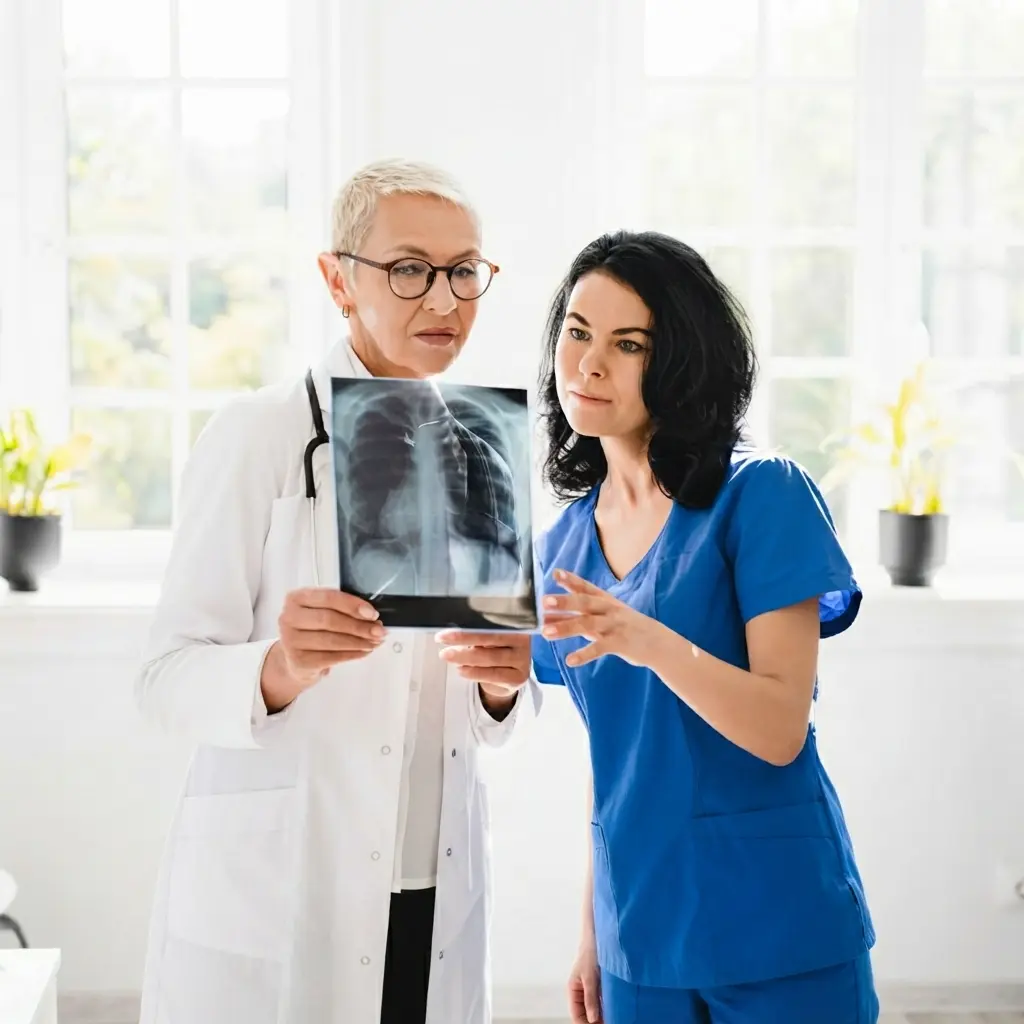
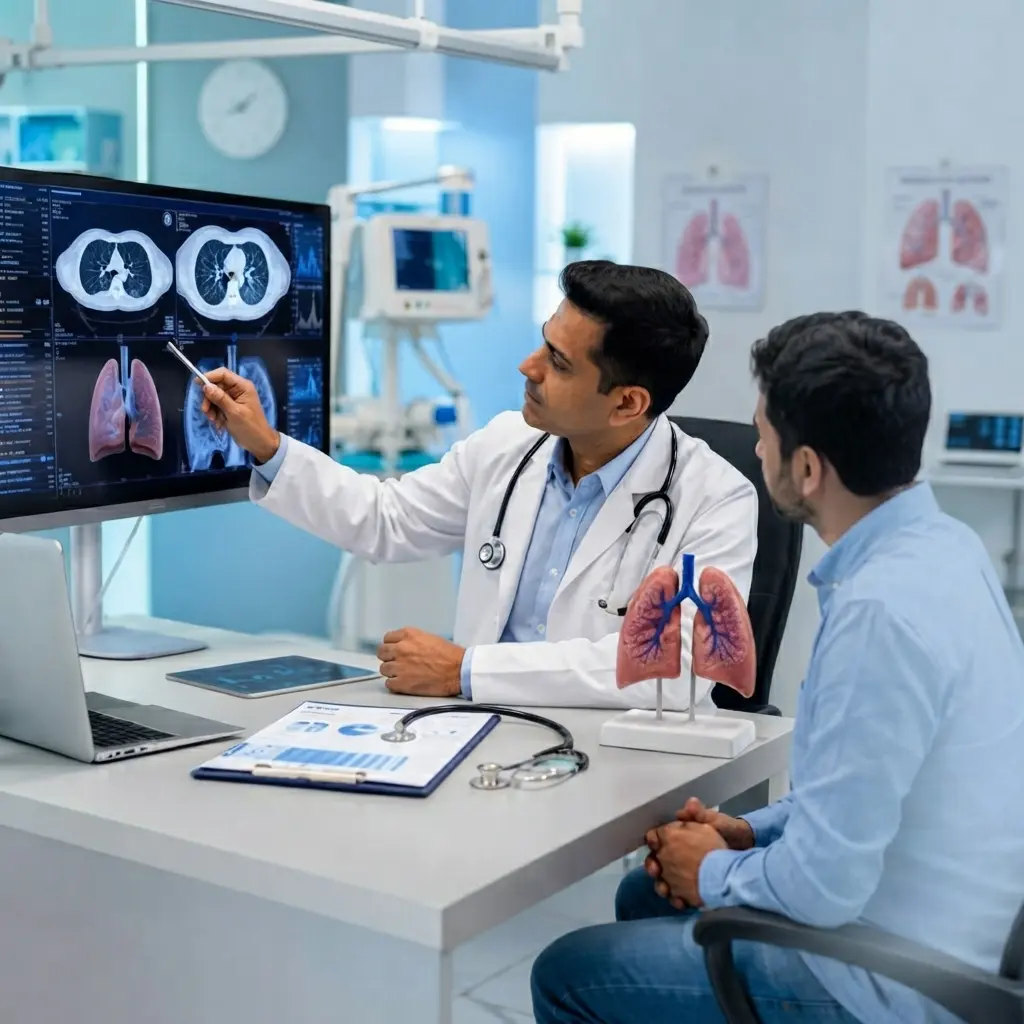
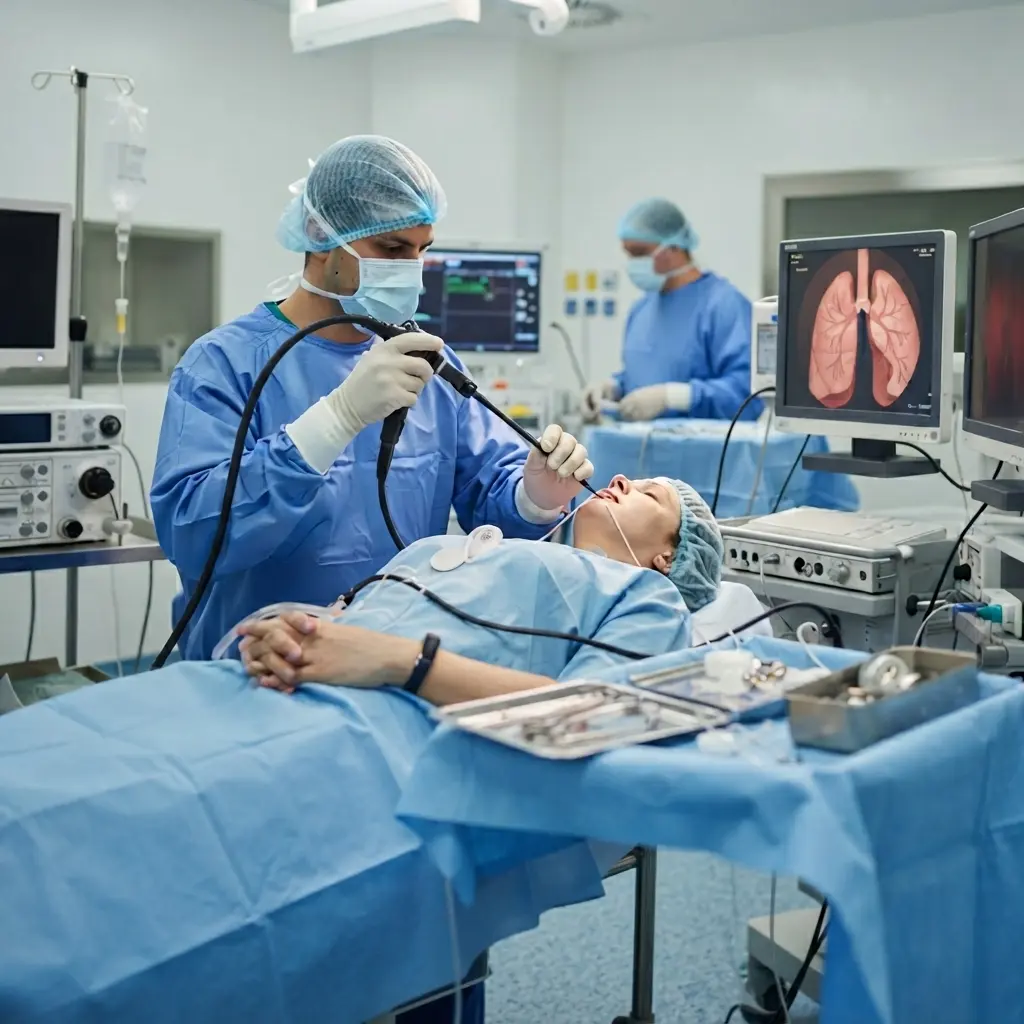
Bronchoscopy at Mayo Clinic


Lung Surgery at Mayo Clinic
Frequently Bought Together
No frequently bought products found!
Products from this Seller
View All





Chemotherapy at Mayo Clinic

Immunotherapy at Mayo Clinic

Medical Tourism





Share with Friends
Trading is more effective when you share products with friends!Share you link
Share to