











Pulmonary Rehabilitation at Mayo Clinic
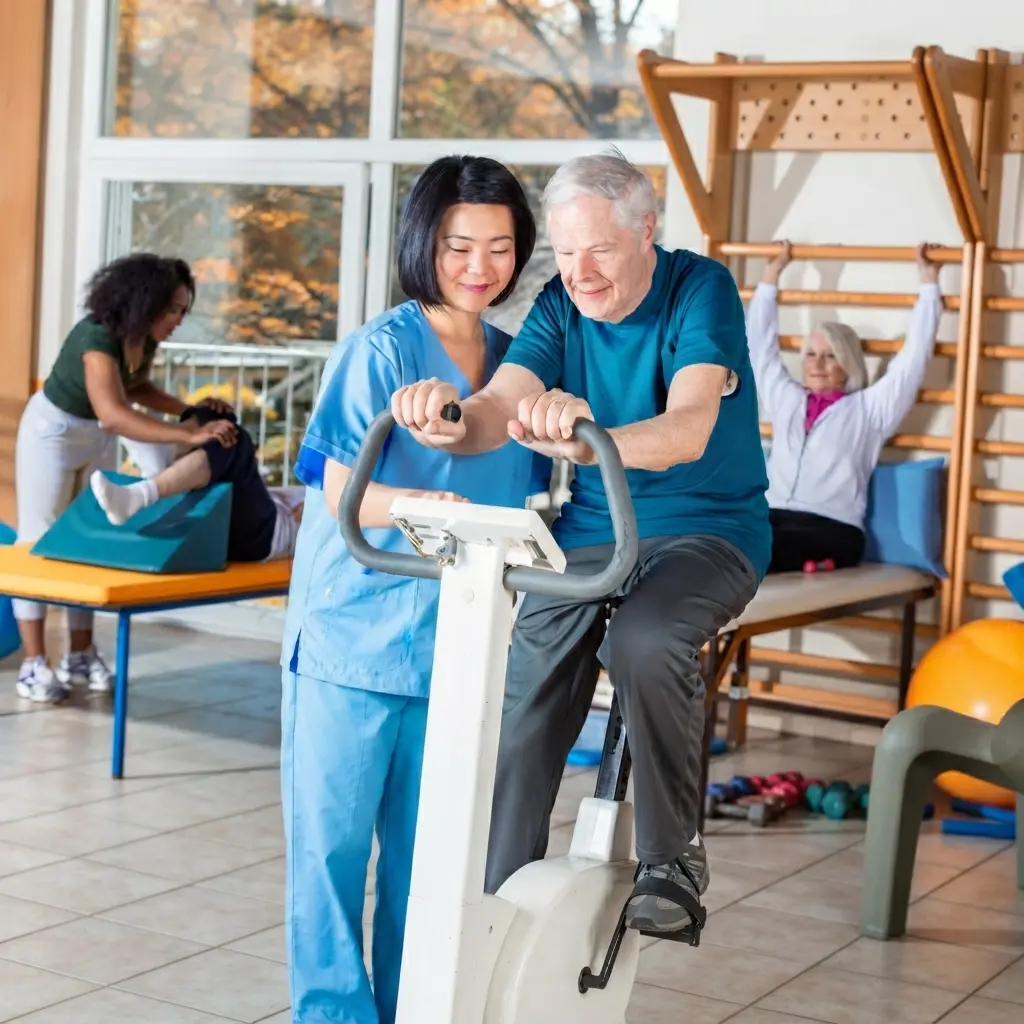
Pulmonary Rehabilitation provides specialized, structured care designed to help individuals with chronic lung diseases and breathing problems improve exercise capacity, physical strength, breathing efficiency and overall functional ability. Rehabilitation programs are individualized according to the patient's lung condition, symptoms, physical abilities and treatment goals. Care may include supervised exercise, breathing techniques, education, nutritional guidance and strategies for managing daily activities.
Price
Price on Request
Why Price on Request?
The cost of pulmonary rehabilitation depends on the initial specialist evaluation, pulmonary function testing, exercise assessment, rehabilitation sessions, monitoring, education and follow-up care required. A personalized estimate is provided according to the patient's individual medical needs.
Complete Description
What Is Pulmonary Rehabilitation?
Pulmonary Rehabilitation is a structured rehabilitation program for people with chronic respiratory conditions that affect breathing, exercise tolerance or daily activities.
The program may help patients:
Improve physical endurance
Increase muscle strength
Reduce breathlessness
Improve breathing techniques
Increase exercise tolerance
Improve ability to perform daily activities
Develop better self-management strategies
Support recovery after selected pulmonary procedures
Conditions That May Benefit From Pulmonary Rehabilitation
Pulmonary rehabilitation may be considered for patients with:
Chronic obstructive pulmonary disease
Emphysema
Chronic bronchitis
Interstitial lung disease
Pulmonary fibrosis
Pulmonary hypertension
Bronchiectasis
Other chronic respiratory conditions
Selected patients recovering from lung surgery
Suitability depends on the patient's medical condition and rehabilitation needs.
Initial Pulmonary Rehabilitation Evaluation
Before beginning rehabilitation, specialists may assess:
Medical history
Respiratory symptoms
Lung function
Exercise capacity
Muscle strength
Oxygen levels
Physical activity
Functional limitations
Current medications
The findings help establish an individualized rehabilitation program.
Pulmonary Function Assessment
Pulmonary function testing may be used to understand the patient's respiratory capacity.
Testing may evaluate:
Airflow
Lung volumes
Breathing capacity
Gas exchange
Changes in lung function over time
Results may help guide rehabilitation intensity and monitoring.
Exercise Capacity Assessment
Exercise testing may help determine how the patient responds to physical activity.
Assessment may include:
Walking ability
Exercise tolerance
Heart rate
Breathing response
Oxygen saturation
Perceived breathlessness
Physical endurance
The results can help establish an appropriate exercise program.
Six-Minute Walk Test
A six-minute walk test may be used to assess functional exercise capacity.
During the assessment, specialists may monitor:
Walking distance
Oxygen saturation
Heart rate
Breathing difficulty
Exercise tolerance
The results can help evaluate baseline function and progress during rehabilitation.
Supervised Exercise Training
Pulmonary rehabilitation may include supervised physical exercise designed to improve:
Cardiovascular endurance
Muscle strength
Walking ability
Physical activity
Exercise tolerance
Exercise intensity is adjusted according to the patient's condition and response.
Strength Training
Strength exercises may target:
Legs
Arms
Core muscles
Other major muscle groups
Improving muscle strength may help patients perform daily activities with less physical difficulty.
Aerobic Conditioning
Aerobic exercise may include activities such as:
Walking
Cycling
Other appropriate endurance exercises
The type and intensity of exercise are individualized according to the patient's medical condition.
Breathing Exercises
Patients may be taught techniques designed to improve breathing control.
These may include:
Controlled breathing
Pursed-lip breathing
Diaphragmatic breathing
Other condition-specific breathing strategies
Breathing techniques may help some patients manage breathlessness during activity.
Breathlessness Management
Pulmonary rehabilitation may teach strategies for managing shortness of breath during:
Walking
Exercise
Household activities
Climbing stairs
Other daily tasks
Patients may learn how to pace activities and use breathing techniques effectively.
Oxygen Monitoring During Rehabilitation
Patients who require supplemental oxygen may have oxygen levels monitored during exercise.
Monitoring may include:
Oxygen saturation
Heart rate
Respiratory response
Exercise tolerance
Oxygen requirements are managed according to the patient's medical plan.
Oxygen Therapy Support
Some patients with chronic lung disease require supplemental oxygen during daily activities or exercise.
Pulmonary rehabilitation may help patients understand:
Safe oxygen use
Activity with oxygen
Equipment use
Oxygen monitoring
Appropriate exercise strategies
Energy Conservation Training
Patients with chronic respiratory disease may experience fatigue during everyday activities.
Rehabilitation may teach strategies such as:
Activity pacing
Rest planning
Efficient movement
Task organization
Appropriate breathing techniques
These strategies may help reduce unnecessary physical strain.
Daily Activity Training
Pulmonary rehabilitation may help patients improve their ability to perform:
Walking
Dressing
Bathing
Household activities
Shopping
Stair climbing
Other routine tasks
The focus is on improving functional independence.
Education About Lung Disease
Education may cover:
Understanding the lung condition
Recognizing symptoms
Medication use
Inhaler technique
Oxygen therapy
Exercise
Nutrition
Infection prevention
Managing exacerbations
Education is tailored to the patient's specific diagnosis.
Medication and Inhaler Education
Patients may receive guidance regarding proper use of prescribed respiratory medications.
Education may include:
Inhaler technique
Medication schedules
Understanding treatment goals
Recognizing potential problems
Following the prescribed treatment plan
Smoking Cessation Support
For patients who smoke, pulmonary rehabilitation may incorporate smoking cessation support.
Programs may address:
Smoking habits
Tobacco exposure
Behavioral strategies
Available cessation treatments
Long-term respiratory health
Nutrition and Pulmonary Health
Nutrition may be an important part of pulmonary rehabilitation for some patients.
Assessment may consider:
Nutritional status
Weight changes
Muscle mass
Energy requirements
Dietary habits
Appropriate nutritional guidance may be provided when needed.
Pulmonary Rehabilitation for COPD
Patients with COPD may benefit from rehabilitation focused on:
Exercise training
Breathing techniques
Strengthening
Activity pacing
Education
Symptom management
The program may help improve exercise tolerance and daily functioning.
Pulmonary Rehabilitation for Interstitial Lung Disease
Patients with interstitial lung disease may experience breathlessness and reduced exercise capacity.
Rehabilitation may focus on:
Safe exercise
Strength training
Oxygen monitoring
Breathing techniques
Functional activity
Energy conservation
Pulmonary Rehabilitation for Pulmonary Fibrosis
Pulmonary fibrosis can reduce lung function and exercise capacity.
A rehabilitation program may help patients maintain physical activity and functional abilities while monitoring respiratory symptoms and oxygen levels.
Pulmonary Rehabilitation for Pulmonary Hypertension
Selected patients with pulmonary hypertension may require carefully monitored physical activity.
Rehabilitation intensity is adjusted according to:
Cardiopulmonary status
Exercise tolerance
Oxygen levels
Symptoms
Medical treatment
Rehabilitation Before Lung Surgery
Selected patients may participate in pulmonary rehabilitation before lung surgery.
Preoperative rehabilitation may focus on:
Improving physical conditioning
Increasing exercise tolerance
Strengthening respiratory muscles
Improving functional capacity
Preparing for postoperative recovery
Rehabilitation After Lung Surgery
Following selected lung procedures, rehabilitation may help patients work toward recovery of:
Strength
Endurance
Breathing efficiency
Mobility
Functional independence
The program is adjusted according to the type of surgery and recovery progress.
Pulmonary Rehabilitation After Hospitalization
Patients recovering from severe respiratory illness or hospitalization may experience weakness and reduced exercise tolerance.
Rehabilitation may help gradually restore:
Strength
Mobility
Exercise capacity
Breathing control
Daily activity
Long-Term Pulmonary Rehabilitation
Some patients with chronic lung disease may require ongoing exercise and self-management strategies.
Long-term programs may emphasize:
Continued physical activity
Home exercise
Breathing techniques
Symptom monitoring
Medication adherence
Lifestyle management
Home Exercise Program
Patients may receive individualized recommendations for continuing physical activity outside supervised rehabilitation.
A home program may include:
Walking
Strength exercises
Breathing exercises
Flexibility activities
Activity progression
Exercise recommendations should be appropriate for the patient's medical condition.
Monitoring Rehabilitation Progress
Progress may be assessed through:
Walking distance
Exercise tolerance
Muscle strength
Oxygen levels
Breathlessness
Daily activity
Functional performance
The rehabilitation plan can be modified according to progress.
Multidisciplinary Pulmonary Rehabilitation
Pulmonary rehabilitation may involve several healthcare professionals, such as:
Pulmonologists
Physical therapists
Respiratory therapists
Exercise specialists
Nurses
Nutrition professionals
Other rehabilitation specialists
The team works together to address the patient's respiratory and functional needs.
International Patients
International patients should provide relevant medical records whenever possible.
Useful documents may include:
Pulmonary function tests
Chest X-rays
CT scans
Previous pulmonary reports
Exercise test results
Oxygen records
Medication list
Previous rehabilitation records
Benefits of Specialized Pulmonary Rehabilitation
Pulmonary rehabilitation may help:
Improve exercise capacity
Increase muscle strength
Reduce activity-related breathlessness
Improve physical conditioning
Support recovery after lung surgery
Improve ability to perform daily activities
Teach effective breathing techniques
Improve understanding of lung disease
Support long-term self-management
Improve overall functional independence
Why Choose Mayo Clinic for Pulmonary Rehabilitation?
Mayo Clinic provides specialized pulmonary rehabilitation through multidisciplinary teams that may include pulmonologists, respiratory therapists, physical therapists, exercise specialists, nurses and other rehabilitation professionals.
Depending on the patient's condition, rehabilitation may include supervised exercise, breathing training, oxygen monitoring, education, nutritional guidance and individualized activity planning.
Cost & Price on Request
Price: Price on Request
The total cost of pulmonary rehabilitation depends on the patient's condition, rehabilitation requirements and duration of care.
Potential costs may include:
Pulmonology consultation
Pulmonary function testing
Exercise assessment
Rehabilitation sessions
Oxygen monitoring
Respiratory therapy
Physical therapy
Exercise training
Nutrition consultation
Follow-up consultations
A personalized cost estimate should be requested according to the patient's individual rehabilitation plan.
Frequently Asked Questions
1. Who can benefit from pulmonary rehabilitation?
Pulmonary rehabilitation may benefit selected patients with COPD, interstitial lung disease, pulmonary fibrosis, pulmonary hypertension and other chronic respiratory conditions.
2. What does pulmonary rehabilitation include?
It may include supervised exercise, strength training, breathing exercises, education, oxygen monitoring and strategies for managing daily activities.
3. Can pulmonary rehabilitation help with shortness of breath?
It may help some patients manage breathlessness through exercise conditioning, breathing techniques, activity pacing and improved physical fitness.
4. Can pulmonary rehabilitation be used after lung surgery?
Yes. Selected patients may participate in rehabilitation before or after lung surgery to improve physical conditioning and support recovery.
5. How much does pulmonary rehabilitation cost?
Price is available on request. The final cost depends on evaluation, testing, rehabilitation sessions and follow-up requirements.
Product Details
Product Name: Pulmonary Rehabilitation
Hospital: Mayo Clinic – Rochester
Brand: Mayo Clinic
Country: United States
Specialty: Pulmonology & Lung Surgery
Service Type: Pulmonary Rehabilitation
Customer-Facing Price: Price on Request
International Patients: Available
Location: Rochester, Minnesota, USA
Related products
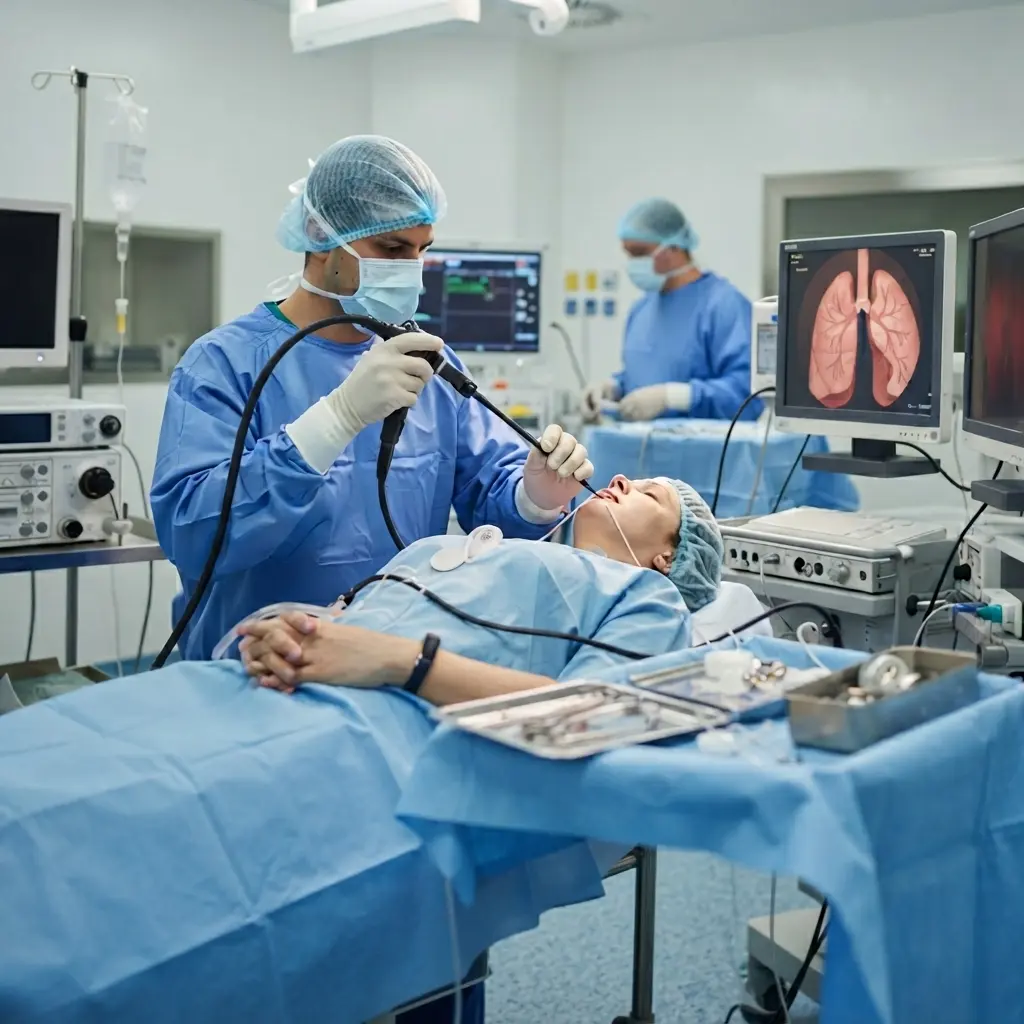
Bronchoscopy at Mayo Clinic
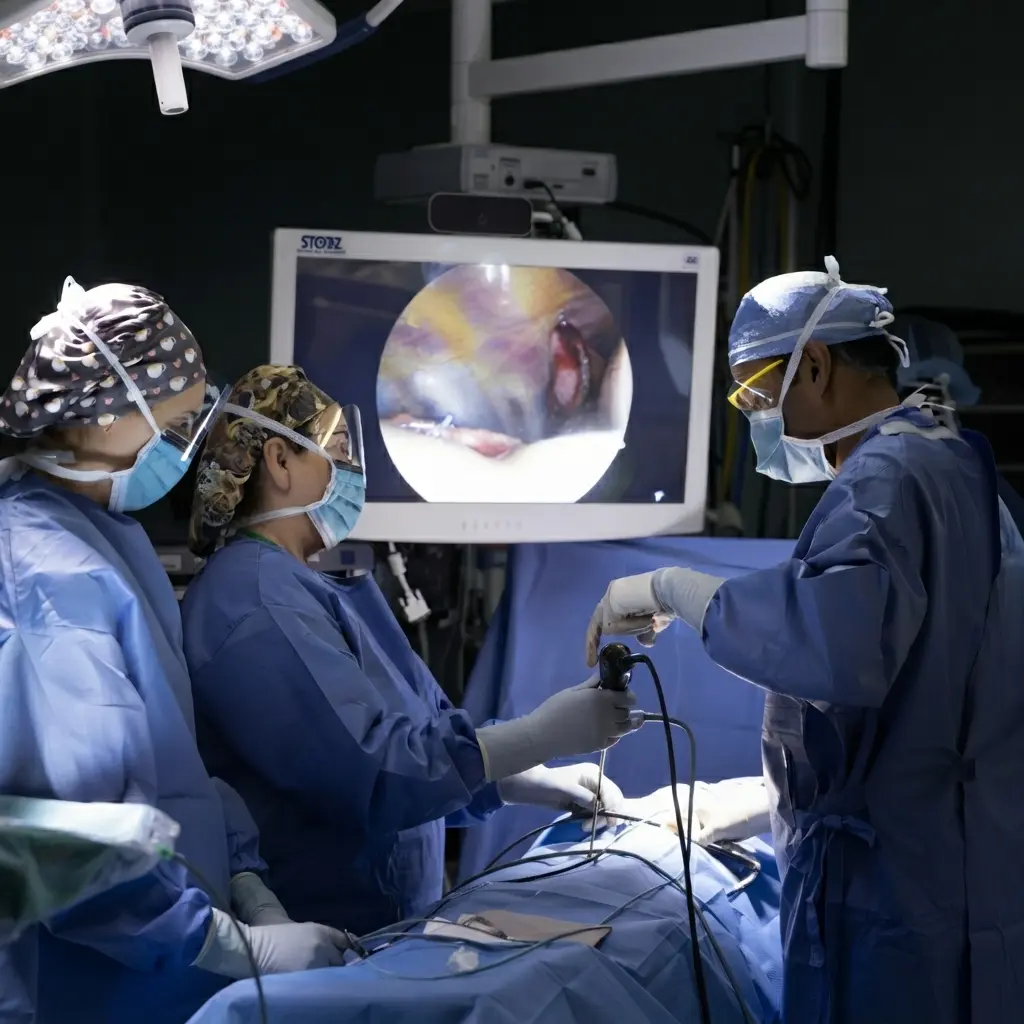
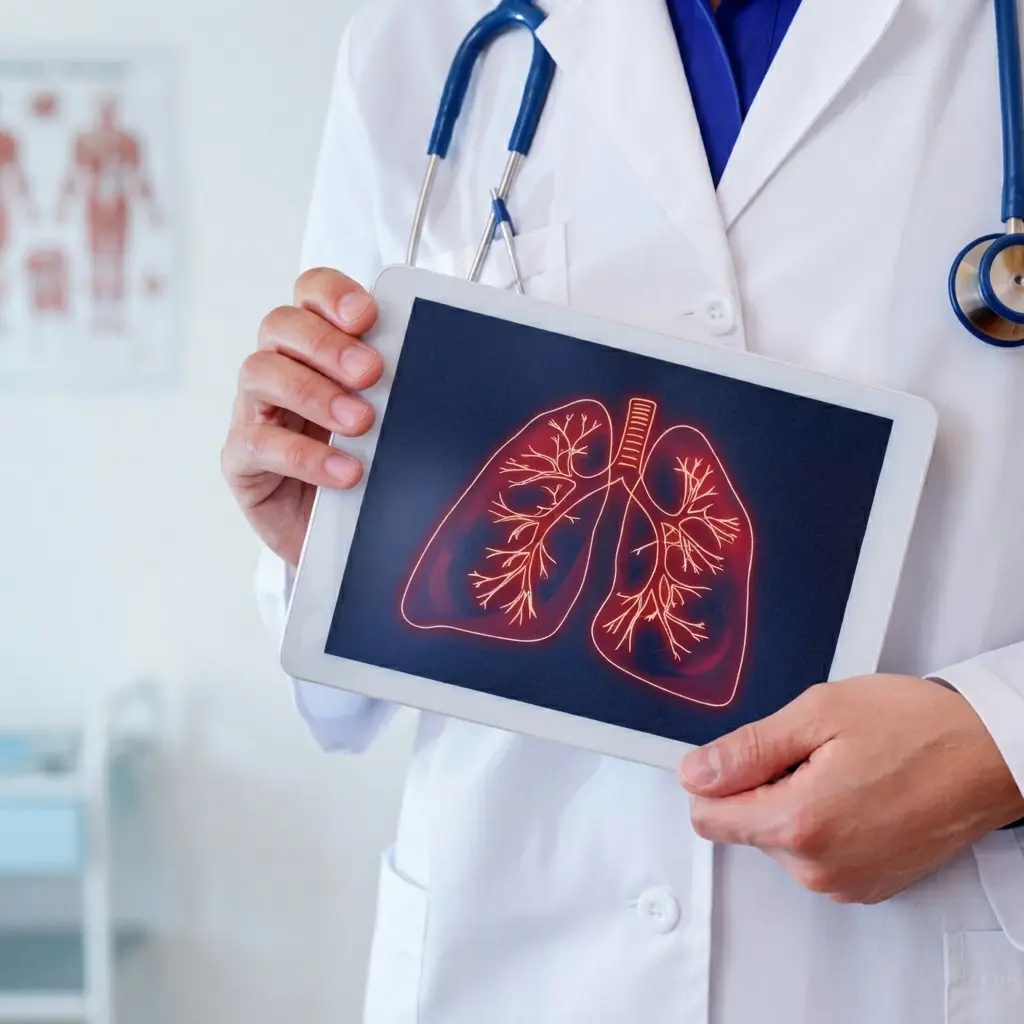
Lung Surgery at Mayo Clinic
Frequently Bought Together
No frequently bought products found!
Products from this Seller
View All


Chemotherapy at Mayo Clinic

Immunotherapy at Mayo Clinic
Medical Tourism





Share with Friends
Trading is more effective when you share products with friends!Share you link
Share to