













Lung Surgery at Mayo Clinic
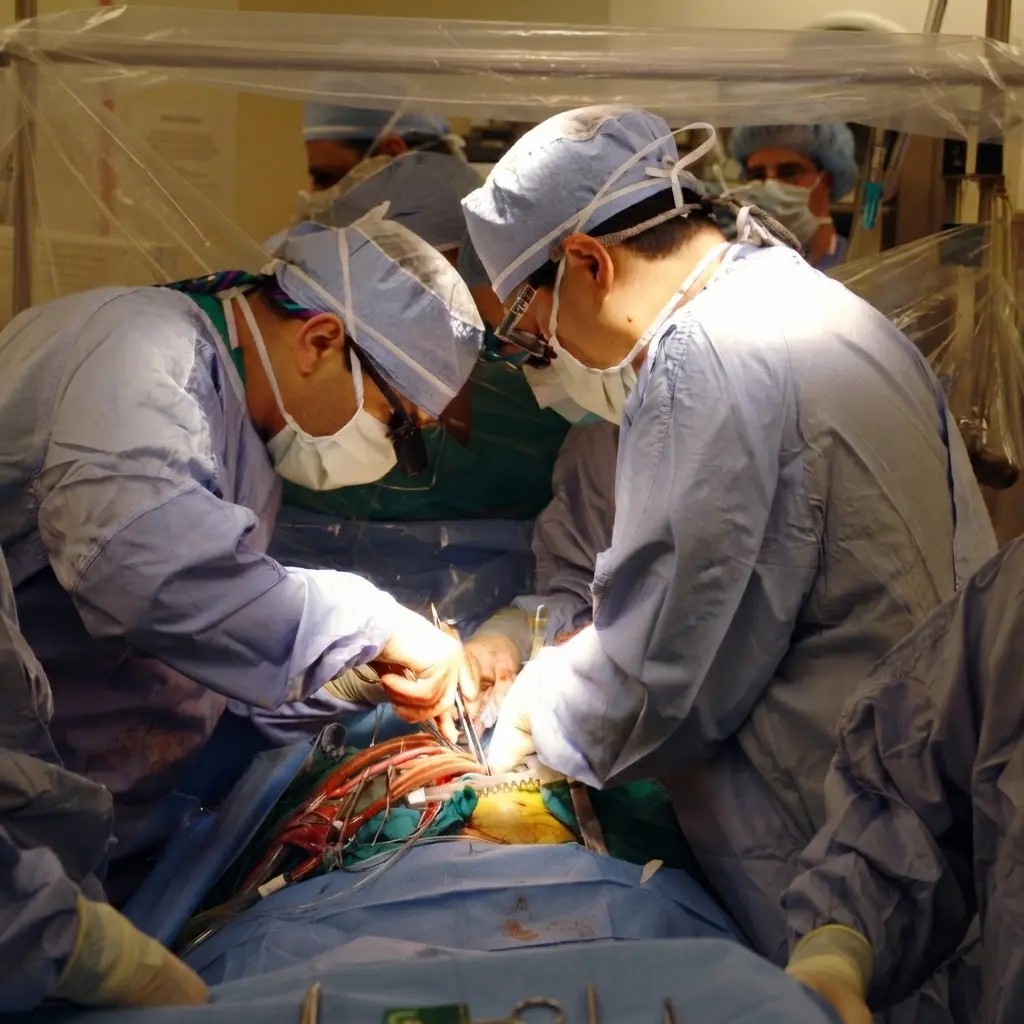
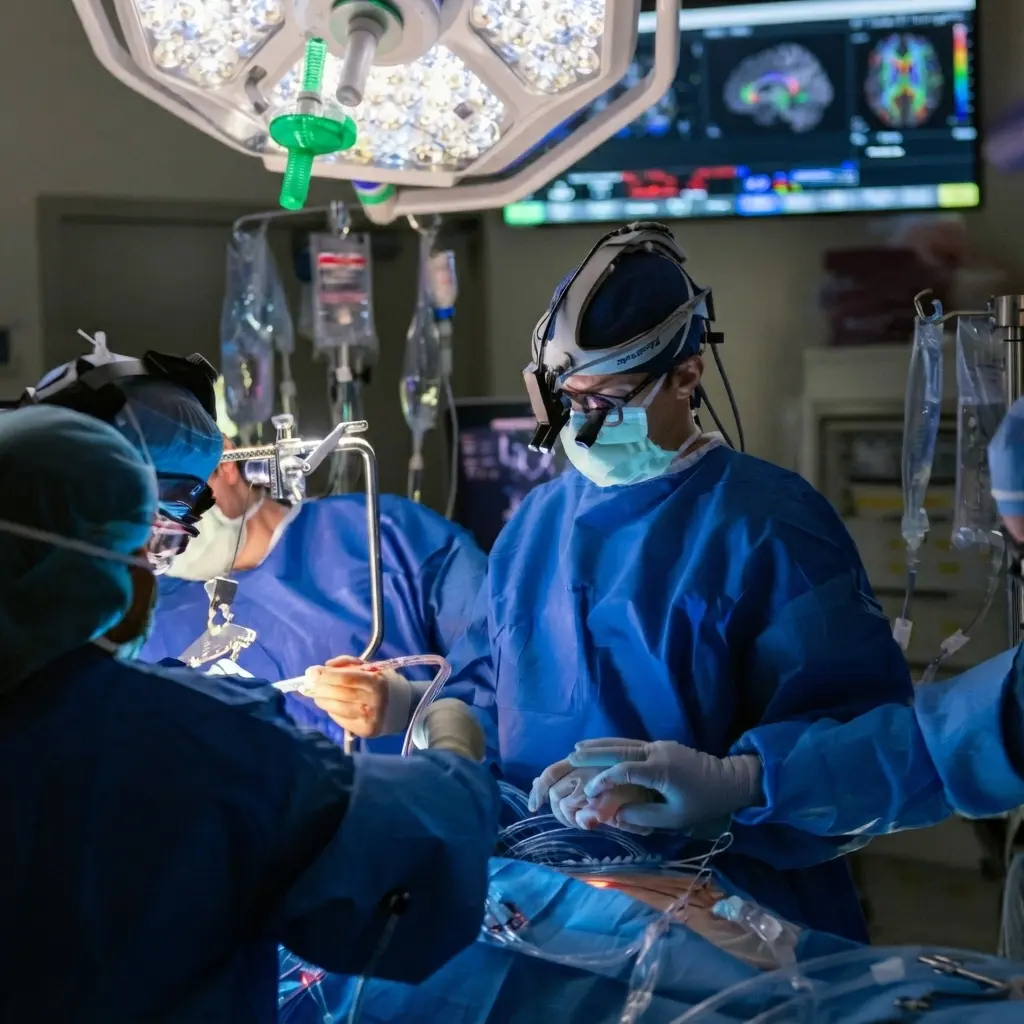
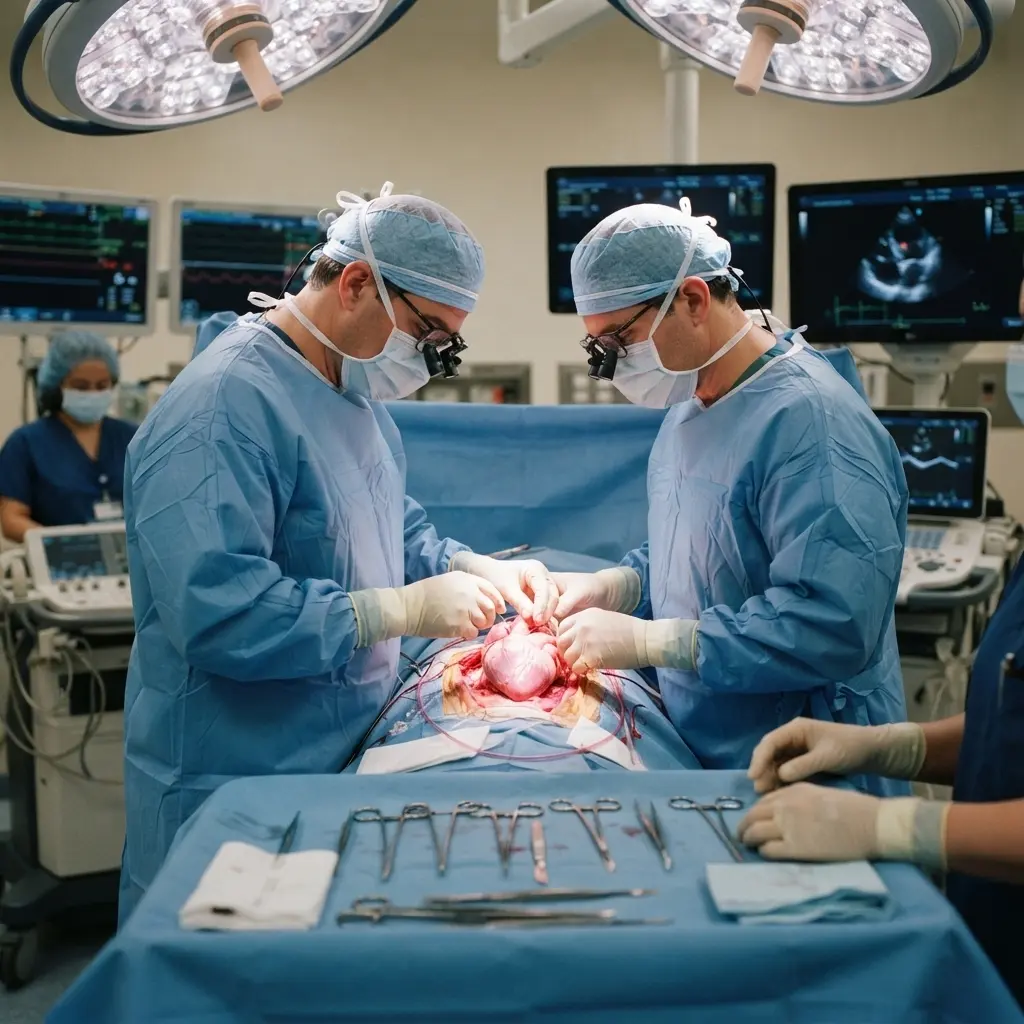
Lung Surgery provides specialized surgical evaluation and treatment for lung diseases, lung tumors, airway conditions and other disorders affecting the chest and respiratory system. Thoracic surgeons develop individualized surgical plans based on the patient's diagnosis, tumor or disease location, overall health and treatment goals. Depending on the condition, surgery may involve minimally invasive techniques or traditional open procedures.
Price
Price on Request
Why Price on Request?
The cost of lung surgery depends on the type and complexity of the procedure, surgeon consultation, diagnostic imaging, laboratory testing, anesthesia, hospitalization, surgical technique, pathology, postoperative care and rehabilitation required. A personalized estimate is provided according to the patient's treatment plan.
Complete Description
What Is Lung Surgery?
Lung Surgery includes specialized surgical procedures used to diagnose or treat diseases affecting the lungs, airways and surrounding structures of the chest.
Lung surgery may be considered for:
Lung cancer
Lung tumors
Pulmonary nodules
Metastatic tumors
Certain infections
Lung damage
Airway disorders
Pleural conditions
Selected congenital or structural abnormalities
Lung Surgery Evaluation
Before surgery, specialists may evaluate:
Medical history
Lung function
Imaging studies
Tumor characteristics
Cancer stage when applicable
Cardiovascular health
Previous treatments
Overall surgical risk
The findings help determine whether surgery is appropriate and which surgical approach may be most suitable.
Lung Cancer Surgery
Surgery may be an important treatment option for selected patients with localized or potentially resectable lung cancer.
Surgical procedures may include:
Wedge resection
Segmentectomy
Lobectomy
Pneumonectomy
Lymph node evaluation
The appropriate procedure depends on the cancer's size, location, stage and the patient's overall health.
Wedge Resection
A wedge resection removes a small, wedge-shaped portion of lung tissue containing a tumor or abnormal area.
It may be considered for selected patients based on:
Tumor size
Tumor location
Lung function
Cancer characteristics
Overall medical condition
Segmentectomy
A segmentectomy removes an anatomical segment of a lung rather than an entire lobe.
It may be considered for selected patients with certain localized lung tumors or other conditions when preserving lung tissue is appropriate.
Lobectomy
A lobectomy involves removing an entire lobe of the lung.
It is commonly used for selected patients with localized lung cancer when removal of the affected lobe provides appropriate local treatment.
Pneumonectomy
A pneumonectomy involves removal of an entire lung.
This is a major surgical procedure that may be considered when a tumor or disease cannot be adequately treated with a smaller lung resection.
Minimally Invasive Lung Surgery
Selected lung procedures may be performed using minimally invasive techniques.
These may include:
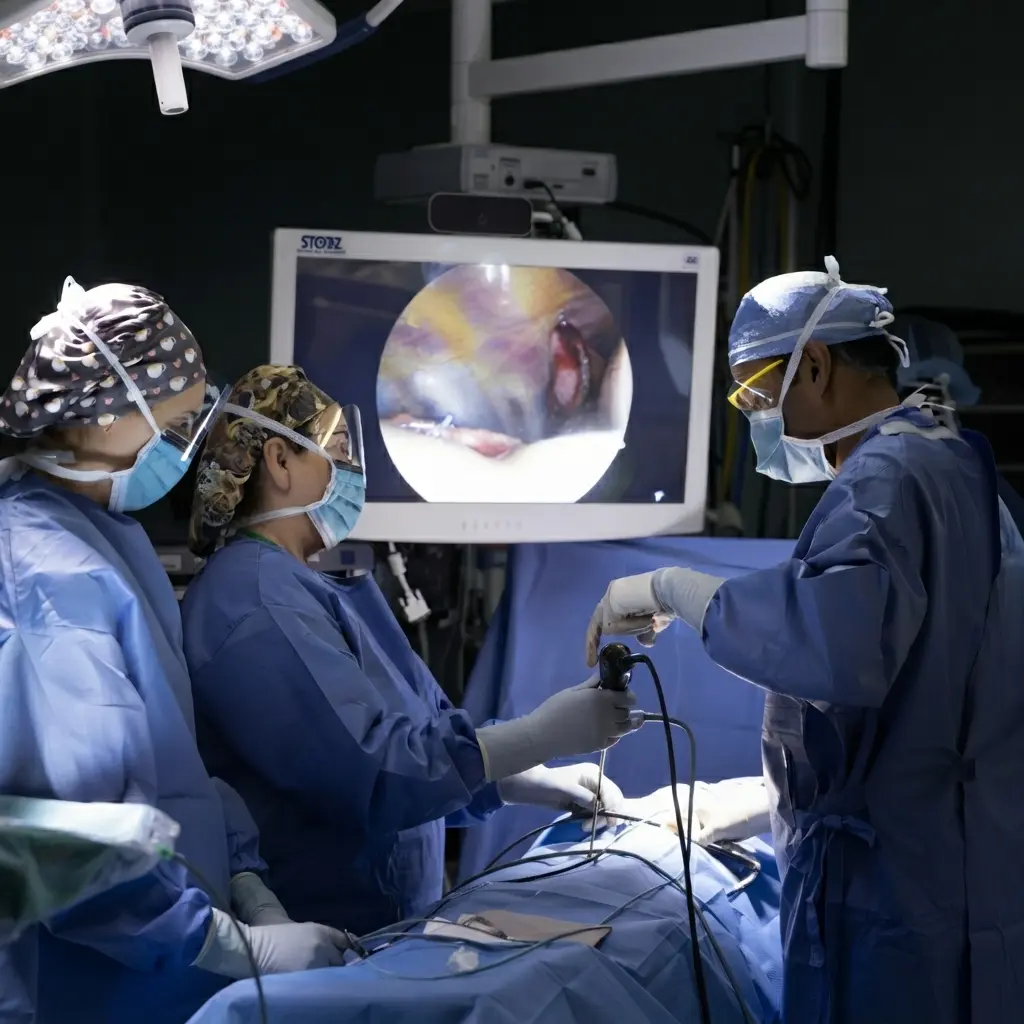
Video-assisted thoracic surgery
Robotic-assisted thoracic surgery
Other specialized minimally invasive approaches
Potential advantages may include smaller incisions and potentially shorter recovery in appropriately selected patients.
Video-Assisted Thoracic Surgery
Video-assisted thoracic surgery (VATS) uses small incisions and specialized instruments to perform selected procedures within the chest.
VATS may be used for:
Lung resections
Lung biopsies
Pulmonary nodules
Pleural procedures
Selected thoracic conditions
Robotic-Assisted Lung Surgery
Robotic-assisted thoracic surgery uses specialized surgical technology to assist with selected procedures.
It may provide surgeons with enhanced visualization and precise instrument control during appropriate lung and chest operations.
Suitability depends on the patient's condition and surgical requirements.
Open Lung Surgery
Some complex lung conditions require traditional open surgery through a larger chest incision.
Open surgery may be considered when:
The disease is extensive
The anatomy is complex
A larger resection is required
Minimally invasive surgery is not appropriate
Lymph Node Removal and Evaluation
During selected lung cancer operations, nearby lymph nodes may be sampled or removed.
Lymph node evaluation helps determine:
Cancer stage
Disease spread
Need for additional treatment
Pathology specialists examine the removed tissue.
Lung Tumor Surgery
Surgery may be considered for selected benign or malignant lung tumors.
Treatment planning may depend on:
Tumor size
Tumor location
Growth pattern
Symptoms
Pathology
Overall health
Pulmonary Nodule Surgery
Some pulmonary nodules may require surgical evaluation or removal when:
Cancer is suspected
Biopsy is inconclusive
The nodule continues to grow
The location makes other biopsy methods difficult
Removal is medically appropriate
Metastasectomy
Selected patients with cancer that has spread to the lungs may be considered for surgical removal of metastatic lesions.
Suitability depends on:
Primary cancer type
Number of lesions
Location
Disease elsewhere in the body
Overall health
Other available treatments
Pleural Surgery
Thoracic surgery may also address selected conditions affecting the pleura, the thin tissue surrounding the lungs.
Procedures may be considered for:
Pleural tumors
Pleural fluid problems
Certain infections
Pleural thickening
Other chest conditions
Airway Surgery
Selected airway conditions may require surgical treatment.
Specialists may evaluate:
Airway narrowing
Airway tumors
Structural abnormalities
Complex airway disorders
Treatment depends on the location and severity of the condition.
Lung Biopsy Surgery
Surgical lung biopsy may be considered when a diagnosis cannot be established through less invasive methods.
The procedure allows tissue to be examined by pathology specialists to help identify the underlying lung disease.
Surgery for Severe Lung Disease
Selected patients with advanced or complicated lung disease may require surgical evaluation.
Treatment options depend on:
Lung function
Disease progression
Symptoms
Previous treatment
Overall health
In certain circumstances, transplant evaluation may also be considered.
Preoperative Lung Function Testing
Lung function testing may be performed before surgery to assess respiratory reserve.
Testing may include:
Spirometry
Lung volume measurements
Diffusion capacity
Exercise testing
Oxygen assessment
These results can help determine surgical suitability.
Preoperative Imaging
Imaging may be used to evaluate the anatomy and extent of disease before surgery.
Possible studies include:
Chest X-ray
CT scan
PET scan
MRI when appropriate
Other specialized imaging
Preoperative Medical Evaluation
Patients may undergo assessment of:
Heart function
Lung function
Nutritional status
Current medications
Previous surgeries
Other medical conditions
The goal is to identify factors that may affect surgical safety and recovery.
Postoperative Lung Surgery Care
After surgery, patients may receive monitoring and treatment focused on:
Breathing
Pain control
Oxygen levels
Mobility
Wound healing
Lung expansion
Prevention of complications
The recovery plan depends on the type of surgery.
Pulmonary Rehabilitation After Surgery
Selected patients may benefit from pulmonary rehabilitation after lung surgery.
Rehabilitation may focus on:
Breathing exercises
Walking
Strength
Exercise tolerance
Functional recovery
Gradual return to activity
Recovery After Lung Surgery
Recovery varies according to:
Type of procedure
Surgical approach
Extent of lung tissue removed
Overall health
Presence of other medical conditions
Postoperative complications
A personalized recovery plan is provided after surgery.
Multidisciplinary Lung Surgery
Complex lung conditions may require coordination between:
Thoracic surgeons
Pulmonologists
Medical oncologists
Radiation oncologists
Radiologists
Pathologists
Anesthesiologists
Rehabilitation specialists
A multidisciplinary approach can help coordinate diagnosis, surgery and additional treatment.
Second Opinion for Lung Surgery
Patients who have received a recommendation for lung surgery may seek a thoracic surgery second opinion.
Specialists may review:
CT scans
PET scans
Biopsy results
Pathology reports
Lung function tests
Previous medical records
Proposed surgical procedure
The specialist can then determine whether surgery is appropriate and discuss possible alternatives.
International Patients
International patients should provide relevant medical records whenever possible.
Useful documents may include:
Chest CT scans
PET scans
Chest X-rays
Biopsy reports
Pathology reports
Pulmonary function tests
Previous surgical reports
Oncology records
Current medication list
Benefits of Specialized Lung Surgery
Specialized lung surgery may help:
Remove selected lung tumors
Treat localized lung cancer
Evaluate pulmonary nodules
Obtain diagnostic tissue
Treat selected pleural conditions
Address certain airway disorders
Remove selected metastatic lung lesions
Provide minimally invasive surgical options
Coordinate surgery with cancer treatment
Support postoperative rehabilitation
Why Choose Mayo Clinic for Lung Surgery?
Mayo Clinic provides specialized thoracic surgical care for complex lung and chest conditions. Depending on the patient's diagnosis, care may involve thoracic surgeons working closely with pulmonologists, oncologists, radiologists, pathologists and rehabilitation specialists.
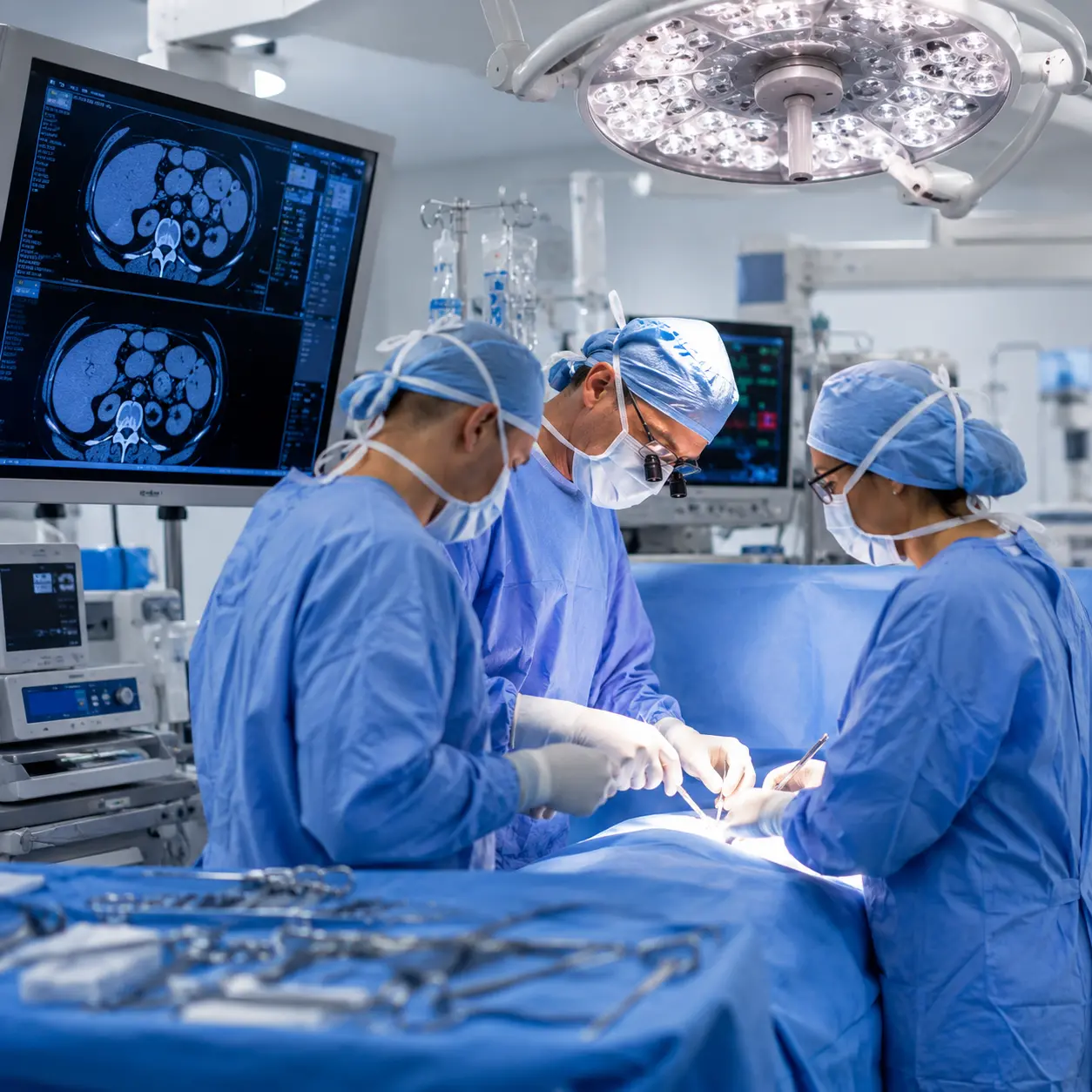
Surgical options may include minimally invasive procedures, robotic-assisted surgery and open thoracic surgery when clinically appropriate.
Cost & Price on Request
Price: Price on Request
The total cost of lung surgery depends on the procedure and level of care required.
Potential costs may include:
Thoracic surgery consultation
Diagnostic imaging
Pulmonary function testing
Laboratory testing
Anesthesia
Surgical procedure
Pathology
Hospitalization
Postoperative care
Rehabilitation
Follow-up consultations
A personalized cost estimate should be requested according to the patient's individual surgical plan.
Frequently Asked Questions
1. What types of lung surgery are available?
Depending on the condition, lung surgery may include wedge resection, segmentectomy, lobectomy, pneumonectomy and other specialized thoracic procedures.
2. Can lung cancer be treated with surgery?
Yes. Surgery may be an option for selected patients with localized or resectable lung cancer, depending on cancer stage, tumor location and overall health.
3. Is minimally invasive lung surgery possible?
Selected patients may be candidates for video-assisted or robotic-assisted thoracic surgery, depending on their diagnosis and surgical requirements.
4. How long does recovery from lung surgery take?
Recovery varies according to the type of surgery, extent of lung tissue removed, surgical approach and individual health.
5. How much does lung surgery cost?
Price is available on request. The final cost depends on the surgical procedure, hospitalization, anesthesia, diagnostic testing, pathology and postoperative care.
Product Details
Product Name: Lung Surgery
Hospital: Mayo Clinic – Rochester
Brand: Mayo Clinic
Country: United States
Specialty: Pulmonology & Lung Surgery
Service Type: Lung Surgery
Customer-Facing Price: Price on Request
International Patients: Available
Location: Rochester, Minnesota, USA
Related products


Bronchoscopy at Mayo Clinic


Lung Surgery at Mayo Clinic

Frequently Bought Together
No frequently bought products found!
Products from this Seller
View All








Chemotherapy at Mayo Clinic

Immunotherapy at Mayo Clinic


Medical Tourism





Share with Friends
Trading is more effective when you share products with friends!Share you link
Share to