














Inflammatory Bowel Disease Treatment at Mayo Clinic
Inflammatory Bowel Disease (IBD) Treatment provides specialized diagnosis, monitoring and management of chronic inflammatory conditions affecting the digestive tract, primarily Crohn's disease and ulcerative colitis. Mayo Clinic specialists develop individualized treatment plans based on disease type, severity, location, complications and previous treatment response.
Price: Price on Request
Why Price on Request?
The cost of IBD treatment varies according to the type and severity of disease, diagnostic testing, medications, biologic therapies, infusions, procedures, hospitalization and possible surgery. A personalized treatment estimate is therefore required.
Complete Description
What Is Inflammatory Bowel Disease?
Inflammatory Bowel Disease (IBD) is a group of chronic conditions that cause inflammation in the gastrointestinal tract.
The two primary forms are:
Crohn's disease
Ulcerative colitis
IBD can cause periods of active symptoms, known as flares, followed by periods of reduced or absent symptoms, known as remission.
Symptoms of IBD
Common symptoms may include:
Abdominal pain
Persistent diarrhea
Blood in the stool
Rectal bleeding
Urgent bowel movements
Unexplained weight loss
Fatigue
Loss of appetite
Fever
Bloating
Anemia
Symptoms vary depending on the type and severity of IBD.
Crohn's Disease Treatment
Crohn's disease can affect different parts of the gastrointestinal tract and may involve inflammation extending through multiple layers of the intestinal wall.
Treatment may include:
Medication
Biologic therapy
Nutritional therapy
Immunomodulating treatment
Endoscopic procedures
Surgery when medically necessary
The treatment plan is individualized according to disease location, severity and complications.
Ulcerative Colitis Treatment
Ulcerative colitis primarily affects the colon and rectum.
Treatment may involve:
Anti-inflammatory medications
Immunosuppressive medications
Biologic therapies
Targeted medications
Nutritional support
Surgery for selected patients
The objective is to control inflammation, achieve remission and reduce complications.
IBD Diagnosis and Evaluation
Before treatment, specialists may perform a comprehensive assessment.
Evaluation can include:
Medical history
Physical examination
Blood tests
Stool tests
Colonoscopy
Endoscopy
Biopsy
CT or MRI
Other specialized gastrointestinal investigations
The results help determine the type, location and severity of IBD.
Disease Activity Assessment
Specialists may assess whether IBD is:
Mild
Moderate
Severe
Active
In remission
Assessment may consider symptoms, laboratory results, imaging, endoscopic findings and other clinical factors.
Medication Treatment
Depending on the condition, IBD treatment may include medications designed to reduce inflammation or control the immune response.
Treatment options may include:
Aminosalicylates
Corticosteroids
Immunomodulators
Biologic therapies
Targeted small-molecule medications
Other disease-specific medications
The choice depends on the patient's diagnosis and individual circumstances.
Biologic Therapy
Biologic medications are used for many patients with moderate-to-severe IBD.
They are designed to target specific pathways involved in inflammation.
Biologic treatment may be considered when:
Conventional medications are insufficient
Disease is moderate to severe
There are significant complications
Long-term disease control requires advanced therapy
Infusion-Based IBD Treatment
Some advanced IBD medications may be administered through intravenous infusion.
Patients receiving infusion therapy may require:
Pre-treatment assessment
Medication administration
Monitoring during treatment
Follow-up evaluation
The specific treatment schedule depends on the medication and clinical response.
Targeted IBD Therapies
Some modern treatments target specific inflammatory pathways involved in IBD.
These therapies may be used to help:
Control intestinal inflammation
Achieve remission
Maintain remission
Reduce disease activity
Prevent complications
Treatment selection is based on individual medical factors.
Nutritional Management
Nutrition can be an important part of comprehensive IBD care.
Specialists may assess:
Weight changes
Nutritional deficiencies
Iron deficiency
Vitamin deficiencies
Protein status
Dietary tolerance
Some patients may benefit from individualized nutritional guidance.
IBD and Anemia Management
Chronic intestinal inflammation or gastrointestinal blood loss can contribute to anemia.
Evaluation may include testing for:
Iron deficiency
Vitamin deficiencies
Other causes of anemia
Treatment may involve dietary changes, supplements or other medical therapies depending on the cause.
Endoscopic Monitoring
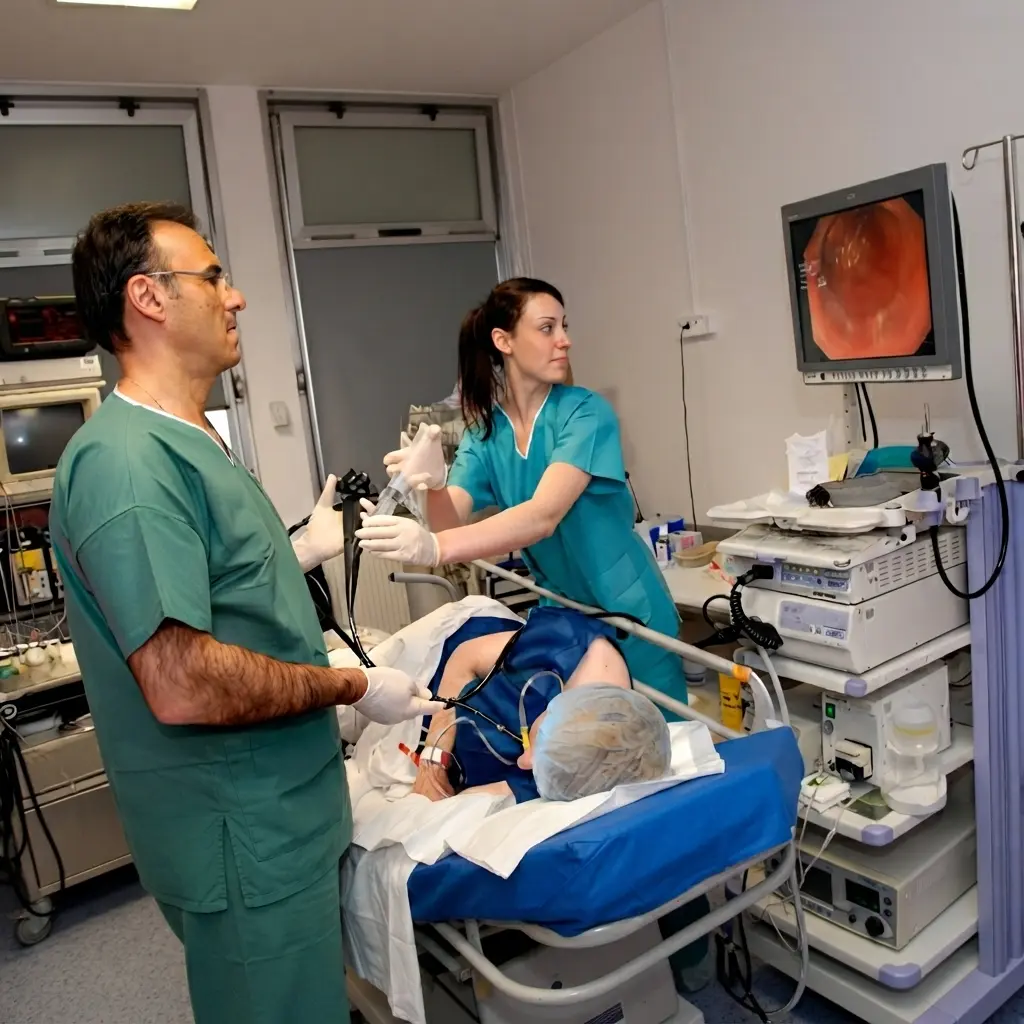
Colonoscopy and other endoscopic procedures may be used to evaluate intestinal inflammation and monitor treatment response.
Endoscopy can help assess:
Mucosal inflammation
Ulcers
Healing
Polyps
Other abnormalities
Biopsies may also be obtained when appropriate.
Imaging for IBD
Imaging can help evaluate areas of the gastrointestinal tract that may not be fully assessed through standard endoscopy.
Depending on the condition, imaging may include:
MRI
CT scan
MR enterography
Ultrasound
Other specialized imaging
Treatment of IBD Flares
During an active flare, the medical team may adjust treatment according to disease severity.
Management may include:
Medication adjustment
Corticosteroid therapy when appropriate
Advanced biologic or targeted therapy
Nutritional support
Laboratory monitoring
Hospital-based care for severe disease
IBD Complications
IBD can sometimes cause complications requiring specialized treatment.
Potential complications include:
Intestinal strictures
Fistulas
Abscesses
Intestinal obstruction
Severe bleeding
Malnutrition
Perforation
Increased colorectal cancer risk in certain patients
Management depends on the specific complication.
Surgical Treatment for IBD
Some patients may require surgery when medications and other treatments are insufficient or when serious complications occur.
Surgery may be considered for conditions such as:
Intestinal obstruction
Severe disease
Fistulas
Abscesses
Perforation
Certain cases of medication-resistant disease
The appropriate surgical approach depends on the patient's condition.
IBD and Colorectal Cancer Monitoring
Long-standing inflammatory bowel disease can increase colorectal cancer risk in some patients.
Appropriate patients may require regular surveillance colonoscopy and other monitoring based on their disease history and individual risk factors.
Long-Term IBD Management
IBD is generally managed as a long-term condition.
Ongoing care may include:
Regular specialist consultations
Laboratory monitoring
Medication management
Endoscopic assessment
Imaging when necessary
Nutritional assessment
Monitoring for complications
Treatment adjustments
The objective is to maintain remission and minimize disease-related complications.
Multidisciplinary IBD Care
Complex IBD cases may involve specialists from several fields, including:
Gastroenterologists
IBD specialists
Gastrointestinal surgeons
Pathologists
Radiologists
Dietitians
Pharmacists
Other healthcare professionals
This coordinated approach can support comprehensive long-term management.
Second Opinion for IBD
Patients with an established IBD diagnosis may seek a specialist second opinion.
Medical records may be reviewed, including:
Previous colonoscopy reports
Biopsy results
Imaging
Laboratory tests
Medication history
Previous biologic treatments
Surgical records
The specialist may then recommend an individualized management strategy.
International Patients
International patients should provide relevant medical records whenever possible.
Useful documents include:
Colonoscopy reports
Biopsy and pathology reports
CT or MRI scans
Blood-test results
Stool-test results
Previous treatment records
Medication list
Previous surgical reports
This information helps specialists understand the patient's disease history before evaluation.
Benefits of Specialized IBD Treatment
Comprehensive IBD care may help:
Control intestinal inflammation
Achieve and maintain remission
Reduce symptoms
Monitor treatment response
Identify complications
Manage nutritional deficiencies
Reduce the risk of disease-related complications
Determine when advanced medication or surgery may be appropriate
Provide long-term specialist follow-up
Why Choose Mayo Clinic for IBD Care?
Mayo Clinic provides multidisciplinary care for complex gastrointestinal diseases, including Crohn's disease and ulcerative colitis.
Patients may receive coordinated evaluation and treatment involving gastroenterology, advanced endoscopy, gastrointestinal surgery, radiology, pathology and nutrition specialists when appropriate.
Cost & Price on Request
Price: Price on Request
There is no single fixed price for IBD treatment because management differs significantly between patients.
Potential costs may include:
Gastroenterology consultation
Diagnostic testing
Colonoscopy or endoscopy
Imaging
Laboratory testing
Prescription medications
Biologic or targeted therapies
Infusion services
Nutritional care
Surgery when required
Follow-up monitoring
A personalized treatment estimate should be requested after specialist evaluation.
Frequently Asked Questions
1. What is inflammatory bowel disease?
Inflammatory bowel disease (IBD) is a group of chronic conditions involving inflammation of the digestive tract, primarily Crohn's disease and ulcerative colitis.
2. Can IBD be cured?
There is currently no universal cure for Crohn's disease or ulcerative colitis, but appropriate treatment can help control inflammation, achieve remission and manage symptoms and complications.
3. What treatments are available for IBD?
Treatment may include medications, biologic therapies, targeted therapies, nutritional management, endoscopic treatment and surgery when necessary.
4. Can IBD require surgery?
Yes. Some patients may require surgery because of obstruction, fistulas, abscesses, perforation, severe disease or other complications.
5. How much does IBD treatment cost?
Price is available on request. The total cost depends on the patient's diagnosis, testing, medications, advanced therapies, procedures and any required surgery.
Product Details
Product Name: Inflammatory Bowel Disease Treatment
Hospital: Mayo Clinic – Rochester
Brand: Mayo Clinic
Country: United States
Specialty: Gastroenterology & Hepatology
Service Type: Inflammatory Bowel Disease Treatment
Dashboard Price: 0
Customer-Facing Price: Price on Request
International Patients: Available
Location: Rochester, Minnesota, USA
Related products



Colonoscopy at Mayo Clinic




Frequently Bought Together
No frequently bought products found!
Products from this Seller
View All












Chemotherapy at Mayo Clinic

Immunotherapy at Mayo Clinic

Medical Tourism





Share with Friends
Trading is more effective when you share products with friends!Share you link
Share to