












Advanced Endoscopy at Mayo Clinic
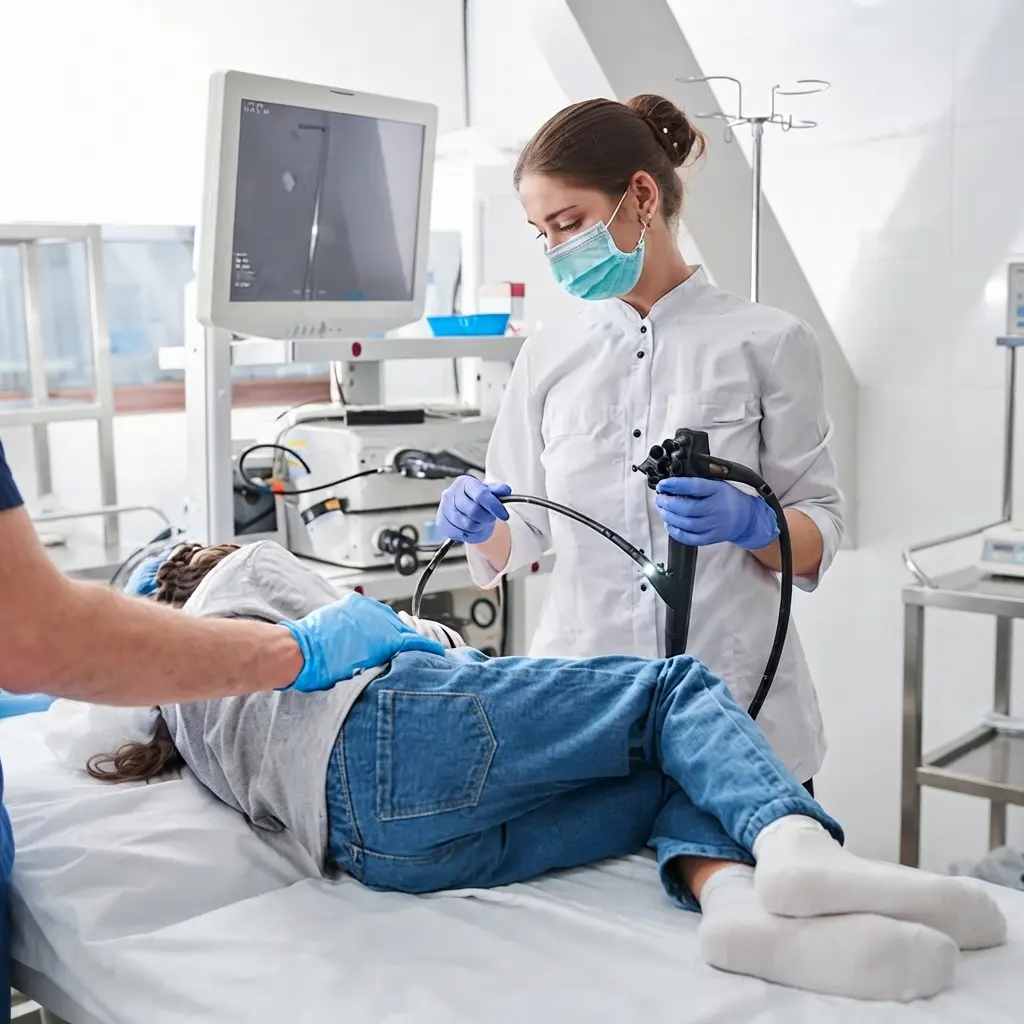
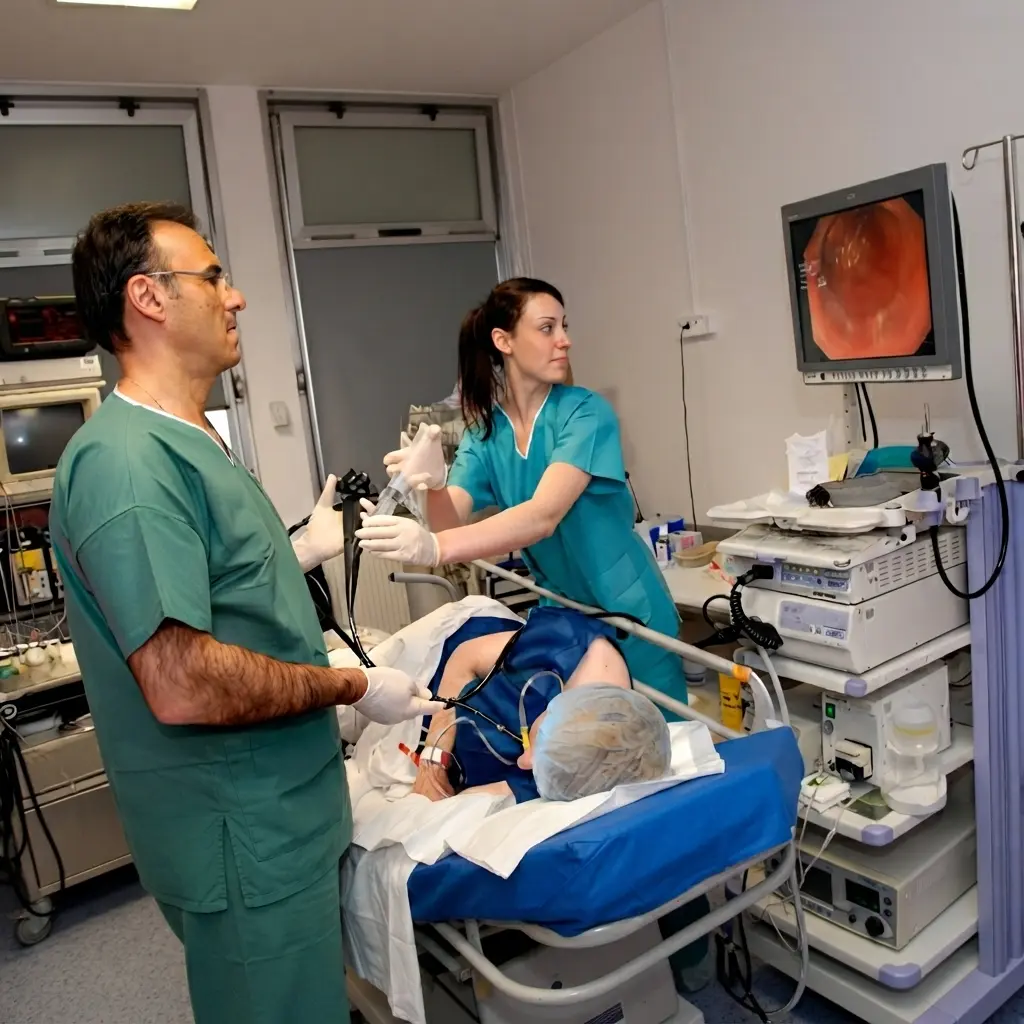
Advanced Endoscopy provides specialized minimally invasive procedures for diagnosing and treating complex conditions of the gastrointestinal tract, bile ducts and pancreas. Advanced endoscopic techniques can allow specialists to evaluate abnormalities, obtain tissue samples and perform selected therapeutic procedures without traditional open surgery.
Price: Price on Request
Why Price on Request?
The cost of Advanced Endoscopy depends on the specific procedure, complexity of the condition, anesthesia, diagnostic testing, tissue sampling, therapeutic intervention and required hospital or facility services. A personalized estimate is therefore provided after specialist evaluation.
Complete Description
What Is Advanced Endoscopy?
Advanced Endoscopy is a specialized area of gastroenterology that uses sophisticated endoscopic techniques to diagnose and treat complex gastrointestinal, pancreatic and biliary conditions.
Unlike a standard diagnostic endoscopy, advanced endoscopic procedures may involve specialized equipment and techniques designed to manage more complex medical problems.
Conditions Evaluated and Treated
Advanced endoscopy may be used for selected conditions involving the:
Esophagus
Stomach
Small intestine
Colon
Pancreas
Bile ducts
Gallbladder
Other gastrointestinal structures
It may help evaluate or treat conditions such as strictures, tumors, polyps, pancreatic disorders and bile-duct abnormalities.
Advanced Endoscopic Procedures
Depending on the patient's condition, advanced endoscopy may include:
Endoscopic ultrasound (EUS)
Endoscopic retrograde cholangiopancreatography (ERCP)
Therapeutic endoscopy
Endoscopic tissue sampling
Endoscopic removal of selected lesions
Endoscopic treatment of gastrointestinal bleeding
Endoscopic management of selected strictures
Other specialized procedures
The appropriate procedure depends on the patient's diagnosis and clinical requirements.
Endoscopic Ultrasound (EUS)
Endoscopic ultrasound combines endoscopy with ultrasound imaging.
It allows specialists to obtain detailed images of structures located within and around the gastrointestinal tract.
EUS may be used to evaluate:
Pancreas
Bile ducts
Gallbladder
Gastrointestinal wall
Nearby lymph nodes
Selected tumors and lesions
EUS-Guided Biopsy
In selected cases, EUS can be used to guide tissue sampling.
A specialist may obtain a sample from a suspicious lesion or lymph node using a fine needle under imaging guidance.
The tissue can then be examined by a pathologist.
ERCP
Endoscopic retrograde cholangiopancreatography (ERCP) is a specialized procedure used to diagnose and treat selected conditions involving the bile ducts and pancreatic ducts.
ERCP may be used for therapeutic purposes such as:
Removing selected bile-duct stones
Treating certain bile-duct blockages
Placing stents
Managing selected strictures
Obtaining ductal information when clinically necessary
Because ERCP carries potential risks, it is generally performed when a therapeutic intervention is expected to be beneficial.
Endoscopic Treatment of Bile-Duct Disorders
Advanced endoscopy can be used to manage selected biliary conditions.
Treatment may involve:
Bile-duct stone removal
Stent placement
Treatment of selected strictures
Management of bile-duct obstruction
Evaluation of abnormal bile ducts
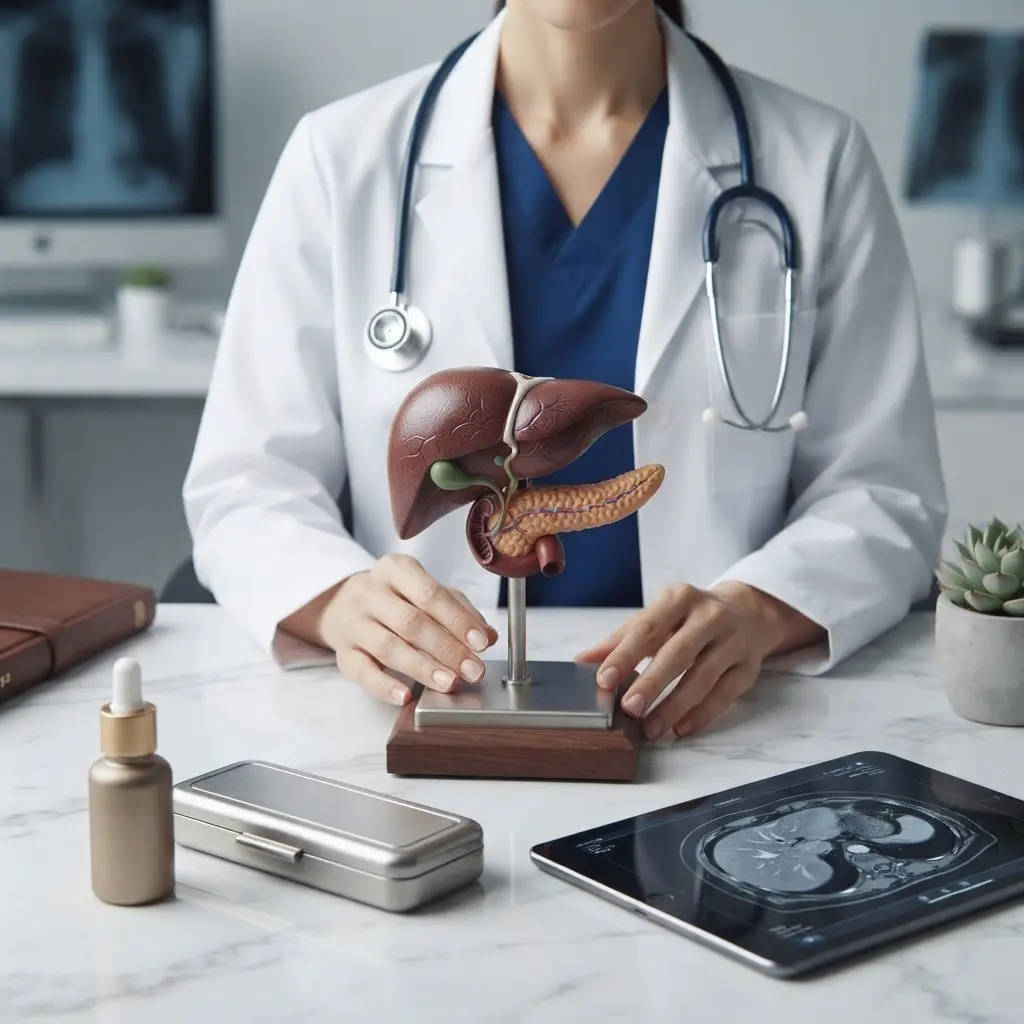
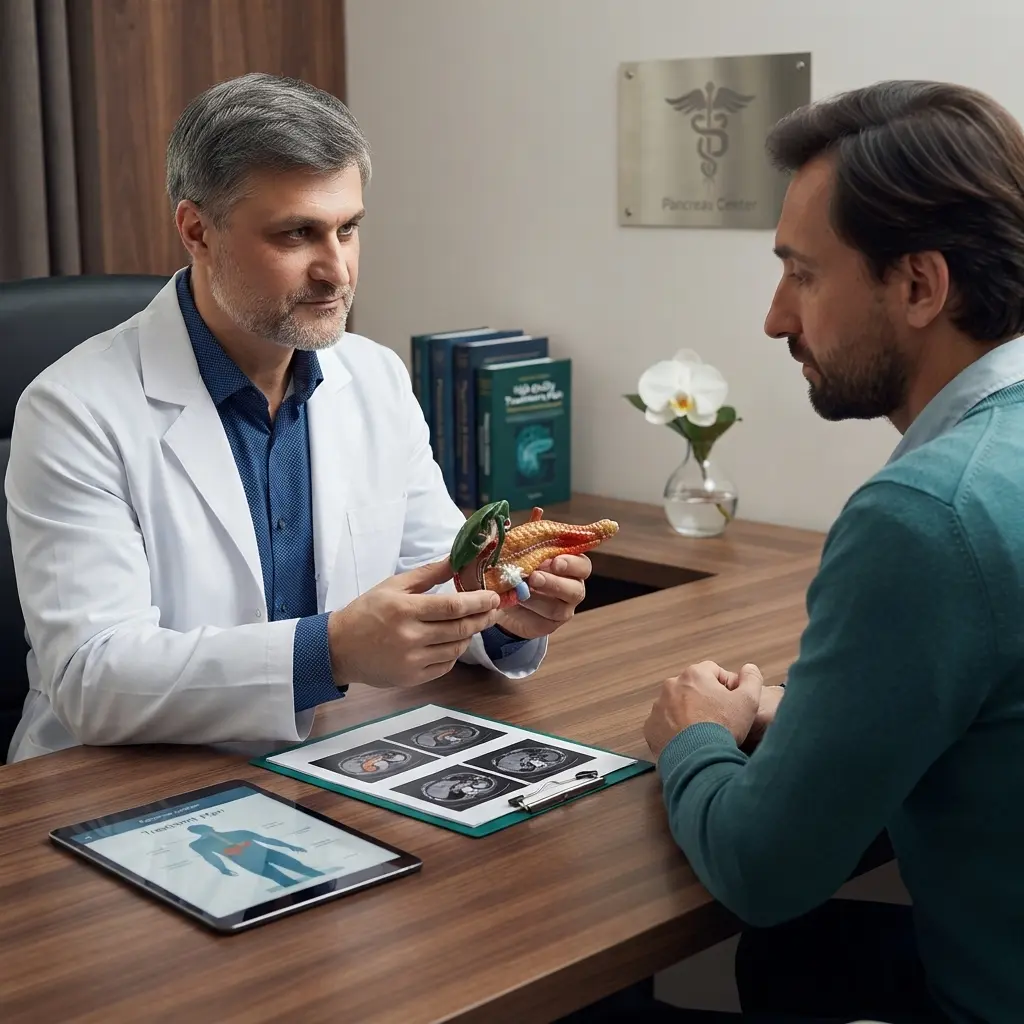
Pancreatic Disease Evaluation
Advanced endoscopy can play an important role in evaluating selected pancreatic conditions.
Procedures such as EUS and ERCP may be used to investigate:
Pancreatic cysts
Pancreatitis
Pancreatic masses
Pancreatic-duct abnormalities
Selected pancreatic tumors
Gastrointestinal Tumor Evaluation
Advanced endoscopy can assist in evaluating certain gastrointestinal tumors and suspicious lesions.
Depending on the location and characteristics of a lesion, specialists may perform:
Detailed endoscopic imaging
EUS
Tissue sampling
Lymph-node assessment
Selected endoscopic treatment
Endoscopic Biopsy
During certain procedures, specialists can obtain tissue samples from suspicious areas.
Biopsy samples may be examined to determine whether tissue is:
Benign
Precancerous
Cancerous
Associated with inflammation
Associated with another disease process
Endoscopic Removal of Selected Lesions
Selected polyps and abnormal gastrointestinal lesions can sometimes be removed endoscopically.
Depending on the lesion, procedures may include:
Polypectomy
Endoscopic mucosal resection
Other specialized endoscopic removal techniques
The appropriate technique depends on the size, location and characteristics of the lesion.
Treatment of Gastrointestinal Bleeding
Advanced endoscopic techniques can be used to identify and treat selected sources of gastrointestinal bleeding.
Treatment may involve specialized endoscopic methods designed to control bleeding and reduce the need for more invasive intervention.
Endoscopic Management of Strictures
A stricture is a narrowing of part of the gastrointestinal tract or a duct.
In selected patients, advanced endoscopic techniques may be used to evaluate and treat strictures.
Treatment options depend on:
Location
Cause
Severity
Previous treatment
Patient's overall health
Pre-Procedure Evaluation
Before advanced endoscopy, the medical team may review:
Medical history
Current medications
Previous procedures
Allergies
Blood tests
Imaging
Previous endoscopy reports
Previous pathology
The reason for the procedure
Patients may receive specific preparation instructions depending on the procedure.
Sedation and Anesthesia
Many advanced endoscopic procedures involve sedation or anesthesia.
The appropriate approach depends on:
Procedure type
Duration
Patient health
Medical history
Complexity of the intervention
An anesthesia professional may be involved when required.
During the Procedure
The endoscope is carefully guided through the appropriate part of the gastrointestinal tract.
Depending on the procedure, specialists may:
Examine tissues
Obtain biopsies
Remove selected lesions
Treat bleeding
Place a stent
Remove selected stones
Perform other therapeutic interventions
The procedure is performed using specialized equipment and continuous monitoring.
Recovery After Advanced Endoscopy
After the procedure, patients are monitored during recovery.
Recovery may involve:
Observation after sedation
Monitoring vital signs
Assessment for complications
Pain management when necessary
Review of procedure findings
Follow-up instructions
Patients receiving sedation may require someone to accompany them after the procedure.
Potential Risks and Complications
Advanced endoscopic procedures are generally performed by specialized teams but can involve risks.
Depending on the procedure, possible complications may include:
Bleeding
Infection
Abdominal discomfort
Perforation
Pancreatitis after certain procedures
Sedation-related complications
Other procedure-specific risks
The medical team discusses relevant risks before the procedure.
Multidisciplinary Advanced Endoscopy Care
Complex cases may require collaboration between:
Advanced endoscopists
Gastroenterologists
Hepatologists
Gastrointestinal surgeons
Oncologists
Radiologists
Pathologists
Anesthesiologists
Other specialists
This coordinated approach supports complex diagnostic and therapeutic procedures.
International Patients
International patients may be asked to provide:
Previous endoscopy reports
Colonoscopy reports
Pathology reports
CT or MRI reports
Ultrasound reports
Blood-test results
Previous surgical records
Previous treatment history
Current medication list
These records can help specialists determine which advanced endoscopic procedure may be appropriate.
Benefits of Advanced Endoscopy
For appropriately selected patients, advanced endoscopy may:
Provide detailed gastrointestinal evaluation
Obtain tissue samples
Diagnose selected pancreatic and biliary conditions
Treat certain gastrointestinal disorders
Remove selected lesions
Manage selected bile-duct problems
Treat certain sources of gastrointestinal bleeding
Provide minimally invasive treatment options
Why Choose Mayo Clinic for Advanced Endoscopy?
Mayo Clinic provides specialized gastroenterology and advanced endoscopy care for complex gastrointestinal, pancreatic and biliary conditions.
Patients may receive coordinated evaluation involving advanced endoscopy, gastroenterology, hepatology, gastrointestinal surgery, oncology, radiology and pathology when appropriate.
Cost & Price on Request
Price: Price on Request
Advanced endoscopy does not have one fixed price because different procedures have different levels of complexity.
Potential costs may include:
Specialist consultation
Pre-procedure assessment
Laboratory testing
Imaging
Endoscopic procedure
Sedation or anesthesia
Biopsy
Pathology
Therapeutic intervention
Hospital or facility services
Follow-up care
A personalized cost estimate should be requested after specialist evaluation.
Frequently Asked Questions
1. What is advanced endoscopy?
Advanced endoscopy uses specialized endoscopic techniques to diagnose and treat complex conditions affecting the gastrointestinal tract, pancreas and bile ducts.
2. What is EUS?
Endoscopic ultrasound (EUS) combines endoscopy and ultrasound imaging to evaluate structures such as the pancreas, bile ducts, gastrointestinal wall and nearby lymph nodes.
3. What is ERCP used for?
ERCP is primarily used for selected therapeutic problems involving the bile ducts and pancreatic ducts, such as certain blockages, stones and strictures.
4. Can advanced endoscopy remove tumors or polyps?
Selected gastrointestinal lesions and polyps may be removed using specialized endoscopic techniques. Suitability depends on the size, location and characteristics of the lesion.
5. How much does advanced endoscopy cost?
Price is available on request. The final cost depends on the specific procedure, anesthesia, biopsy, therapeutic intervention and other required medical services.
Product Details
Product Name: Advanced Endoscopy
Hospital: Mayo Clinic – Rochester
Brand: Mayo Clinic
Country: United States
Specialty: Gastroenterology & Hepatology
Service Type: Advanced Endoscopy
Dashboard Price: 0
Customer-Facing Price: Price on Request
International Patients: Available
Location: Rochester, Minnesota, USA
Related products
Colonoscopy at Mayo Clinic

Frequently Bought Together
No frequently bought products found!
Products from this Seller
View All
Chemotherapy at Mayo Clinic
Immunotherapy at Mayo Clinic
Medical Tourism





Share with Friends
Trading is more effective when you share products with friends!Share you link
Share to