













Colonoscopy at Mayo Clinic
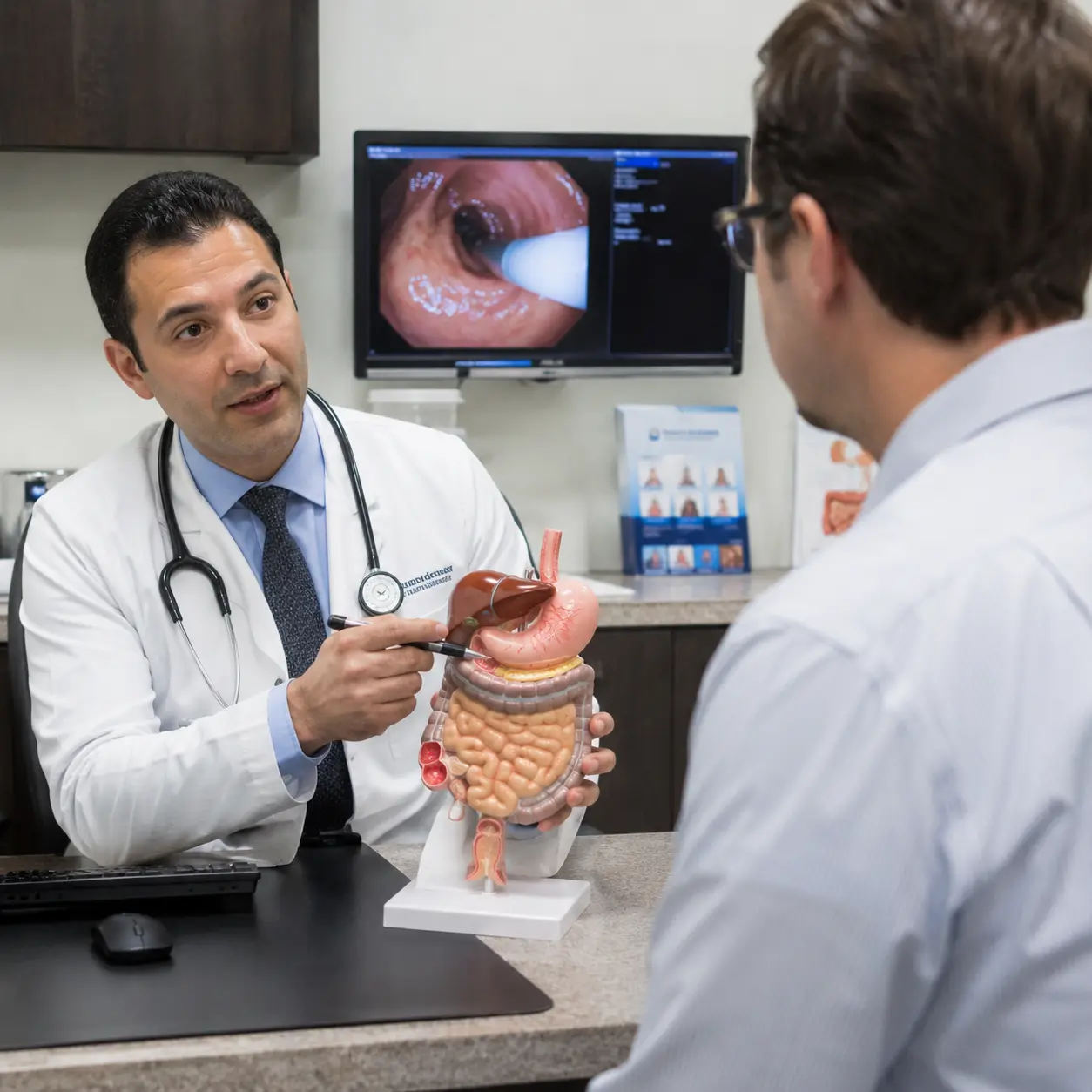
Colonoscopy is a specialized diagnostic and preventive procedure used to examine the inside of the large intestine (colon) and rectum. It can help detect and evaluate polyps, inflammation, bleeding, abnormal tissue and colorectal cancer, and selected polyps can be removed during the same procedure.
Price: Price on Request
Why Price on Request?
The cost of a colonoscopy depends on the reason for the procedure, pre-procedure evaluation, bowel preparation, sedation or anesthesia, biopsy or polyp removal, pathology and facility or hospital services. A personalized cost estimate is therefore required.
Complete Description
What Is a Colonoscopy?
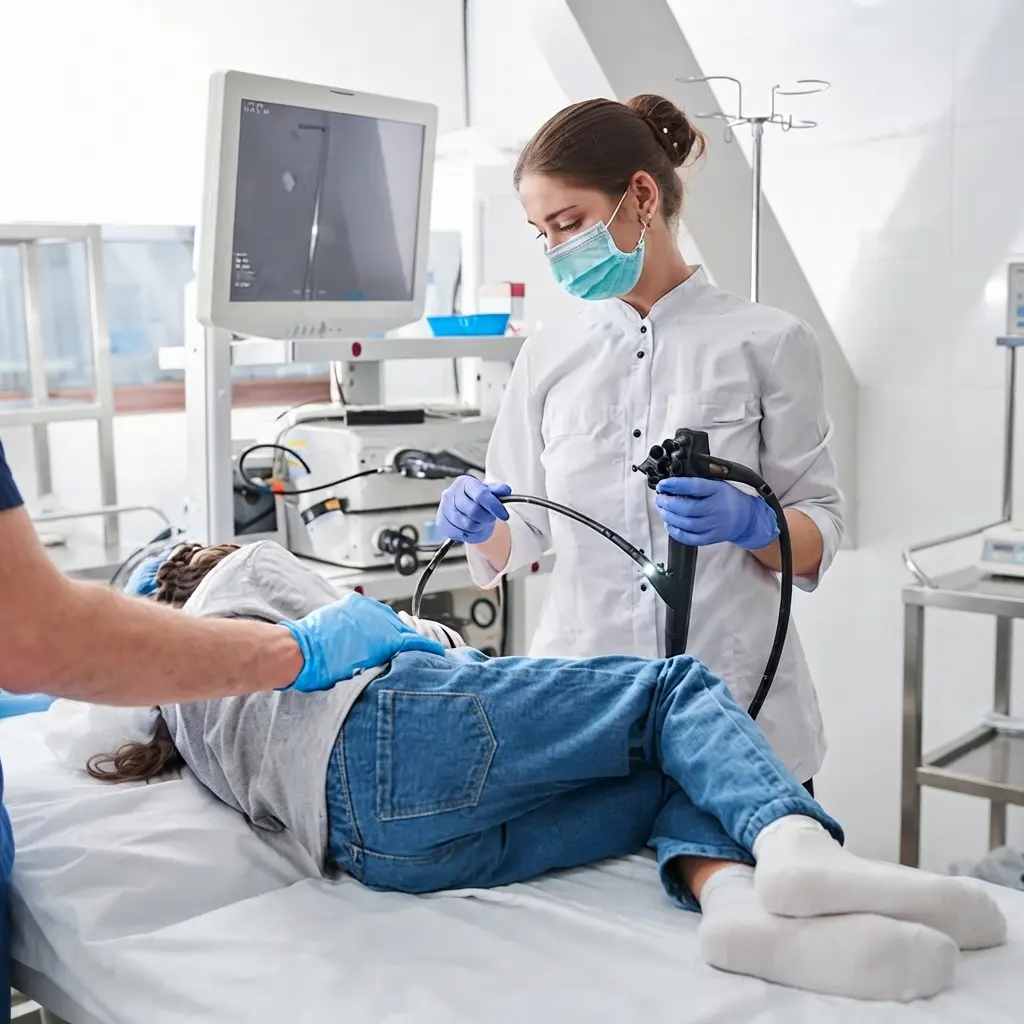
A colonoscopy is an endoscopic procedure that allows a gastroenterologist to examine the lining of the rectum and entire colon using a flexible instrument equipped with a camera.
It can be performed for both screening and diagnostic purposes.
During the procedure, the specialist can identify abnormalities and, when appropriate, perform procedures such as biopsy or polyp removal.
Why Is a Colonoscopy Performed?
A colonoscopy may be recommended for:
Colorectal cancer screening
Rectal bleeding
Blood in the stool
Persistent diarrhea
Chronic constipation
Unexplained abdominal pain
Changes in bowel habits
Unexplained anemia
Follow-up of previously detected polyps
Evaluation of inflammatory bowel disease
Investigation of abnormal gastrointestinal findings
The reason for the procedure depends on the patient's individual medical situation.
Colorectal Cancer Screening
Colonoscopy is an important method of colorectal cancer screening.
It allows specialists to identify certain precancerous polyps and remove them during the procedure when appropriate.
Screening recommendations depend on factors such as:
Age
Family history
Personal medical history
Previous polyps
Previous colorectal cancer
Other individual risk factors
Detection of Colon Polyps
Colon polyps are growths that develop on the inner lining of the colon.
During colonoscopy, specialists can identify and evaluate polyps.
Selected polyps can be removed during the same procedure, and the tissue can then be sent for pathological examination.
Polyp Removal
If a suitable polyp is identified, it may be removed using specialized endoscopic techniques.
This may include:
Polypectomy
Snare removal
Other specialized endoscopic techniques
The technique depends on the size, location and characteristics of the polyp.
Biopsy During Colonoscopy
A colonoscopy can allow the specialist to obtain biopsy samples from abnormal or suspicious areas.
Biopsy may help evaluate:
Inflammation
Abnormal tissue
Polyps
Suspected cancer
Other gastrointestinal conditions
The tissue is examined by a pathologist.
Colonoscopy for Rectal Bleeding
Patients experiencing rectal bleeding or blood in the stool may be evaluated with colonoscopy when clinically appropriate.
The procedure can help identify potential causes such as:
Polyps
Inflammation
Diverticular disease
Hemorrhoidal bleeding
Other abnormalities
Colorectal tumors
Colonoscopy for Inflammatory Bowel Disease
Colonoscopy can be an important part of evaluating and monitoring:
Crohn's disease
Ulcerative colitis
Other inflammatory gastrointestinal conditions
It may help specialists assess inflammation, obtain biopsies and monitor disease activity.
Colonoscopy for Unexplained Anemia
In selected patients with unexplained iron-deficiency anemia, colonoscopy may be recommended to investigate possible sources of gastrointestinal blood loss.
The specialist may evaluate the colon for:
Polyps
Bleeding lesions
Inflammation
Tumors
Other abnormalities
Preparation Before Colonoscopy
Proper bowel preparation is essential for a successful colonoscopy.
Patients are generally given specific instructions regarding:
Diet before the procedure
Clear-liquid intake
Bowel-preparation medication
Medication adjustments
Timing of preparation
Arrival instructions
Following the preparation instructions carefully helps improve visibility during the examination.
Medication Review
Before colonoscopy, patients should inform the medical team about all medications and supplements they take.
Particular attention may be given to:
Blood thinners
Diabetes medications
Blood-pressure medications
Iron supplements
Other prescription medications
Patients should not stop prescribed medications unless instructed by their healthcare team.
Sedation and Anesthesia
Colonoscopy may be performed with sedation or anesthesia depending on the procedure and patient's medical circumstances.
The medical team determines the appropriate approach based on:
Patient health
Medical history
Procedure requirements
Previous experiences
Facility protocols
During the Colonoscopy
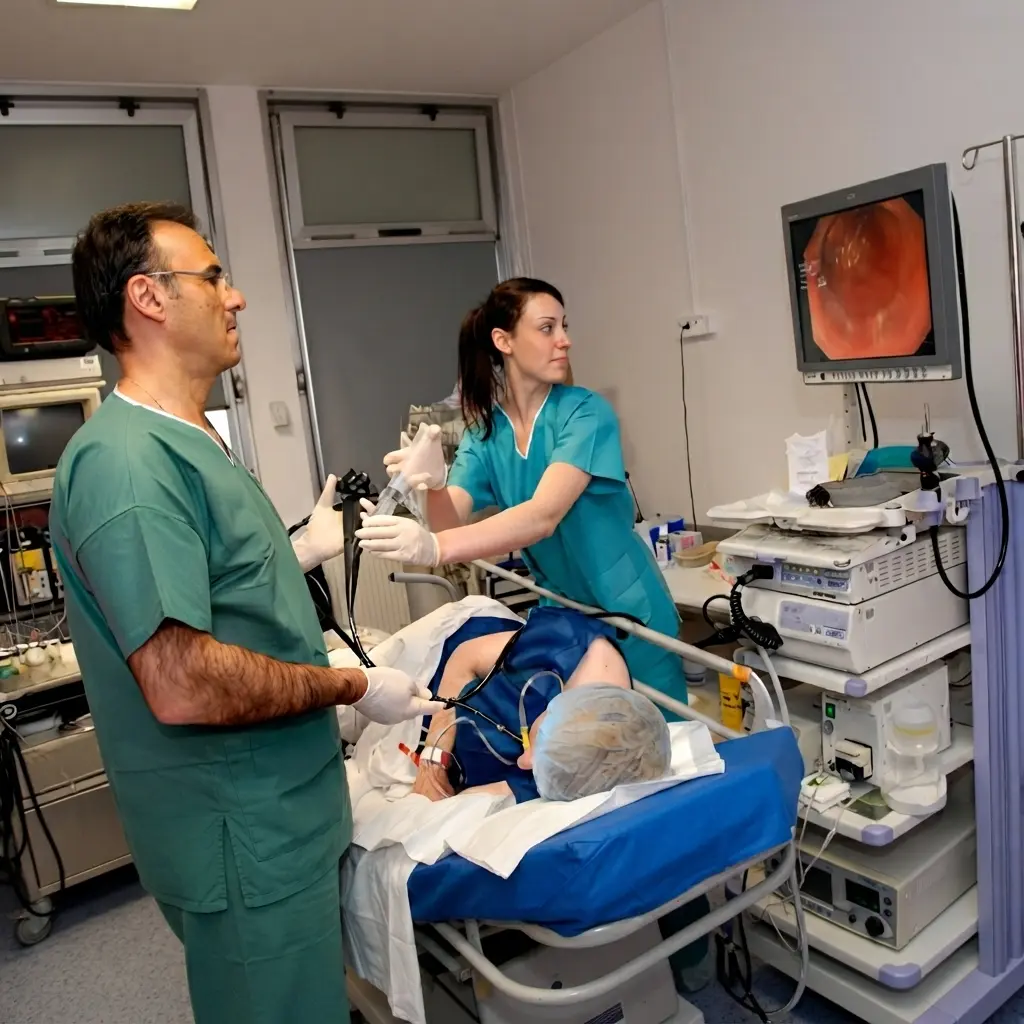
During the procedure, the colonoscope is carefully guided through the rectum and colon.
The specialist examines the intestinal lining for abnormalities.
When necessary, the doctor may:
Remove polyps
Obtain biopsies
Treat selected bleeding sources
Evaluate abnormal tissue
Perform other appropriate endoscopic interventions
Colonoscopy Findings
A colonoscopy may identify:
Colon polyps
Colorectal tumors
Inflammation
Ulcers
Diverticular disease
Bleeding sources
Abnormal blood vessels
Other gastrointestinal abnormalities
Not every abnormal finding requires treatment, and the next step depends on the findings.
Recovery After Colonoscopy
After the procedure, patients are monitored until the effects of sedation have sufficiently decreased.
Temporary symptoms may include:
Mild abdominal discomfort
Bloating
Gas
Mild cramping
Patients receiving sedation may need someone to accompany them home and should follow the medical team's recovery instructions.
Potential Risks and Complications
Colonoscopy is commonly performed but, like any medical procedure, can have risks.
Potential complications may include:
Bleeding
Perforation of the colon
Infection
Abdominal discomfort
Reactions to sedation or anesthesia
Complications related to polyp removal
The risk can vary depending on the patient's condition and whether additional procedures are performed.
Advanced Colonoscopy
Some patients may require more specialized colonoscopic procedures because of:
Large polyps
Difficult-to-reach lesions
Previous unsuccessful colonoscopy
Complex anatomy
Previous gastrointestinal surgery
Suspected advanced disease
Advanced endoscopy specialists may be involved when clinically appropriate.
Colonoscopy and Pathology
If polyps or tissue samples are removed, they may be sent to a pathology laboratory.
Pathology can help determine whether the tissue is:
Benign
Precancerous
Cancerous
Inflammatory
Associated with another condition
The pathology findings may influence future monitoring or treatment.
Follow-Up After Colonoscopy
Follow-up depends on the findings.
Patients may require:
Routine screening at a later date
Earlier repeat colonoscopy
Additional imaging
Specialist consultation
Treatment for detected conditions
Additional cancer evaluation
The recommended follow-up interval depends on the findings and individual risk factors.
International Patients
International patients seeking colonoscopy may provide previous medical records before traveling.
Useful documents may include:
Previous colonoscopy reports
Pathology reports
Blood-test results
Imaging reports
Previous gastrointestinal diagnoses
Medication list
Previous surgical records
This information can help specialists understand the reason for referral and determine the appropriate evaluation.
Multidisciplinary Gastrointestinal Care
Depending on the findings, patients may receive care involving:
Gastroenterologists
Advanced endoscopists
Gastrointestinal surgeons
Pathologists
Oncologists
Radiologists
Other specialists
This is particularly important when colonoscopy identifies complex lesions or suspected cancer.
Benefits of Colonoscopy
Colonoscopy can:
Screen for colorectal cancer
Detect colon polyps
Allow selected polyps to be removed
Identify sources of gastrointestinal bleeding
Evaluate intestinal inflammation
Obtain tissue samples
Investigate unexplained bowel symptoms
Help diagnose colorectal disease
Why Choose Mayo Clinic for Colonoscopy?
Mayo Clinic provides specialized gastroenterology and endoscopy services for routine screening as well as complex gastrointestinal conditions.
Patients may receive coordinated evaluation involving gastroenterology, advanced endoscopy, pathology, radiology, surgery and oncology when clinically appropriate.
Cost & Price on Request
Price: Price on Request
The cost of colonoscopy varies according to the patient's needs and the services performed.
Potential costs may include:
Gastroenterology consultation
Pre-procedure evaluation
Bowel preparation
Colonoscopy procedure
Sedation or anesthesia
Biopsy
Polyp removal
Pathology
Facility services
Follow-up consultation
A personalized cost estimate should be requested before treatment.
Frequently Asked Questions
1. What is a colonoscopy used for?
A colonoscopy is used to examine the colon and rectum, screen for colorectal cancer, investigate symptoms and detect abnormalities such as polyps or inflammation.
2. Can polyps be removed during colonoscopy?
Yes. Selected colon polyps can often be removed during the same procedure using specialized endoscopic techniques.
3. Is colonoscopy painful?
Sedation or anesthesia may be used to improve patient comfort. Some patients may experience temporary bloating or abdominal discomfort after the procedure.
4. How long does a colonoscopy take?
The procedure itself is commonly completed within a relatively short period, but the total appointment takes longer because of preparation, sedation, recovery and monitoring.
5. How much does a colonoscopy cost?
Price is available on request. The cost depends on the procedure, sedation, biopsy, polyp removal, pathology and other required medical services.
Product Details
Product Name: Colonoscopy
Hospital: Mayo Clinic – Rochester
Brand: Mayo Clinic
Country: United States
Specialty: Gastroenterology & Hepatology
Service Type: Colonoscopy
Dashboard Price: 0
Customer-Facing Price: Price on Request
International Patients: Available
Location: Rochester, Minnesota, USA
Related products

Colonoscopy at Mayo Clinic

Frequently Bought Together
No frequently bought products found!
Products from this Seller
View All



Chemotherapy at Mayo Clinic
Immunotherapy at Mayo Clinic
Medical Tourism





Share with Friends
Trading is more effective when you share products with friends!Share you link
Share to