














Gastrointestinal Surgery at Mayo Clinic
Gastrointestinal Surgery provides specialized surgical treatment for conditions affecting the esophagus, stomach, small intestine, colon, rectum and other parts of the gastrointestinal system. Mayo Clinic's multidisciplinary teams evaluate each patient to determine whether minimally invasive, endoscopic or conventional surgical treatment is appropriate.
Price: Price on Request
Why Price on Request?
The cost of gastrointestinal surgery depends on the type and complexity of the operation, patient's medical condition, diagnostic testing, anesthesia, hospital stay, surgical approach, pathology and follow-up care. A personalized cost estimate is therefore provided after specialist evaluation.
Complete Description
What Is Gastrointestinal Surgery?
Gastrointestinal surgery involves surgical procedures used to treat diseases and disorders affecting the digestive tract.
Depending on the condition, surgery may involve the:
Esophagus
Stomach
Small intestine
Colon
Rectum
Appendix
Selected liver and biliary structures
Other gastrointestinal organs and tissues
The appropriate surgical approach depends on the diagnosis, disease stage, anatomy and overall health of the patient.
Conditions Treated with Gastrointestinal Surgery
Gastrointestinal surgeons may treat conditions such as:
Gastrointestinal cancers
Colon and rectal diseases
Esophageal disorders
Stomach disorders
Intestinal obstruction
Diverticular disease
Inflammatory bowel disease
Gastrointestinal bleeding
Hernias
Appendicitis
Certain gastrointestinal tumors
Complex gastrointestinal conditions
Gastrointestinal Cancer Surgery
Surgery can play an important role in treating selected gastrointestinal cancers.
Depending on the cancer, surgery may be used for:
Esophageal cancer
Stomach cancer
Small-intestinal tumors
Colon cancer
Rectal cancer
Selected gastrointestinal stromal tumors
Other gastrointestinal malignancies
Treatment may be coordinated with medical oncology, radiation oncology, pathology and radiology when appropriate.
Esophageal Surgery
Surgical treatment may be considered for selected conditions affecting the esophagus.
These may include:
Esophageal cancer
Severe structural disorders
Certain swallowing disorders
Selected reflux-related conditions
Other complex esophageal conditions
The surgical approach depends on the underlying diagnosis.
Stomach Surgery
Surgery may be used to treat selected stomach conditions, including:
Stomach cancer
Gastrointestinal tumors
Severe complications of certain stomach diseases
Other structural abnormalities
Procedures may range from limited removal of abnormal tissue to more extensive surgery when necessary.
Colon Surgery
Colon surgery may be recommended for conditions such as:
Colon cancer
Complicated diverticular disease
Severe inflammatory bowel disease
Intestinal obstruction
Certain polyps or tumors
Other complex colon conditions
The appropriate operation depends on the disease and affected portion of the colon.
Rectal Surgery
Rectal surgery may be performed for selected conditions including:
Rectal cancer
Complex inflammatory bowel disease
Certain rectal tumors
Structural abnormalities
Other serious rectal disorders
Treatment planning may involve a multidisciplinary colorectal team.
Small Intestine Surgery
Surgery involving the small intestine may be considered for:
Intestinal obstruction
Crohn's disease
Small-intestinal tumors
Perforation
Severe intestinal damage
Other complex intestinal disorders
The surgical approach depends on the location and severity of the condition.
Inflammatory Bowel Disease Surgery
Some patients with Crohn's disease or ulcerative colitis may require surgery when medical treatment is not sufficient or complications develop.
Surgery may be considered for:
Intestinal obstruction
Fistulas
Abscesses
Perforation
Severe disease
Other serious complications
The decision is made after careful evaluation of the patient's condition.
Minimally Invasive Gastrointestinal Surgery
When appropriate, surgeons may use minimally invasive techniques.
These approaches may involve:
Laparoscopic surgery
Robotic-assisted surgery
Other minimally invasive techniques
Potential benefits may include smaller incisions and, in selected patients, shorter recovery times.
The appropriate approach depends on the procedure and patient's condition.
Open Gastrointestinal Surgery
Some complex or advanced conditions may require open surgery.
This may be necessary when:
The disease is extensive
The anatomy is complex
A large area requires treatment
Previous surgery has altered the anatomy
Minimally invasive surgery is not appropriate
The surgical team determines the safest approach for each patient.
Robotic-Assisted Gastrointestinal Surgery
Selected gastrointestinal operations may be performed using robotic-assisted surgical techniques.
Robotic surgery can provide surgeons with specialized instruments and enhanced visualization during certain procedures.
Whether robotic surgery is appropriate depends on the patient's diagnosis and the planned operation.
Emergency Gastrointestinal Surgery
Some gastrointestinal conditions may require urgent surgical evaluation.
These can include:
Intestinal obstruction
Perforation
Severe gastrointestinal bleeding
Complicated appendicitis
Severe infection
Other acute abdominal emergencies
Emergency treatment depends on the patient's condition and severity.
Pre-Surgical Evaluation
Before gastrointestinal surgery, the medical team may evaluate:
Medical history
Current medications
Allergies
Previous surgeries
Blood tests
Imaging
Endoscopy or colonoscopy reports
Pathology results
Overall fitness for surgery
This evaluation helps determine the safest and most appropriate treatment plan.
Surgical Planning
A personalized surgical plan may consider:
Type of disease
Disease stage
Location
Size and extent of the abnormality
Previous treatments
Previous surgeries
Overall health
Nutritional status
Patient preferences
The surgical team discusses the recommended procedure and available options.
Pathology and Tissue Analysis
When tissue or an organ is removed during surgery, it may be sent to pathology.
Pathological analysis can help determine:
Disease type
Tumor characteristics
Cancer stage
Surgical margins
Presence of inflammation
Other important diagnostic findings
Pathology results may influence further treatment.
Recovery After Gastrointestinal Surgery
Recovery depends on the type and complexity of surgery.
Postoperative care may include:
Pain management
Monitoring vital signs
Nutritional support
Wound care
Gradual return to activity
Bowel-function monitoring
Follow-up appointments
Recovery time varies significantly between procedures and patients.
Potential Risks and Complications
Gastrointestinal surgery can involve risks, which vary according to the procedure and patient's health.
Possible complications may include:
Bleeding
Infection
Blood clots
Anesthesia-related complications
Injury to nearby organs
Leakage from surgical connections
Bowel-function changes
Wound complications
Other procedure-specific complications
The surgical team discusses relevant risks before treatment.
Multidisciplinary Gastrointestinal Surgery
Complex patients may receive coordinated care from:
Gastrointestinal surgeons
Gastroenterologists
Medical oncologists
Radiation oncologists
Radiologists
Pathologists
Anesthesiologists
Dietitians
Other specialists
This multidisciplinary approach can be particularly important for gastrointestinal cancers and complex digestive diseases.
Second Opinion for Gastrointestinal Surgery
Patients who have already been advised to undergo gastrointestinal surgery may seek a specialist surgical second opinion.
The medical team may review:
Imaging
Endoscopy reports
Colonoscopy reports
Pathology
Previous surgical recommendations
Medical history
Previous treatments
This can help patients better understand their surgical options.
International Patients
International patients should provide relevant medical documentation whenever possible.
Useful records may include:
Previous surgical reports
CT or MRI scans
Endoscopy reports
Colonoscopy reports
Pathology reports
Blood-test results
Previous treatment records
Current medication list
These records help specialists evaluate the patient's condition before treatment.
Benefits of Specialized Gastrointestinal Surgery
Specialized gastrointestinal surgical care may help:
Treat gastrointestinal cancers
Remove abnormal or diseased tissue
Address intestinal obstruction
Treat selected inflammatory bowel complications
Manage complex gastrointestinal disorders
Provide minimally invasive surgical options when appropriate
Coordinate surgery with oncology and other specialties
Provide comprehensive postoperative care
Offer specialist surgical second opinions
Why Choose Mayo Clinic for Gastrointestinal Surgery?
Mayo Clinic provides specialized surgical care for complex gastrointestinal conditions, including gastrointestinal cancers and difficult digestive disorders.
Patients may receive coordinated care involving gastrointestinal surgery, gastroenterology, oncology, radiology, pathology and other specialties when clinically appropriate.
Cost & Price on Request
Price: Price on Request
The total cost of gastrointestinal surgery depends on the procedure and individual medical requirements.
Potential costs may include:
Surgical consultation
Diagnostic testing
Imaging
Endoscopy or colonoscopy
Surgery
Anesthesia
Hospital stay
Pathology
Medications
Postoperative care
Follow-up consultations
A personalized cost estimate should be requested after specialist evaluation.
Frequently Asked Questions
1. What conditions can gastrointestinal surgery treat?
Gastrointestinal surgery may be used to treat gastrointestinal cancers, intestinal obstruction, inflammatory bowel disease complications, diverticular disease, tumors and other complex digestive conditions.
2. Is gastrointestinal surgery always performed as open surgery?
No. Depending on the condition and procedure, surgery may be performed using laparoscopic, robotic-assisted or other minimally invasive techniques.
3. Can gastrointestinal cancer be treated with surgery?
Yes. Surgery can be an important part of treatment for selected gastrointestinal cancers. Depending on the cancer, it may be combined with chemotherapy, radiation therapy or other treatments.
4. Can I get a second opinion before gastrointestinal surgery?
Yes. A specialist can review your medical records, imaging, pathology and proposed surgical plan to provide an additional expert assessment.
5. How much does gastrointestinal surgery cost?
Price is available on request. The final cost depends on the type of surgery, complexity, anesthesia, hospital services, pathology and postoperative care required.
Product Details
Product Name: Gastrointestinal Surgery
Hospital: Mayo Clinic – Rochester
Brand: Mayo Clinic
Country: United States
Specialty: Gastroenterology & Hepatology
Service Type: Gastrointestinal Surgery
Dashboard Price: 0
Customer-Facing Price: Price on Request
International Patients: Available
Location: Rochester, Minnesota, USA
Related products
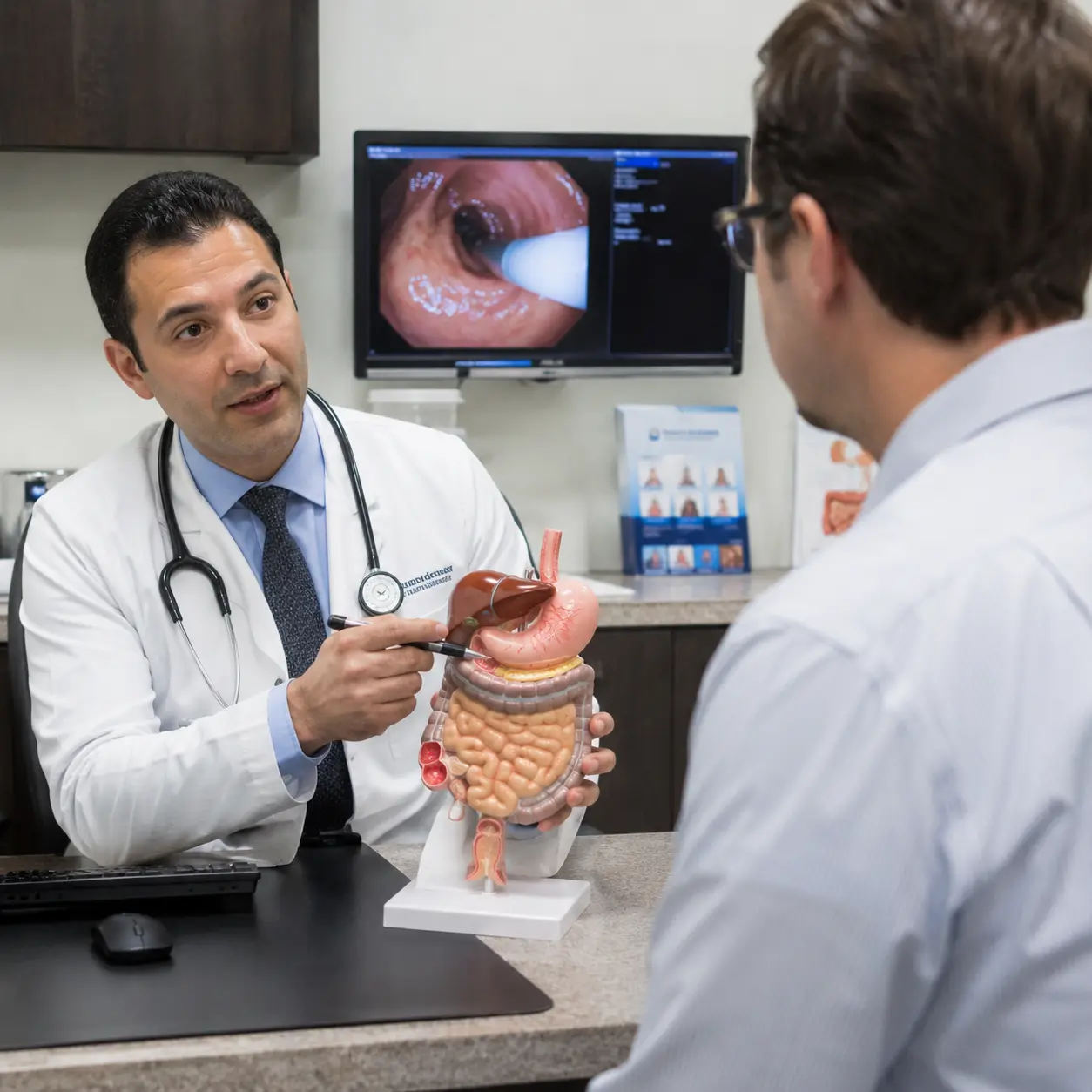


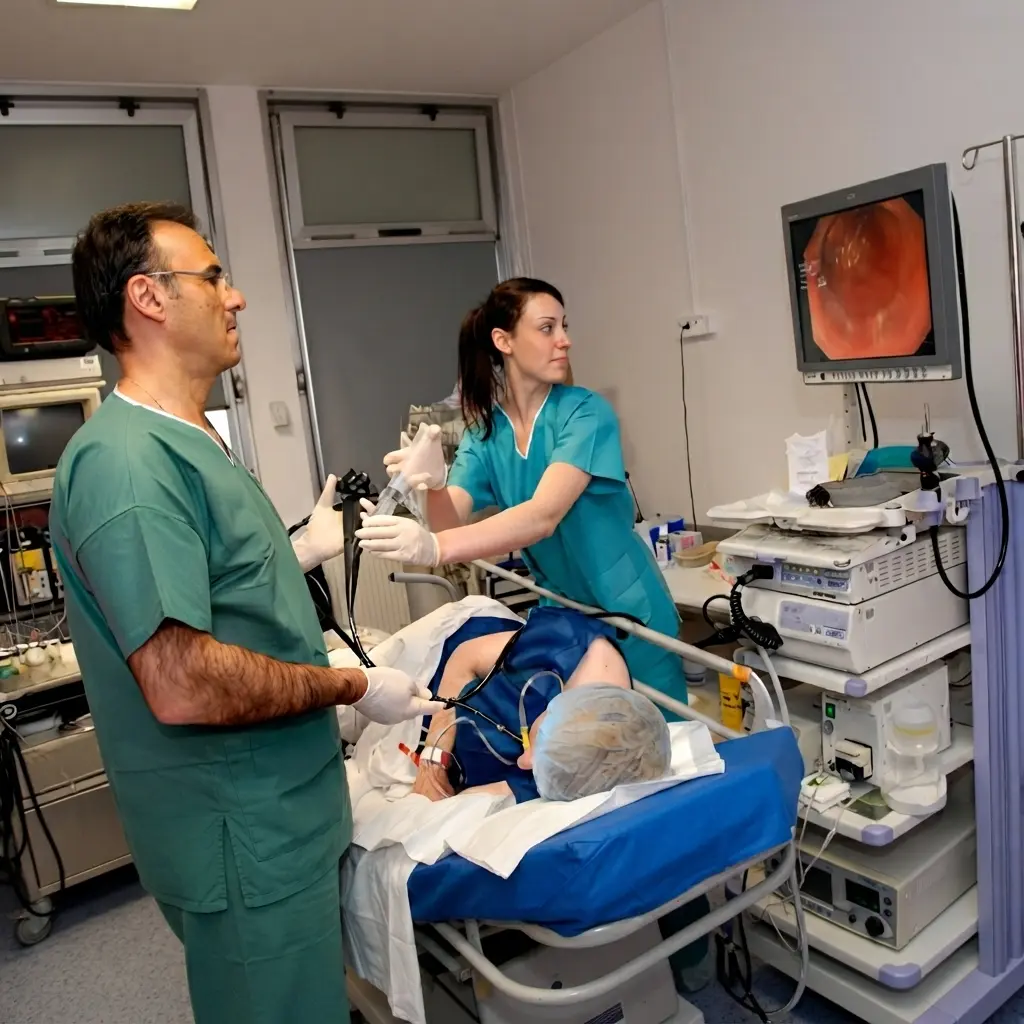
Colonoscopy at Mayo Clinic




Frequently Bought Together
No frequently bought products found!
Products from this Seller
View All









Chemotherapy at Mayo Clinic

Immunotherapy at Mayo Clinic



Medical Tourism





Share with Friends
Trading is more effective when you share products with friends!Share you link
Share to