











Stroke Treatment at Karolinska University Hospital
Stroke Treatment provides specialized medical and neurological care for patients affected by stroke. Treatment focuses on rapid assessment, diagnosis, restoration of blood flow when appropriate, management of complications and rehabilitation, with the goal of reducing neurological damage and supporting recovery.
Price
Price on Request
Why Price on Request?
The cost of stroke treatment varies according to the type and severity of stroke, emergency or planned treatment, diagnostic imaging, laboratory testing, medication, procedures, hospitalization, intensive care and rehabilitation requirements. A personalized cost estimate can be provided after medical assessment.
Complete Description
What Is Stroke Treatment?
Stroke Treatment involves specialized medical care for a stroke caused by either blocked blood flow to the brain or bleeding within or around the brain.
Treatment depends on:
Type of stroke
Location of the affected area
Severity of neurological symptoms
Time since symptoms began
Overall health
Underlying medical conditions
Who May Need Stroke Treatment?
Stroke treatment may be required for patients experiencing sudden:
Facial weakness
Arm or leg weakness
Speech difficulties
Vision changes
Severe dizziness
Loss of balance
Confusion
Loss of coordination
Other sudden neurological symptoms
A suspected stroke requires urgent medical assessment.
Emergency Stroke Assessment
Initial evaluation may include:
Neurological examination
Medical history
Blood-pressure assessment
Blood tests
Brain imaging
Vascular imaging
Heart rhythm assessment
Rapid evaluation helps determine the type and appropriate treatment of stroke.
Ischemic Stroke Treatment
An ischemic stroke occurs when a blood vessel supplying the brain becomes blocked.
Depending on the patient's circumstances, treatment may involve therapies designed to restore blood flow to the affected area.
Treatment decisions depend on:
Time from symptom onset
Location of the blockage
Stroke severity
Imaging findings
Medical history
Eligibility for specific treatment
Thrombolytic Treatment
Selected patients with an ischemic stroke may be evaluated for medication that helps dissolve a blood clot.
Eligibility depends on factors including:
Time since symptoms began
Brain imaging
Medical history
Bleeding risk
Other clinical considerations
Mechanical Thrombectomy
For selected patients with certain large-vessel ischemic strokes, mechanical thrombectomy may be considered.
This minimally invasive procedure uses a catheter to remove a blood clot from a blocked blood vessel.
Suitability depends on:
Location of the blockage
Brain imaging
Time since stroke symptoms began
Clinical condition
Other medical factors
Hemorrhagic Stroke Management
A hemorrhagic stroke occurs when a blood vessel in or around the brain ruptures.
Management may involve:
Neurological monitoring
Blood-pressure management
Management of bleeding risk
Brain imaging
Neurosurgical assessment when appropriate
Intensive medical care
The treatment pathway depends on the location and severity of bleeding.
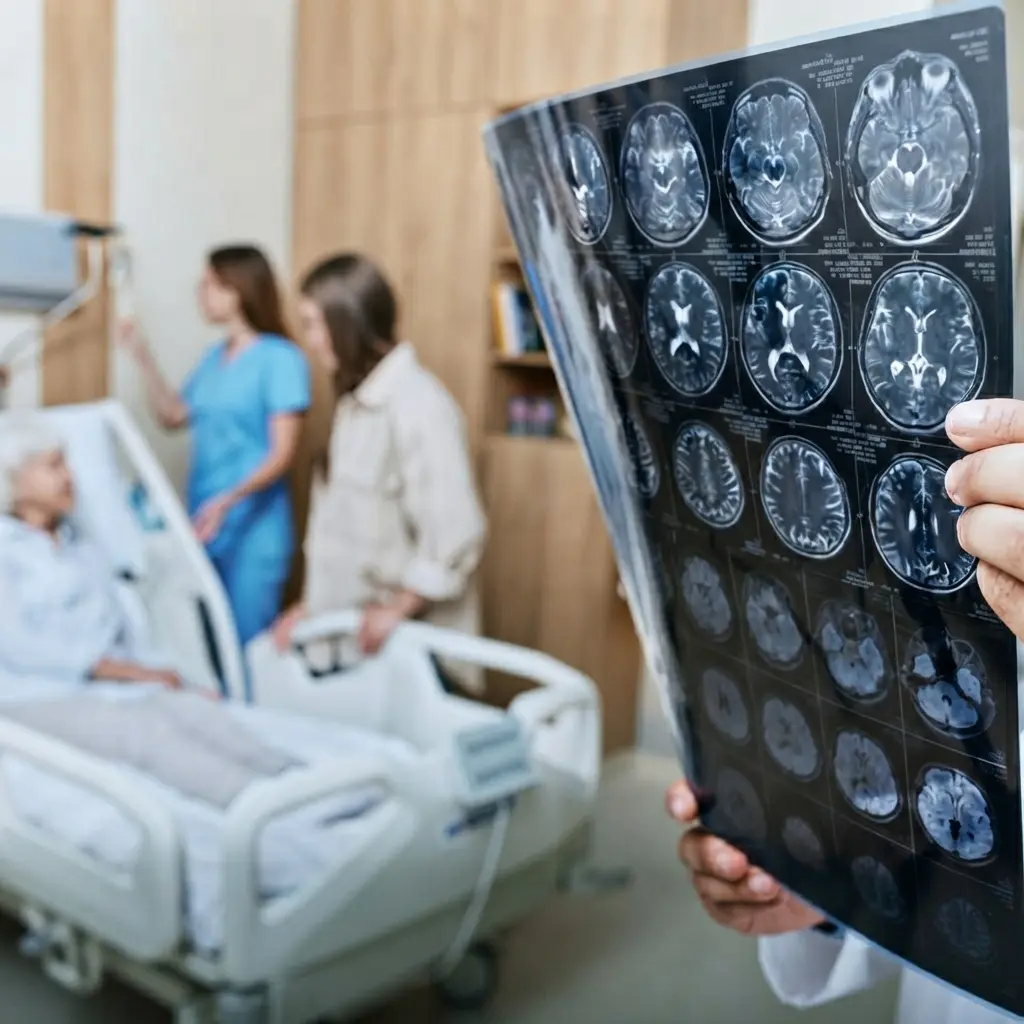
Stroke Imaging
Diagnostic imaging may include:
CT scan
CT angiography
MRI
MR angiography
Other specialized brain and vascular imaging
Imaging helps determine the type of stroke and guide treatment decisions.
Stroke and Blood Pressure Management
Blood-pressure management may be an important part of stroke care.
Specialists may monitor:
Blood pressure
Heart rhythm
Blood glucose
Oxygen levels
Other cardiovascular risk factors
Treatment targets depend on the type and stage of stroke.
Stroke and Heart Rhythm Assessment
Some strokes are associated with abnormal heart rhythms, particularly atrial fibrillation.
Assessment may include:
ECG
Heart rhythm monitoring
Echocardiography
Cardiovascular evaluation
Identifying potential sources of stroke can help guide long-term prevention.
Stroke Rehabilitation
Following the acute phase, rehabilitation may support recovery of:
Movement
Speech
Swallowing
Balance
Coordination
Cognitive function
Daily activities
Rehabilitation needs vary according to the patient's neurological deficits.
Long-Term Stroke Follow-Up
Follow-up care may monitor:
Neurological recovery
Blood pressure
Heart rhythm
Medication
Mobility
Speech
Cognitive function
Stroke-risk factors
Rehabilitation progress
Secondary Stroke Prevention
Patients who have experienced a stroke may require strategies to reduce the risk of another stroke.
Management may include:
Blood-pressure control
Cholesterol management
Diabetes management
Medication
Heart rhythm evaluation
Lifestyle modification
Smoking cessation
Regular medical follow-up
Stroke Second Opinion
Patients may seek a stroke treatment second opinion regarding:
Stroke diagnosis
Brain imaging
Previous treatment
Thrombectomy recommendations
Medication
Rehabilitation
Long-term stroke prevention
Relevant imaging and medical records can be reviewed by specialists.
International Patient Stroke Care
International patients seeking stroke evaluation or follow-up in Sweden should provide relevant medical records whenever available.
Useful documentation may include:
Neurology reports
CT or MRI scans
CT angiography
MRI angiography
Laboratory results
ECG or heart-monitoring reports
Medication list
Previous treatment records
Rehabilitation reports
Complete documentation can help specialists assess the patient's condition and determine an appropriate care pathway.
Benefits of Specialized Stroke Treatment
Specialized stroke care may help:
Rapidly identify stroke type
Evaluate brain and blood-vessel damage
Determine appropriate acute treatment
Assess eligibility for clot-removal procedures
Manage neurological complications
Coordinate rehabilitation
Identify stroke risk factors
Support long-term recovery
Provide specialist second opinions
Why Choose Karolinska University Hospital for Stroke Treatment?
Karolinska University Hospital is a major university hospital in Sweden providing specialized neurological, stroke and neurosurgical care.
Patients requiring complex stroke assessment and treatment may be evaluated through appropriate neurological and specialist services according to their clinical condition and eligibility.
The specific treatment pathway depends on specialist assessment.
Cost & Price on Request
Price: Price on Request
The total cost depends on the type and severity of stroke and the treatment and monitoring required.
Potential costs may include:
Emergency or specialist consultation
CT or MRI
Vascular imaging
Laboratory testing
Stroke medication
Mechanical thrombectomy when appropriate
Intensive monitoring
Hospitalization
Rehabilitation
Follow-up care
A personalized cost estimate can be requested following specialist assessment.
Frequently Asked Questions
1. What are common signs of stroke?
Sudden facial weakness, weakness of an arm or leg, speech difficulty, vision changes, severe dizziness or loss of balance can be warning signs of stroke and require urgent medical assessment.
2. Can every stroke be treated with clot-removal treatment?
No. Mechanical thrombectomy is appropriate only for selected patients based on factors such as stroke type, blood-vessel blockage, imaging findings and clinical circumstances.
3. What is mechanical thrombectomy?
It is a minimally invasive procedure that uses a catheter to remove a blood clot from a blocked blood vessel supplying the brain in selected ischemic strokes.
4. Can I seek a stroke second opinion in Sweden?
Patients may request specialist review of their stroke diagnosis, imaging and treatment plan, subject to applicable hospital requirements.
5. Can international patients receive stroke treatment in Sweden?
International patients may request specialist assessment subject to applicable hospital processes, medical requirements, eligibility and program availability.
Product Details
Product Name: Stroke Treatment
Hospital: Karolinska University Hospital
Brand: Karolinska University Hospital
Country: Sweden
Specialty: Neurology & Neurosurgery
Service Type: Stroke Treatment
Customer-Facing Price: Price on Request
International Patients: Subject to applicable eligibility and program requirements
Location: Stockholm, Sweden
Related products

Frequently Bought Together
No frequently bought products found!
Products from this Seller
View All

Chemotherapy at Mayo Clinic
Immunotherapy at Mayo Clinic
Medical Tourism





Share with Friends
Trading is more effective when you share products with friends!Share you link
Share to