













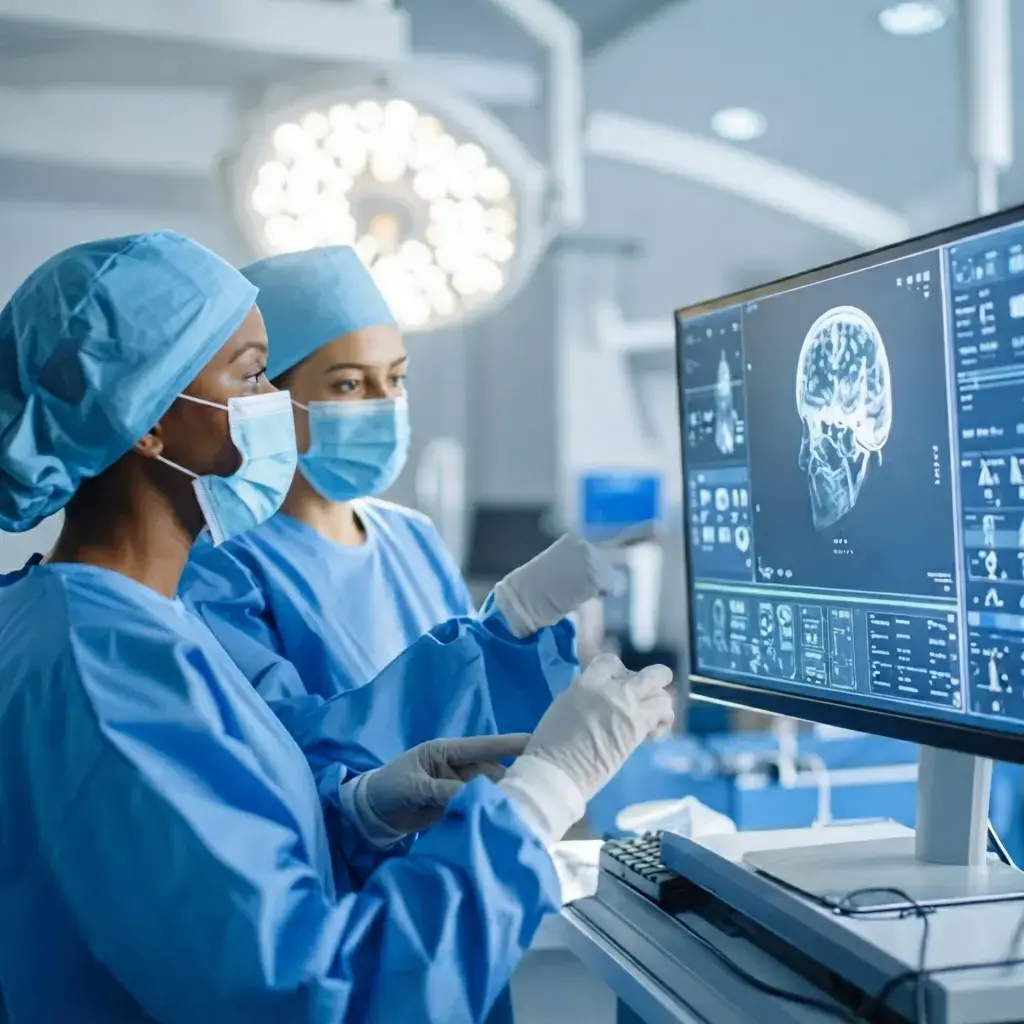
Epilepsy Treatment at Karolinska University Hospital
Epilepsy Treatment provides specialized neurological care for patients experiencing recurrent seizures or diagnosed with epilepsy. Treatment focuses on accurate seizure diagnosis, identification of seizure type and cause, medication management, seizure monitoring and evaluation of advanced treatment options for patients with difficult-to-control epilepsy.
Price
Price on Request
Why Price on Request?
The cost of epilepsy treatment varies according to the type and complexity of epilepsy, neurological consultations, EEG monitoring, brain imaging, laboratory testing, medications, specialized investigations and treatment requirements. A personalized cost estimate can be provided after medical assessment.
Complete Description
What Is Epilepsy Treatment?
Epilepsy Treatment involves specialized diagnosis and management of a neurological condition characterized by recurrent seizures.
Treatment aims to:
Identify seizure type
Determine possible causes
Control seizures
Reduce seizure frequency
Minimize treatment side effects
Improve quality of life
Evaluate advanced treatment when required
Who May Need Epilepsy Treatment?
Specialist epilepsy assessment may be appropriate for patients experiencing:
Recurrent seizures
Unexplained loss of consciousness
Episodes of staring
Uncontrolled movements
Temporary confusion
Unusual sensory experiences
Memory gaps
Seizures that continue despite medication
Comprehensive Epilepsy Evaluation
Assessment may include:
Detailed seizure history
Neurological examination
Medication review
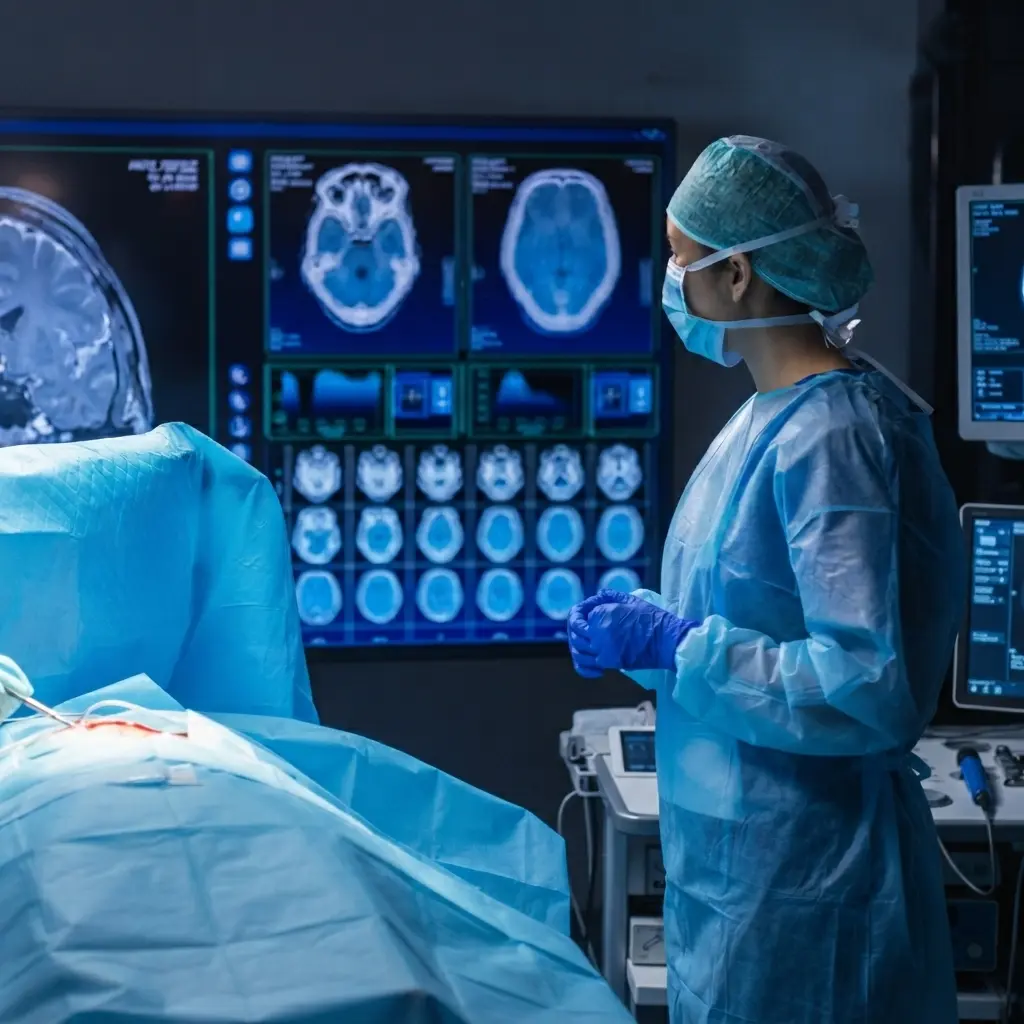
EEG
Brain imaging
Laboratory investigations
Review of previous medical records
Assessment of seizure triggers
Seizure Classification
Specialists may determine the type of seizure based on:
Symptoms
Seizure pattern
EEG findings
Brain imaging
Medical history
Accurate classification helps guide treatment decisions.
Electroencephalogram (EEG)
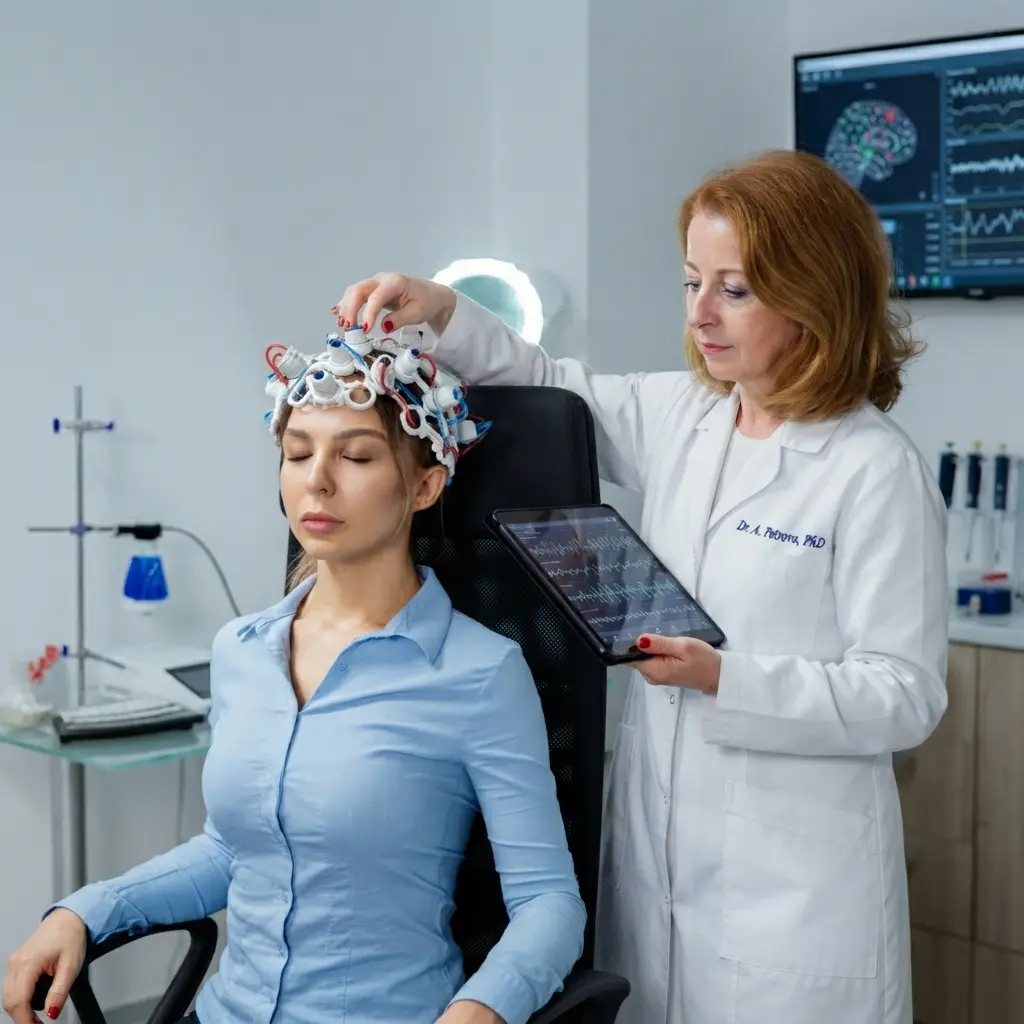
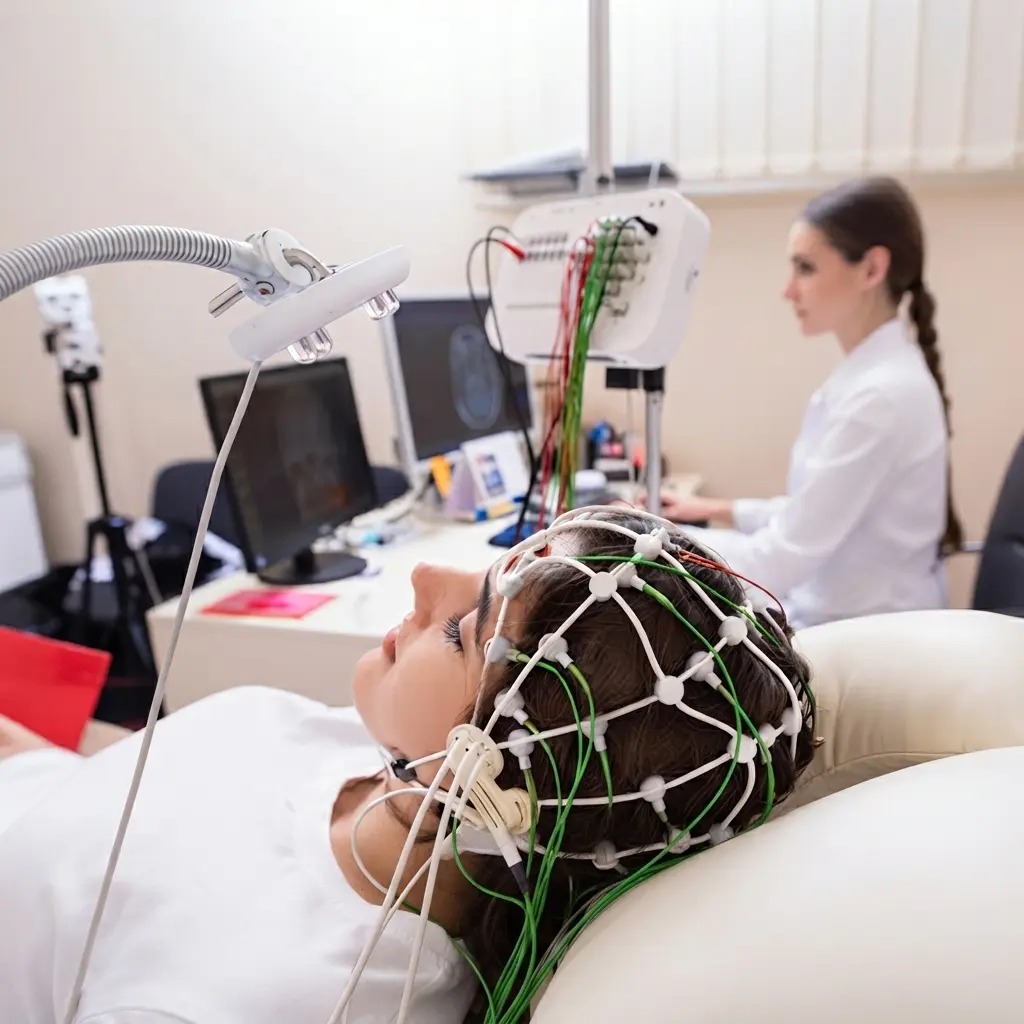
An EEG records electrical activity in the brain and can assist in evaluating suspected epilepsy.
Depending on clinical requirements, monitoring may include:
Routine EEG
Extended EEG
Video EEG monitoring
Other specialized electrophysiological assessment
Brain Imaging for Epilepsy
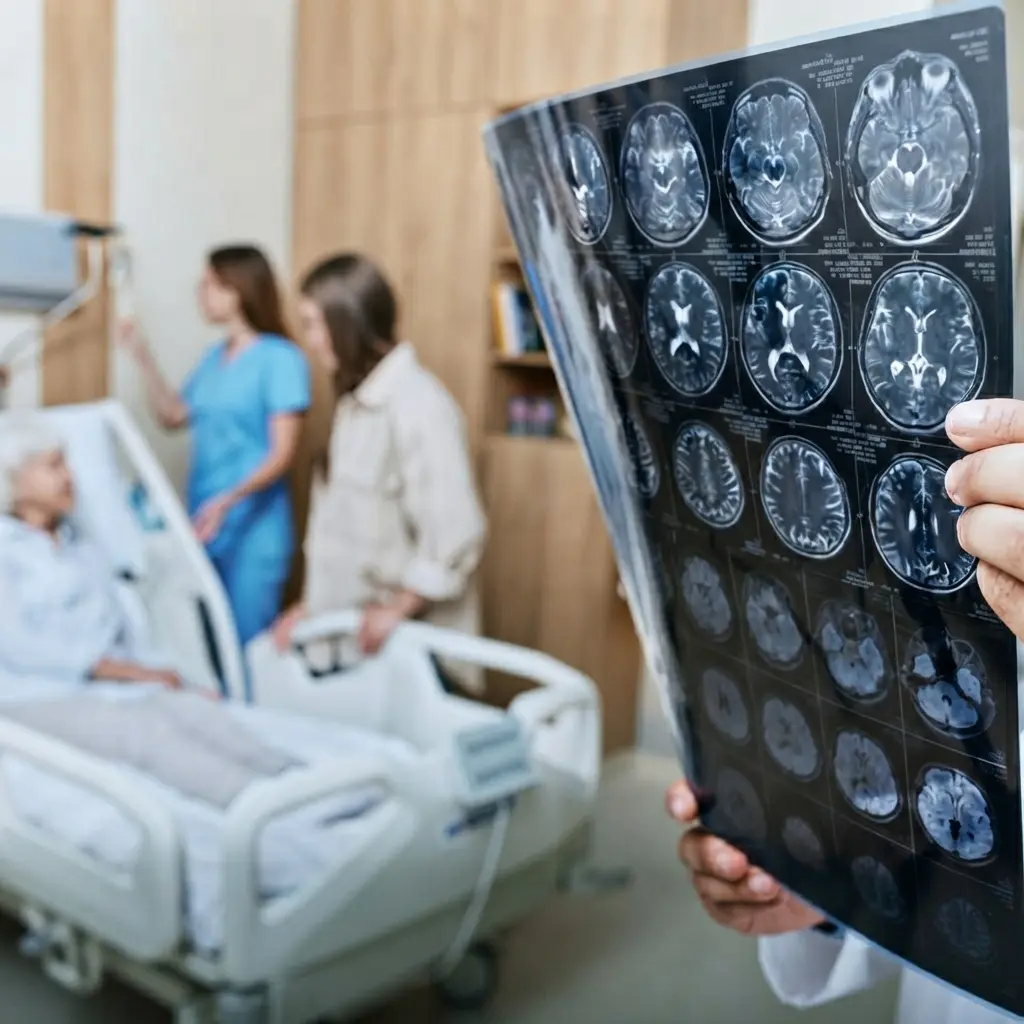
Brain imaging may help identify structural abnormalities associated with seizures.
Depending on the clinical situation, investigations may include:
MRI
CT scan
Other specialized brain imaging
Anti-Seizure Medication Management
Medication is an important part of epilepsy treatment for many patients.
Specialist management may include:
Medication selection
Dose adjustment
Monitoring treatment response
Side-effect assessment
Drug interaction review
Long-term treatment planning
Patients should not stop or change anti-seizure medication without medical guidance.
Drug-Resistant Epilepsy Evaluation
Some patients continue to experience seizures despite appropriate medication.
Specialist evaluation may assess whether the patient has drug-resistant epilepsy and whether additional treatment options should be considered.
Evaluation may include:
Detailed seizure monitoring
Video EEG
MRI
Neuropsychological assessment
Multidisciplinary specialist review
Epilepsy Surgery Evaluation
Selected patients with difficult-to-control epilepsy may undergo assessment for epilepsy surgery.
Evaluation may determine:
Where seizures originate
Whether the seizure focus can be identified
Whether surgery may be appropriate
Potential benefits and risks of intervention
Advanced Epilepsy Monitoring
Specialized monitoring may help capture seizures and correlate symptoms with brain electrical activity.
This can assist specialists in:
Confirming seizure type
Identifying seizure origin
Refining diagnosis
Planning treatment
Evaluating suitability for surgery
Epilepsy and Lifestyle Management
Long-term epilepsy care may include guidance regarding:
Medication adherence
Sleep
Seizure triggers
Physical activity
Safety precautions
Regular medical follow-up
Individual lifestyle considerations
Long-Term Epilepsy Follow-Up
Ongoing specialist care may monitor:
Seizure frequency
Medication effectiveness
Medication side effects
Neurological function
Quality of life
Treatment response
Treatment plans may be adjusted according to clinical progress.
Epilepsy Second Opinion
Patients may seek an epilepsy second opinion regarding:
Seizure diagnosis
EEG results
MRI findings
Medication treatment
Drug-resistant epilepsy
Epilepsy surgery
Previous specialist recommendations
Relevant medical records and diagnostic results can be reviewed by specialists.
International Patient Epilepsy Treatment
International patients seeking epilepsy treatment in Sweden should provide relevant medical documentation whenever available.
Useful records may include:
Neurology reports
EEG results
Video EEG reports
MRI or CT scans
Seizure history
Medication list
Previous treatment records
Surgical evaluation reports
Laboratory results
Complete documentation can help specialists evaluate the patient's epilepsy and determine an appropriate treatment pathway.
Benefits of Specialized Epilepsy Treatment
Specialized epilepsy care may help:
Confirm seizure diagnosis
Classify seizure types
Identify possible causes
Monitor brain electrical activity
Optimize anti-seizure medication
Evaluate drug-resistant epilepsy
Assess epilepsy surgery options
Support long-term seizure management
Provide specialist second opinions
Why Choose Karolinska University Hospital for Epilepsy Treatment?
Karolinska University Hospital is a major university hospital in Sweden providing specialized neurological and neurosurgical care.
Patients with complex or difficult-to-control epilepsy may be evaluated through appropriate neurological, epilepsy and neurosurgical services according to their diagnosis, medical needs and eligibility.
The specific treatment approach depends on specialist assessment.
Cost & Price on Request
Price: Price on Request
The total cost depends on the type and complexity of epilepsy and the diagnostic and treatment services required.
Potential costs may include:
Neurology consultation
EEG
Video EEG monitoring
MRI or CT
Laboratory testing
Medication management
Epilepsy monitoring
Neuropsychological assessment
Epilepsy surgery evaluation
Follow-up care
A personalized cost estimate can be requested following specialist assessment.
Frequently Asked Questions
1. How is epilepsy diagnosed?
Diagnosis may involve a detailed seizure history, neurological examination, EEG, brain imaging and other investigations when clinically appropriate.
2. Can epilepsy be controlled with medication?
Many patients can achieve good seizure control with appropriate anti-seizure medication, although treatment response varies between individuals.
3. What is drug-resistant epilepsy?
Drug-resistant epilepsy refers to epilepsy in which seizures continue despite appropriate treatment with anti-seizure medications.
4. Can I get an epilepsy second opinion in Sweden?
Patients may request specialist review of their seizure history, EEG, imaging and treatment plan, subject to applicable hospital requirements.
5. Can international patients receive epilepsy treatment in Sweden?
International patients may request specialist assessment subject to applicable hospital processes, medical requirements, eligibility and program availability.
Product Details
Product Name: Epilepsy Treatment
Hospital: Karolinska University Hospital
Brand: Karolinska University Hospital
Country: Sweden
Specialty: Neurology & Neurosurgery
Service Type: Epilepsy Treatment
Customer-Facing Price: Price on Request
International Patients: Subject to applicable eligibility and program requirements
Location: Stockholm, Sweden
Related products

Frequently Bought Together
No frequently bought products found!
Products from this Seller
View All





Chemotherapy at Mayo Clinic
Immunotherapy at Mayo Clinic
Medical Tourism





Share with Friends
Trading is more effective when you share products with friends!Share you link
Share to