













Neurodiagnostic Evaluation at Karolinska University Hospital
Neurodiagnostic Evaluation provides specialized testing and assessment to investigate conditions affecting the brain, spinal cord, nerves and neuromuscular system. The evaluation may combine neurological assessment with advanced diagnostic tests to help identify the cause of neurological symptoms and support accurate treatment planning.
Price
Price on Request
Why Price on Request?
The cost of neurodiagnostic evaluation varies according to the patient's symptoms, suspected neurological condition, specialist assessment, diagnostic tests, imaging, laboratory investigations and follow-up requirements. A personalized cost estimate can be provided after medical assessment.
Complete Description
What Is a Neurodiagnostic Evaluation?
A Neurodiagnostic Evaluation involves specialized clinical and diagnostic testing used to assess neurological function.
Depending on the patient's condition, evaluation may examine:
Brain activity
Nerve function
Muscle function
Spinal cord function
Sensory pathways
Motor function
Neurological reflexes
Cognitive function
Who May Need Neurodiagnostic Evaluation?
Specialist neurodiagnostic assessment may be considered for patients experiencing:
Seizures
Numbness
Tingling
Muscle weakness
Tremors
Dizziness
Balance problems
Unexplained pain
Memory changes
Movement difficulties
Speech abnormalities
Other unexplained neurological symptoms
Neurological Clinical Assessment
The evaluation may begin with a detailed neurological examination assessing:
Muscle strength
Reflexes
Sensation
Coordination
Balance
Walking
Eye movements
Speech
Cranial nerve function
Clinical findings help determine which diagnostic tests may be appropriate.
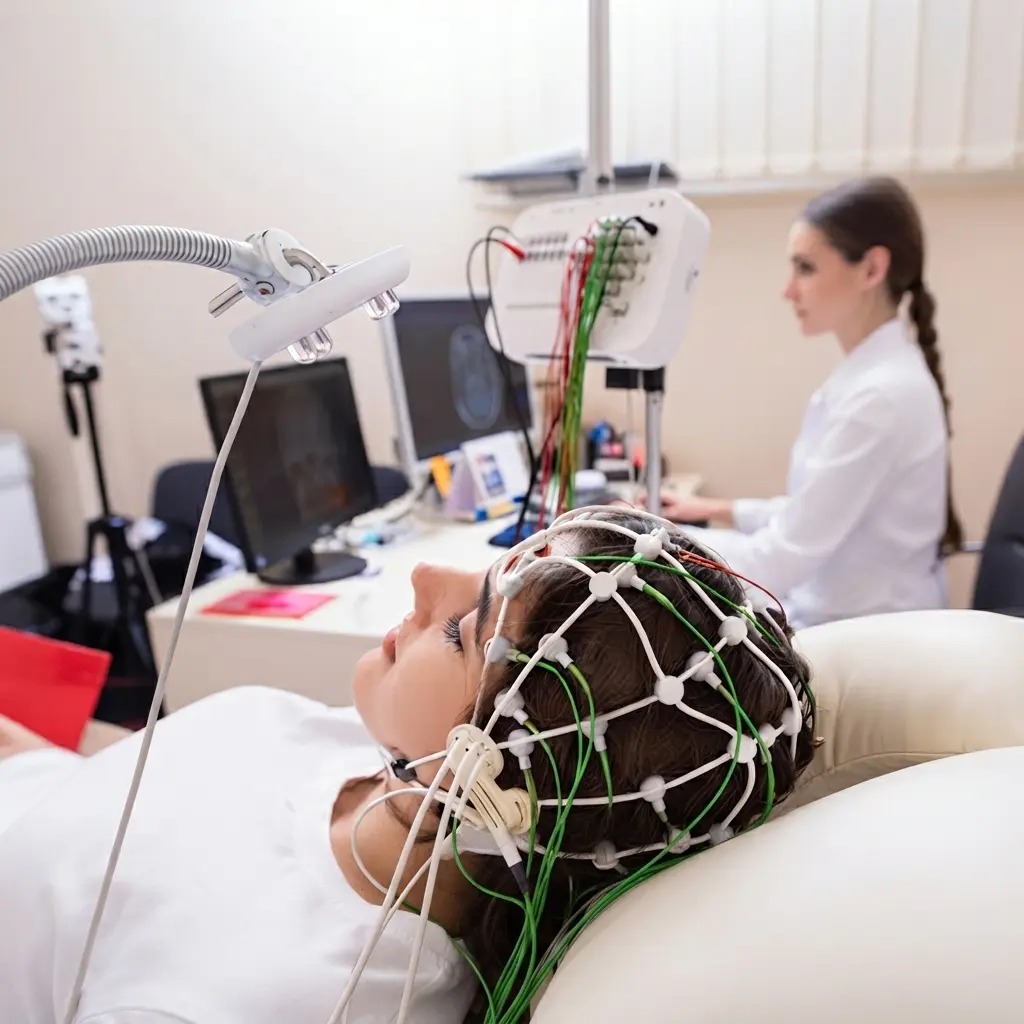
Electroencephalogram (EEG)
An EEG records electrical activity in the brain and may be used to investigate:
Seizures
Epilepsy
Unexplained episodes of altered awareness
Certain abnormal brain activities
Depending on clinical requirements, routine or extended EEG monitoring may be performed.
Video EEG Monitoring
Video EEG combines continuous EEG recording with video monitoring.
It may help specialists:
Record seizure activity
Correlate symptoms with brain activity
Classify seizure types
Support epilepsy diagnosis
Evaluate selected patients for advanced epilepsy treatment
Electromyography (EMG)
Electromyography evaluates the electrical activity of muscles.
It may assist in assessing conditions involving:
Muscle weakness
Nerve disorders
Neuromuscular conditions
Certain movement abnormalities
Nerve Conduction Studies
Nerve conduction studies assess how electrical signals travel through peripheral nerves.
They may help evaluate:
Peripheral neuropathy
Nerve compression
Nerve injury
Peripheral nerve disorders
Certain neuromuscular conditions
Brain Imaging
Neurodiagnostic evaluation may involve brain imaging when clinically appropriate.
Investigations may include:
MRI
CT scan
Specialized brain imaging
Imaging can help identify structural abnormalities affecting the brain or surrounding structures.
Spinal Imaging
When symptoms suggest a spinal or spinal-cord condition, diagnostic imaging may include:
MRI of the spine
CT scan
Other specialized spinal investigations
These tests can help assess spinal cord compression, structural abnormalities and other neurological conditions.
Laboratory Testing
Blood and other laboratory tests may be recommended to investigate potential causes of neurological symptoms.
Testing may assess:
Blood counts
Electrolytes
Metabolic factors
Vitamin levels
Inflammatory markers
Other condition-specific indicators
The specific tests depend on the patient's symptoms and clinical findings.
Cognitive and Neuropsychological Assessment
Some patients may require assessment of:
Memory
Attention
Concentration
Language
Processing abilities
Executive functions
Neuropsychological testing may provide additional information when cognitive symptoms are present.
Neuromuscular Diagnostic Assessment
Neurodiagnostic testing can assist in evaluating conditions affecting the relationship between:
Nerves
Muscles
Spinal cord
Peripheral nervous system
The diagnostic pathway depends on the patient's symptoms and examination findings.
Neurological Diagnosis and Treatment Planning
Results from neurodiagnostic investigations may help specialists:
Confirm or refine a diagnosis
Identify possible causes
Determine disease severity
Select appropriate treatment
Plan further investigations
Monitor treatment response
Specialist Review of Previous Diagnostic Tests
Patients may bring previous:
MRI scans
CT scans
EEG reports
EMG results
Nerve conduction studies
Laboratory results
Neurology reports
Specialists may review previous investigations alongside current symptoms and examination findings.
Neurodiagnostic Follow-Up
Repeat testing may be recommended to monitor:
Disease progression
Treatment response
Neurological recovery
Seizure activity
Nerve function
Muscle function
The frequency of testing depends on the underlying condition.
Neurodiagnostic Second Opinion
Patients may seek a neurodiagnostic second opinion regarding:
Previous test results
Neurological diagnosis
MRI or CT findings
EEG results
EMG findings
Nerve conduction studies
Proposed treatment
Relevant diagnostic records can be reviewed by specialists.
International Patient Neurodiagnostic Evaluation
International patients seeking neurodiagnostic evaluation in Sweden should provide relevant medical documentation whenever available.
Useful records may include:
Neurology reports
MRI or CT scans
EEG reports
EMG reports
Nerve conduction results
Laboratory reports
Previous treatment records
Medication list
Complete documentation can help specialists determine which additional investigations may be appropriate.
Benefits of Specialized Neurodiagnostic Evaluation
Specialized neurodiagnostic care may help:
Investigate unexplained neurological symptoms
Assess brain activity
Evaluate nerve function
Evaluate muscle function
Identify structural neurological abnormalities
Support epilepsy diagnosis
Investigate neuromuscular disorders
Review previous diagnostic findings
Support treatment planning
Monitor neurological conditions
Why Choose Karolinska University Hospital for Neurodiagnostic Evaluation?
Karolinska University Hospital is a major university hospital in Sweden providing specialized neurological, neurosurgical and diagnostic care.
Patients requiring complex neurological investigation may be evaluated through relevant specialist services according to their symptoms, diagnosis, medical needs and eligibility.
The specific diagnostic pathway depends on specialist assessment.
Cost & Price on Request
Price: Price on Request
The total cost depends on the diagnostic tests and specialist services required.
Potential costs may include:
Neurological consultation
Neurological examination
EEG
Video EEG
EMG
Nerve conduction studies
MRI or CT
Laboratory testing
Neuropsychological assessment
Specialist follow-up
A personalized cost estimate can be requested following specialist assessment.
Frequently Asked Questions
1. What is included in a neurodiagnostic evaluation?
It may include neurological examination, EEG, nerve and muscle testing, imaging, laboratory investigations or other specialized diagnostic tests depending on the patient's symptoms.
2. What is an EEG used for?
An EEG records electrical activity in the brain and can assist in evaluating seizures, epilepsy and certain other neurological conditions.
3. What are EMG and nerve conduction studies used for?
These tests assess muscle and peripheral nerve function and may help investigate nerve disorders, neuropathy, nerve compression and neuromuscular conditions.
4. Can I receive a neurodiagnostic second opinion in Sweden?
Patients may request specialist review of previous neurological investigations and diagnostic results, subject to applicable hospital requirements.
5. Can international patients receive neurodiagnostic evaluation in Sweden?
International patients may request specialist assessment subject to applicable hospital processes, medical requirements, eligibility and program availability.
Product Details
Product Name: Neurodiagnostic Evaluation
Hospital: Karolinska University Hospital
Brand: Karolinska University Hospital
Country: Sweden
Specialty: Neurology & Neurosurgery
Service Type: Neurodiagnostic Evaluation
Customer-Facing Price: Price on Request
International Patients: Subject to applicable eligibility and program requirements
Location: Stockholm, Sweden
Related products

Frequently Bought Together
No frequently bought products found!
Products from this Seller
View All





Chemotherapy at Mayo Clinic

Immunotherapy at Mayo Clinic

Medical Tourism





Share with Friends
Trading is more effective when you share products with friends!Share you link
Share to