














Stem Cell Therapy at Cleveland Clinic
Stem Cell Therapy provides specialized treatment using blood-forming stem cells to restore or replace damaged or diseased blood-forming tissues in selected medical conditions. In cancer care, stem cell transplantation may be used for certain blood cancers and disorders and can involve the patient's own stem cells or cells obtained from a suitable donor. Treatment is individualized based on the underlying disease, previous therapy, overall health and transplant requirements.
Price
Price on Request
Why Price on Request?
The cost of stem cell therapy depends on the underlying disease, type of stem cell treatment, stem cell collection, donor requirements, conditioning therapy, hospitalization, medications, laboratory testing, transplantation and follow-up care required. A personalized estimate is provided according to the patient's treatment plan.
Complete Description
What Is Stem Cell Therapy?
Stem Cell Therapy uses blood-forming stem cells as part of treatment for selected diseases affecting the blood, bone marrow and immune system.
In oncology and hematology, stem cell therapy may be performed as a stem cell transplant after appropriate conditioning treatment.
Who May Need Stem Cell Therapy?
Stem cell therapy may be considered for selected patients with:
Leukemia
Lymphoma
Multiple myeloma
Myelodysplastic syndromes
Selected bone marrow disorders
Certain blood-related diseases
Other conditions requiring stem cell replacement
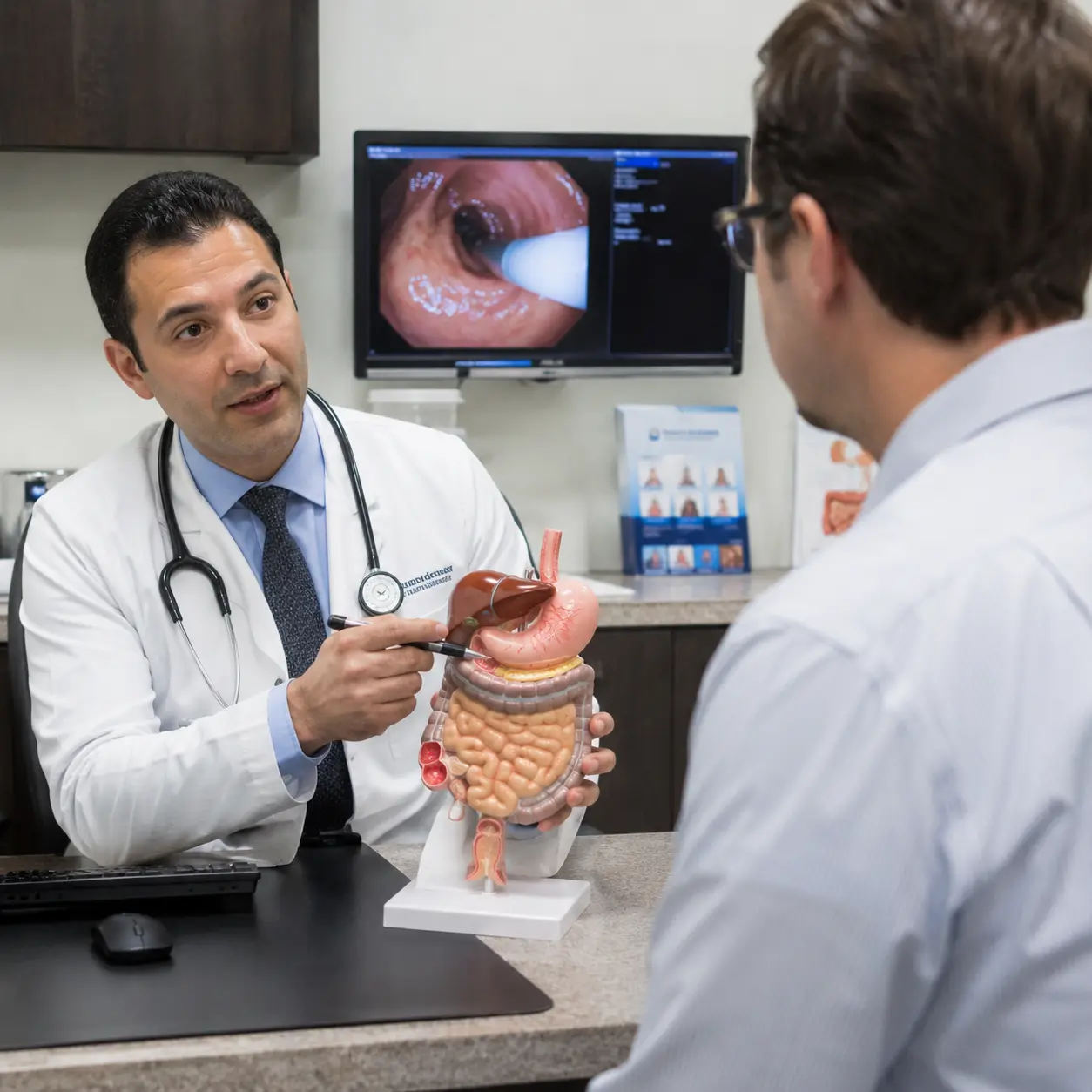
Stem Cell Therapy Consultation
A specialist consultation may include:
Detailed medical history
Disease history
Physical examination
Laboratory testing
Bone marrow evaluation
Imaging when appropriate
Previous treatment review
Assessment of treatment suitability
Stem Cell Therapy Evaluation
Before treatment, specialists may evaluate:
Underlying disease
Disease status
Previous treatments
Blood counts
Bone marrow function
Kidney function
Liver function
Heart and lung health
Infection status
Overall fitness for treatment
Autologous Stem Cell Therapy
Autologous stem cell therapy uses the patient's own stem cells.
The stem cells are collected before high-dose treatment and stored until they are needed for reinfusion.
This approach may be used for selected cancers, including certain cases of multiple myeloma and lymphoma.
Allogeneic Stem Cell Therapy
Allogeneic stem cell therapy uses stem cells from another person.
A suitable donor may be identified through:
Family matching
Unrelated donor matching
Other appropriate donor sources
Donor compatibility is assessed before transplantation.
Stem Cell Collection
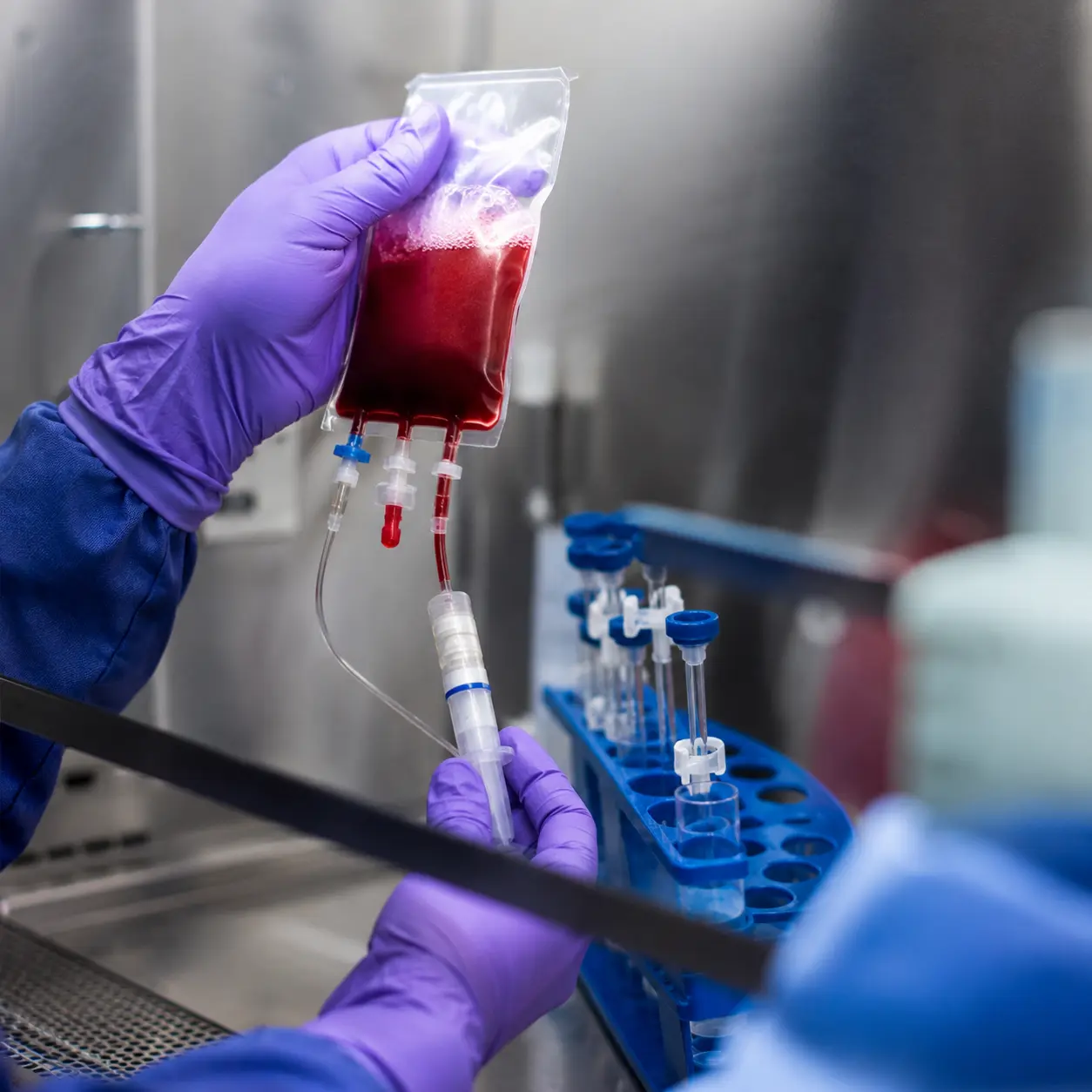
Stem cells can be collected from the bloodstream using a specialized procedure.
The process may involve:
Preparation of the patient or donor
Stem cell mobilization when appropriate
Blood collection
Stem cell separation
Cell processing and storage
Stem Cell Mobilization
For autologous transplantation, medicines may sometimes be used to encourage stem cells to move from the bone marrow into the bloodstream before collection.
Stem Cell Processing and Storage
After collection, stem cells may be processed and stored under controlled conditions until they are ready for transplantation.
Conditioning Treatment
Before stem cell infusion, selected patients receive conditioning treatment.
This may include:
High-dose chemotherapy
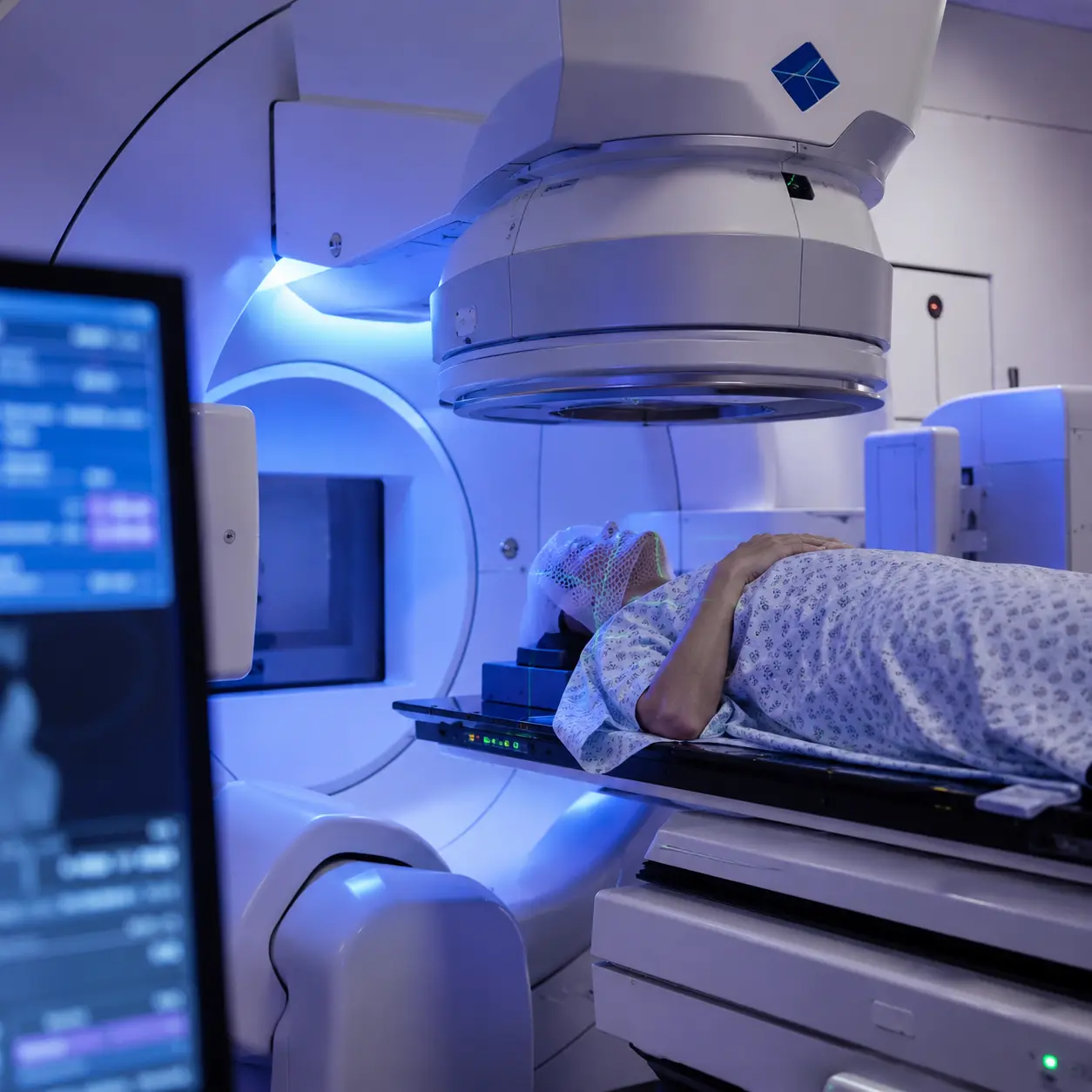
Radiation therapy
Other conditioning medicines
The purpose depends on the disease and type of transplant.
Stem Cell Infusion
After conditioning, collected stem cells are infused into the bloodstream.
The transplanted cells can travel to the bone marrow and begin producing new blood cells.
Stem Cell Engraftment
Engraftment occurs when transplanted stem cells begin producing healthy blood cells.
During this period, patients may require close monitoring and supportive treatment.
Stem Cell Therapy for Leukemia
Selected patients with leukemia may undergo stem cell transplantation.
Treatment selection depends on:
Leukemia subtype
Disease status
Genetic characteristics
Previous treatments
Overall health
Donor availability
Stem Cell Therapy for Lymphoma
Selected patients with lymphoma may receive autologous or allogeneic stem cell transplantation depending on the disease and treatment history.
Stem Cell Therapy for Multiple Myeloma
Autologous stem cell transplantation may be used for selected patients with multiple myeloma as part of a broader treatment plan.
Stem Cell Therapy for Bone Marrow Disorders
Certain bone marrow disorders may be treated with stem cell transplantation when appropriate.
Treatment decisions depend on disease characteristics, patient health and available treatment options.
Stem Cell Therapy for Blood Disorders
Selected non-cancerous blood or bone marrow disorders may also be evaluated for stem cell transplantation when clinically appropriate.
Stem Cell Therapy Monitoring
Patients may require close monitoring during and after treatment.
Monitoring may include:
Blood counts
Organ function
Infection status
Disease response
Stem cell engraftment
Treatment-related complications
Infection Prevention
After conditioning and transplantation, immune function may be reduced.
Care may include:
Infection monitoring
Preventive medications
Laboratory testing
Early treatment of infections
Appropriate protective measures
Blood Transfusion Support
Patients may require supportive transfusions during the period when blood counts are low.
Support may include:
Red blood cells
Platelets
Other clinically appropriate blood products
Graft-Versus-Host Disease
Patients receiving allogeneic stem cells may develop graft-versus-host disease, in which donor immune cells react against the recipient's tissues.
Transplant teams monitor for this complication and provide treatment when necessary.
Stem Cell Therapy Recovery
Recovery varies depending on:
Type of transplant
Underlying disease
Conditioning treatment
Complications
Immune recovery
Overall health
Patients may require regular medical follow-up during recovery.
Long-Term Follow-Up
Long-term follow-up may include:
Blood tests
Bone marrow evaluation
Disease surveillance
Infection monitoring
Immune recovery assessment
Organ function monitoring
Stem Cell Therapy Second Opinion
Patients who have received a recommendation for stem cell therapy may seek a stem cell transplant second opinion.
Specialists may review:
Disease diagnosis
Bone marrow results
Genetic testing
Previous treatments
Transplant indication
Donor information
Proposed treatment plan
International Patients
International patients should provide comprehensive medical records whenever possible.
Useful documents may include:
Bone marrow biopsy reports
Pathology reports
Genetic and molecular testing
Blood test results
Imaging studies
Previous chemotherapy records
Previous radiation records
Stem cell collection records
Transplant evaluations
Current medication list
Benefits of Specialized Stem Cell Therapy
Specialized stem cell therapy may help:
Evaluate transplant eligibility
Treat selected blood cancers
Replace damaged blood-forming cells
Provide autologous transplantation
Provide allogeneic transplantation
Coordinate stem cell collection
Support stem cell engraftment
Monitor transplant recovery
Manage transplant complications
Provide long-term follow-up
Why Choose Cleveland Clinic for Stem Cell Therapy?
Cleveland Clinic provides multidisciplinary hematology, oncology and transplant care involving hematologists, oncologists, transplant specialists, nurses, laboratory professionals and other healthcare specialists.
Treatment planning can integrate disease characteristics, previous therapy, stem cell availability, donor compatibility and overall health.
Cost & Price on Request
Price: Price on Request
The total cost of stem cell therapy depends on the underlying disease, treatment type and complexity of transplantation.
Potential costs may include:
Specialist consultation
Diagnostic testing
Bone marrow testing
Stem cell mobilization
Stem cell collection
Stem cell processing
Donor evaluation
Conditioning therapy
Stem cell infusion
Hospitalization
Medications
Blood transfusions
Infection management
GVHD management
Follow-up testing
Long-term follow-up care
A personalized cost estimate should be requested according to the patient's individual treatment plan.
Frequently Asked Questions
1. What conditions can stem cell therapy treat?
In cancer and hematology, stem cell therapy may be used for selected leukemias, lymphomas, multiple myeloma and certain bone marrow or blood disorders.
2. What is the difference between autologous and allogeneic stem cell therapy?
Autologous therapy uses the patient's own stem cells, while allogeneic therapy uses stem cells from a suitable donor.
3. How are stem cells collected?
Stem cells may be collected from the bloodstream through a specialized collection procedure, after appropriate preparation when required.
4. How long does recovery take after stem cell therapy?
Recovery varies according to the type of transplant, underlying disease, conditioning treatment, complications and immune recovery.
5. How much does stem cell therapy cost?
Price is available on request. The final cost depends on stem cell collection, conditioning treatment, transplantation, hospitalization, medications and follow-up care.
Product Details
Product Name: Stem Cell Therapy
Hospital: Cleveland Clinic
Brand: Cleveland Clinic
Country: United States
Specialty: Oncology & Cancer Care
Service Type: Stem Cell Therapy
Customer-Facing Price: Price on Request
International Patients: Available
Location: Cleveland, Ohio, USA
Related products








Frequently Bought Together
No frequently bought products found!
Products from this Seller
View All







Chemotherapy at Mayo Clinic

Immunotherapy at Mayo Clinic
Medical Tourism




Share with Friends
Trading is more effective when you share products with friends!Share you link
Share to