














Cancer Diagnosis & Evaluation at Cleveland Clinic
Cancer Diagnosis & Evaluation provides comprehensive assessment for patients with suspected, newly diagnosed or previously treated cancer. The evaluation may involve medical history, physical examination, laboratory testing, imaging, biopsy and pathology review to determine the type, location and extent of cancer. Additional molecular or genetic testing may be considered when appropriate to support accurate diagnosis and individualized treatment planning.
Price
Price on Request
Why Price on Request?
The cost of cancer diagnosis and evaluation depends on the type of suspected cancer, specialist consultation, laboratory testing, imaging, biopsy, pathology review, molecular testing and additional diagnostic procedures required. A personalized estimate is provided according to the patient's evaluation needs.
Complete Description
What Is Cancer Diagnosis & Evaluation?
Cancer Diagnosis & Evaluation focuses on identifying and characterizing cancer through a combination of clinical assessment, laboratory testing, imaging, tissue examination and other specialized diagnostic methods.
The evaluation may determine:
Whether cancer is present
Type of cancer
Location of cancer
Tumor characteristics
Cancer stage
Possible spread to other organs
Molecular characteristics of the tumor
Who May Need Cancer Evaluation?
Cancer diagnostic evaluation may be appropriate for:
Patients with symptoms suggestive of cancer
Patients with an abnormal imaging result
Patients with an abnormal laboratory finding
Patients with a newly discovered mass
Patients with a confirmed cancer diagnosis
Patients with recurrent cancer
Patients seeking a cancer second opinion
Medical History
The diagnostic process may begin with a detailed review of:
Current symptoms
Previous illnesses
Previous cancer history
Family cancer history
Medication history
Previous procedures
Previous imaging
Previous treatments
Physical Examination
A physical examination may help identify signs associated with the suspected condition.
Depending on the cancer type, evaluation may include assessment of:
Lymph nodes
Abdominal or chest findings
Skin changes
Swelling
Masses
Neurological function
Other relevant physical findings
Laboratory Testing
Blood and other laboratory tests may be used as part of the cancer evaluation.
Testing may assess:
Blood cell counts
Organ function
Electrolytes
Tumor-related markers when appropriate
Other disease-specific laboratory findings
Laboratory testing alone generally does not establish a cancer diagnosis and may be combined with other diagnostic methods.
Diagnostic Imaging
Imaging can help identify tumors and evaluate their location and extent.
Possible imaging studies include:
X-rays
Ultrasound
CT scans
MRI
PET scans
Other specialized imaging
The appropriate imaging depends on the suspected cancer.
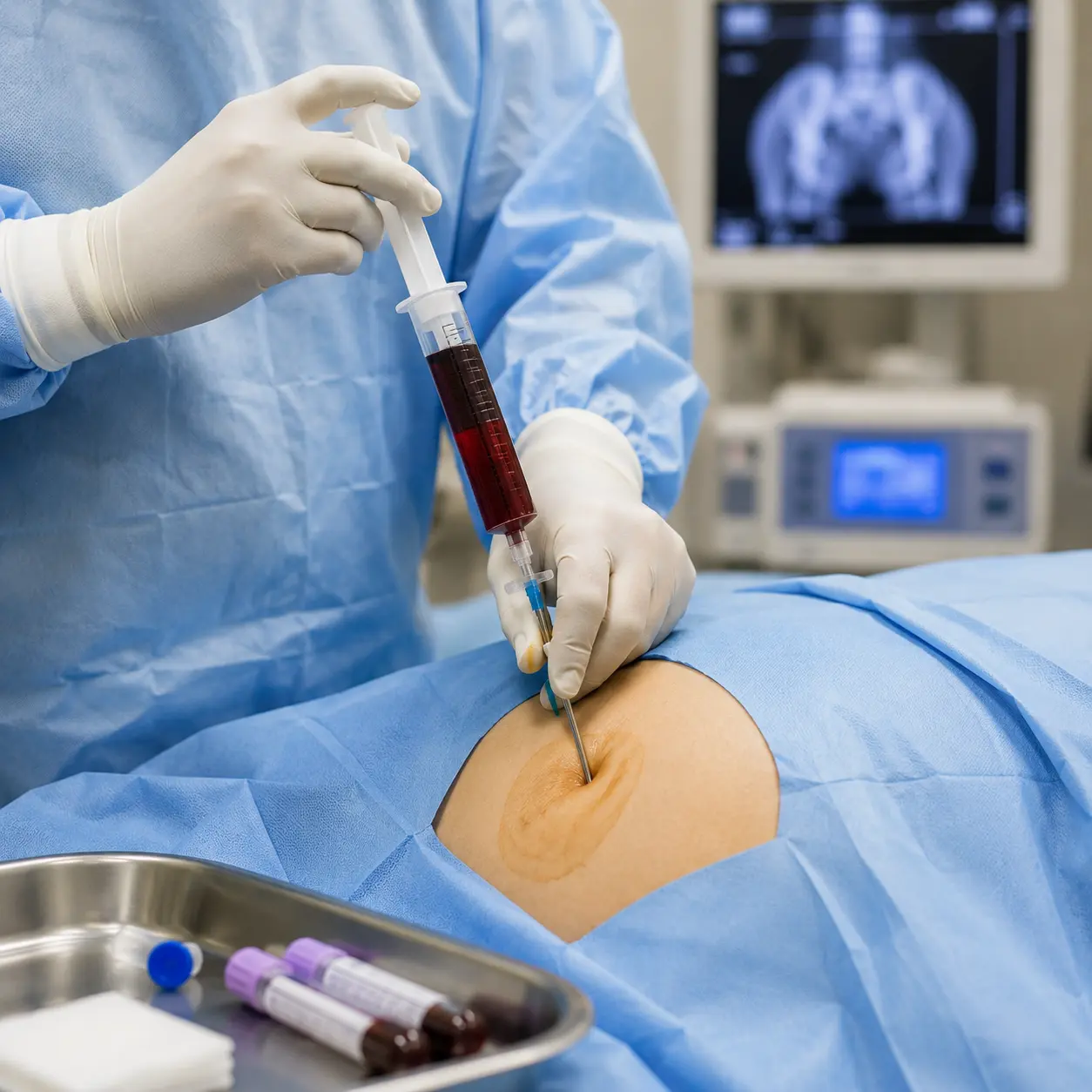
Biopsy
A biopsy involves obtaining a tissue or cell sample for examination.
Biopsy methods may vary according to the location of the suspected tumor and may include:
Needle biopsy
Image-guided biopsy
Endoscopic biopsy
Surgical biopsy
Other tissue-sampling techniques
Pathology Examination
A pathologist examines tissue or cell samples to determine the characteristics of a suspected cancer.
Pathology may help identify:
Cancer type
Cell characteristics
Tumor grade
Tissue features
Biomarkers
Cancer Type Identification
Accurate identification of the cancer type is important for treatment planning.
Cancer may be classified according to:
Organ of origin
Tissue type
Cell type
Molecular characteristics
Cancer Staging
Cancer staging determines how extensively cancer has developed or spread.
Evaluation may consider:
Primary tumor size
Lymph node involvement
Distant metastases
Imaging findings
Pathology findings
Tumor Grading
Tumor grading describes characteristics of cancer cells and may provide information about how abnormal they appear under microscopic examination.
The grade may contribute to treatment planning for certain cancers.
Lymph Node Evaluation
Depending on the type of cancer, specialists may evaluate nearby lymph nodes for possible cancer involvement.
Evaluation may involve:
Imaging
Needle sampling
Biopsy
Surgical evaluation
Metastatic Cancer Evaluation
When cancer may have spread beyond its original location, additional testing may be required.
Evaluation can include:
CT imaging
MRI
PET imaging
Bone imaging when appropriate
Biopsy of suspicious areas
PET Scan Evaluation
A PET scan may be used for selected cancers to identify areas of increased metabolic activity.
It may help evaluate:
Primary cancer
Possible metastatic disease
Treatment response
Cancer recurrence
MRI Cancer Evaluation
MRI provides detailed images of soft tissues and may be particularly useful for evaluating selected tumors involving:
Brain
Spine
Pelvis
Musculoskeletal tissues
Other organs
CT Cancer Evaluation
CT scans can provide detailed cross-sectional images of the body.
They may help evaluate:
Tumor location
Tumor size
Lymph nodes
Nearby structures
Possible metastatic disease
Molecular Cancer Testing
Selected tumors may undergo molecular testing to identify genetic or molecular changes.
Testing may help identify:
Biomarkers
Gene alterations
Potential treatment targets
Eligibility for certain targeted therapies
Genetic Evaluation
Some cancers may have an inherited component.
Genetic evaluation may be considered based on:
Family history
Age at diagnosis
Cancer type
Multiple cancers
Other clinical factors
Cancer Recurrence Evaluation
Patients with a history of cancer may require evaluation when recurrence is suspected.
Assessment may include:
Physical examination
Laboratory testing
Imaging
Biopsy
Pathology review
Molecular testing when appropriate
Cancer Treatment Response Evaluation
Diagnostic testing may also be used to assess how a cancer responds to treatment.
Follow-up evaluation may include:
Imaging
Laboratory tests
Physical examination
Tumor markers when appropriate
Pathology in selected situations
Multidisciplinary Diagnostic Evaluation
Complex cancer diagnoses may require collaboration between multiple specialists.
The care team may include:
Medical oncologists
Surgical oncologists
Radiation oncologists
Pathologists
Radiologists
Genetic specialists
Other healthcare professionals
Cancer Diagnosis Second Opinion
Patients who have already received a cancer diagnosis may seek a diagnostic second opinion.
Specialists may review:
Biopsy results
Pathology reports
Pathology slides when available
CT scans
MRI scans
PET scans
Laboratory results
Previous medical records
International Patients
International patients should provide relevant diagnostic records whenever possible.
Useful documents may include:
Biopsy reports
Pathology reports
Pathology slides or tissue when available
CT scans
MRI scans
PET scans
Laboratory results
Previous treatment records
Current medication list
Benefits of Specialized Cancer Diagnosis & Evaluation
Specialized cancer evaluation may help:
Identify suspected cancer
Confirm a diagnosis
Determine cancer type
Establish cancer stage
Evaluate tumor characteristics
Identify possible metastasis
Review pathology
Identify molecular biomarkers
Support personalized treatment planning
Provide diagnostic second opinions
Why Choose Cleveland Clinic for Cancer Diagnosis & Evaluation?
Cleveland Clinic provides multidisciplinary diagnostic and cancer-care services involving oncologists, pathologists, radiologists, surgeons and other specialists.
Depending on the patient's condition, the evaluation may combine imaging, pathology, laboratory testing, molecular analysis and specialist consultation to support an individualized diagnosis and treatment strategy.
Cost & Price on Request
Price: Price on Request
The total cost of cancer diagnosis and evaluation depends on the suspected cancer and diagnostic services required.
Potential costs may include:
Oncology consultation
Physical examination
Blood tests
Imaging
CT scan
MRI
PET scan
Biopsy
Pathology review
Molecular testing
Genetic evaluation
Follow-up consultation
A personalized cost estimate should be requested according to the patient's individual diagnostic requirements.
Frequently Asked Questions
1. How is cancer diagnosed?
Cancer diagnosis may involve medical evaluation, imaging, laboratory testing, biopsy and pathology examination, depending on the suspected cancer.
2. Is a biopsy always required to diagnose cancer?
Not always. The need for a biopsy depends on the suspected cancer, imaging findings and clinical circumstances. When tissue confirmation is necessary, a biopsy may be performed.
3. What imaging tests may be used for cancer evaluation?
Depending on the condition, evaluation may include CT, MRI, PET scans, ultrasound or X-rays.
4. Can I get a second opinion on my cancer diagnosis?
Yes. Specialists can review pathology, imaging, laboratory results and previous medical records to provide an additional diagnostic opinion.
5. How much does cancer diagnosis and evaluation cost?
Price is available on request. The final cost depends on consultation, imaging, laboratory testing, biopsy, pathology and other diagnostic services required.
Product Details
Product Name: Cancer Diagnosis & Evaluation
Hospital: Cleveland Clinic
Brand: Cleveland Clinic
Country: United States
Specialty: Oncology & Cancer Care
Service Type: Cancer Diagnosis & Evaluation
Customer-Facing Price: Price on Request
International Patients: Available
Location: Cleveland, Ohio, USA
Related products








Frequently Bought Together
No frequently bought products found!
Products from this Seller
View All








Chemotherapy at Mayo Clinic

Immunotherapy at Mayo Clinic


Medical Tourism




Share with Friends
Trading is more effective when you share products with friends!Share you link
Share to