














Radiation Oncology at Cleveland Clinic
Radiation Oncology provides specialized cancer treatment using high-energy radiation to target and destroy cancer cells while protecting surrounding healthy tissues whenever possible. Radiation oncologists develop individualized treatment plans based on the cancer type, location, stage, tumor characteristics and previous treatments. Radiation therapy may be used as the primary treatment or combined with surgery, chemotherapy, immunotherapy or other cancer treatments.
Price
Price on Request
Why Price on Request?
The cost of radiation oncology depends on the cancer type and location, radiation oncology consultation, imaging, treatment planning, radiation technique, number of treatment sessions, equipment, medications and follow-up care required. A personalized estimate is provided according to the patient's treatment plan.
Complete Description
What Is Radiation Oncology?
Radiation Oncology is a specialized field of cancer care that uses radiation therapy to treat malignant and selected benign tumors.
Radiation therapy may be used to:
Destroy cancer cells
Shrink tumors
Reduce the risk of cancer recurrence
Control cancer growth
Relieve cancer-related symptoms
Radiation Oncology Consultation
A radiation oncology consultation may include:
Detailed medical history
Cancer history
Physical examination
Review of pathology
Review of imaging
Cancer staging
Previous treatment assessment
Radiation treatment planning discussion
Radiation Treatment Planning
Radiation treatment is carefully planned according to:
Tumor location
Tumor size
Cancer stage
Nearby organs
Previous radiation treatment
Overall health
Treatment goals
External Beam Radiation Therapy
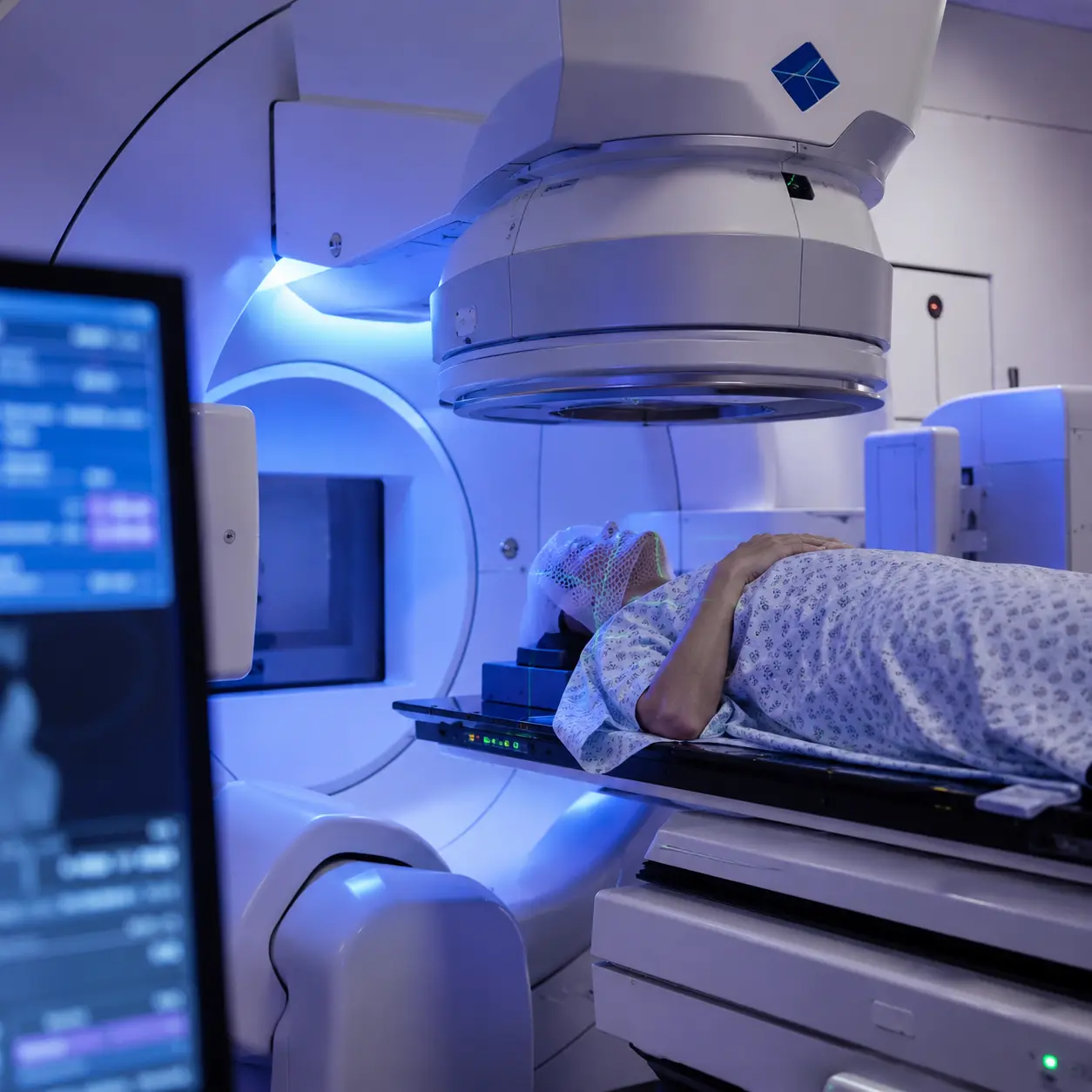
External beam radiation therapy delivers radiation from a machine outside the body toward the tumor.
It may be used for many different types of cancer.
Treatment planning is designed to deliver the appropriate radiation dose while minimizing exposure to surrounding healthy tissues.
Intensity-Modulated Radiation Therapy
Intensity-modulated radiation therapy (IMRT) uses computer-controlled radiation beams with varying intensities.
It may help shape the radiation dose around tumors while reducing radiation exposure to selected nearby tissues.
Image-Guided Radiation Therapy
Image-guided radiation therapy (IGRT) uses imaging during treatment to help accurately position the patient and target the treatment area.
It may be useful when tumors are near sensitive organs or when precise positioning is important.
Stereotactic Radiation Therapy
Stereotactic radiation techniques deliver highly focused radiation to selected tumors.
Depending on the treatment location, approaches may include:
Stereotactic radiosurgery
Stereotactic body radiation therapy
The appropriate technique depends on the tumor and treatment goals.
Stereotactic Radiosurgery
Despite its name, stereotactic radiosurgery is generally a non-invasive radiation treatment rather than conventional surgery.
It may be used for selected tumors involving:
Brain
Head
Other appropriate locations
Stereotactic Body Radiation Therapy
SBRT delivers highly focused radiation to selected tumors outside the brain.
It may be considered for certain cancers involving:
Lung
Liver
Spine
Other selected areas
Brachytherapy
Brachytherapy places radioactive material inside or near the tumor.
It may be used for selected cancers depending on:
Tumor location
Cancer type
Treatment goals
Previous treatment
Radiation Therapy Before Surgery
Radiation may sometimes be administered before surgery.
Potential goals may include:
Shrinking the tumor
Reducing local disease
Improving surgical treatment options
Radiation Therapy After Surgery
Radiation may be recommended after surgery to reduce the risk of cancer returning in the treated area.
The decision depends on the cancer type and individual risk factors.
Radiation With Chemotherapy
Some cancers may be treated with radiation and chemotherapy together.
This combined approach may help increase treatment effectiveness in selected cancers.
Radiation With Immunotherapy
In selected cancer situations, radiation may be incorporated into treatment plans that also include immunotherapy.
Treatment decisions depend on the specific diagnosis and clinical circumstances.
Radiation for Advanced Cancer
Radiation therapy may be used to control selected tumors or cancer-related symptoms in patients with advanced disease.
It may help manage:
Pain
Bleeding
Tumor-related pressure
Other localized cancer symptoms
Radiation for Bone Metastases
Cancer that has spread to the bones may cause pain or other complications.
Radiation therapy can be used in selected cases to help:
Reduce pain
Control tumor growth
Improve local symptoms
Radiation for Brain Tumors
Selected brain tumors may be treated with radiation therapy.
Treatment may involve:
Conventional radiation
Stereotactic radiation
Other specialized radiation techniques
The appropriate approach depends on tumor type, size, location and previous treatment.
Radiation for Lung Cancer
Radiation therapy may be used for selected lung cancers.
Treatment may involve:
Conventional external beam radiation
IMRT
Image-guided treatment
SBRT
Combined treatment approaches
Radiation for Prostate Cancer
Radiation therapy is an important treatment option for selected prostate cancers.
Treatment may involve:
External beam radiation
Image-guided radiation
Other specialized techniques
Brachytherapy in appropriate cases
Radiation for Breast Cancer
Radiation therapy may be recommended for selected breast cancer patients following breast-conserving surgery or in other appropriate circumstances.
Treatment is designed to target areas at risk while limiting radiation exposure to surrounding tissues.
Radiation for Gastrointestinal Cancers
Radiation therapy may be used for selected cancers affecting the:
Rectum
Esophagus
Stomach
Liver
Pancreas
Other gastrointestinal structures
Radiation for Head and Neck Cancer
Radiation therapy may be used to treat selected cancers involving the:
Mouth
Throat
Larynx
Neck
Other head and neck structures
Treatment planning may focus on protecting important nearby organs and tissues.
Radiation Treatment Sessions
The number of radiation sessions varies according to:
Cancer type
Treatment technique
Radiation dose
Treatment goals
Patient-specific factors
Some treatments require multiple sessions, while selected highly focused techniques may require fewer treatments.
Radiation Treatment Side Effects
Possible side effects depend on the treatment area, radiation dose and individual patient.
Potential effects may include:
Fatigue
Skin changes
Local irritation
Changes in appetite
Treatment-area symptoms
Other location-specific effects
Radiation Side-Effect Management
The radiation oncology team monitors patients during treatment and may provide supportive measures to help manage treatment-related effects.
Radiation Treatment Monitoring
Patients may receive regular assessments during radiation therapy.
Monitoring may include:
Physical examination
Treatment response assessment
Side-effect evaluation
Imaging when appropriate
Treatment plan adjustments when clinically necessary
Follow-Up After Radiation Therapy
After treatment, follow-up may include:
Physical examinations
Imaging
Laboratory testing when appropriate
Monitoring for recurrence
Assessment of treatment effects
Radiation Oncology Second Opinion
Patients who have received a recommendation for radiation therapy may seek a radiation oncology second opinion.
Specialists may review:
Pathology reports
CT scans
MRI scans
PET scans
Previous radiation plans
Cancer staging
Proposed treatment approach
International Patients
International patients should provide relevant cancer records whenever possible.
Useful documents may include:
Pathology reports
Biopsy reports
CT scans
MRI scans
PET scans
Previous radiation treatment records
Previous chemotherapy records
Surgical reports
Laboratory results
Current medication list
Benefits of Specialized Radiation Oncology
Specialized radiation oncology may help:
Treat localized cancers
Shrink tumors
Reduce the risk of recurrence
Provide highly focused radiation treatment
Treat selected metastatic tumors
Relieve cancer-related symptoms
Coordinate radiation with surgery
Coordinate radiation with systemic therapy
Provide individualized treatment planning
Provide radiation oncology second opinions
Why Choose Cleveland Clinic for Radiation Oncology?
Cleveland Clinic provides multidisciplinary cancer care involving radiation oncologists, medical oncologists, surgical oncologists, radiologists, physicists, radiation therapists and other cancer-care professionals.
Treatment planning can integrate advanced imaging, cancer pathology, staging information and other clinical factors to develop an individualized radiation treatment approach.
Cost & Price on Request
Price: Price on Request
The total cost of radiation oncology depends on the cancer diagnosis, treatment technique and number of radiation sessions required.
Potential costs may include:
Radiation oncology consultation
Imaging
Treatment planning
Radiation therapy
Radiation treatment sessions
Specialized radiation techniques
Medications
Side-effect management
Follow-up imaging
Follow-up consultations
A personalized cost estimate should be requested according to the patient's individual treatment plan.
Frequently Asked Questions
1. What does radiation oncology treat?
Radiation oncology treats many types of cancer using high-energy radiation, either as the primary treatment or together with surgery, chemotherapy or other cancer therapies.
2. Is radiation therapy painful?
The radiation treatment itself is generally not felt, although some patients may develop side effects related to the treated area during or after a course of treatment.
3. How many radiation sessions are needed?
The number of sessions varies depending on the cancer type, location, treatment technique, dose and individual treatment plan.
4. Can radiation therapy be combined with chemotherapy?
Yes. Some cancers are treated with radiation and chemotherapy together, depending on the diagnosis and treatment strategy.
5. How much does radiation oncology treatment cost?
Price is available on request. The final cost depends on consultation, treatment planning, radiation technique, number of sessions and follow-up care.
Product Details
Product Name: Radiation Oncology
Hospital: Cleveland Clinic
Brand: Cleveland Clinic
Country: United States
Specialty: Oncology & Cancer Care
Service Type: Radiation Oncology
Customer-Facing Price: Price on Request
International Patients: Available
Location: Cleveland, Ohio, USA
Related products








Frequently Bought Together
No frequently bought products found!
Products from this Seller
View All







Chemotherapy at Mayo Clinic

Immunotherapy at Mayo Clinic


Medical Tourism




Share with Friends
Trading is more effective when you share products with friends!Share you link
Share to