













Spine Surgery at Mayo Clinic
Spine Surgery provides specialized surgical evaluation and treatment for complex conditions affecting the spine, spinal cord, nerves, discs and supporting structures. Mayo Clinic specialists assess each patient's symptoms, imaging and medical history to determine whether surgery is appropriate and identify the most suitable treatment approach.
Price: Price on Request
Why Price on Request?
The cost of spine surgery depends on the type and complexity of the spinal condition, surgical technique, diagnostic imaging, anesthesia, hospital stay, implants, rehabilitation and postoperative care. A personalized cost estimate is provided after specialist evaluation.
Complete Description
What Is Spine Surgery?
Spine surgery includes surgical procedures used to treat selected disorders affecting the vertebrae, spinal discs, spinal nerves and related structures.
Surgery may be considered when a spinal condition causes:
Persistent or severe pain
Nerve compression
Weakness
Numbness
Difficulty walking
Spinal instability
Significant functional limitations
Progressive neurological symptoms
The appropriate treatment depends on the patient's diagnosis, symptoms, imaging and overall health.
Conditions Treated with Spine Surgery
Spine specialists may evaluate and surgically treat selected cases involving:
Herniated discs
Spinal stenosis
Degenerative disc disease
Spondylolisthesis
Spinal deformities
Scoliosis
Spinal fractures
Spinal tumors
Spinal cord compression
Nerve compression
Complex spinal disorders
Herniated Disc Treatment
A herniated disc occurs when material from a spinal disc extends beyond its normal position and may compress nearby nerves.
Symptoms may include:
Back pain
Neck pain
Leg pain
Arm pain
Numbness
Tingling
Muscle weakness
Many cases can be treated without surgery. Surgery may be considered when symptoms persist or significant nerve compression is present.
Spinal Stenosis Surgery
Spinal stenosis occurs when spaces within the spine become narrowed and place pressure on the spinal cord or nerves.
Symptoms may include:
Back pain
Leg pain
Numbness
Weakness
Difficulty walking
Reduced physical activity
Selected patients may benefit from procedures designed to relieve pressure on the affected nerves.
Degenerative Disc Disease
Degenerative changes in spinal discs can contribute to:
Chronic back pain
Neck pain
Reduced mobility
Nerve compression
Spinal instability
Treatment depends on the severity of degeneration and associated symptoms.
Spinal Fusion
Spinal fusion is a surgical technique used to join selected vertebrae together to improve stability.
It may be considered for certain conditions involving:
Spinal instability
Degenerative disease
Spondylolisthesis
Deformity
Certain fractures
Other complex spinal conditions
The need for fusion depends on the individual diagnosis.
Spinal Decompression
Spinal decompression surgery aims to relieve pressure on the spinal cord or nerves.
Depending on the condition, decompression may involve removing or modifying structures that are contributing to nerve compression.
It may be considered for selected cases of:
Spinal stenosis
Herniated discs
Nerve compression
Other compressive spinal disorders
Scoliosis and Spinal Deformity Surgery
Scoliosis and other spinal deformities can sometimes require surgical treatment.
Surgical evaluation may consider:
Degree of spinal curvature
Progression of deformity
Pain
Neurological symptoms
Functional limitations
Overall health
Treatment is individualized according to the patient's condition.
Spinal Fracture Surgery
Certain spinal fractures may require surgical treatment, particularly when there is:
Spinal instability
Significant deformity
Nerve or spinal cord compression
Severe structural damage
Treatment depends on fracture location, severity and associated injuries.
Spinal Tumor Surgery
Selected spinal tumors may require surgical evaluation and treatment.
Specialists may assess:
Tumor location
Size
Type
Spinal cord involvement
Nerve compression
Overall health
Complex cases may involve collaboration with oncology, radiology, neurology and other specialties.
Neck and Cervical Spine Surgery
Cervical spine surgery may be considered for selected conditions affecting the neck and upper spine.
Potential conditions include:
Cervical disc herniation
Cervical spinal stenosis
Nerve compression
Spinal cord compression
Cervical instability
Certain fractures
Treatment depends on the underlying condition.
Lower Back and Lumbar Spine Surgery
Lumbar spine surgery may be considered for selected conditions involving the lower back.
These may include:
Lumbar disc herniation
Lumbar spinal stenosis
Spondylolisthesis
Degenerative spinal disease
Nerve compression
Certain spinal deformities
Minimally Invasive Spine Surgery
When appropriate, surgeons may use minimally invasive spinal techniques.
Potential advantages may include:
Smaller incisions
Reduced tissue disruption
Potentially reduced postoperative discomfort
Potentially faster early recovery
The suitability of minimally invasive surgery depends on the patient's condition and procedure.
Pre-Surgical Spine Evaluation
Before surgery, specialists may assess:
Pain location and severity
Neurological symptoms
Muscle strength
Reflexes
Sensation
Mobility
Previous treatments
Previous surgeries
Medical history
This evaluation helps determine whether surgery is appropriate.
Diagnostic Imaging
Spinal evaluation may include:
X-rays
MRI
CT scan
Specialized spinal imaging
Other diagnostic investigations when necessary
Imaging can help identify disc problems, nerve compression, fractures, deformities, tumors and other structural abnormalities.
Non-Surgical Treatment Before Surgery
Spine surgery is not always the first treatment option.
Depending on the diagnosis, treatment may include:
Physical therapy
Exercise
Medication
Activity modification
Injections when appropriate
Weight management
Other conservative treatments
Surgery may be considered when symptoms persist or when there is a medical indication for surgical intervention.
Spine Rehabilitation
Rehabilitation may be an important part of recovery after spine surgery.
It may focus on:
Improving mobility
Restoring strength
Improving flexibility
Supporting safe movement
Returning to daily activities
Improving functional independence
The rehabilitation plan is individualized.
Recovery After Spine Surgery
Recovery varies according to:
Type of surgery
Location of the spine treated
Complexity of the procedure
Overall health
Preoperative condition
Rehabilitation progress
Postoperative care may include:
Pain management
Mobility training
Physical therapy
Wound care
Activity restrictions
Follow-up imaging
Follow-up consultations
Potential Risks and Complications
Spine surgery is a major medical procedure and may involve risks such as:
Infection
Bleeding
Blood clots
Nerve injury
Spinal cord injury
Persistent pain
Spinal fluid leakage
Failure of fusion
Implant-related complications
Recurrent symptoms
Other procedure-specific complications
The surgical team discusses individual risks before treatment.
Revision Spine Surgery
Some patients who have undergone previous spinal surgery may require revision surgery.
Possible reasons include:
Persistent or recurrent symptoms
Hardware problems
Nonunion or failure of fusion
Recurrent nerve compression
Spinal instability
Other postoperative complications
Revision procedures can be more complex and require detailed evaluation.
Second Opinion for Spine Surgery
Patients who have received a recommendation for spine surgery may seek a specialist second opinion.
The specialist may review:
MRI scans
CT scans
X-rays
Previous surgical reports
Neurological examination
Previous treatments
Proposed surgical plan
This can help clarify whether surgery is appropriate and what treatment alternatives may exist.
Multidisciplinary Spine Care
Complex spine cases may involve collaboration between:
Spine surgeons
Orthopedic specialists
Neurosurgeons
Neurologists
Physical medicine and rehabilitation specialists
Radiologists
Pain specialists
Oncologists when appropriate
Physical therapists
This coordinated approach can support comprehensive treatment of complex spinal disorders.
International Patients
International patients should provide relevant medical documentation whenever possible.
Useful records may include:
MRI scans
CT scans
X-rays
Previous spine consultation reports
Surgical reports
Neurological evaluation
Physical therapy records
Medication list
Complete medical information can help specialists plan an appropriate evaluation.
Benefits of Specialized Spine Surgery
Specialized spine care may help:
Relieve nerve compression
Treat selected spinal disorders
Improve spinal stability
Address spinal deformities
Treat certain spinal fractures
Manage selected spinal tumors
Improve mobility and function
Provide minimally invasive options when appropriate
Provide revision surgery for selected cases
Support structured rehabilitation
Why Choose Mayo Clinic for Spine Surgery?
Mayo Clinic provides specialized evaluation and treatment for complex spinal conditions through coordinated care involving relevant surgical and medical specialists.
Depending on individual needs, care may involve spine surgery, neurosurgery, orthopedic specialists, neurology, radiology, rehabilitation and pain management.
Cost & Price on Request
Price: Price on Request
The total cost of spine surgery depends on the diagnosis and complexity of treatment.
Potential costs may include:
Specialist consultation
Diagnostic imaging
Preoperative testing
Surgical procedure
Implants or hardware
Anesthesia
Hospital stay
Medications
Rehabilitation
Follow-up care
A personalized cost estimate should be requested after specialist evaluation.
Frequently Asked Questions
1. When is spine surgery recommended?
Spine surgery may be considered when a patient has persistent symptoms despite appropriate non-surgical treatment, significant nerve or spinal cord compression, instability, deformity or another condition requiring surgical treatment.
2. Does every herniated disc require surgery?
No. Many herniated discs improve with conservative treatment. Surgery may be considered when symptoms persist or significant neurological problems develop.
3. What is spinal fusion?
Spinal fusion is a surgical technique used to join selected vertebrae to improve stability in certain spinal conditions.
4. Can I get a second opinion before spine surgery?
Yes. A spine specialist can review your imaging, medical history, neurological findings and proposed surgical plan to provide an additional expert assessment.
5. How much does spine surgery cost?
Price is available on request. The final cost depends on the type of surgery, complexity, implants, anesthesia, hospital services, rehabilitation and follow-up care.
Product Details
Product Name: Spine Surgery
Hospital: Mayo Clinic – Rochester
Brand: Mayo Clinic
Country: United States
Specialty: Orthopedics
Service Type: Spine Surgery
Dashboard Price: 0
Customer-Facing Price: Price on Request
International Patients: Available
Location: Rochester, Minnesota, USA
Related products




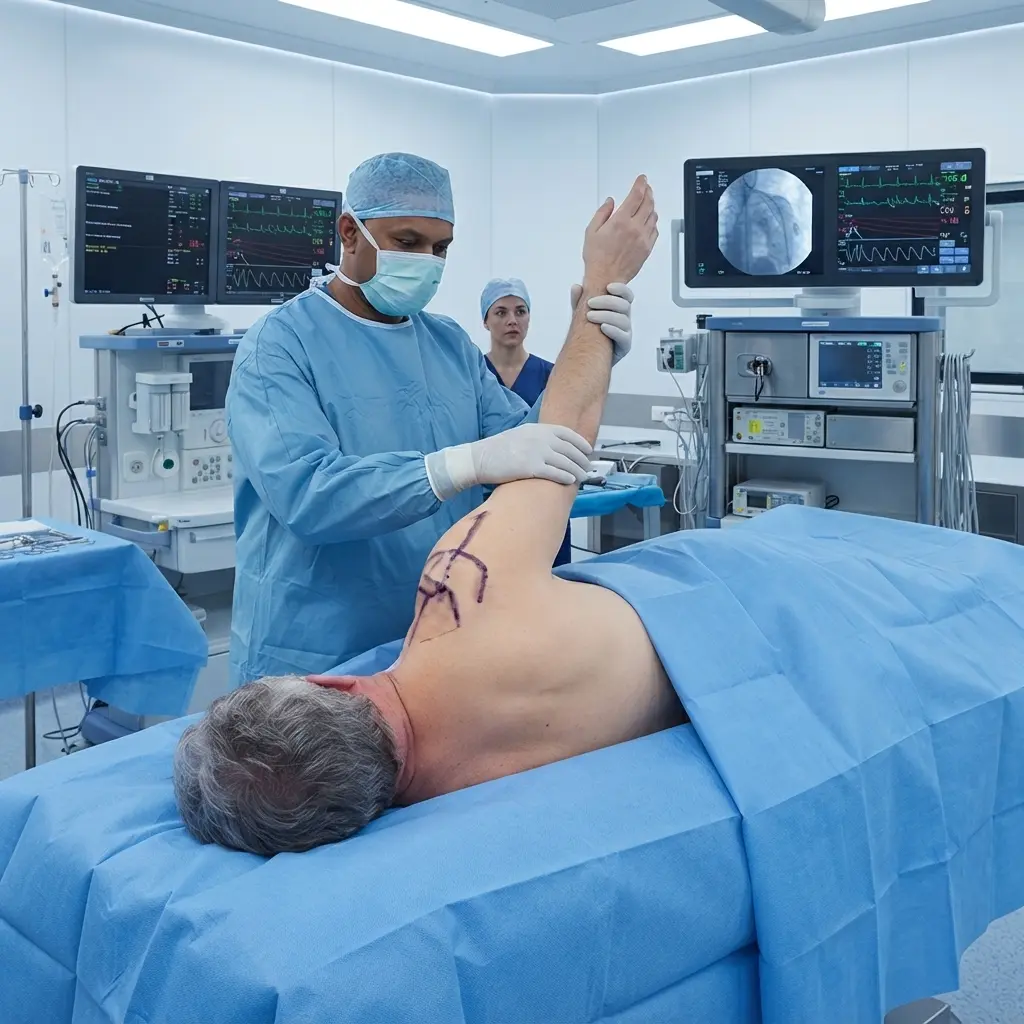
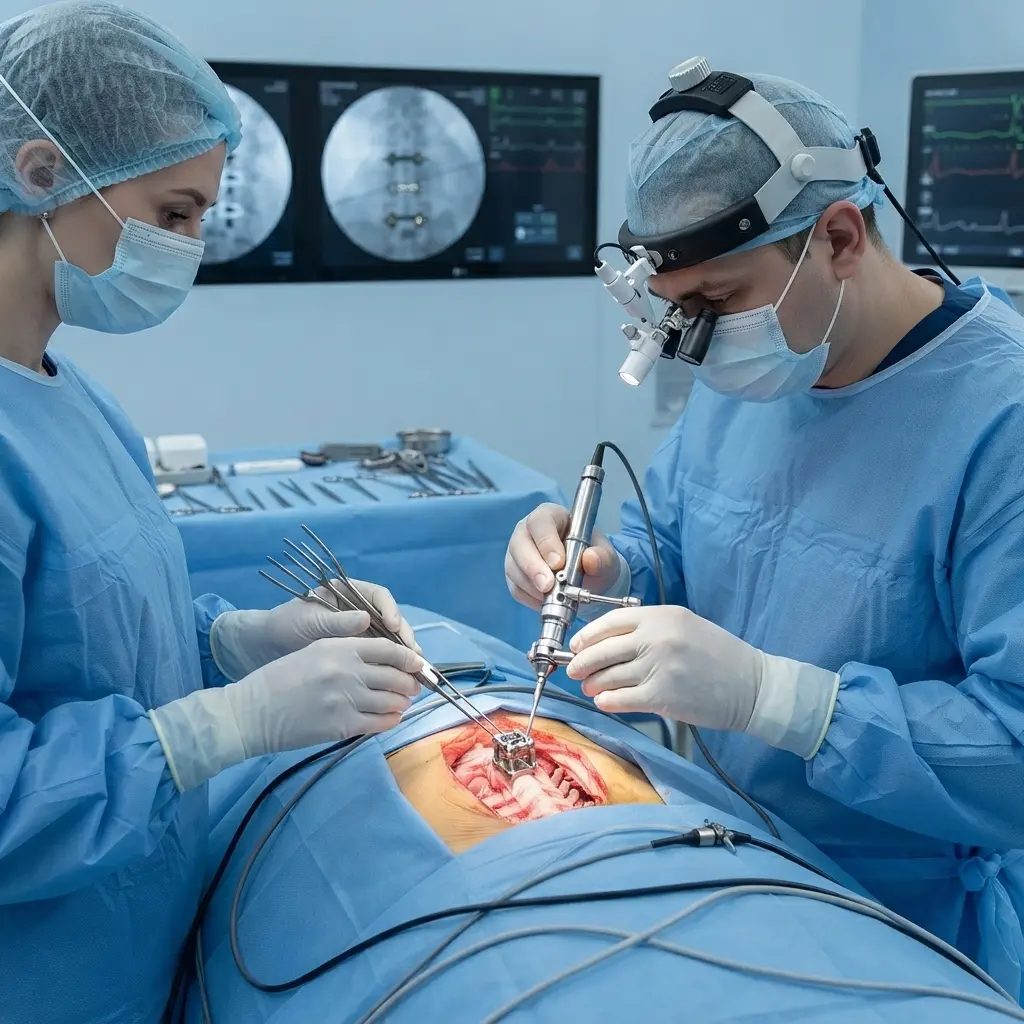
Spine Surgery at Mayo Clinic




Frequently Bought Together
No frequently bought products found!
Products from this Seller
View All










Chemotherapy at Mayo Clinic

Immunotherapy at Mayo Clinic



Medical Tourism





Share with Friends
Trading is more effective when you share products with friends!Share you link
Share to