








Orthopedic Rehabilitation at Mayo Clinic
Short Description
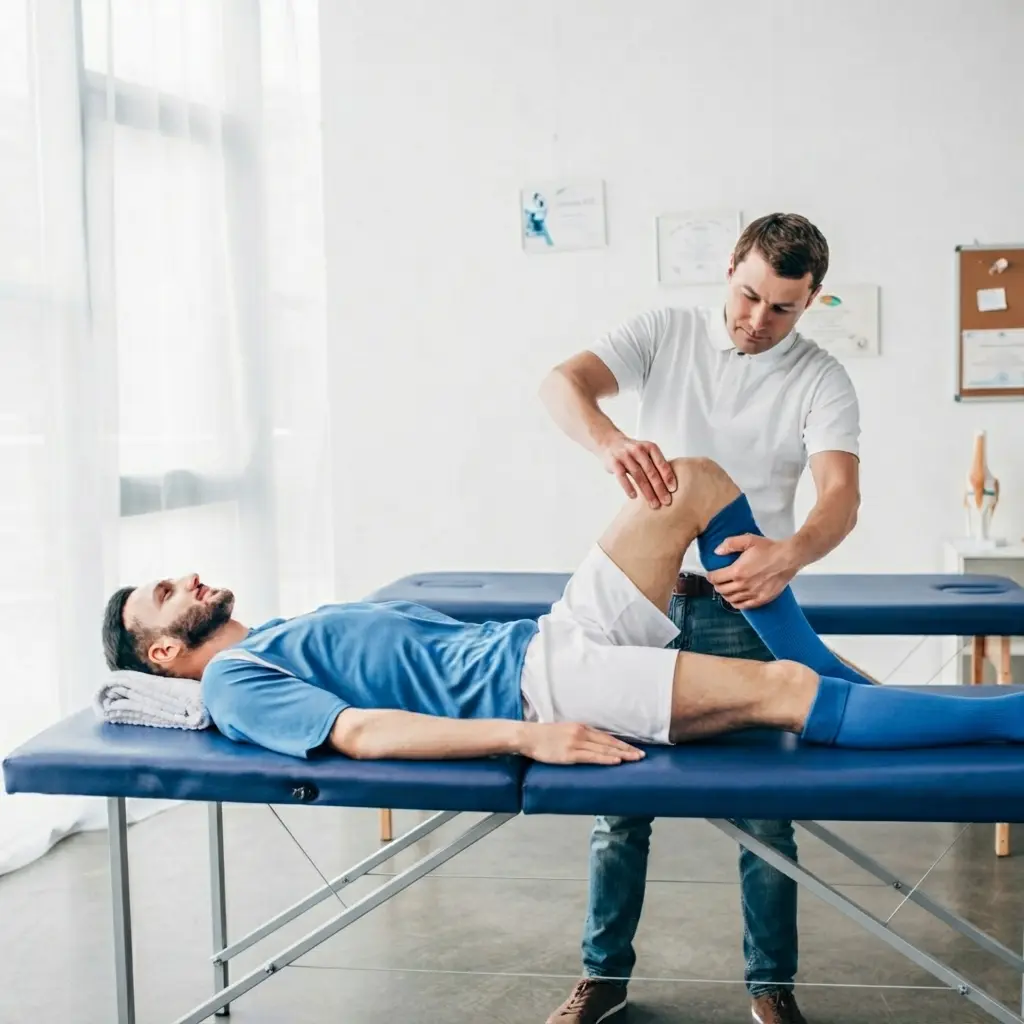
Orthopedic Rehabilitation provides specialized rehabilitation and physical therapy for individuals recovering from orthopedic injuries, musculoskeletal conditions, surgery and other problems affecting movement and physical function. Mayo Clinic rehabilitation specialists develop individualized treatment plans focused on restoring mobility, strength, flexibility, balance and functional ability while supporting a safe return to daily activities, work, exercise or sports. Mayo Clinic's orthopedic and sports medicine services include physical therapy for a range of musculoskeletal injuries and disorders.
Price
Price on Request
Why Price on Request?
The cost of orthopedic rehabilitation depends on the type and severity of the condition, rehabilitation assessment, number and type of therapy sessions, specialized treatment techniques, equipment, physician involvement, functional goals and follow-up care required. A personalized estimate is provided according to the patient's individual rehabilitation plan.
Complete Description
What Is Orthopedic Rehabilitation?
Orthopedic Rehabilitation is a specialized rehabilitation approach designed to improve movement and physical function after an orthopedic injury, surgery or musculoskeletal condition.
Rehabilitation may focus on restoring range of motion, muscle strength, flexibility, balance, coordination, mobility and functional performance. Mayo Clinic physical therapists work closely with physicians and develop customized plans for patients with musculoskeletal injuries and disorders.
Conditions Evaluated and Treated
Orthopedic rehabilitation may address:
Joint injuries
Muscle injuries
Ligament injuries
Tendon injuries
Sprains
Strains
Fractures
Post-surgical orthopedic conditions
Knee conditions
Hip conditions
Shoulder conditions
Elbow conditions
Hand and wrist conditions
Foot and ankle conditions
Neck and spine conditions
Sports-related injuries
Chronic musculoskeletal conditions
Movement and functional limitations
Mayo Clinic Orthopedics and Sports Medicine provides physical therapy for conditions involving the ankle and foot, elbow, hand and wrist, head, hip, knee, neck and spine, and shoulder.
Orthopedic Rehabilitation Evaluation
An orthopedic rehabilitation assessment may include:
Detailed medical history
Review of the orthopedic diagnosis
Review of previous surgery or treatment
Pain assessment
Range-of-motion assessment
Muscle-strength testing
Flexibility assessment
Balance evaluation
Gait assessment
Functional movement assessment
Evaluation of activity limitations
Review of rehabilitation goals
The evaluation helps the rehabilitation team establish an individualized program based on the patient's condition, functional limitations and recovery goals.
Post-Surgical Orthopedic Rehabilitation
Rehabilitation is often an important part of recovery following orthopedic surgery.
Post-surgical rehabilitation may focus on:
Restoring joint movement
Reducing functional limitations
Rebuilding muscle strength
Improving flexibility
Restoring balance
Improving mobility
Progressively increasing activity
Returning to normal daily activities
The rehabilitation program is adjusted according to the type of surgery, healing progress and individual recovery requirements.
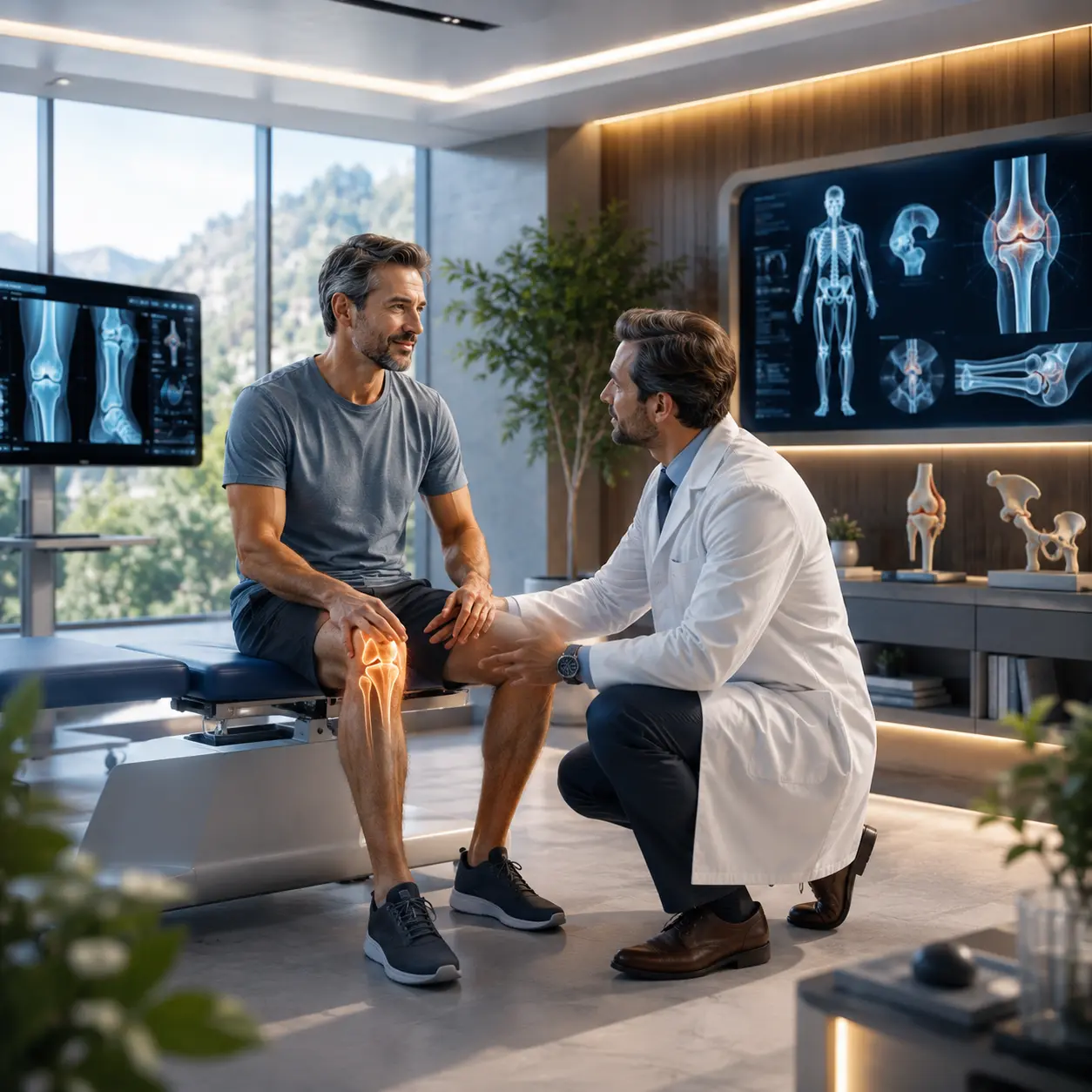
Knee Rehabilitation
Knee rehabilitation may be used following injury, surgery or other conditions affecting the knee.
Treatment may address:
ACL injuries
Meniscus injuries
Knee ligament injuries
Cartilage conditions
Knee replacement recovery
Patellar conditions
Knee pain
Post-operative stiffness
Muscle weakness
Rehabilitation may include range-of-motion exercises, strengthening, balance training, functional movement and progressive activity.
Mayo Clinic's sports medicine program provides customized care for knee conditions ranging from ACL injuries to chronic knee problems and includes rehabilitation as part of the treatment process.
Shoulder Rehabilitation
Shoulder rehabilitation may be recommended for injuries, surgery or conditions affecting shoulder movement and function.
Treatment may include:
Range-of-motion exercises
Rotator cuff rehabilitation
Shoulder strengthening
Stability exercises
Scapular control exercises
Flexibility training
Functional movement exercises
Progressive return to activity
Mayo Clinic provides shoulder care ranging from minimally invasive surgical treatment to advanced rehabilitation techniques.
Hip Rehabilitation
Hip rehabilitation may help patients recover from injuries, surgery or other conditions affecting hip movement.
Rehabilitation may focus on:
Hip mobility
Muscle strengthening
Core stability
Balance
Walking mechanics
Functional movement
Activity progression
The treatment plan is individualized according to the patient's diagnosis and functional goals.
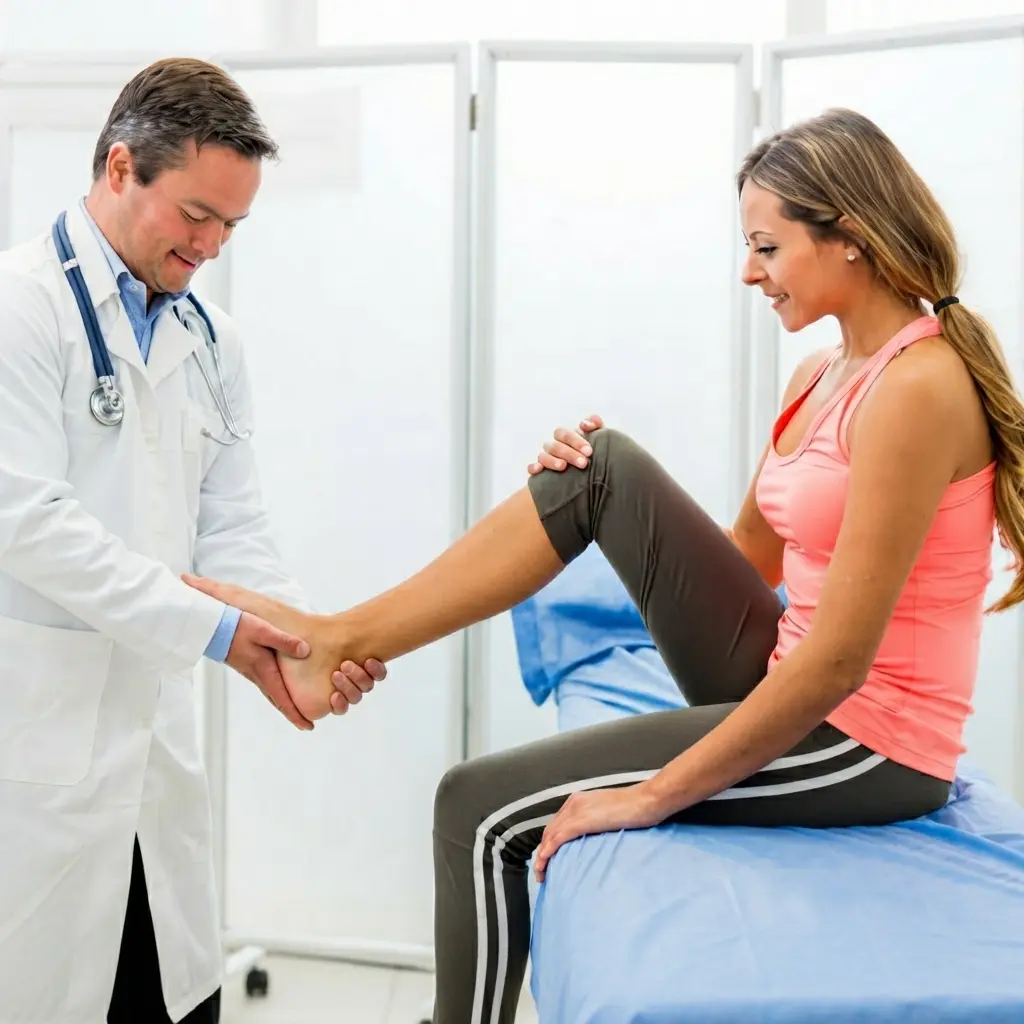
Foot and Ankle Rehabilitation
Foot and ankle rehabilitation may be used following injuries, fractures, surgery or chronic conditions.
Treatment may include:
Range-of-motion exercises
Strengthening
Balance training
Gait training
Foot and ankle mobility exercises
Proprioception training
Progressive weight-bearing
Functional exercises
Mayo Clinic provides rehabilitation and treatment for foot and ankle conditions as part of its orthopedic and sports medicine services.
Spine and Neck Rehabilitation
Rehabilitation may also address conditions affecting the neck and spine.
Treatment may focus on:
Mobility
Postural control
Core strengthening
Flexibility
Functional movement
Strength restoration
Safe activity progression
Mayo Clinic's orthopedic and sports medicine services include physical therapy for neck and spine conditions.
Hand, Wrist and Elbow Rehabilitation
Rehabilitation may help restore function after injury, surgery or other conditions affecting the upper extremities.
Treatment may include:
Joint mobility exercises
Strengthening
Flexibility exercises
Grip-strength training
Functional hand exercises
Coordination training
Progressive return to activity
Mayo Clinic's physical therapy services include conditions involving the hand, wrist and elbow.
Fracture Rehabilitation
Patients recovering from fractures may require rehabilitation to restore movement and strength after the injured area has been medically stabilized.
A rehabilitation program may include:
Range-of-motion exercises
Strength training
Balance exercises
Gait training
Functional activities
Progressive weight-bearing
Mobility training
The rehabilitation approach depends on the location of the fracture, treatment received and stage of healing.
Joint Replacement Rehabilitation
Rehabilitation may be an important component of recovery following joint replacement surgery.
It may focus on:
Restoring joint movement
Improving muscle strength
Improving walking ability
Balance training
Functional activities
Safe progression of daily activities
Long-term strengthening
The rehabilitation plan is customized according to the joint replaced and the patient's recovery progress.
Sports Rehabilitation
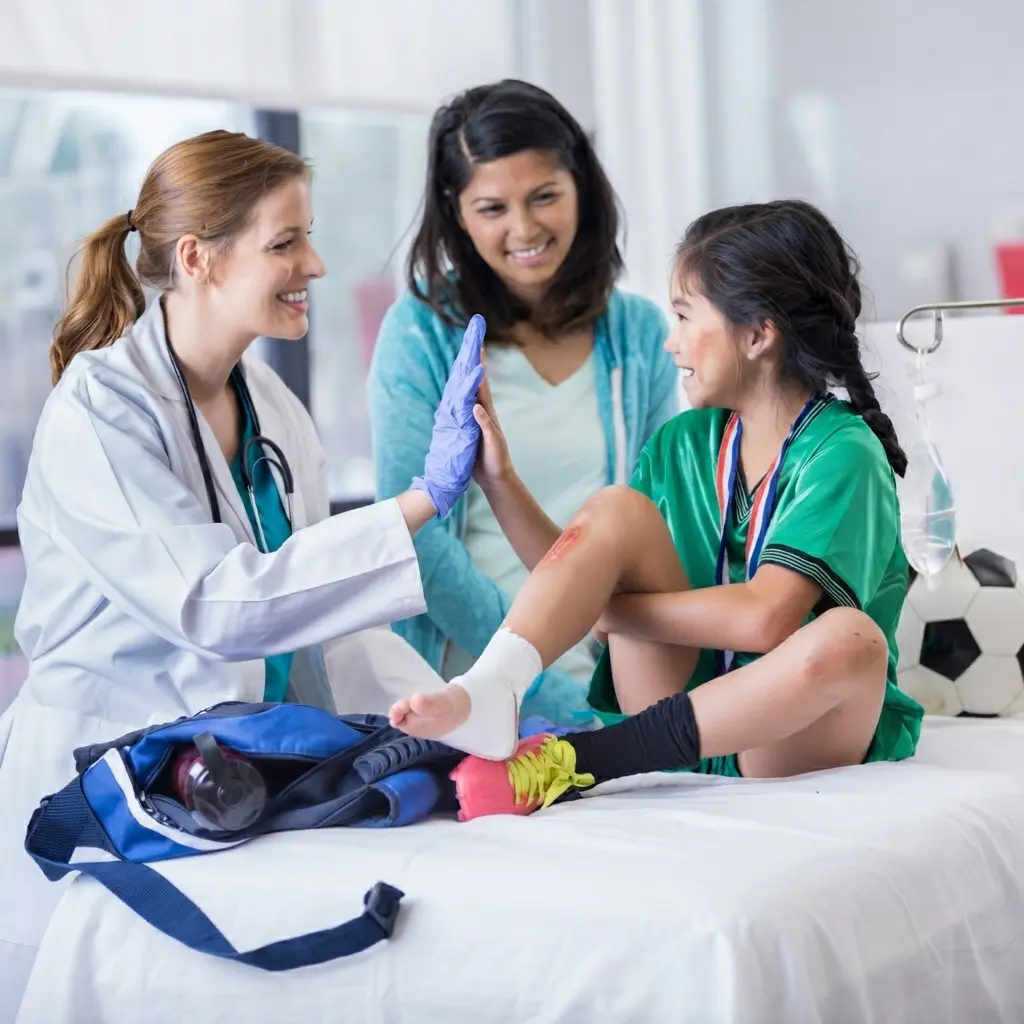
Sports rehabilitation is designed for athletes and physically active individuals recovering from injury or surgery.
Treatment may include:
Strength training
Flexibility exercises
Balance training
Functional movement
Agility exercises
Sport-specific exercises
Movement analysis
Progressive return to activity
Mayo Clinic physical therapists collaborate with its performance team to provide movement analysis and sports-specific assessments when appropriate.
Return-to-Sport Rehabilitation
Returning to sports requires appropriate recovery of strength, mobility and functional performance.
A return-to-sport program may assess:
Muscle strength
Joint mobility
Balance
Coordination
Joint stability
Functional movement
Sport-specific movements
Exercise tolerance
The patient can then progress through activity levels according to the rehabilitation plan and clinical recovery.
Mayo Clinic's sports medicine program includes rehabilitation and return-to-activity services for active individuals and athletes.
Pain Management During Rehabilitation
Orthopedic rehabilitation may incorporate strategies to help patients manage pain while improving physical function.
Depending on the condition, care may include:
Therapeutic exercise
Activity modification
Mobility exercises
Manual techniques when appropriate
Bracing or assistive devices
Physician-directed treatments
Image-guided procedures when clinically indicated
Mayo Clinic's Physical Medicine and Rehabilitation specialists provide nonsurgical options, therapeutic procedures and injections, assistive devices and exercise programs for musculoskeletal conditions.
Assistive Devices and Bracing
Some patients may temporarily require supportive equipment during rehabilitation.
Depending on the condition, this may include:
Braces
Splints
Walking aids
Orthopedic supports
Mobility devices
The appropriate device is selected according to the patient's medical condition, safety requirements and functional needs. Mayo Clinic's Physical Medicine and Rehabilitation specialists include assistive devices and braces among nonsurgical options for musculoskeletal care.
Advanced Physical Therapy Technology
Mayo Clinic physical therapists may use specialized technology and equipment as part of individualized rehabilitation.
Depending on location and clinical needs, technologies may include:
AlterG treadmill
Shockwave technology
2-D video analysis
HydroWorx underwater treadmill
Movement analysis equipment
Sports-specific assessment tools
Equipment and technology can vary by location. Mayo Clinic states that its physical therapists use these technologies to support patient care and recovery.
Functional Movement Training
Functional rehabilitation focuses on improving the movements required for everyday life, work, exercise and sports.
Training may include:
Squatting
Walking
Stair movement
Lifting
Balance activities
Reaching
Functional strengthening
Sport-specific movements
Exercises are selected according to the patient's goals and physical capabilities.
Strength and Conditioning Rehabilitation
Strength training can help restore muscle function following injury or surgery.
A rehabilitation program may include:
Progressive resistance exercises
Core strengthening
Lower-extremity strengthening
Upper-extremity strengthening
Stability exercises
Functional strengthening
Endurance training
Exercise intensity is gradually progressed according to the patient's condition and recovery.
Balance and Coordination Training
Balance and coordination exercises may be used when injury or surgery affects stability or movement control.
Training may include:
Single-leg balance
Dynamic balance
Proprioception exercises
Coordination activities
Functional balance exercises
Sport-specific balance training
These exercises can be incorporated into a broader rehabilitation program when clinically appropriate.
Gait and Mobility Training
Patients recovering from lower-extremity injuries or surgery may require gait and mobility training.
Treatment may focus on:
Walking mechanics
Weight-bearing progression
Assistive-device use
Stair training
Balance during walking
Functional mobility
Return to normal walking patterns
The program is adjusted according to the patient's condition and rehabilitation stage.
Pediatric Orthopedic Rehabilitation
Children and adolescents may require rehabilitation approaches that account for their age, development and activity level.
Pediatric orthopedic rehabilitation may address:
Sports injuries
Fractures
Growth-related orthopedic conditions
Post-surgical recovery
Movement limitations
Strength deficits
Return to physical activities
Mayo Clinic provides individualized rehabilitation and physical medicine care for children with orthopedic and other medical conditions.
Rehabilitation After Complex Orthopedic Surgery
Patients undergoing complex orthopedic procedures may require longer or more structured rehabilitation.
Rehabilitation may focus on:
Protecting the surgical repair
Restoring mobility
Rebuilding strength
Improving balance
Functional retraining
Gradual progression of activity
Returning to daily activities
Sport-specific recovery when appropriate
The rehabilitation plan depends on the surgical procedure and individual healing process.
Inpatient Orthopedic Rehabilitation
Some patients with major orthopedic conditions, multiple trauma or complex medical needs may require inpatient rehabilitation.
Mayo Clinic's inpatient rehabilitation program in Rochester provides individualized rehabilitation for patients with orthopedic conditions, major multiple trauma and other complex medical conditions. The program uses a multidisciplinary team and intensive therapy when patients meet the appropriate admission criteria.
Multidisciplinary Rehabilitation Care
Orthopedic rehabilitation may involve collaboration among:
Orthopedic surgeons
Physical medicine and rehabilitation physicians
Physical therapists
Athletic trainers
Rehabilitation specialists
Radiologists
Other medical specialists when required
Mayo Clinic uses a team-based approach in which specialists collaborate to develop individualized care plans for musculoskeletal conditions.
Rehabilitation After Sports Injury
Sports injury rehabilitation may begin after the acute injury has been evaluated and medically managed.
The rehabilitation process may progress through:
Initial protection and controlled movement
Restoration of range of motion
Strength development
Balance and coordination
Functional training
Sport-specific training
Gradual return to activity
The progression depends on the type and severity of the injury.
Orthopedic Rehabilitation for Active Adults
Orthopedic rehabilitation is not limited to professional athletes.
It may help:
Recreational athletes
Active adults
Individuals returning to exercise
People recovering from orthopedic surgery
Individuals with chronic musculoskeletal conditions
Patients seeking improved mobility and physical function
Mayo Clinic Orthopedics and Sports Medicine provides care for active individuals ranging from youth and competitive athletes to recreational and everyday active individuals.
Rehabilitation Goals
The goals of orthopedic rehabilitation may include:
Reducing functional limitations
Restoring mobility
Improving strength
Improving flexibility
Improving balance
Restoring coordination
Improving walking ability
Returning to normal daily activities
Returning to work
Returning to exercise
Returning to sports when appropriate
The goals are established according to the patient's diagnosis, lifestyle and desired level of activity.
Follow-Up and Progress Assessment
Rehabilitation progress may be monitored through:
Physical examinations
Strength assessments
Range-of-motion measurements
Functional testing
Mobility assessment
Balance testing
Activity tolerance
Patient-reported progress
The rehabilitation program can be modified as the patient's function improves.
International Patients
International patients should provide relevant medical records whenever possible.
Useful documents may include:
Previous orthopedic reports
MRI or CT scans
X-rays
Surgical reports
Physical therapy records
Rehabilitation reports
Injury reports
Current medication list
Previous treatment plans
These records can help the rehabilitation team understand the patient's medical history and previous treatment.
Benefits of Specialized Orthopedic Rehabilitation
Specialized orthopedic rehabilitation may help:
Restore mobility
Improve muscle strength
Improve flexibility
Restore balance and coordination
Improve functional movement
Support recovery after orthopedic surgery
Support recovery after fractures and injuries
Improve walking and mobility
Support return to exercise
Support return to sports
Develop individualized rehabilitation goals
Reduce functional limitations
Why Choose Mayo Clinic for Orthopedic Rehabilitation?
Mayo Clinic provides multidisciplinary rehabilitation and physical therapy for patients with orthopedic and musculoskeletal conditions. Its physical therapists work closely with physicians and create customized plans designed to help patients achieve a high level of function.
Mayo Clinic's rehabilitation services can address a broad range of orthopedic conditions, while selected locations offer specialized technology and equipment to support recovery. Its Rochester campus also provides inpatient rehabilitation for eligible patients with orthopedic conditions and major multiple trauma.
Cost & Price on Request
Price: Price on Request
The total cost of orthopedic rehabilitation depends on the patient's condition and rehabilitation requirements.
Potential costs may include:
Rehabilitation consultation
Physical therapy evaluation
Therapy sessions
Specialized rehabilitation procedures
Rehabilitation equipment
Assistive devices
Physician follow-up
Functional assessments
Sports-specific assessments
Inpatient rehabilitation when medically appropriate
Follow-up consultations
A personalized cost estimate should be requested according to the patient's individual rehabilitation plan.
Frequently Asked Questions
1. What is orthopedic rehabilitation?
Orthopedic rehabilitation is a specialized rehabilitation program designed to improve movement, strength, flexibility, balance and physical function following orthopedic injury, surgery or musculoskeletal conditions.
2. What conditions can orthopedic rehabilitation treat?
Orthopedic rehabilitation may address conditions affecting the knee, hip, shoulder, elbow, hand, wrist, foot, ankle, neck and spine, as well as muscle, tendon, ligament and joint injuries.
3. Is orthopedic rehabilitation necessary after surgery?
Rehabilitation is commonly an important part of recovery following orthopedic surgery, although the specific rehabilitation program depends on the procedure, diagnosis and individual recovery.
4. Does Mayo Clinic provide physical therapy for orthopedic conditions?
Yes. Mayo Clinic Orthopedics and Sports Medicine provides physical therapy for a range of musculoskeletal injuries and disorders, with customized treatment plans developed in coordination with physicians.
5. Can orthopedic rehabilitation help athletes return to sports?
Yes. Rehabilitation can include strength training, movement assessment, functional exercises and sport-specific activities to support a gradual return to physical activity when medically appropriate.
6. Does Mayo Clinic offer inpatient orthopedic rehabilitation?
Yes. Mayo Clinic's Rochester campus has an inpatient rehabilitation program that provides care for eligible patients with orthopedic conditions and major multiple trauma, among other conditions.
7. How long does orthopedic rehabilitation take?
The duration varies according to the type and severity of the condition, surgery or injury, healing progress, functional goals and response to therapy.
8. How much does orthopedic rehabilitation cost?
Price is available on request. The final cost depends on the rehabilitation evaluation, number of therapy sessions, specialized services, equipment and follow-up care required.
Product Details
Product Name: Orthopedic Rehabilitation
Hospital: Mayo Clinic – Rochester
Brand: Mayo Clinic
Country: United States
Specialty: Orthopedics
Service Type: Orthopedic Rehabilitation
Dashboard Price: 0
Customer-Facing Price: Price on Request
International Patients: Available
Location: Rochester, Minnesota, USA
Related products
Spine Surgery at Mayo Clinic
Frequently Bought Together
No frequently bought products found!
Products from this Seller
View All
Chemotherapy at Mayo Clinic
Immunotherapy at Mayo Clinic
Medical Tourism





Share with Friends
Trading is more effective when you share products with friends!Share you link
Share to