











ECMO Support at Toronto General Hospital
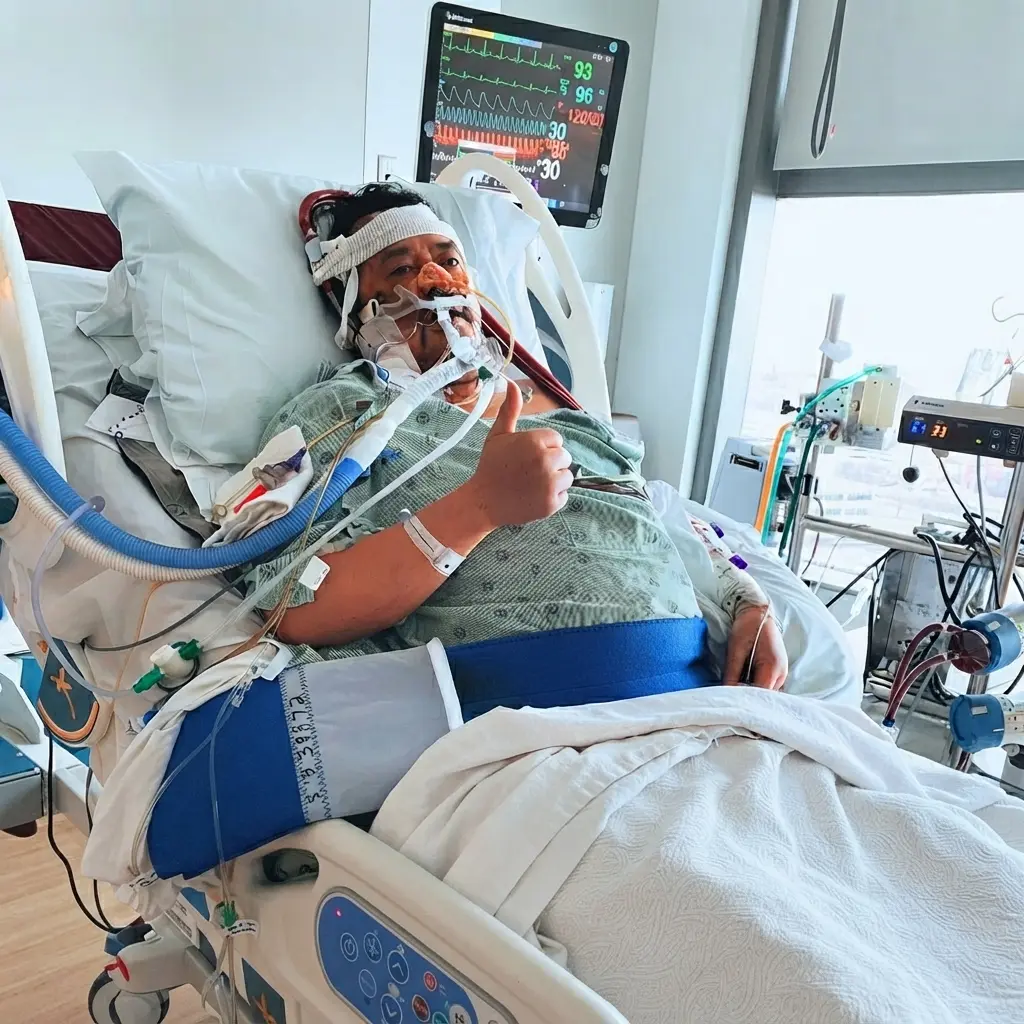
ECMO Support (Extracorporeal Membrane Oxygenation) is an advanced form of life support used for selected patients with severe respiratory or cardiac failure when conventional treatment is not providing adequate support. ECMO temporarily supports oxygenation and/or circulation while the underlying condition is treated or while further advanced care is considered.
Price
Price on Request
Why Price on Request?
The cost of ECMO support varies according to the type of ECMO, severity of illness, duration of support, intensive care requirements, procedures, medications, monitoring, hospitalization and additional treatment needs. A personalized cost estimate can be provided after specialist assessment.
Complete Description
What Is ECMO Support?
ECMO (Extracorporeal Membrane Oxygenation) is an advanced medical support technique that uses a specialized circuit outside the body to help provide oxygen to the blood and remove carbon dioxide and/or support circulation.
ECMO may be considered when the heart or lungs are unable to provide sufficient support despite intensive medical treatment.
Who May Need ECMO Support?
ECMO may be considered for selected critically ill patients with:
Severe respiratory failure
Severe acute lung injury
Severe pneumonia
Refractory hypoxemia
Certain forms of cardiac failure
Cardiogenic shock
Severe respiratory or cardiac complications
Selected patients requiring temporary support while awaiting further treatment
ECMO is not appropriate for every patient and requires specialized critical-care assessment.
Types of ECMO Support
Two major forms of ECMO support are commonly used:
VV-ECMO (Veno-Venous ECMO) primarily supports the lungs
VA-ECMO (Veno-Arterial ECMO) provides support for both the heart and lungs
The appropriate type depends on the patient's medical condition.
VV-ECMO for Respiratory Failure
VV-ECMO may be considered for selected patients with severe respiratory failure when the lungs cannot adequately exchange oxygen and carbon dioxide despite intensive treatment.
It may provide temporary respiratory support while the underlying lung condition is treated.
VA-ECMO for Cardiac Support
VA-ECMO can provide circulatory support for selected patients with severe cardiac failure or cardiogenic shock.
It may temporarily support:
Heart function
Blood circulation
Oxygen delivery
The use of VA-ECMO depends on the patient's condition and treatment goals.
ECMO for Severe Lung Disease
Patients with severe acute lung injury or respiratory failure may sometimes require ECMO when conventional respiratory support is insufficient.
Potential underlying conditions may include:
Severe pneumonia
Acute respiratory distress
Severe infection-related lung failure
Other life-threatening respiratory conditions
Specialist critical-care assessment is required.
ECMO During Cardiogenic Shock
In selected cases of severe cardiac dysfunction, VA-ECMO may provide temporary circulatory support.
The treatment may be considered while specialists evaluate:
Recovery of heart function
Additional cardiac treatment
Mechanical circulatory support
Other advanced treatment options
ECMO as a Bridge to Recovery
For selected patients, ECMO may provide temporary support while the underlying disease is treated and the heart or lungs recover.
The duration of ECMO depends on:
Underlying illness
Response to treatment
Organ function
Overall clinical condition
ECMO as a Bridge to Lung Transplant
In selected patients with severe respiratory failure or advanced lung disease, ECMO may sometimes be used as temporary support while a patient is evaluated for or awaits lung transplantation.
Transplant eligibility and donor-organ availability remain important factors.
ECMO Assessment
Before initiating ECMO, specialists evaluate:
Severity of respiratory or cardiac failure
Response to conventional treatment
Underlying disease
Organ function
Potential reversibility
Bleeding and clotting risks
Overall medical condition
Treatment goals
The decision requires multidisciplinary critical-care expertise.
ECMO Cannulation
ECMO requires specialized placement of large blood vessels called cannulas to connect the patient to the ECMO circuit.
The cannulation approach depends on:
Type of ECMO
Patient anatomy
Clinical condition
Required level of cardiac or respiratory support
ECMO Monitoring
Patients receiving ECMO require continuous intensive-care monitoring.
Care may include assessment of:
Oxygenation
Carbon dioxide levels
Blood pressure
Heart function
Lung function
Blood clotting
Blood counts
Kidney function
Liver function
ECMO circuit performance
ECMO Medication Management
Patients receiving ECMO may require medications to manage their underlying condition and the ECMO circuit.
Treatment may include:
Anticoagulation when appropriate
Antibiotics when infection is present
Sedation
Pain management
Blood-pressure medications
Other critical-care medications
Medication management is individualized according to the patient's condition.
ECMO and Respiratory Support
ECMO may be used alongside other respiratory-support strategies.
Depending on the patient's needs, care may include:
Mechanical ventilation
Oxygen therapy
Respiratory monitoring
Lung-protective ventilation
Pulmonary care
Respiratory rehabilitation when appropriate
ECMO Complication Monitoring
ECMO is a highly specialized therapy and requires close monitoring for potential complications.
Medical teams may monitor for:
Bleeding
Blood clots
Infection
Changes in blood counts
Kidney problems
Neurological complications
Circuit-related complications
Other critical-care complications
ECMO Weaning
When the heart or lungs demonstrate sufficient improvement, specialists may assess whether ECMO support can be reduced.
Weaning assessment may consider:
Improved oxygenation
Improved lung function
Improved heart function
Stable blood circulation
Reduced dependence on ECMO
The process is carefully monitored by the critical-care team.
Multidisciplinary ECMO Care
ECMO treatment requires collaboration between multiple healthcare professionals, which may include:
Critical-care physicians
Cardiothoracic surgeons
Respirologists
Cardiologists
Perfusion specialists
Specialized nurses
Respiratory therapists
Pharmacists
Rehabilitation professionals
Other healthcare specialists
ECMO Second Opinion
Patients or families may seek an ECMO treatment second opinion regarding:
Whether ECMO is appropriate
Type of ECMO required
Severe respiratory failure
Cardiogenic shock
Lung transplantation
Advanced critical-care treatment
Previous ECMO recommendations
Medical records and clinical information can be reviewed during specialist assessment.
International Patient ECMO Support
International patients requiring advanced critical care in Canada should provide relevant medical documentation whenever possible.
Records may include:
Intensive-care reports
Imaging
Blood-gas results
Cardiac investigations
Respiratory investigations
Previous treatment records
Medication list
Current clinical status
ECMO is an emergency and highly specialized therapy, and access depends on clinical urgency, medical eligibility, hospital capacity and applicable requirements.
Benefits of Specialized ECMO Support
For appropriately selected critically ill patients, ECMO may:
Provide advanced respiratory support
Support circulation
Improve oxygen delivery
Remove carbon dioxide
Provide temporary support while treating the underlying condition
Support selected patients awaiting advanced treatment
Provide a bridge to recovery or transplantation in appropriate cases
Why Choose Toronto General Hospital for ECMO Support?
Toronto General Hospital (TGH) is part of University Health Network (UHN) and provides highly specialized complex medical, surgical and critical-care services.
Patients requiring advanced cardiopulmonary support may be assessed through the relevant specialized UHN programs according to their clinical condition and medical requirements.
ECMO candidacy and availability depend on specialist assessment and the patient's clinical circumstances.
Cost & Price on Request
Price: Price on Request
The total cost of ECMO support depends on the patient's condition, type and duration of ECMO and level of intensive care required.
Potential costs may include:
Critical-care consultation
ECMO assessment
Cannulation
ECMO support
Intensive care
Continuous monitoring
Laboratory testing
Imaging
Medications
Blood products when required
Respiratory support
Surgical procedures when necessary
Rehabilitation
Follow-up care
A personalized cost estimate can be requested following specialist assessment.
Frequently Asked Questions
1. What does ECMO do?
ECMO provides temporary support for the lungs, heart or both by helping oxygenate blood and remove carbon dioxide and, in some cases, support circulation.
2. What is the difference between VV-ECMO and VA-ECMO?
VV-ECMO primarily provides respiratory support, while VA-ECMO provides both circulatory and respiratory support.
3. Can ECMO be used as a bridge to lung transplantation?
In selected patients with severe respiratory failure or advanced lung disease, ECMO may provide temporary support while transplant options are evaluated.
4. How long does a patient remain on ECMO?
The duration varies significantly depending on the underlying condition, response to treatment and recovery of heart or lung function.
5. Can international patients receive ECMO support in Canada?
ECMO is highly specialized critical care. Access depends on clinical urgency, specialist assessment, hospital capacity, medical eligibility and applicable requirements.
Product Details
Product Name: ECMO Support
Hospital: Toronto General Hospital
Brand: Toronto General Hospital
Country: Canada
Specialty: Thoracic Surgery & Lung Care
Service Type: ECMO Support
Customer-Facing Price: Price on Request
International Patients: Subject to applicable eligibility and program requirements
Location: Toronto, Ontario, Canada
Related products



Frequently Bought Together
No frequently bought products found!
Products from this Seller
View All





Chemotherapy at Mayo Clinic

Immunotherapy at Mayo Clinic



Medical Tourism





Share with Friends
Trading is more effective when you share products with friends!Share you link
Share to