














Advanced Lung Disease Treatment at Toronto General Hospital
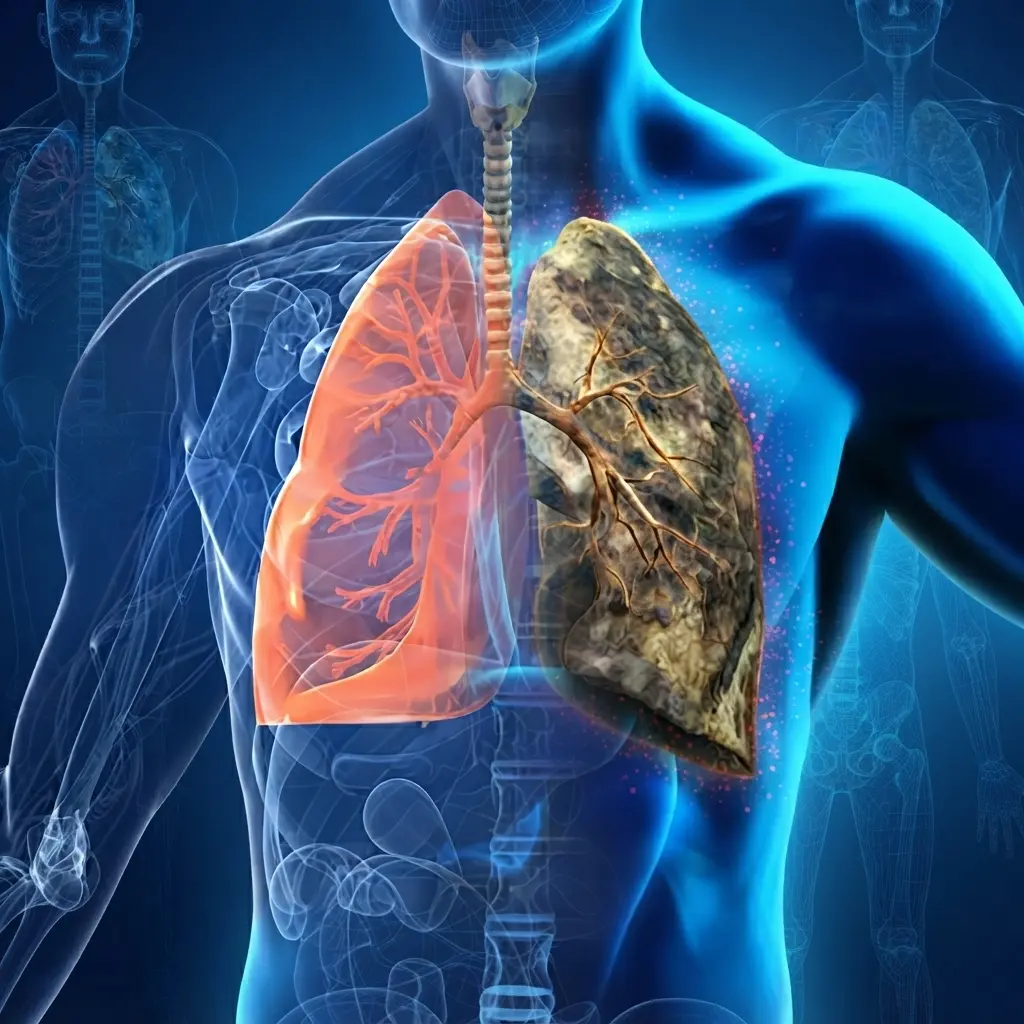
Advanced Lung Disease Treatment provides specialized assessment and management for patients with complex or advanced respiratory conditions. Care may include comprehensive lung evaluation, pulmonary function testing, advanced imaging, medication management, respiratory support, rehabilitation and multidisciplinary treatment planning based on the patient's diagnosis and clinical needs.
Price
Price on Request
Why Price on Request?
The cost of advanced lung disease treatment varies according to the underlying condition, severity of disease, diagnostic testing, specialist consultations, medications, respiratory support, hospitalization and rehabilitation requirements. A personalized cost estimate can be provided after specialist assessment.
Complete Description
What Is Advanced Lung Disease Treatment?
Advanced Lung Disease Treatment is specialized medical care for patients with complex, progressive or severe lung conditions that require comprehensive assessment and ongoing management.
Treatment may focus on:
Improving respiratory function
Managing symptoms
Slowing disease progression
Reducing complications
Supporting quality of life
Evaluating advanced treatment options
Assessing suitability for specialized therapies or transplantation when appropriate
Who May Need Advanced Lung Disease Treatment?
Specialized treatment may be considered for patients with conditions such as:
Advanced interstitial lung disease
Pulmonary fibrosis
Severe chronic obstructive pulmonary disease
Bronchiectasis
Advanced pulmonary vascular disease
Complex respiratory disorders
Progressive lung disease
Other severe conditions affecting lung function
The treatment approach depends on the underlying diagnosis.
Comprehensive Lung Disease Evaluation
Assessment may include a detailed review of:
Respiratory symptoms
Disease progression
Previous treatments
Hospitalization history
Oxygen requirements
Exercise tolerance
Medication history
Previous imaging
Pulmonary function results
Other medical conditions
A physical and respiratory examination may also be performed.
Pulmonary Function Testing
Pulmonary function testing helps specialists assess how effectively the lungs are working.
Testing may include:
Spirometry
Lung-volume measurements
Diffusion capacity testing
Exercise-related assessment
Other specialized pulmonary investigations
Results can help monitor disease severity and treatment response.
Advanced Lung Imaging
Imaging may be used to evaluate structural changes and disease progression.
Depending on the condition, investigations may include:
Chest X-ray
High-resolution CT
CT pulmonary angiography
PET imaging when clinically indicated
Other specialized imaging
Imaging findings can support diagnosis and treatment planning.
Interstitial Lung Disease Management
Patients with interstitial lung disease may require long-term specialist management.
Care may include:
Disease assessment
Pulmonary function monitoring
Imaging
Medication management
Oxygen assessment
Pulmonary rehabilitation
Monitoring for disease progression
Evaluation for advanced treatment when appropriate
Pulmonary Fibrosis Care
Advanced pulmonary fibrosis can cause progressive reduction in lung function.
Specialized care may include:
Respiratory assessment
Pulmonary function testing
Imaging
Medication review
Oxygen assessment
Exercise evaluation
Rehabilitation
Assessment for lung transplantation when appropriate
Advanced COPD Management
Patients with severe chronic obstructive pulmonary disease may require comprehensive respiratory care.
Management may include:
Medication optimization
Inhaler assessment
Oxygen evaluation
Pulmonary rehabilitation
Exercise assessment
Exacerbation prevention
Monitoring of lung function
Evaluation for advanced therapies when appropriate
Bronchiectasis Management
Complex bronchiectasis may require specialized assessment and long-term management.
Care may include:
Respiratory evaluation
Lung-function testing
Sputum assessment
Infection monitoring
Airway-clearance strategies
Medication management
Imaging
Pulmonary rehabilitation
Oxygen Therapy Assessment
Patients with advanced lung disease may require evaluation of their oxygen needs.
Assessment may include:
Resting oxygen levels
Exercise oxygen levels
Overnight oxygen assessment
Oxygen requirements during daily activities
Specialists can determine whether supplemental oxygen may be appropriate based on clinical findings.
Respiratory Medication Management
Treatment may include review and optimization of respiratory medications.
Depending on the diagnosis, medication management may involve:
Inhaled therapies
Anti-inflammatory medications
Bronchodilators
Antibiotic treatment when clinically appropriate
Antifibrotic treatment for selected conditions
Other disease-specific medications
Medication recommendations are individualized.
Pulmonary Rehabilitation
Pulmonary rehabilitation may benefit selected patients with advanced lung disease.
A rehabilitation program may help:
Improve exercise capacity
Increase physical strength
Improve breathing efficiency
Support daily activities
Reduce physical limitations
Improve overall quality of life
Management of Respiratory Exacerbations
Patients with advanced lung disease may experience episodes of worsening symptoms.
Specialist care may focus on:
Identifying the cause
Treating respiratory infections when present
Optimizing medication
Managing oxygen requirements
Preventing future exacerbations
Reviewing long-term treatment
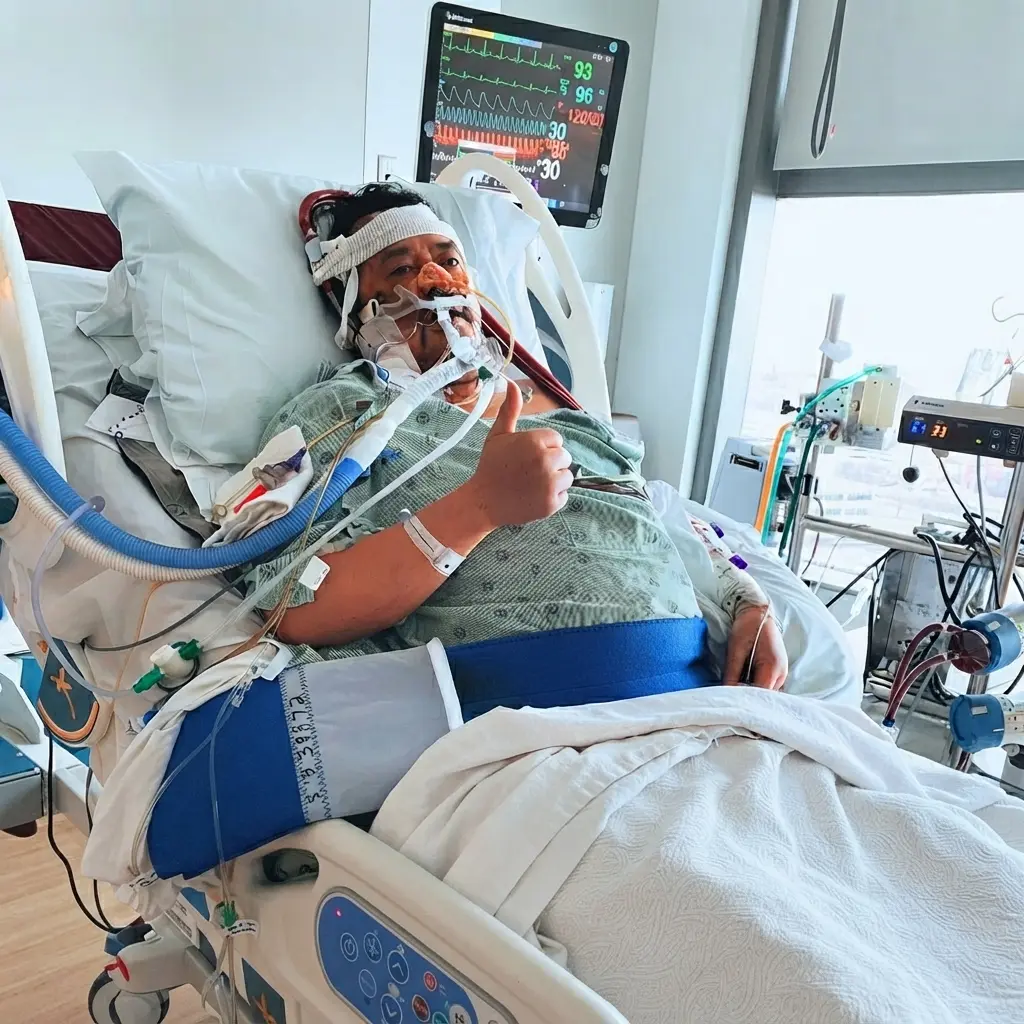
Advanced Respiratory Support
Some patients with severe respiratory impairment may require specialized respiratory support.
Depending on the clinical condition, support may include:
Supplemental oxygen
Non-invasive respiratory support
Other advanced respiratory management
Intensive respiratory monitoring when required
The appropriate approach depends on the patient's condition.
Lung Transplant Evaluation
For selected patients with advanced or end-stage lung disease, transplantation may be considered.
Evaluation may include:
Disease severity
Lung function
Exercise capacity
Cardiac assessment
Overall health
Other medical conditions
Transplant-specific requirements
Not every patient with advanced lung disease is eligible for transplantation.
Multidisciplinary Advanced Lung Care
Complex respiratory conditions may require coordinated care involving:
Respirologists
Thoracic surgeons
Pulmonary hypertension specialists
Cardiologists
Radiologists
Pathologists
Respiratory therapists
Rehabilitation specialists
Transplant specialists when appropriate
Other healthcare professionals
Multidisciplinary care supports comprehensive treatment planning.
Advanced Lung Disease Second Opinion
Patients may seek an advanced lung disease second opinion regarding:
Diagnosis
Disease progression
Treatment options
Medication regimen
Lung-function results
Imaging findings
Lung transplantation
Previous specialist recommendations
Relevant medical records and investigation results can be reviewed during specialist assessment.
International Patient Advanced Lung Disease Care
International patients seeking advanced lung disease treatment in Canada should provide relevant medical records whenever available.
Useful documentation may include:
Chest CT scans
X-rays
Pulmonary function tests
Bronchoscopy reports
Biopsy or pathology reports
Blood test results
Echocardiography
Previous hospitalization records
Specialist reports
Medication list
Previous treatment records
Complete documentation can help specialists understand the patient's condition and treatment history.
Benefits of Specialized Advanced Lung Disease Treatment
Specialized care may help selected patients:
Receive comprehensive respiratory assessment
Monitor disease progression
Optimize medical treatment
Evaluate advanced therapies
Manage oxygen requirements
Access pulmonary rehabilitation
Assess eligibility for lung transplantation when appropriate
Coordinate multidisciplinary care
Obtain a specialist second opinion
Why Choose Toronto General Hospital for Advanced Lung Disease Treatment?
Toronto General Hospital (TGH) is part of University Health Network (UHN) and provides specialized complex respiratory, medical and transplant care.
Patients with advanced lung conditions may be assessed through relevant UHN respiratory and transplant programs according to their diagnosis, clinical needs and eligibility.
Specific treatments and advanced interventions depend on specialist assessment and program requirements.
Cost & Price on Request
Price: Price on Request
The total cost depends on the underlying lung disease and services required.
Potential costs may include:
Respiratory specialist consultation
Pulmonary function testing
Diagnostic imaging
Laboratory investigations
Bronchoscopy when required
Medication management
Oxygen assessment
Respiratory support
Pulmonary rehabilitation
Additional specialist consultations
Transplant evaluation when appropriate
Follow-up care
A personalized cost estimate can be requested following specialist assessment.
Frequently Asked Questions
1. What conditions are considered advanced lung diseases?
Advanced lung disease may include severe or progressive conditions such as pulmonary fibrosis, advanced interstitial lung disease, severe COPD, bronchiectasis and other complex respiratory disorders.
2. Can advanced lung disease be treated without surgery?
Yes. Many advanced lung conditions are managed through medications, respiratory support, rehabilitation and other nonsurgical treatments. The appropriate approach depends on the diagnosis.
3. When is lung transplantation considered?
Lung transplantation may be considered for selected patients with advanced or end-stage lung disease when other appropriate treatments are no longer sufficient and transplant requirements are met.
4. Can I obtain a second opinion for advanced lung disease in Canada?
Patients may request specialist review of their diagnosis, imaging, lung-function results and treatment plan, subject to applicable hospital requirements.
5. Can international patients receive advanced lung disease treatment in Canada?
International patients may request specialist assessment subject to applicable hospital processes, medical requirements, eligibility and program availability.
Product Details
Product Name: Advanced Lung Disease Treatment
Hospital: Toronto General Hospital
Brand: Toronto General Hospital
Country: Canada
Specialty: Thoracic Surgery & Lung Care
Service Type: Advanced Lung Disease Treatment
Customer-Facing Price: Price on Request
International Patients: Subject to applicable eligibility and program requirements
Location: Toronto, Ontario, Canada
Related products




Frequently Bought Together
No frequently bought products found!
Products from this Seller
View All










Chemotherapy at Mayo Clinic

Immunotherapy at Mayo Clinic




Medical Tourism





Share with Friends
Trading is more effective when you share products with friends!Share you link
Share to