













Chemotherapy at Massachusetts General Hospital
Chemotherapy at Massachusetts General Hospital provides specialized systemic cancer treatment using anti-cancer medicines to destroy, control or slow the growth of cancer cells. Chemotherapy may be used alone or together with surgery, radiation therapy, immunotherapy or targeted therapy depending on the cancer type and treatment plan.
Price
Price on Request
Why Price on Request?
The cost depends on the cancer type and stage, chemotherapy medicines, treatment cycles, laboratory testing, infusion services, supportive medications and follow-up care required. A personalized estimate is provided according to the treatment plan.
Complete Description
What Is Chemotherapy?
Chemotherapy uses anti-cancer medicines to destroy or slow the growth of cancer cells.
It may be used to:
Treat cancer
Shrink tumors
Reduce cancer recurrence risk
Control advanced cancer
Relieve cancer-related symptoms
Who May Need Chemotherapy?
Chemotherapy may be recommended for selected patients with:
Newly diagnosed cancer
Locally advanced cancer
Metastatic cancer
Recurrent cancer
Certain blood cancers
Solid tumors
Chemotherapy Consultation
Before treatment, the oncology team may review:
Cancer diagnosis
Pathology
Cancer stage
Imaging
Laboratory results
Previous treatments
Overall health
Chemotherapy Treatment Planning
The treatment plan may consider:
Cancer type
Cancer stage
Tumor characteristics
Previous treatment
Overall health
Treatment goals
The oncology team determines the appropriate medicine or combination of medicines.
Chemotherapy Before Surgery
Chemotherapy may sometimes be given before surgery to shrink a tumor or treat microscopic cancer cells.
This is known as neoadjuvant treatment.
Chemotherapy After Surgery
Chemotherapy may also be given after surgery to reduce the risk of cancer returning.
This is known as adjuvant treatment.
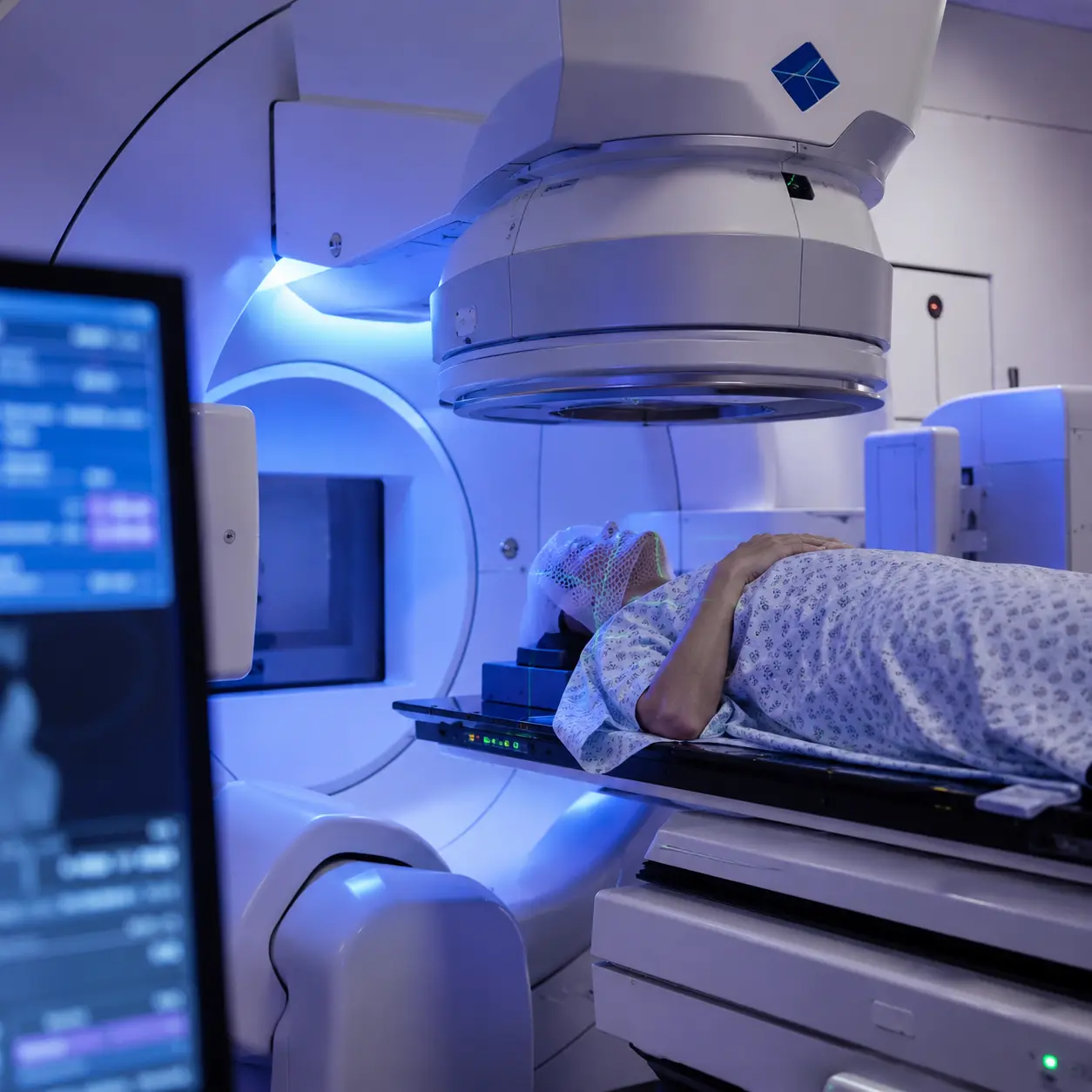
Chemotherapy With Radiation
Selected patients may receive chemotherapy together with radiation therapy.
This combined approach is used for certain cancers when clinically appropriate.
Combination Chemotherapy
Some cancers are treated with combinations of multiple anti-cancer medicines.
The specific combination depends on:
Cancer type
Disease stage
Treatment guidelines
Previous therapy
Patient factors
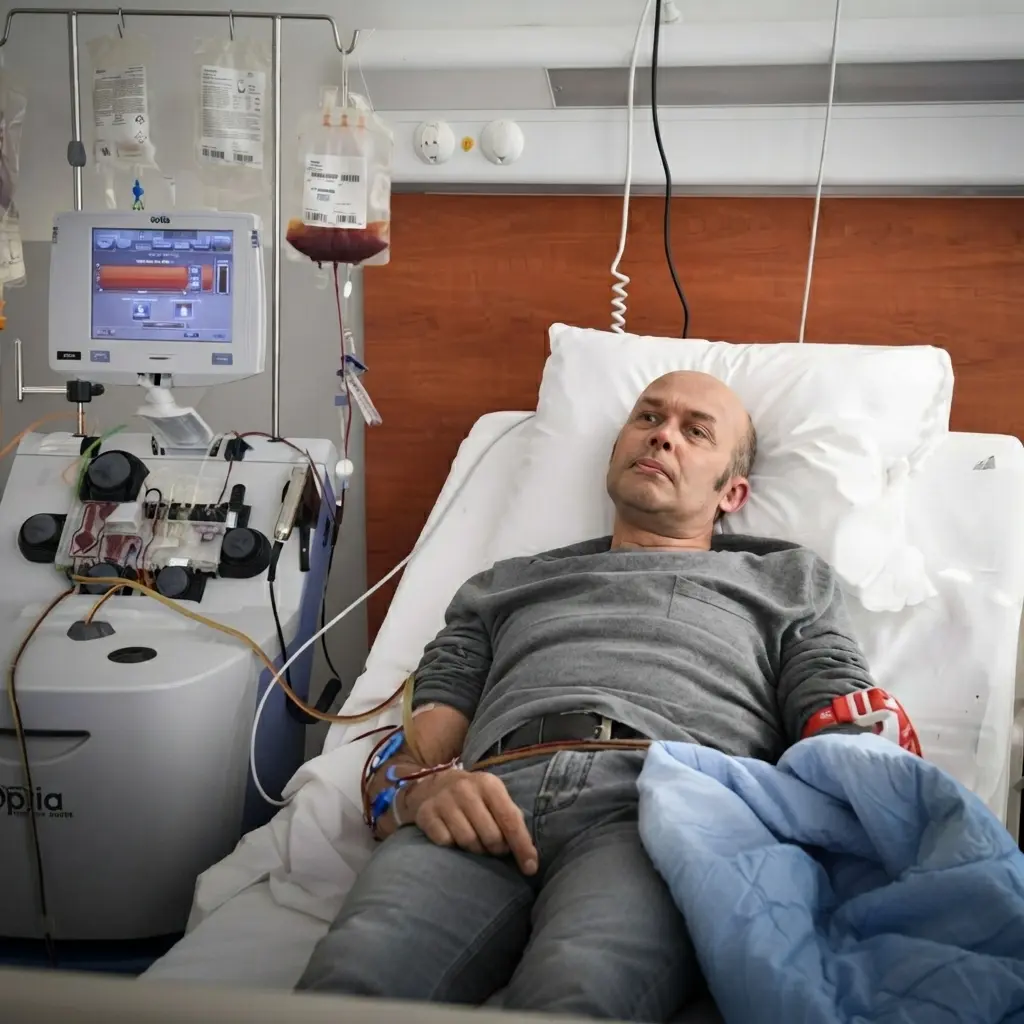
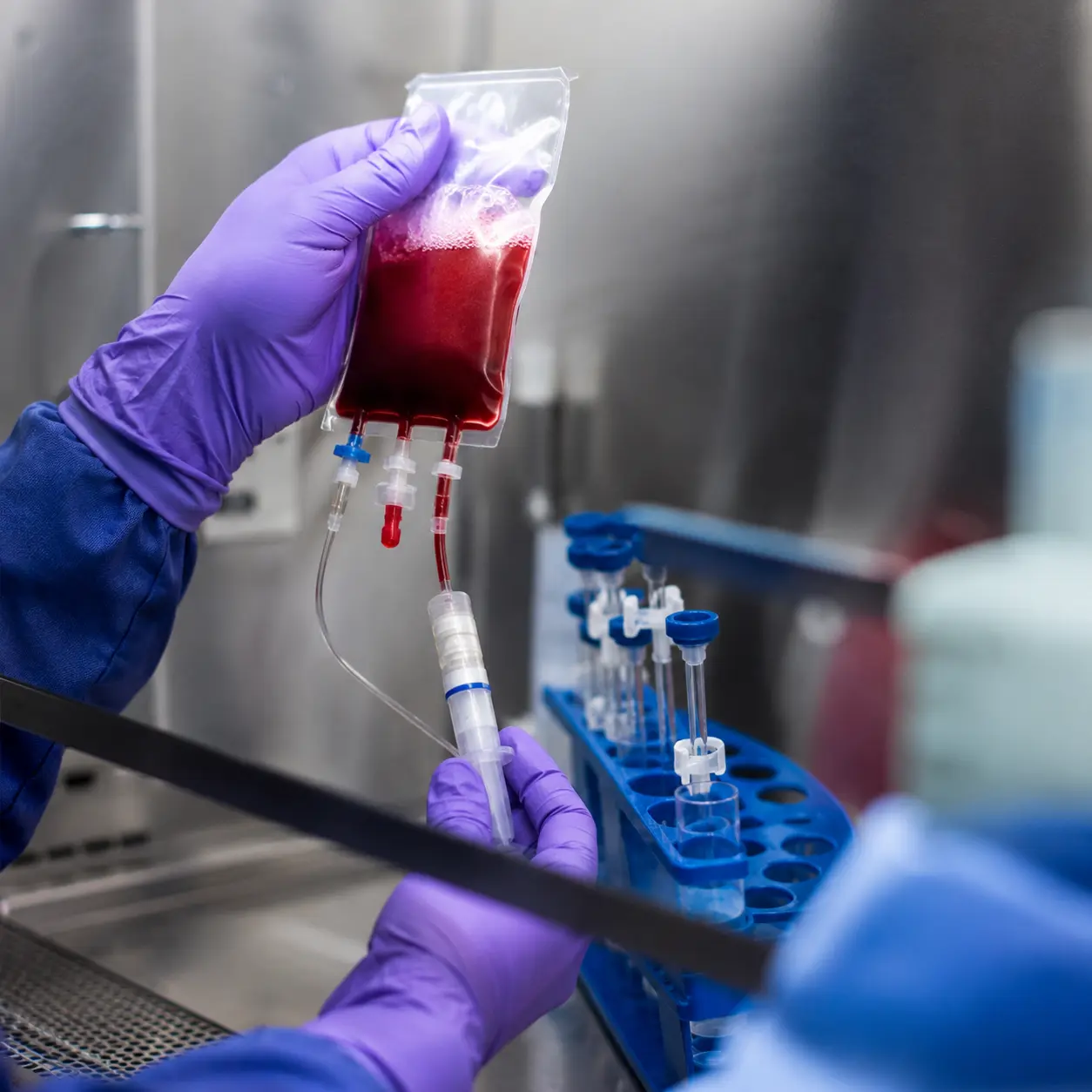
Intravenous Chemotherapy
Many chemotherapy medicines are administered intravenously through:
Peripheral IV
Central venous access
Implanted port
The appropriate method depends on the treatment regimen.
Oral Chemotherapy
Some anti-cancer medicines are available as tablets or capsules.
Patients receiving oral chemotherapy require appropriate instructions regarding:
Dosing
Timing
Side effects
Medication interactions
Monitoring
Chemotherapy Infusion Services
Selected chemotherapy treatments may be administered in specialized outpatient infusion settings.
Patients may be monitored before, during and after treatment.
Supportive Care During Chemotherapy
Supportive treatment may help manage chemotherapy-related effects such as:
Nausea
Fatigue
Changes in blood counts
Appetite changes
Other treatment-related symptoms
Laboratory Monitoring
Blood tests may be performed before or during chemotherapy to monitor:
Blood-cell counts
Kidney function
Liver function
Other relevant health indicators
Treatment may be adjusted according to laboratory findings.
Chemotherapy Side Effects
Side effects vary depending on the specific medication and individual patient.
Possible effects may include:
Fatigue
Nausea
Appetite changes
Hair loss
Changes in blood counts
Increased infection risk
Neuropathy
Other treatment-specific effects
Chemotherapy Monitoring
During treatment, specialists may monitor:
Cancer response
Laboratory results
Symptoms
Side effects
Organ function
Imaging findings when appropriate
Advanced Cancer Chemotherapy
For advanced or metastatic cancer, chemotherapy may be used to:
Control cancer growth
Reduce tumor burden
Manage symptoms
Improve quality of life
Extend survival when possible
Chemotherapy and Other Cancer Treatments
Chemotherapy may be combined with:
Surgery
Radiation therapy
Immunotherapy
Targeted therapy
Hormone therapy
The appropriate combination depends on the specific cancer.
Clinical Trials
Eligible patients may have access to clinical trials investigating:
New chemotherapy combinations
New cancer medicines
Combination treatment strategies
Other innovative approaches
Eligibility depends on the specific trial and patient characteristics.
Chemotherapy Second Opinion
Patients may seek a chemotherapy second opinion regarding:
Recommended medicines
Treatment cycles
Combination therapy
Alternative treatment options
Clinical trials
International Patients
International patients should provide relevant cancer records whenever possible.
Useful documents may include:
Pathology reports
Biopsy results
CT/MRI/PET reports
Previous chemotherapy records
Surgical reports
Radiation records
Laboratory results
Medication list
Benefits of Specialized Chemotherapy Care
Specialized oncology care may help:
Select appropriate chemotherapy
Develop individualized treatment plans
Monitor treatment response
Manage side effects
Coordinate chemotherapy with other therapies
Evaluate clinical trial opportunities
Why Choose Massachusetts General Hospital for Chemotherapy?
Massachusetts General Hospital provides chemotherapy and comprehensive systemic cancer treatment through Mass General Cancer Center, with multidisciplinary oncology specialists involved in treatment planning and cancer care.
Cost & Price on Request
Price: Price on Request
Potential costs may include:
Medical oncology consultation
Chemotherapy medicines
Infusion administration
Laboratory testing
Imaging
Supportive medications
Treatment monitoring
Follow-up care
A personalized cost estimate should be requested according to the patient's chemotherapy regimen.
Frequently Asked Questions
1. What is chemotherapy used for?
Chemotherapy may be used to treat, control or slow cancer, either alone or together with other cancer treatments.
2. Can chemotherapy be given before surgery?
Yes. Chemotherapy may be given before surgery in selected cases to shrink tumors or treat cancer cells elsewhere in the body.
3. Can chemotherapy be taken as a pill?
Yes. Some anti-cancer medicines are available as oral chemotherapy, while others are administered intravenously.
4. How many chemotherapy sessions are needed?
The number of treatment cycles depends on the cancer type, treatment regimen, response and individual patient factors.
5. How much does chemotherapy cost?
Price is available on request. The final cost depends on the medicines, number of cycles, laboratory testing, infusion services and supportive care required.
Product Details
Product Name: Chemotherapy at Massachusetts General Hospital
Hospital: Massachusetts General Hospital
Brand: Massachusetts General Hospital
Country: United States
Specialty: Oncology & Cancer Care
Service Type: Chemotherapy
Customer-Facing Price: Price on Request
International Patients: Available
Location: Boston, Massachusetts, USA
Related products






Frequently Bought Together
No frequently bought products found!
Products from this Seller
View All








Chemotherapy at Mayo Clinic
Immunotherapy at Mayo Clinic


Medical Tourism





Share with Friends
Trading is more effective when you share products with friends!Share you link
Share to