














Ulcerative Colitis Treatment at Massachusetts General Hospital
Ulcerative Colitis Treatment at Massachusetts General Hospital provides specialized care for ulcerative colitis and chronic inflammation of the colon and rectum. Treatment may include comprehensive evaluation, medication management, advanced therapies, colonoscopy and endoscopic monitoring, nutritional support and colorectal surgery when clinically appropriate.
Price
Why Price on Request?
The cost depends on the severity of ulcerative colitis, diagnostic testing, medications, advanced therapies, colonoscopy, hospitalization and surgery required. A personalized estimate can be provided according to the patient's treatment plan.
Complete Description
What Is Ulcerative Colitis?
Ulcerative colitis is a chronic inflammatory bowel disease that causes inflammation and ulcers in the lining of the colon and rectum.
Who May Need Ulcerative Colitis Treatment?
Patients may require specialist evaluation for:
Persistent diarrhea
Bloody stools
Abdominal pain
Rectal bleeding
Urgent bowel movements
Fatigue
Weight loss
Recurrent digestive symptoms
Ulcerative Colitis Consultation
Specialists may review:
Current symptoms
Disease history
Previous flare-ups
Medication history
Colonoscopy reports
Pathology results
Blood tests
Stool tests
Previous treatment response
Ulcerative Colitis Diagnosis
Evaluation may include:
Blood tests
Stool testing
Colonoscopy
Flexible endoscopic evaluation
Biopsy
CT or MRI when appropriate
Other gastrointestinal investigations
Disease Activity Assessment
Specialists may evaluate:
Extent of inflammation
Severity of disease
Endoscopic findings
Symptoms
Laboratory markers
Treatment response
Medication Management
Treatment may involve medications designed to:
Reduce inflammation
Control symptoms
Induce remission
Maintain remission
Reduce flare-ups
The medication plan is tailored to the individual patient's disease and treatment history.
Advanced Ulcerative Colitis Therapies
Patients with moderate-to-severe or difficult-to-control disease may be evaluated for advanced medical therapies.
Treatment selection may consider:
Disease severity
Previous medications
Treatment response
Other health factors
Patient preferences
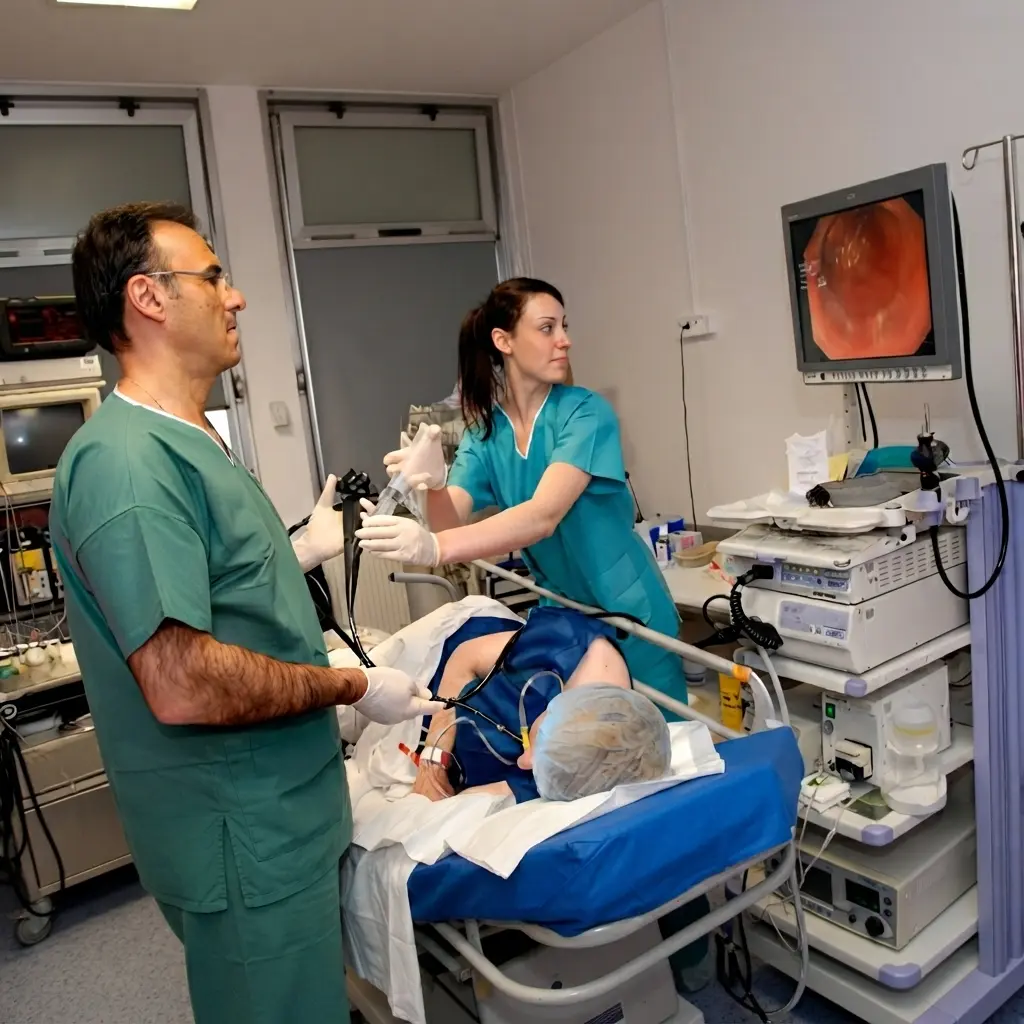
Colonoscopy for Ulcerative Colitis
Colonoscopy may be used to:
Assess inflammation
Evaluate treatment response
Monitor healing
Obtain biopsies
Evaluate complications
Ulcerative Colitis Flare Management
When symptoms become more active, specialists may assess:
Disease severity
Medication effectiveness
Potential infection
Complications
Need for treatment adjustment
Nutrition Support
Patients with active ulcerative colitis may experience nutritional challenges.
Care may include assessment of:
Weight
Nutritional intake
Deficiencies
Hydration
Dietary needs
Ulcerative Colitis Complications
Specialized care may address complications such as:
Severe inflammation
Significant bleeding
Anemia
Toxic megacolon
Other serious intestinal complications
Colorectal Cancer Surveillance
Patients with long-standing ulcerative colitis may require appropriate colorectal cancer surveillance based on disease duration, extent and individual risk factors.
Ulcerative Colitis Surgery
Surgery may be considered for selected patients with:
Severe disease
Serious complications
Precancerous or cancerous changes
Disease that does not respond adequately to medical treatment
Surgical decisions are individualized and may involve colorectal surgeons.
Multidisciplinary Ulcerative Colitis Care
Complex cases may involve:
Gastroenterologists
IBD specialists
Colorectal surgeons
Radiologists
Pathologists
Nutrition specialists
Ulcerative Colitis Second Opinion
Patients may seek specialist review of:
Ulcerative colitis diagnosis
Colonoscopy findings
Biopsy results
Medication plans
Advanced therapy options
Surgery recommendations
Persistent symptoms
International Patients
International patients should provide:
Colonoscopy reports
Pathology/biopsy results
Blood and stool test results
CT/MRI scans
Medication history
Previous treatment records
Surgical reports when applicable
Benefits of Specialized Ulcerative Colitis Care
Specialized services may provide:
Comprehensive disease evaluation
Personalized treatment
Advanced medical therapies
Endoscopic monitoring
Nutritional support
Cancer surveillance
Surgical consultation
Long-term disease management
Why Choose Massachusetts General Hospital for Ulcerative Colitis Treatment?
Massachusetts General Hospital provides multidisciplinary care for ulcerative colitis and other inflammatory bowel conditions, with access to gastroenterology, advanced endoscopy, colorectal surgery, pathology, imaging and nutritional services.
Cost & Price on Request
Price: Price on Request
Potential costs may include:
Gastroenterology consultation
Blood and stool testing
Colonoscopy
Biopsy/pathology
Imaging
Medications
Advanced therapies
Surgery when required
Hospitalization
Follow-up monitoring
A personalized cost estimate should be requested according to the patient's condition and treatment plan.
Frequently Asked Questions
1. Can ulcerative colitis be controlled with treatment?
Treatment can help control inflammation, relieve symptoms and maintain remission, although the treatment approach varies from patient to patient.
2. Does ulcerative colitis always require surgery?
No. Many patients are treated medically. Surgery is considered for selected patients with severe disease, complications or inadequate response to medical treatment.
3. Is colonoscopy important for ulcerative colitis?
Yes. Colonoscopy can help assess inflammation, treatment response and colorectal health when clinically appropriate.
4. Can ulcerative colitis increase colorectal cancer risk?
Long-standing ulcerative colitis can increase colorectal cancer risk, which is why appropriate surveillance may be recommended for certain patients.
5. How much does ulcerative colitis treatment cost?
Price is available on request. Costs depend on consultation, testing, medications, procedures, hospitalization and possible surgery.
Product Details
Product Name: Ulcerative Colitis Treatment at Massachusetts General Hospital
Hospital: Massachusetts General Hospital
Brand: Massachusetts General Hospital
Country: United States
Specialty: Gastroenterology & Hepatology
Service Type: Ulcerative Colitis Treatment
Customer-Facing Price: Price on Request
International Patients: Available
Location: Boston, Massachusetts, USA
Related products








Frequently Bought Together
No frequently bought products found!
Products from this Seller
View All












Chemotherapy at Mayo Clinic

Immunotherapy at Mayo Clinic

Medical Tourism





Share with Friends
Trading is more effective when you share products with friends!Share you link
Share to