













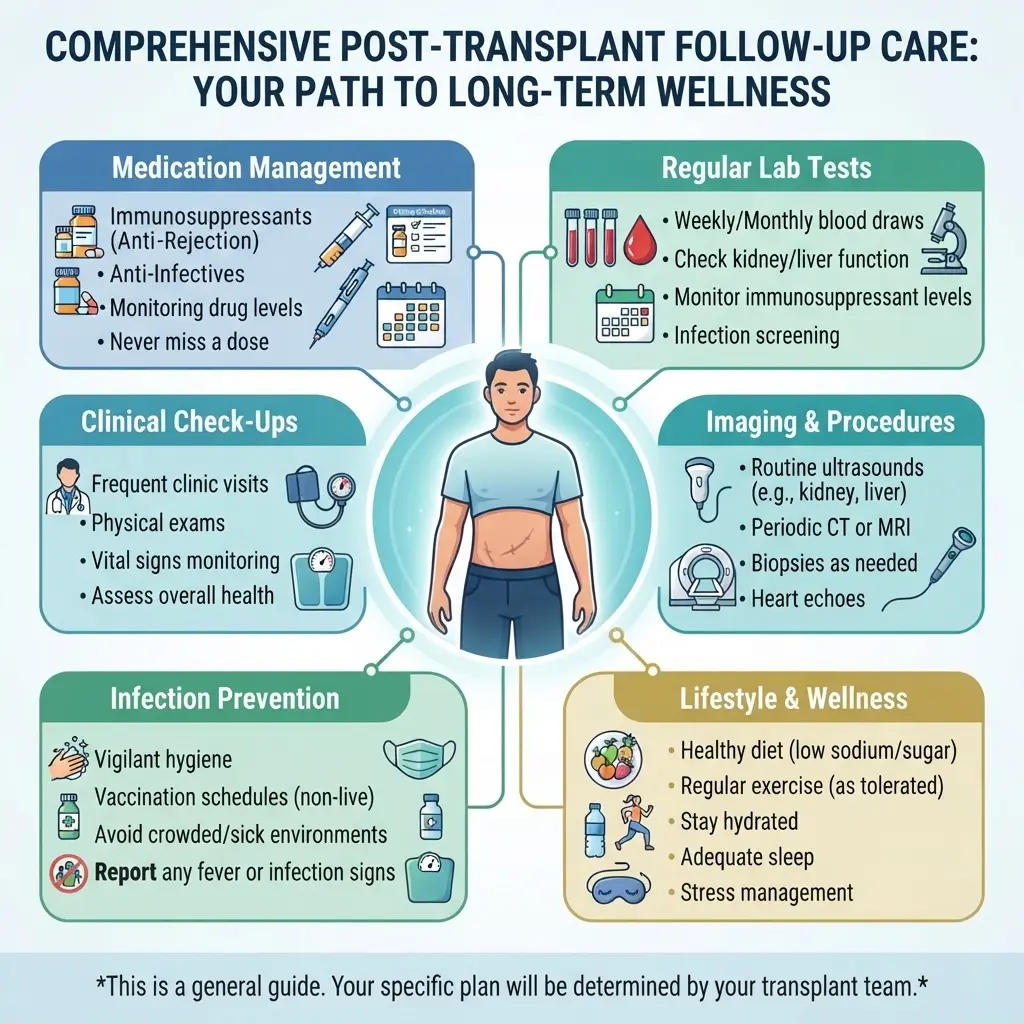
Transplant Follow-Up Care at Toronto General Hospital
Transplant Follow-Up Care provides ongoing medical monitoring and specialized care for patients after organ transplantation. Follow-up is essential for monitoring organ function, medication levels, rejection, infections and other potential complications, while supporting long-term health and recovery.
Price
Price on Request
Why Price on Request?
The cost of transplant follow-up varies according to the type of transplant, patient's medical condition, laboratory testing, imaging, specialist consultations, medications and monitoring requirements. A personalized cost estimate is provided after assessment.
Complete Description
What Is Transplant Follow-Up Care?
Transplant Follow-Up Care is long-term medical care provided after an organ transplant.
The purpose is to:
Monitor transplanted organ function
Detect rejection
Monitor infections
Manage immunosuppressive medications
Monitor blood tests
Identify complications
Support recovery
Promote long-term transplant health
Who Needs Transplant Follow-Up Care?
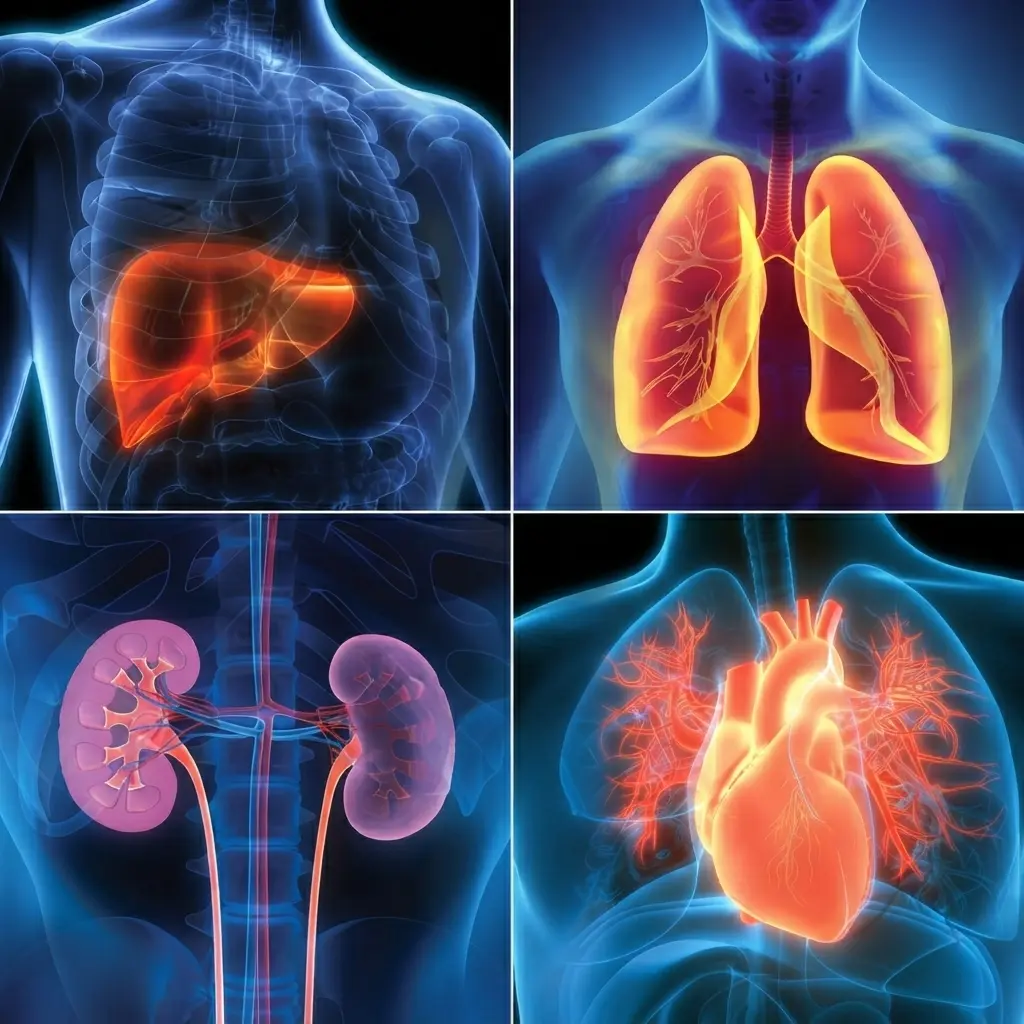
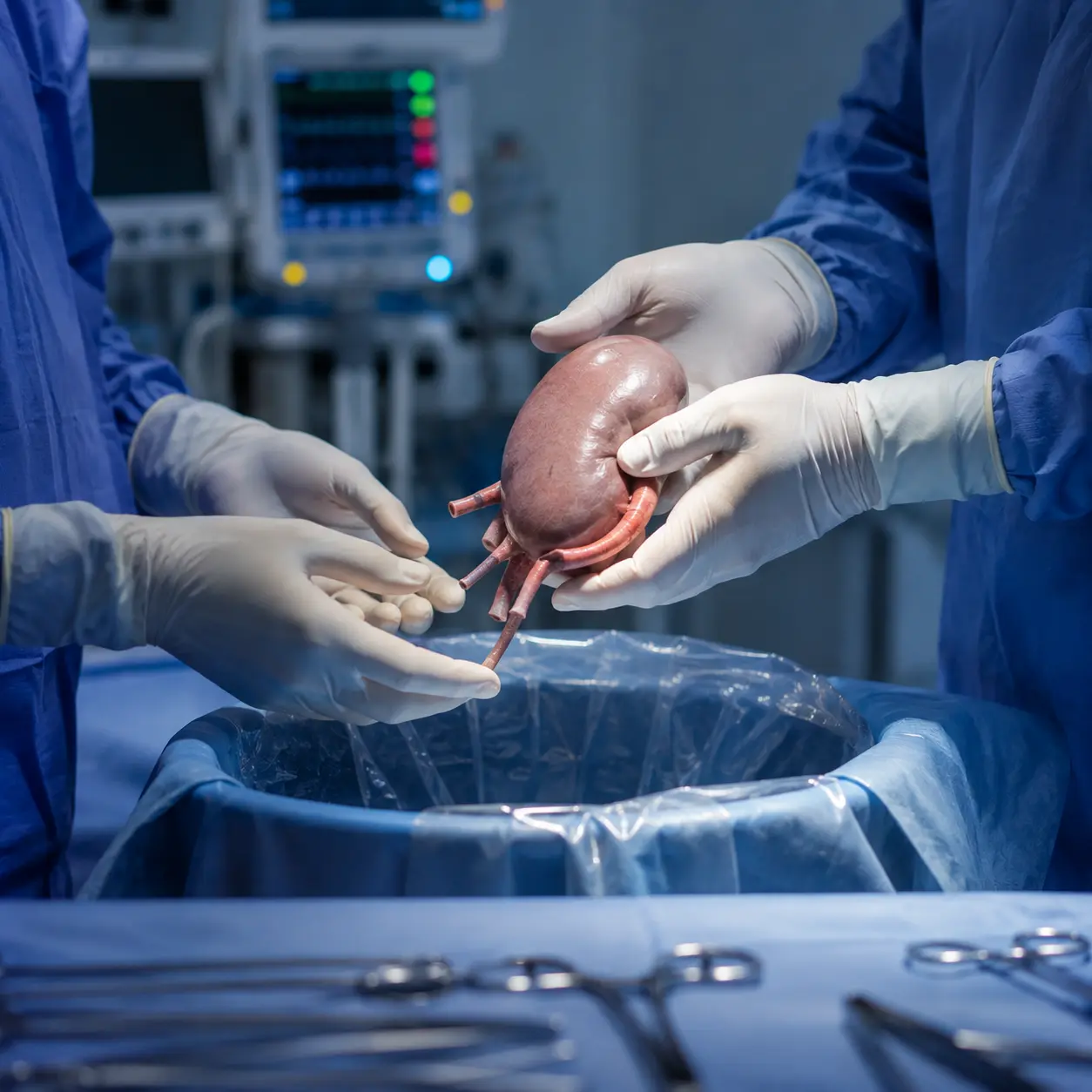
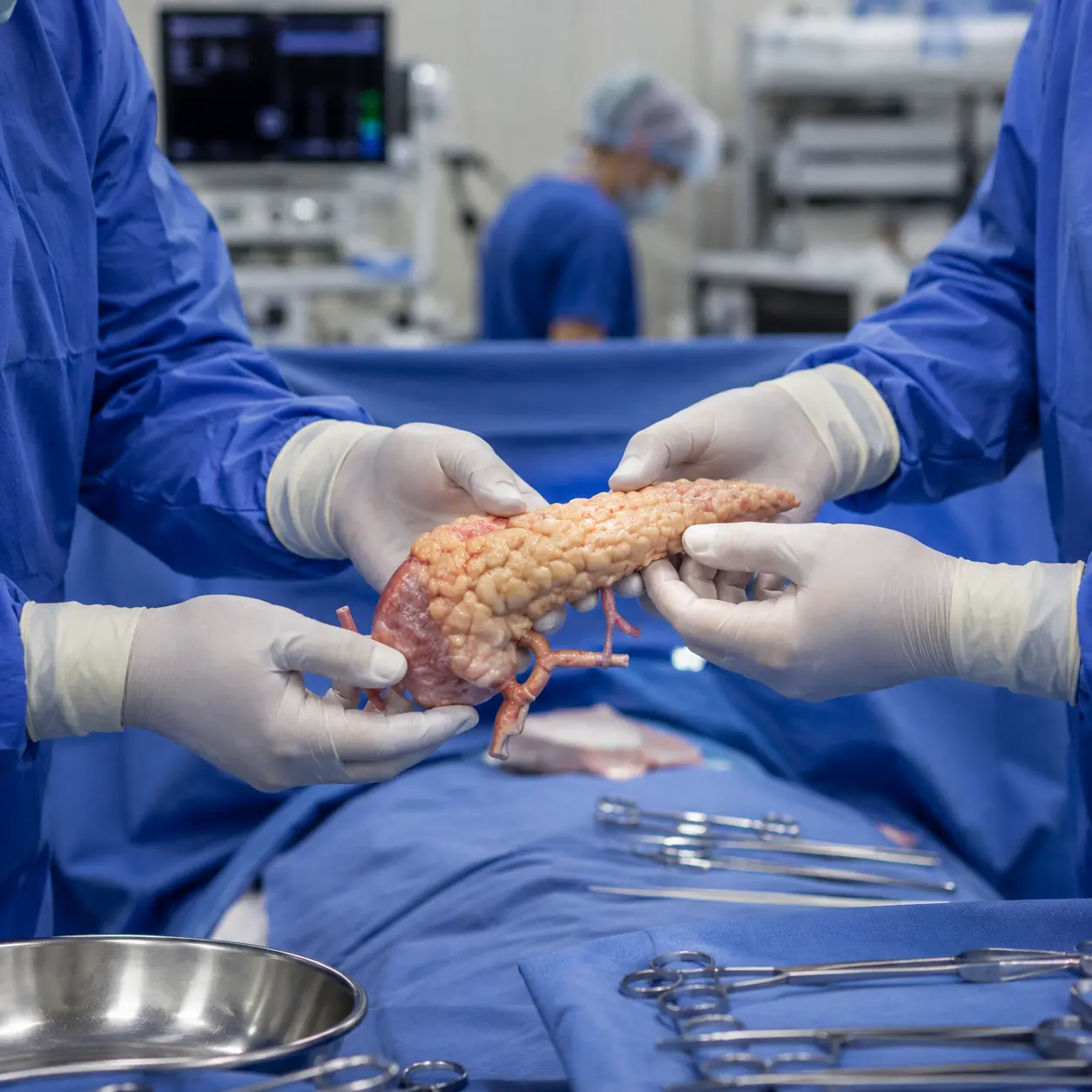
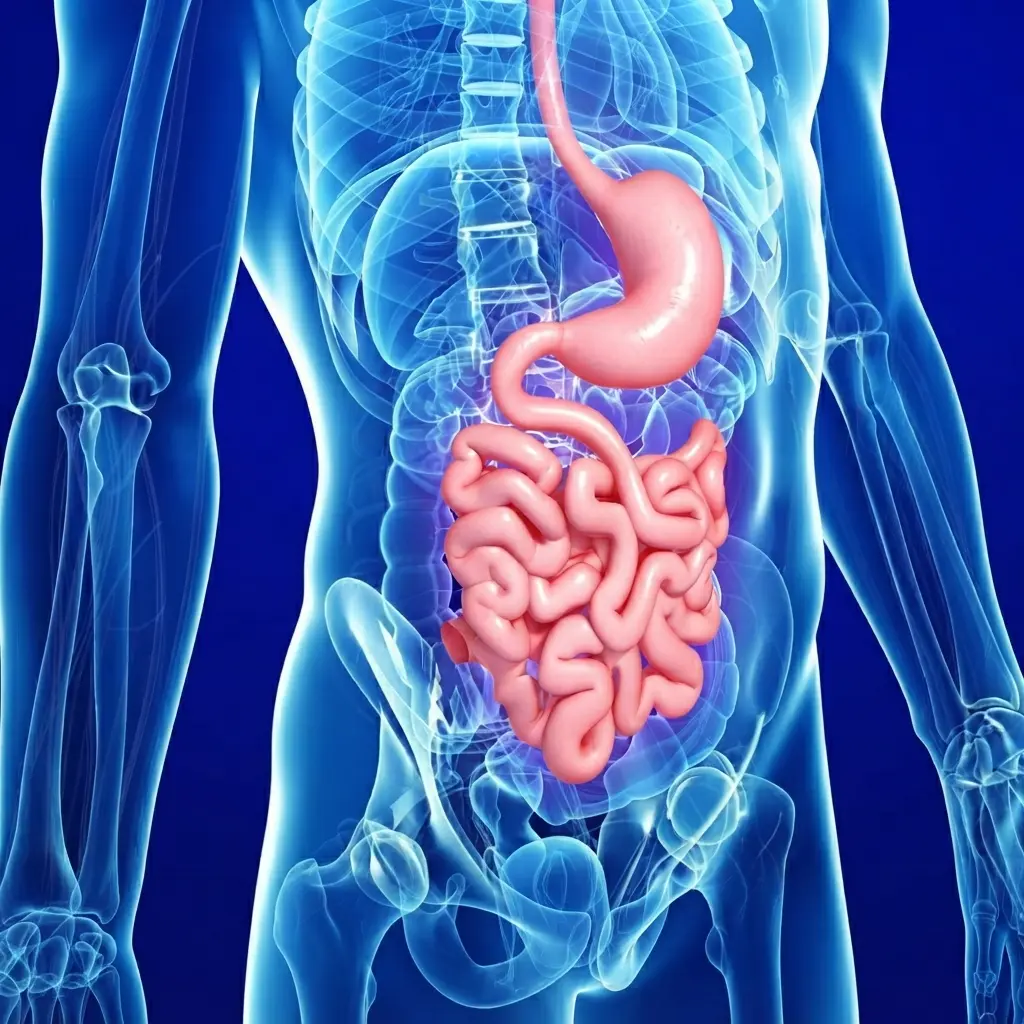
Follow-up care may be required after transplantation of organs such as:
Kidney
Liver
Lung
Pancreas
Intestine
Multiple organs
The exact follow-up schedule depends on the type of transplant and individual medical needs.
Post-Transplant Medical Monitoring
Follow-up appointments may include assessment of:
General health
Transplanted organ function
Blood pressure
Weight
Medication use
Symptoms
Recovery progress
Organ Function Monitoring
Regular testing helps assess whether the transplanted organ is functioning properly.
Depending on the transplant, monitoring may include:
Kidney-function tests
Liver-function tests
Lung-function tests
Blood-glucose testing
Intestinal-function assessment
Other organ-specific investigations
Immunosuppressive Medication Management
Most transplant recipients require immunosuppressive medications to reduce the risk of organ rejection.
Follow-up care may include:
Medication review
Drug-level monitoring
Dose adjustment
Monitoring for side effects
Medication adherence education
Patients should not change or stop transplant medications without medical guidance.
Rejection Monitoring
Organ rejection occurs when the immune system attacks the transplanted organ.
Follow-up may include monitoring for signs of rejection through:
Clinical assessment
Blood tests
Organ-function testing
Imaging
Endoscopy or biopsy when clinically indicated
Early detection may allow timely treatment.
Infection Monitoring
Transplant recipients may have increased susceptibility to infections because of immunosuppressive therapy.
Follow-up may include:
Infection screening
Laboratory testing
Preventive treatment when appropriate
Vaccination guidance
Assessment of new symptoms
Laboratory Testing
Depending on the transplant, routine testing may include:
Complete blood count
Kidney-function tests
Liver-function tests
Electrolytes
Drug levels
Blood glucose
Other transplant-specific tests
The testing schedule is individualized.
Diagnostic Imaging
Imaging may be used when required to assess the transplanted organ or investigate symptoms.
Possible investigations include:
Ultrasound
X-ray
CT scan
MRI
Other specialized imaging
Transplant Biopsy
In selected cases, a biopsy may be required to investigate suspected rejection or other transplant-related problems.
The type and frequency of biopsy depend on the transplanted organ and clinical circumstances.
Medication Side-Effect Monitoring
Immunosuppressive medications and other treatments can cause side effects.
Follow-up may monitor:
Kidney function
Liver function
Blood pressure
Blood glucose
Blood counts
Electrolytes
Other medication-related effects
Nutritional Follow-Up
Nutrition can play an important role in recovery after transplantation.
Patients may receive guidance regarding:
Healthy diet
Weight management
Nutrient intake
Food safety
Hydration
Organ-specific dietary requirements
Physical Rehabilitation
Some transplant recipients benefit from structured rehabilitation.
Rehabilitation may help:
Restore physical strength
Improve mobility
Increase exercise tolerance
Improve overall fitness
Support return to daily activities
Lifestyle Guidance
Long-term transplant care may include guidance regarding:
Physical activity
Healthy nutrition
Smoking cessation
Alcohol avoidance where medically advised
Weight management
Infection prevention
Medication adherence
Regular medical appointments
Vaccination and Preventive Care
Transplant recipients may require individualized vaccination and preventive-care planning.
The transplant team can provide guidance based on:
Type of transplant
Immunosuppressive treatment
Infection risks
Current health
Vaccination history
Long-Term Complication Monitoring
Long-term follow-up may monitor for:
Organ rejection
Infection
Medication-related complications
Cardiovascular problems
Kidney problems
Metabolic complications
Other transplant-related conditions
Transplant Second Opinion
Patients may seek a transplant follow-up second opinion when they have concerns about:
Organ function
Medication regimen
Rejection
Complications
Previous treatment
Long-term transplant management
Relevant medical records can be reviewed by transplant specialists.
International Patient Follow-Up
International transplant recipients seeking follow-up care should provide relevant records, including:
Transplant surgery report
Previous transplant records
Recent laboratory results
Imaging
Medication list
Biopsy reports when applicable
Specialist reports
Follow-up planning depends on the patient's transplant type and medical condition.
Benefits of Specialized Transplant Follow-Up
Ongoing transplant follow-up may help:
Monitor organ function
Detect rejection early
Monitor infections
Manage medications
Identify complications
Support rehabilitation
Provide nutritional guidance
Monitor long-term health
Improve continuity of transplant care
Why Choose Toronto General Hospital for Transplant Follow-Up Care?
Toronto General Hospital, part of University Health Network (UHN), provides specialized transplant and complex medical care.
Follow-up can involve coordinated care from transplant physicians, surgeons, pharmacists, nurses, laboratory specialists, dietitians and other healthcare professionals, depending on the patient's needs.
Cost & Price on Request
Price: Price on Request
The total cost depends on the type of transplant and follow-up services required.
Potential costs may include:
Follow-up consultation
Laboratory testing
Imaging
Medication monitoring
Organ-function testing
Biopsy when required
Specialist consultations
Rehabilitation
Nutritional assessment
A personalized cost estimate should be requested after specialist assessment.
Frequently Asked Questions
1. How long is transplant follow-up required?
Transplant recipients generally require long-term or lifelong medical follow-up to monitor organ function, medications and potential complications.
2. What is monitored during transplant follow-up?
Follow-up may monitor organ function, rejection, infections, medication levels, blood tests and other transplant-related complications.
3. Will I need anti-rejection medication after transplantation?
Most transplant recipients require immunosuppressive medication to reduce the risk of rejection.
4. Can international transplant patients receive follow-up care?
International patients may seek transplant follow-up subject to medical assessment, program requirements and applicable regulations.
5. How much does transplant follow-up care cost?
Price is available on request. Costs depend on the transplant type, consultations, laboratory tests, imaging and other monitoring services required.
Product Details
Product Name: Transplant Follow-Up Care
Hospital: Toronto General Hospital
Brand: Toronto General Hospital
Country: Canada
Specialty: Organ Transplantation
Service Type: Transplant Follow-Up Care
Customer-Facing Price: Price on Request
International Patients: Subject to applicable eligibility and transplant regulations
Location: Toronto, Ontario, Canada
Related products



Frequently Bought Together
No frequently bought products found!
Products from this Seller
View All







Chemotherapy at Mayo Clinic

Immunotherapy at Mayo Clinic

Medical Tourism





Share with Friends
Trading is more effective when you share products with friends!Share you link
Share to