














Living Donor Evaluation at Toronto General Hospital
Living Donor Evaluation is a comprehensive medical, surgical and psychosocial assessment performed to determine whether an individual can safely donate an organ to a suitable recipient. The evaluation is designed to protect the donor's health and well-being while assessing medical suitability and compatibility for living donation.
Price
Price on Request
Why Price on Request?
The cost of living donor evaluation varies depending on the organ being considered for donation, laboratory testing, imaging, specialist consultations, compatibility testing and other medical assessments required. A personalized cost estimate is provided after the initial assessment.
Complete Description
What Is Living Donor Evaluation?
Living Donor Evaluation is a detailed assessment of a potential living organ donor before donation.
The process determines:
Whether the donor is medically suitable
Whether donation can be performed safely
Whether the donor understands the risks
Whether the donor is psychologically prepared
Whether the donor and recipient are medically compatible
The donor's safety is a primary consideration throughout the evaluation.
Who Can Be a Living Donor?
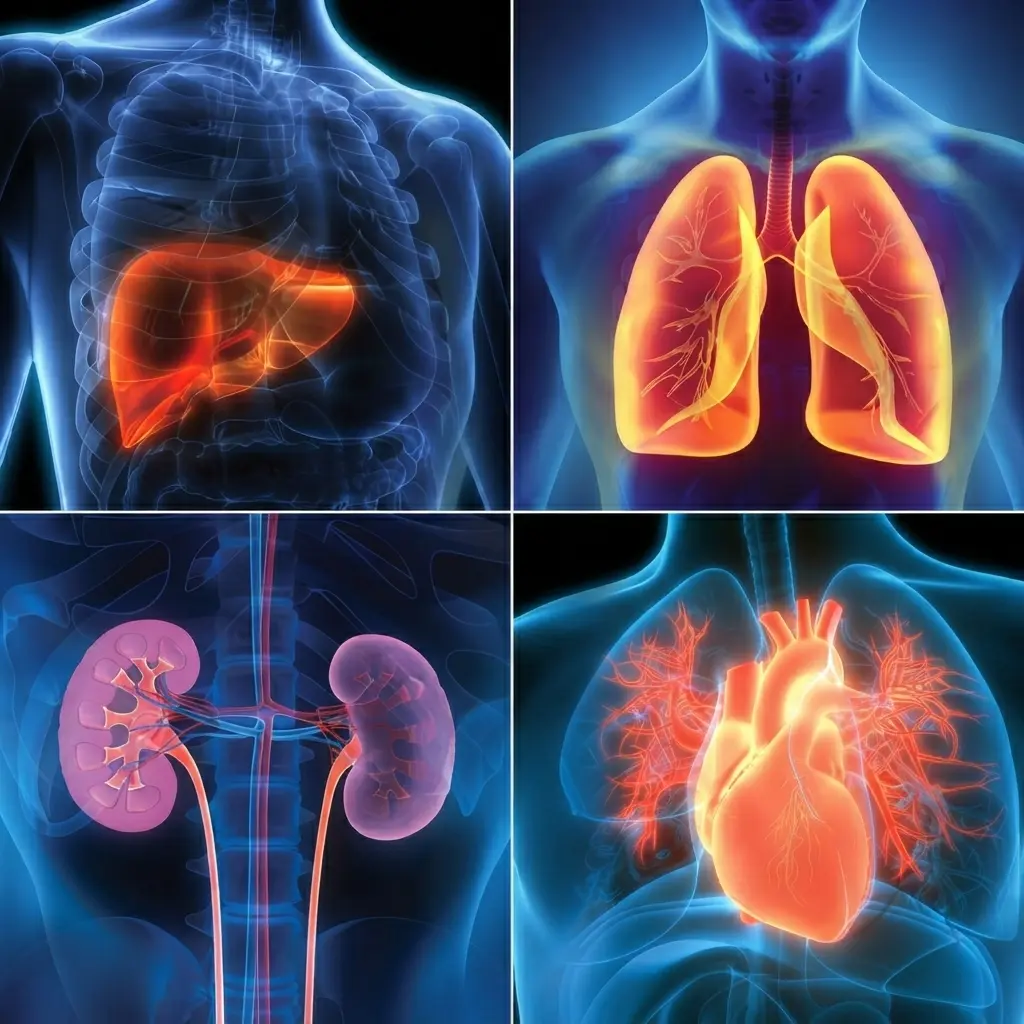
Potential living donors may be considered for selected transplant procedures involving organs or portions of organs such as:
Kidney
Liver
Other organs or organ segments where living donation is medically appropriate
Eligibility depends on the type of donation, donor health and applicable transplant policies.
Initial Donor Assessment
The evaluation generally begins with a detailed review of:
Medical history
Surgical history
Current medications
Previous illnesses
Family medical history
Lifestyle factors
Previous hospitalizations
Allergies
General health
This helps the transplant team determine whether further assessment is appropriate.
Physical Examination
A physical examination may assess:
General health
Blood pressure
Weight
Cardiovascular health
Respiratory health
Abdominal health
Other relevant physical findings
The examination is tailored to the organ being considered for donation.
Blood Testing
Potential donors may undergo extensive laboratory testing.
Testing may include:
Complete blood count
Blood chemistry
Kidney-function testing
Liver-function testing
Blood type
Infection screening
Metabolic testing
Other transplant-specific laboratory tests
Compatibility Testing
Compatibility assessment may be performed between donor and recipient.
Depending on the transplant type, testing may include:
Blood-group compatibility
Tissue typing
Antibody testing
Crossmatching
Other immunological assessments
These tests help determine whether donation is medically appropriate.
Kidney Donor Evaluation
For potential kidney donors, assessment may include detailed evaluation of:
Kidney function
Urine testing
Blood pressure
Kidney anatomy
Cardiovascular health
Overall medical condition
Imaging may be used to assess kidney structure and blood vessels.
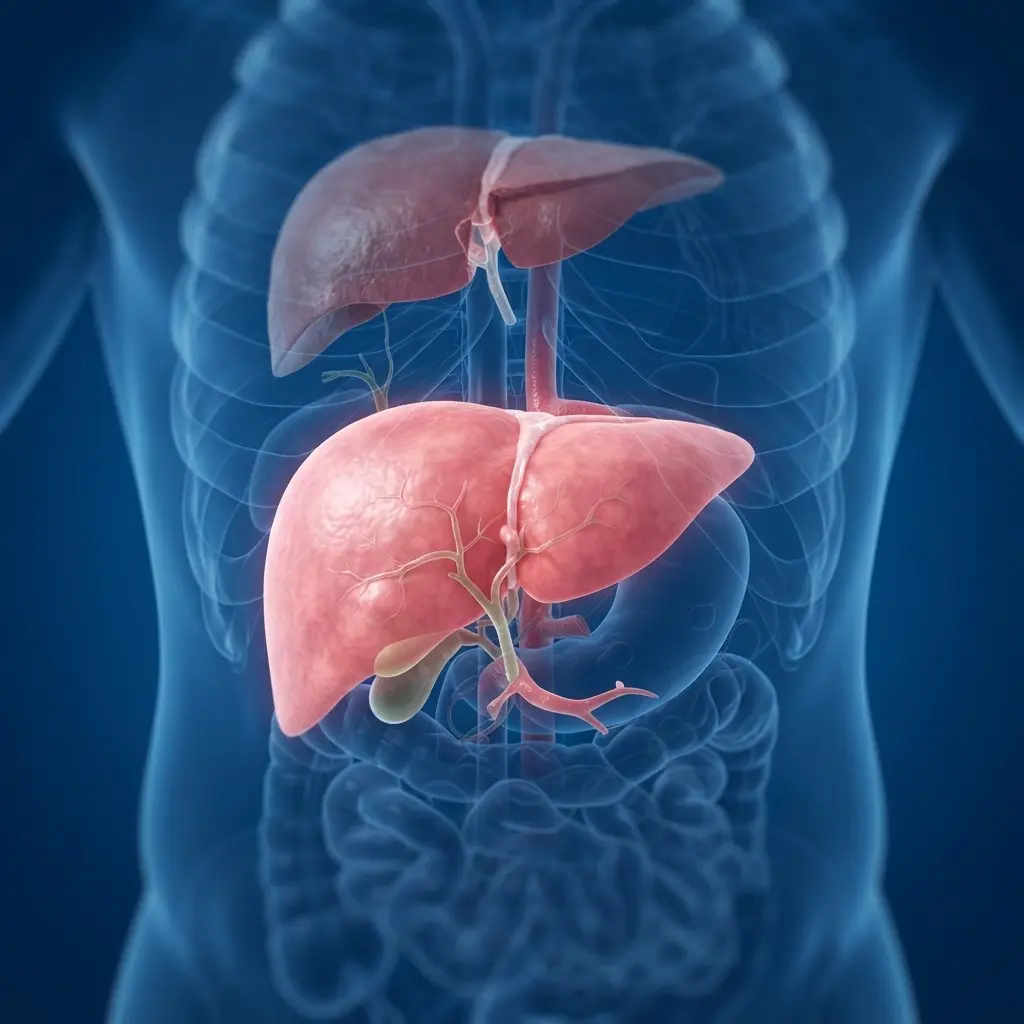
Liver Donor Evaluation
For potential living liver donors, evaluation may include:
Liver function
Liver anatomy
Liver volume
Blood tests
Imaging
Cardiovascular assessment
General health evaluation
The transplant team determines whether the donor can safely undergo partial liver donation.
Diagnostic Imaging
Imaging may be required to evaluate the donor's anatomy and suitability.
Depending on the organ, investigations may include:
Ultrasound
CT scan
MRI
Other specialized imaging
Imaging helps transplant specialists understand organ structure and blood-vessel anatomy.
Cardiovascular Evaluation
Potential donors may undergo cardiovascular assessment to determine whether they can safely undergo major surgery.
Evaluation may include:
Medical history
Physical examination
Electrocardiogram
Other cardiac investigations when clinically appropriate
Additional testing depends on age, medical history and individual risk factors.
Infection Screening
Potential donors may be tested for relevant infections before donation.
Screening may include tests for:
Viral infections
Bacterial infections
Other transplant-relevant infections
The exact testing depends on the transplant program and donor circumstances.
Cancer Screening
Appropriate cancer screening may be performed as part of the donor assessment.
Screening depends on:
Age
Sex
Medical history
Family history
Applicable clinical guidelines
The goal is to identify conditions that could affect donor safety.
Psychological Assessment
Living donation is a major personal and medical decision.
A psychosocial assessment may evaluate:
Understanding of the donation process
Expectations
Emotional readiness
Support system
Ability to cope with recovery
Potential psychological concerns
Voluntary Donation
Living donation should be voluntary and free from coercion or inappropriate pressure.
Potential donors should have an opportunity to understand the procedure, risks and alternatives before making a decision.
Independent Donor Advocacy
Living donor programs may include processes designed to ensure that the donor's interests are independently considered.
The donor should have access to information about:
Potential risks
Benefits
Alternatives
Recovery
Long-term considerations
The right to withdraw from the process
Surgical Risk Assessment
Before approval for donation, specialists evaluate potential surgical risks.
Assessment may consider:
General health
Cardiovascular status
Organ function
Previous surgeries
Body weight
Medical conditions
Anesthesia risk
Nutritional Assessment
Nutrition may be evaluated before donation.
The team may review:
Weight
Diet
Nutritional status
Metabolic health
Lifestyle factors
Appropriate nutritional guidance may be provided when necessary.
Final Donor Suitability Assessment
After completing the required investigations, the transplant team reviews the results.
The decision may consider:
Medical suitability
Surgical risk
Organ suitability
Compatibility
Psychological readiness
Long-term donor health
Donation proceeds only when the appropriate transplant team determines that it is medically and ethically appropriate.
Donor Preparation Before Surgery
If approved for donation, the donor receives information about:
Surgical preparation
Hospital admission
Anesthesia
Expected recovery
Medication management
Activity restrictions
Follow-up requirements
Post-Donation Follow-Up
Living donors require medical follow-up after donation.
Follow-up may include:
Physical assessment
Blood tests
Organ-function monitoring
Blood-pressure monitoring
Recovery assessment
Long-term health monitoring
The exact schedule depends on the type of donation and transplant program.
Potential Risks of Living Donation
Living organ donation involves major medical and surgical considerations.
Potential risks may include:
Bleeding
Infection
Blood clots
Anesthesia-related complications
Surgical complications
Pain
Temporary changes in organ function
Other organ-specific complications
Individual risks vary according to the type of donation and donor health.
Living Donor Second Opinion
Potential donors may seek a specialist second opinion if they have concerns about their suitability for donation.
Relevant medical records may include:
Laboratory results
Imaging
Medical history
Specialist reports
Previous surgical records
Current medication list
International Living Donors
International patients considering living donation should understand that living organ donation is subject to strict medical, ethical and legal requirements.
Requirements may include documentation regarding:
Medical history
Identity
Relationship to recipient where applicable
Compatibility
Psychological suitability
Informed consent
Other regulatory requirements
Eligibility depends on applicable Canadian policies and transplant regulations.
Benefits of Specialized Living Donor Evaluation
A comprehensive donor evaluation may help:
Assess donor health
Identify potential medical risks
Evaluate organ suitability
Assess donor-recipient compatibility
Evaluate surgical risks
Assess psychological readiness
Protect donor safety
Prepare donors for surgery and recovery
Establish appropriate follow-up
Why Choose Toronto General Hospital for Living Donor Evaluation?
Toronto General Hospital, part of University Health Network (UHN), provides advanced transplant and multidisciplinary medical care.
Depending on the type of donation, evaluation may involve transplant surgeons, physicians, nurses, radiologists, laboratory specialists, pharmacists, social workers and other healthcare professionals.
Cost & Price on Request
Price: Price on Request
The cost of living donor evaluation depends on the type of donation and investigations required.
Potential costs may include:
Donor consultation
Blood testing
Compatibility testing
Imaging
Cardiac evaluation
Specialist consultations
Psychological assessment
Additional diagnostic testing
Preoperative assessment
Follow-up care
A personalized cost estimate should be requested after evaluation.
Frequently Asked Questions
1. What is a living donor evaluation?
It is a comprehensive assessment used to determine whether a person can safely donate an organ while protecting the donor's short- and long-term health.
2. What organs can be donated by a living donor?
Depending on medical circumstances and transplant programs, living donation may involve organs such as a kidney or a portion of the liver.
3. Is living donation voluntary?
Yes. Living donation should be voluntary and based on informed consent, without inappropriate pressure or coercion.
4. What tests are performed during donor evaluation?
Testing may include blood tests, compatibility testing, imaging, organ-function assessment, cardiovascular evaluation and psychosocial assessment, depending on the type of donation.
5. How much does living donor evaluation cost?
Price is available on request. The cost depends on the organ being considered and the medical, imaging, laboratory and specialist assessments required.
Product Details
Product Name: Living Donor Evaluation
Hospital: Toronto General Hospital
Brand: Toronto General Hospital
Country: Canada
Specialty: Organ Transplantation
Service Type: Living Donor Evaluation
Customer-Facing Price: Price on Request
International Patients: Subject to applicable eligibility and transplant regulations
Location: Toronto, Ontario, Canada
Related products


Frequently Bought Together
No frequently bought products found!
Products from this Seller
View All






Chemotherapy at Mayo Clinic
Immunotherapy at Mayo Clinic

Medical Tourism





Share with Friends
Trading is more effective when you share products with friends!Share you link
Share to