











Stroke Treatment at Cleveland Clinic
Stroke Treatment provides specialized evaluation and treatment for ischemic and hemorrhagic stroke, with the goal of reducing brain injury, addressing the underlying cause and supporting neurological recovery. Depending on the type and timing of the stroke, treatment may include emergency medical therapy, clot-removal procedures, management of bleeding, vascular interventions, rehabilitation and prevention of future strokes.
Price
Price on Request
Why Price on Request?
The cost of stroke treatment depends on the type and severity of stroke, emergency evaluation, brain and vascular imaging, medications, procedures, hospitalization, intensive care, rehabilitation and follow-up treatment required. A personalized estimate is provided according to the patient's clinical needs.
Complete Description
What Is Stroke Treatment?
Stroke Treatment focuses on rapidly identifying the type and cause of stroke and providing appropriate medical or procedural treatment.
Stroke generally occurs when blood flow to part of the brain is interrupted or when a blood vessel in the brain ruptures.
The two major types are:
Ischemic stroke
Hemorrhagic stroke
Who May Need Stroke Treatment?
Stroke treatment may be required for patients experiencing symptoms such as:
Sudden weakness
Facial drooping
Speech difficulty
Sudden vision changes
Loss of coordination
Severe dizziness
Sudden confusion
Sudden severe headache
Stroke symptoms require urgent medical evaluation.
Emergency Stroke Evaluation
Initial evaluation may include:
Medical history
Neurological examination
Assessment of symptom onset
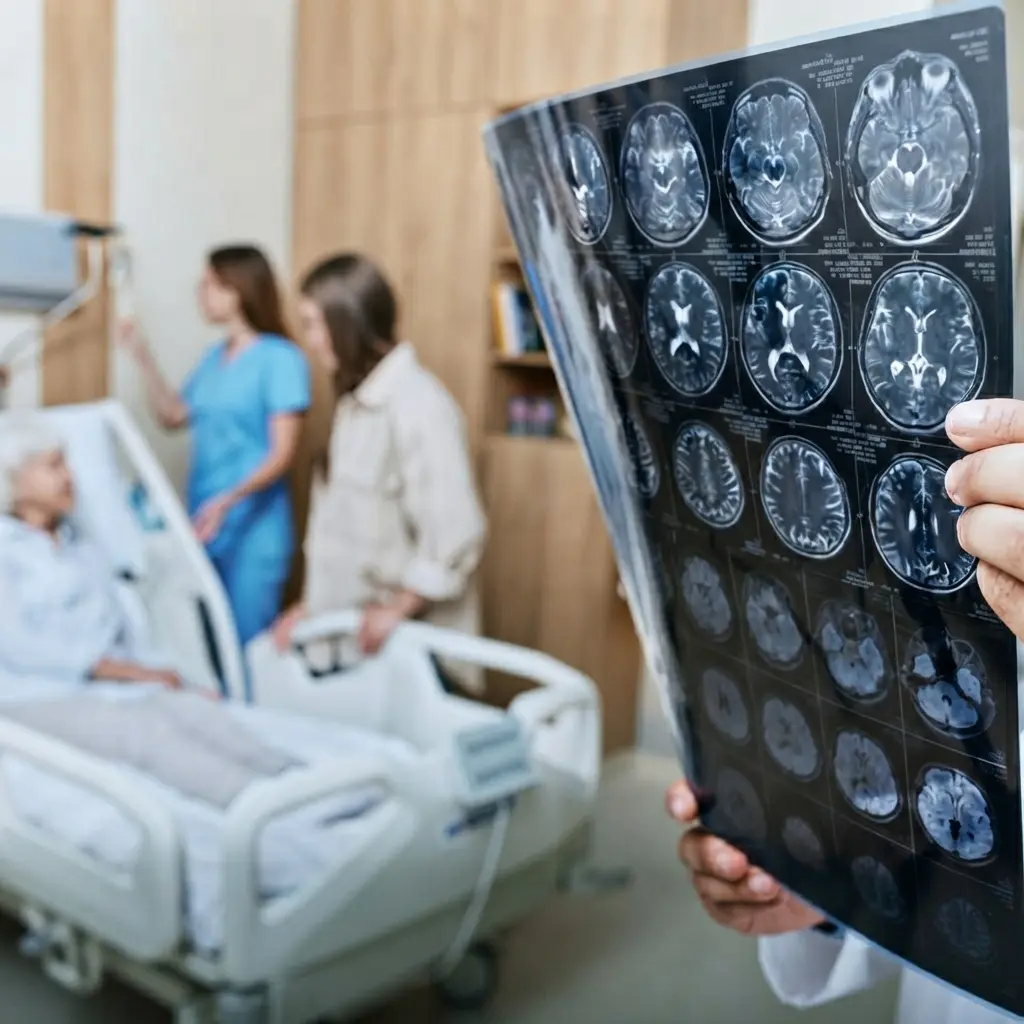
Brain imaging
Blood testing
Vascular imaging
Assessment of stroke severity
Rapid evaluation helps determine the most appropriate treatment.
Ischemic Stroke Treatment
An ischemic stroke occurs when a blood vessel supplying the brain becomes blocked.
Treatment may include:
Clot-dissolving medication for eligible patients
Mechanical clot removal for selected patients
Supportive medical care
Treatment of the underlying cause
Treatment options depend heavily on timing and individual clinical factors.
Hemorrhagic Stroke Treatment
A hemorrhagic stroke occurs when a blood vessel in the brain ruptures and causes bleeding.
Treatment may focus on:
Controlling blood pressure
Managing bleeding
Reducing pressure on the brain
Treating the underlying blood vessel abnormality
Surgical or endovascular treatment when appropriate
Mechanical Thrombectomy
Selected patients with certain large-vessel ischemic strokes may be candidates for mechanical thrombectomy.
This procedure uses specialized catheter-based techniques to remove a blood clot and restore blood flow to the brain.
Eligibility depends on:
Stroke type
Location of the blockage
Time from symptom onset
Brain imaging
Overall clinical condition
Clot-Dissolving Treatment
Eligible patients with certain ischemic strokes may receive medication designed to dissolve a blood clot.
Treatment eligibility depends on:
Time since symptoms began
Stroke characteristics
Medical history
Bleeding risk
Imaging findings
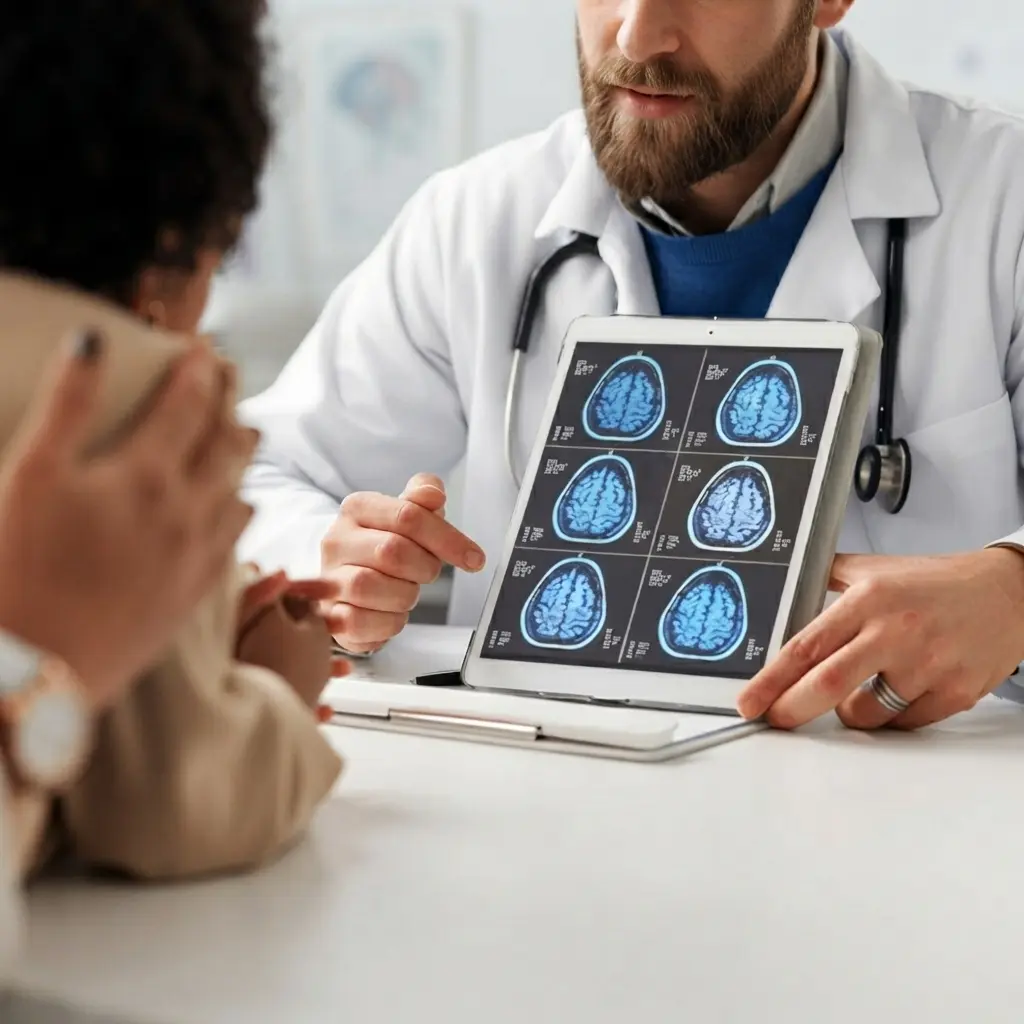
Brain and Vascular Imaging
Stroke evaluation may involve:
CT scan
MRI
CT angiography
MR angiography
Other vascular imaging
Imaging helps determine the location and type of stroke and may guide treatment decisions.
Stroke Neurological Assessment
Neurological assessment may evaluate:
Muscle strength
Speech
Vision
Sensation
Coordination
Balance
Consciousness
Cognitive function
Stroke Cause Evaluation
After the acute phase, specialists may investigate why the stroke occurred.
Evaluation may include assessment for:
High blood pressure
Heart rhythm disorders
Carotid artery disease
Heart disease
Blood clotting disorders
Other vascular risk factors
Carotid Artery Evaluation
Patients with certain ischemic strokes may be evaluated for carotid artery disease.
Assessment may involve:
Vascular imaging
Ultrasound
CT angiography
MR angiography
Vascular specialist consultation
Heart Rhythm Evaluation
Certain strokes may be associated with abnormal heart rhythms such as atrial fibrillation.
Evaluation may include:
Electrocardiogram
Heart monitoring
Echocardiography
Other cardiac testing
Hemorrhagic Stroke Surgery
Selected patients with brain bleeding may require surgical treatment.
Depending on the condition, procedures may be considered to:
Remove blood
Reduce pressure
Treat the source of bleeding
Prevent further neurological damage
Aneurysm and Vascular Treatment
When a stroke or brain hemorrhage is associated with an aneurysm or vascular abnormality, treatment may include:
Endovascular procedures
Surgical treatment
Other specialized vascular interventions
Stroke Intensive Care
Patients with severe strokes may require close monitoring.
Care may include management of:
Blood pressure
Breathing
Brain pressure
Blood glucose
Neurological function
Other medical complications
Stroke Rehabilitation
Rehabilitation is an important part of recovery for many stroke patients.
It may include:
Physical therapy
Occupational therapy
Speech therapy
Swallowing therapy
Cognitive rehabilitation
Balance training
Mobility training
Stroke Recovery
Recovery varies depending on:
Stroke type
Location of brain injury
Stroke severity
Speed of treatment
Overall health
Rehabilitation progress
Some patients recover quickly, while others require longer-term rehabilitation.
Secondary Stroke Prevention
After a stroke, specialists may develop a plan to reduce the risk of another stroke.
Prevention may include:
Blood pressure management
Cholesterol management
Medication
Diabetes management
Smoking cessation
Heart rhythm treatment
Lifestyle changes
Treatment of vascular disease
Post-Stroke Follow-Up
Follow-up care may include:
Neurological assessment
Medication management
Rehabilitation monitoring
Vascular evaluation
Cardiac evaluation
Risk-factor management
Stroke Second Opinion
Patients may seek a stroke treatment second opinion after receiving a diagnosis or treatment recommendation.
Specialists may review:
CT scans
MRI scans
Angiography
Neurological reports
Cardiac testing
Previous treatment
Rehabilitation records
International Patients
International patients should provide relevant medical records whenever possible.
Useful documents may include:
CT scans
MRI scans
CT angiography
MR angiography
Neurology reports
Cardiology reports
Laboratory results
Previous treatment records
Rehabilitation reports
Current medication list
Benefits of Specialized Stroke Treatment
Specialized stroke care may help:
Rapidly identify stroke type
Evaluate the cause of stroke
Restore blood flow in selected ischemic strokes
Manage brain bleeding
Treat selected vascular abnormalities
Provide neurological monitoring
Support rehabilitation
Reduce future stroke risk
Coordinate multidisciplinary care
Provide stroke second opinions
Why Choose Cleveland Clinic for Stroke Treatment?
Cleveland Clinic provides multidisciplinary stroke care involving neurologists, neurosurgeons, neuroradiologists, vascular specialists, rehabilitation professionals and other healthcare specialists.
Patients can receive coordinated evaluation, acute treatment, rehabilitation planning and long-term stroke prevention.
Cost & Price on Request
Price: Price on Request
The total cost of stroke treatment depends on the type and severity of stroke and the medical services required.
Potential costs may include:
Emergency evaluation
Neurological consultation
CT or MRI imaging
Vascular imaging
Laboratory testing
Clot-dissolving medication
Mechanical thrombectomy
Surgery
Hospitalization
Intensive care
Rehabilitation
Follow-up consultations
Preventive treatment
A personalized cost estimate should be requested according to the patient's individual treatment requirements.
Frequently Asked Questions
1. What are the main types of stroke?
The two major types are ischemic stroke, caused by blocked blood flow, and hemorrhagic stroke, caused by bleeding in or around the brain.
2. Can a stroke be treated with medication?
Some eligible ischemic stroke patients may receive clot-dissolving medication, while other patients may require procedures or supportive treatment.
3. What is mechanical thrombectomy?
Mechanical thrombectomy is a catheter-based procedure used to remove certain blood clots from blocked brain arteries in eligible patients.
4. Is rehabilitation necessary after a stroke?
Many patients benefit from physical, occupational, speech, swallowing or cognitive rehabilitation, depending on their individual neurological deficits.
5. How much does stroke treatment cost?
Price is available on request. The final cost depends on emergency treatment, imaging, procedures, hospitalization, rehabilitation and follow-up care.
Product Details
Product Name: Stroke Treatment
Hospital: Cleveland Clinic
Brand: Cleveland Clinic
Country: United States
Specialty: Neurology & Neurosurgery
Service Type: Stroke Treatment
Customer-Facing Price: Price on Request
International Patients: Available
Location: Cleveland, Ohio, USA
Related products


Frequently Bought Together
No frequently bought products found!
Products from this Seller
View All



Chemotherapy at Mayo Clinic

Immunotherapy at Mayo Clinic
Medical Tourism





Share with Friends
Trading is more effective when you share products with friends!Share you link
Share to