













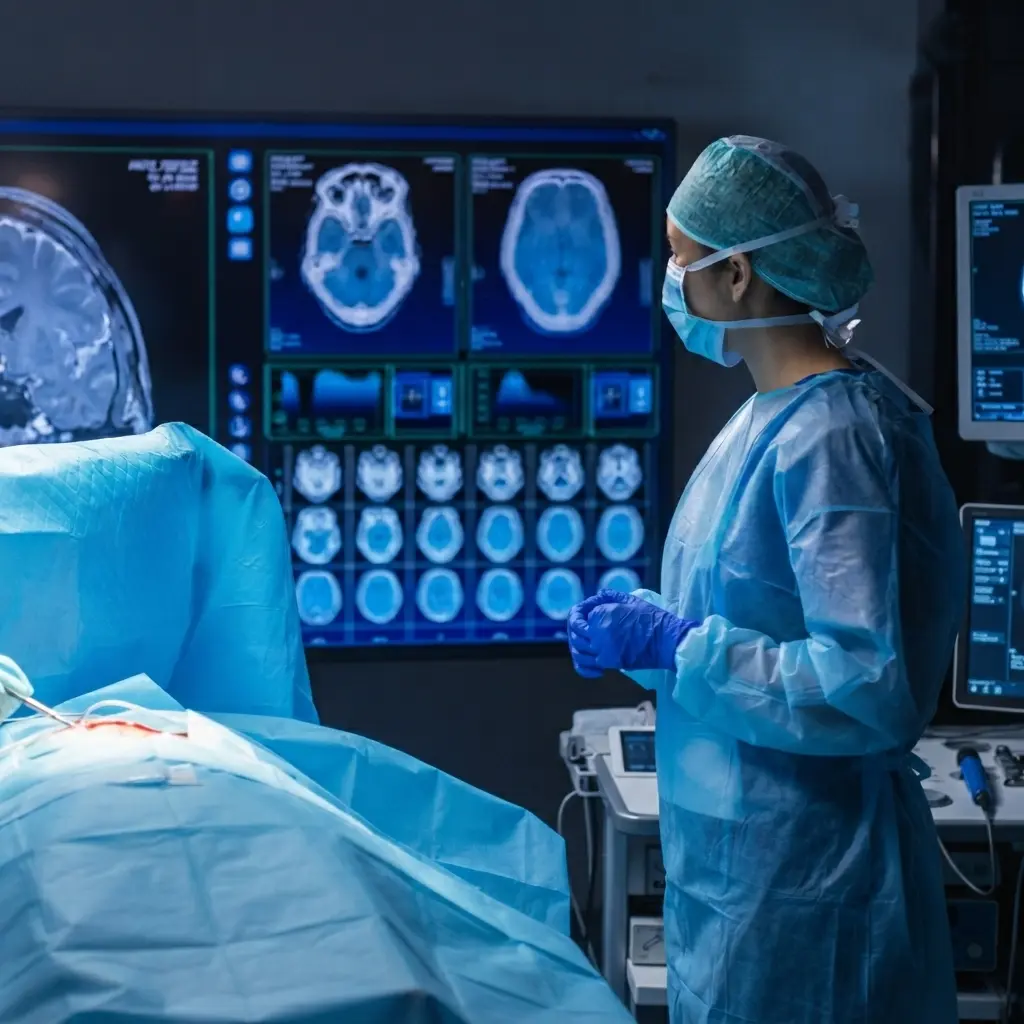
Brain Surgery at Cleveland Clinic
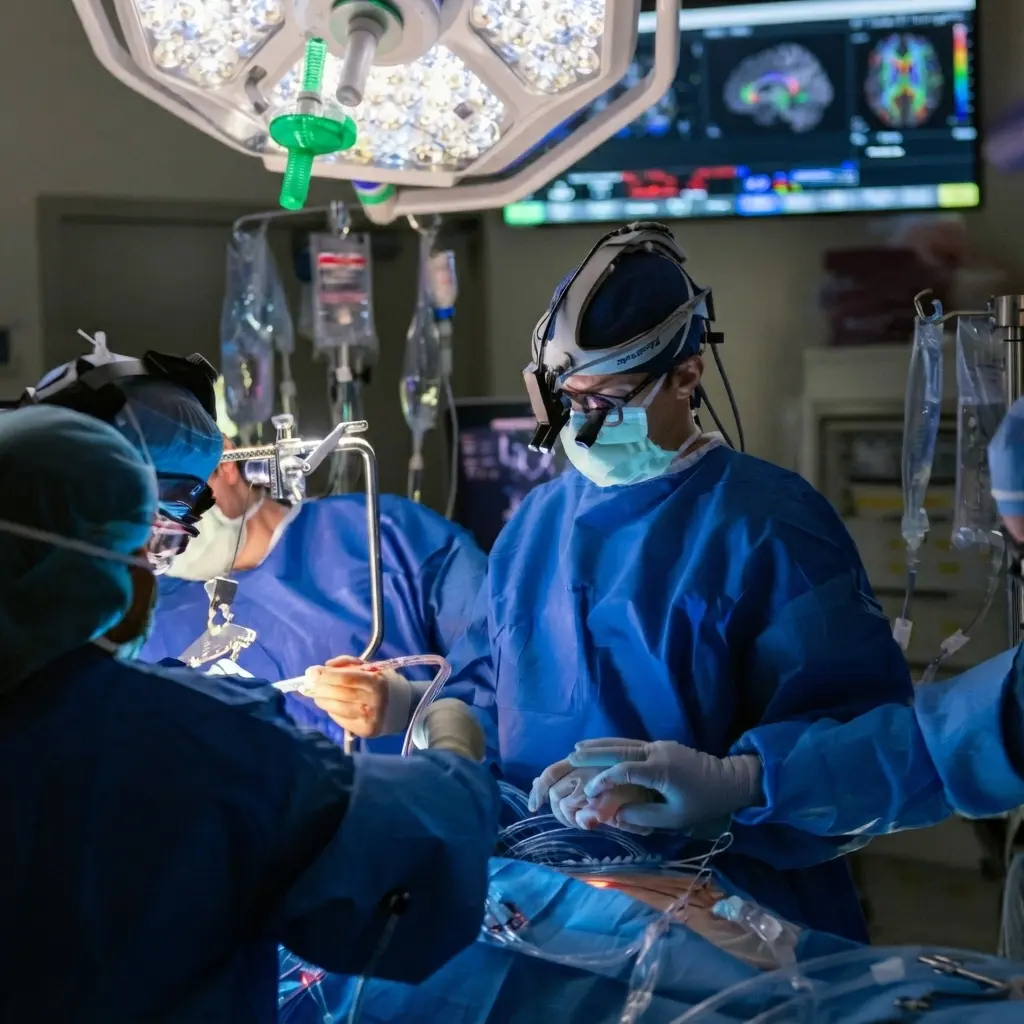
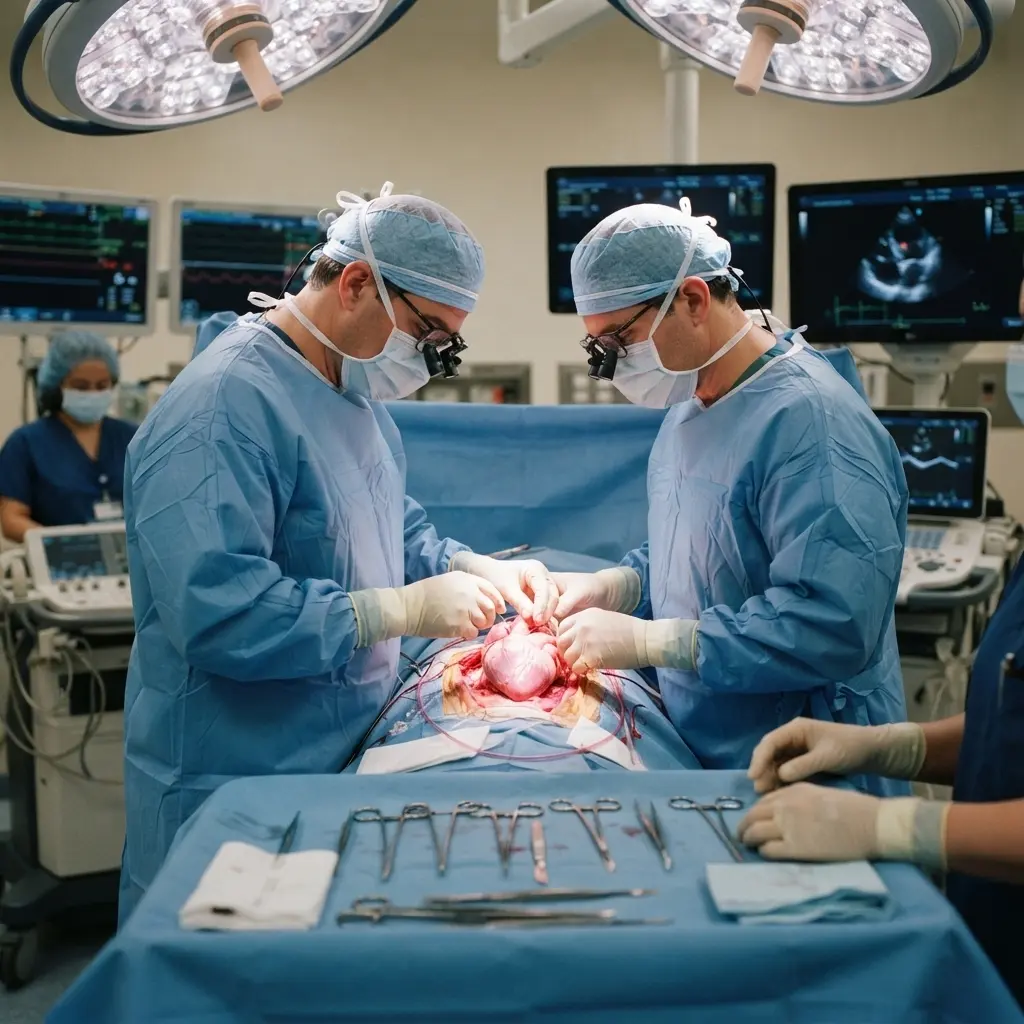
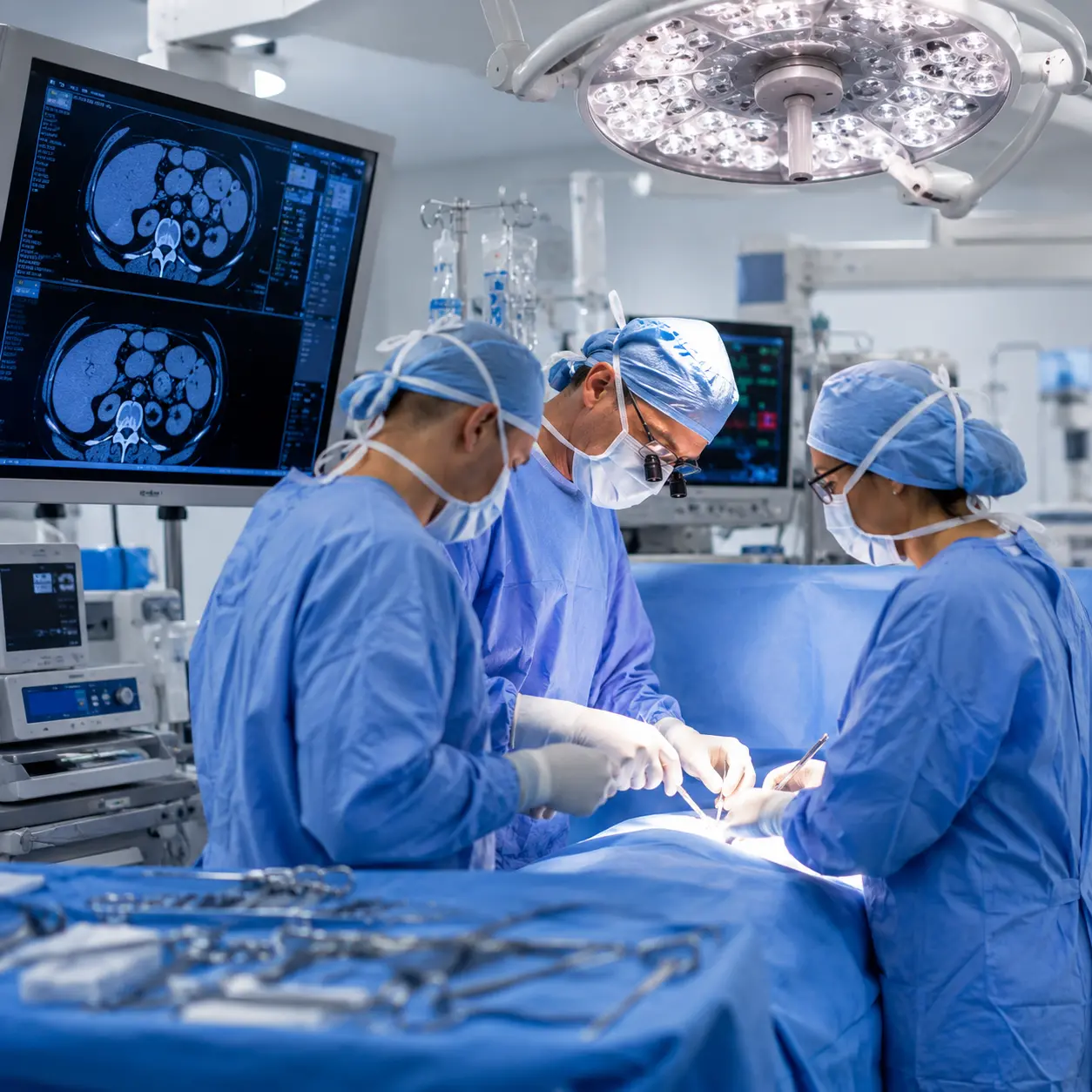
Brain Surgery provides specialized surgical treatment for selected conditions affecting the brain, blood vessels, protective structures and surrounding tissues. Neurosurgeons use detailed neurological evaluation, advanced imaging and individualized surgical planning to address conditions such as brain tumors, vascular abnormalities, hydrocephalus and selected traumatic or structural brain disorders.
Price
Price on Request
Why Price on Request?
The cost of brain surgery depends on the type and complexity of the condition, surgical approach, diagnostic imaging, anesthesia, hospitalization, intensive care, medications, rehabilitation and follow-up care required. A personalized estimate is provided according to the recommended treatment plan.
Complete Description
What Is Brain Surgery?
Brain Surgery involves surgical procedures performed to diagnose or treat selected conditions affecting the brain and surrounding neurological structures.
Depending on the condition, surgery may be performed to:
Remove a tumor
Obtain tissue for diagnosis
Relieve pressure
Treat certain vascular abnormalities
Drain excess cerebrospinal fluid
Treat selected traumatic conditions
Address other structural brain disorders
Who May Need Brain Surgery?
Brain surgery may be considered for selected patients with:
Brain tumors
Brain aneurysms
Arteriovenous malformations
Hydrocephalus
Certain traumatic brain conditions
Selected structural brain disorders
Other conditions requiring surgical treatment
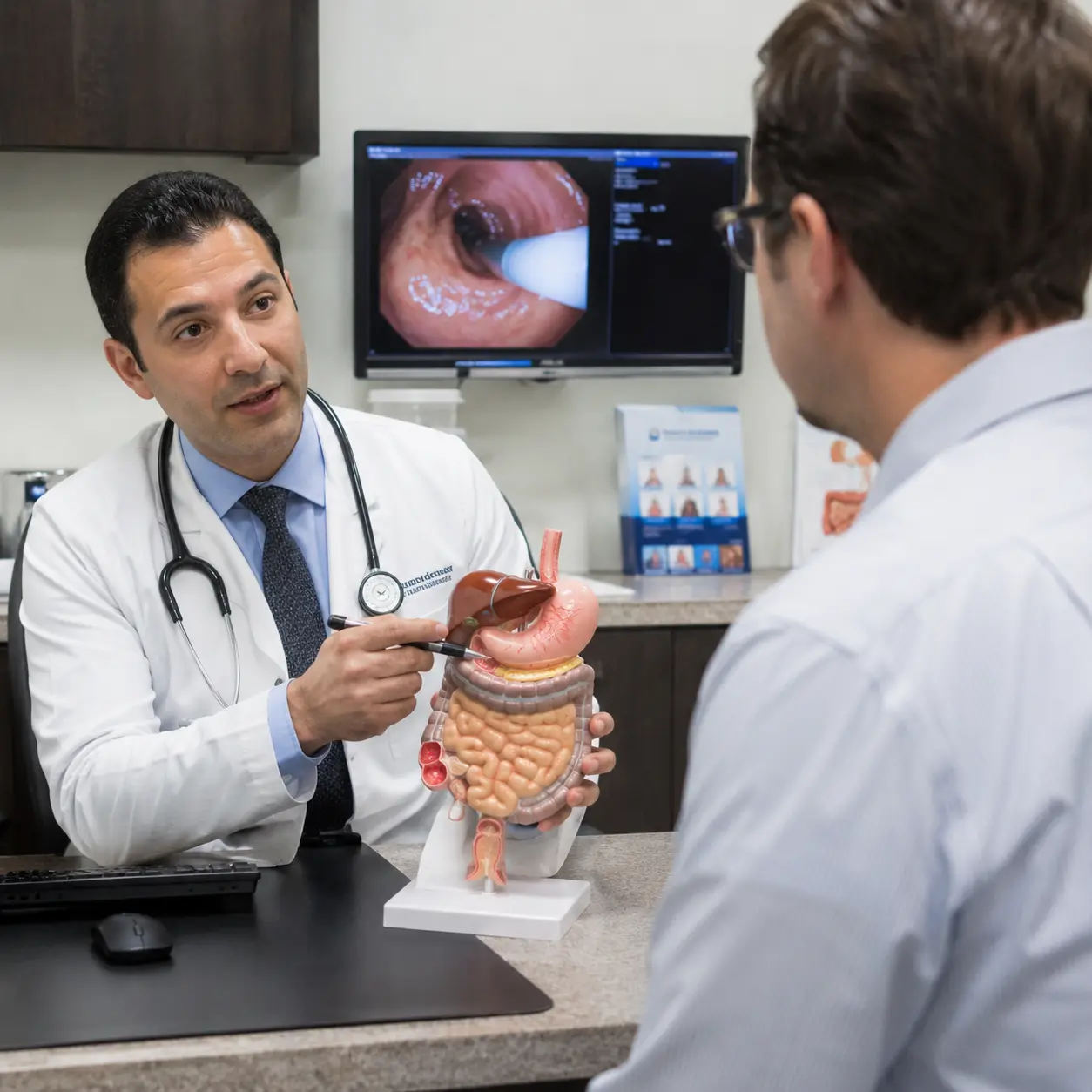
Brain Surgery Consultation
Before surgery, a neurosurgical consultation may include:
Detailed medical history
Neurological examination
Review of symptoms
Review of previous treatments
Imaging assessment
Surgical options
Discussion of potential risks and benefits
Brain Surgery Evaluation
Specialists may assess:
Neurological function
Muscle strength
Sensation
Coordination
Balance
Speech
Cognitive function
Imaging findings
The evaluation helps determine whether surgery is appropriate.
Brain Tumor Surgery
Surgery may be considered for selected brain tumors.
Potential goals may include:
Removing as much tumor as safely possible
Obtaining tissue for diagnosis
Reducing pressure on the brain
Improving symptoms
Supporting additional cancer treatment
Brain Tumor Biopsy
When complete tumor removal is not appropriate or when a tissue diagnosis is required, a surgical biopsy may be considered.
The tissue can help determine:
Tumor type
Tumor characteristics
Molecular features
Appropriate treatment options
Brain Aneurysm Surgery
Selected brain aneurysms may require surgical or endovascular treatment.
The appropriate approach depends on:
Aneurysm location
Size
Shape
Patient health
Risk factors
Other clinical considerations
Arteriovenous Malformation Treatment
Selected brain arteriovenous malformations may require specialized treatment.
Depending on the condition, treatment may involve:
Microsurgery
Endovascular procedures
Radiation-based treatment
Combination approaches
Hydrocephalus Surgery
Brain surgery may be used to treat selected cases of hydrocephalus.
Procedures may be designed to:
Drain excess cerebrospinal fluid
Improve fluid circulation
Reduce pressure on the brain
Minimally Invasive Brain Surgery
Selected brain conditions may be treated using minimally invasive approaches.
Potential advantages may include:
Smaller surgical access
Reduced tissue disruption
Shorter recovery in selected cases
Reduced postoperative discomfort
The appropriate technique depends on the location and type of condition.
Complex Brain Surgery
Complex brain procedures may involve conditions located near important neurological structures.
Surgical planning may include:
Advanced imaging
Detailed anatomical mapping
Specialized surgical techniques
Intraoperative monitoring
Multidisciplinary evaluation
Image-Guided Brain Surgery
Advanced imaging may assist surgeons in identifying the location of abnormal tissue and planning the surgical approach.
Imaging may include:
MRI
CT
Angiography
Other specialized neurological imaging
Intraoperative Neurological Monitoring
Selected brain procedures may use intraoperative monitoring to help assess neurological function during surgery.
This can be particularly important when operating near areas responsible for:
Movement
Speech
Sensation
Vision
Other important neurological functions
Brain Surgery for Epilepsy
Selected patients with medication-resistant epilepsy may undergo evaluation for surgical treatment.
Evaluation may involve:
Neurological assessment
EEG
Brain imaging
Specialized seizure monitoring
Functional brain mapping when appropriate
Brain Surgery for Traumatic Conditions
Selected traumatic brain conditions may require urgent or planned surgical treatment.
Surgery may be considered to:
Relieve pressure
Remove blood collections
Repair selected structural injuries
Protect neurological function
Preoperative Brain Surgery Planning
Before surgery, patients may undergo:
Neurological examination
MRI or CT imaging
Laboratory testing
Medical assessment
Anesthesia evaluation
Surgical planning
The goal is to develop an individualized surgical strategy.
Anesthesia and Surgical Care
Brain surgery is performed with appropriate anesthesia and perioperative monitoring.
The surgical team may monitor:
Vital signs
Neurological function
Blood pressure
Oxygen levels
Other relevant parameters
Postoperative Brain Surgery Care
After surgery, patients may require monitoring of:
Neurological function
Surgical site
Pain
Vital signs
Consciousness
Mobility
Speech and other neurological functions
Brain Surgery Rehabilitation
Some patients may require rehabilitation after brain surgery.
Rehabilitation may include:
Physical therapy
Occupational therapy
Speech therapy
Cognitive rehabilitation
Balance training
Functional recovery programs
Brain Surgery Recovery
Recovery varies according to:
Type of surgery
Location of the brain condition
Surgical complexity
Overall health
Neurological function
Postoperative complications
The healthcare team provides individualized recovery guidance.
Follow-Up After Brain Surgery
Follow-up may include:
Neurological examinations
MRI or CT imaging
Pathology review
Laboratory testing
Rehabilitation assessment
Additional treatment planning
Second Opinion for Brain Surgery
Patients who have received a recommendation for brain surgery may seek a brain surgery second opinion.
Specialists may review:
MRI scans
CT scans
Angiography
Pathology
Neurological reports
Previous treatments
Proposed surgical approach
International Patients
International patients should provide relevant medical records whenever possible.
Useful documents may include:
MRI scans
CT scans
Angiography
Neurology reports
Pathology reports
Previous surgical reports
Laboratory results
EEG reports
Current medication list
Benefits of Specialized Brain Surgery
Specialized brain surgery may help:
Treat selected brain tumors
Obtain tissue for diagnosis
Treat selected vascular abnormalities
Relieve pressure on the brain
Treat selected cases of hydrocephalus
Address certain traumatic conditions
Provide minimally invasive options when appropriate
Support neurological recovery
Coordinate multidisciplinary treatment
Provide surgical second opinions
Why Choose Cleveland Clinic for Brain Surgery?
Cleveland Clinic provides multidisciplinary neurosurgical care involving neurosurgeons, neurologists, neuroradiologists, anesthesiologists, oncology specialists and rehabilitation professionals.
Patients can receive coordinated evaluation and individualized surgical planning for complex brain conditions.
Cost & Price on Request
Price: Price on Request
The total cost of brain surgery depends on the condition, surgical approach and level of hospital care required.
Potential costs may include:
Neurosurgical consultation
MRI or CT imaging
Laboratory testing
Surgical procedure
Anesthesia
Hospitalization
Intensive monitoring
Medications
Pathology
Rehabilitation
Follow-up imaging
Follow-up consultations
A personalized cost estimate should be requested according to the patient's individual surgical plan.
Frequently Asked Questions
1. What conditions can brain surgery treat?
Brain surgery may be used for selected brain tumors, aneurysms, vascular abnormalities, hydrocephalus, traumatic conditions and other structural brain disorders.
2. Does every brain tumor require surgery?
No. Treatment depends on the tumor type, size, location, symptoms, growth pattern and overall patient condition.
3. What tests are performed before brain surgery?
Evaluation may include MRI, CT scans, angiography, neurological examination, laboratory testing and other specialized studies.
4. How long does recovery after brain surgery take?
Recovery varies according to the type of surgery, brain location involved, surgical complexity and individual health and neurological recovery.
5. How much does brain surgery cost?
Price is available on request. The final cost depends on the surgical procedure, anesthesia, hospitalization, imaging, medications, rehabilitation and follow-up care.
Product Details
Product Name: Brain Surgery
Hospital: Cleveland Clinic
Brand: Cleveland Clinic
Country: United States
Specialty: Neurology & Neurosurgery
Service Type: Brain Surgery
Customer-Facing Price: Price on Request
International Patients: Available
Location: Cleveland, Ohio, USA
Related products





Frequently Bought Together
No frequently bought products found!
Products from this Seller
View All






Chemotherapy at Mayo Clinic

Immunotherapy at Mayo Clinic

Medical Tourism





Share with Friends
Trading is more effective when you share products with friends!Share you link
Share to